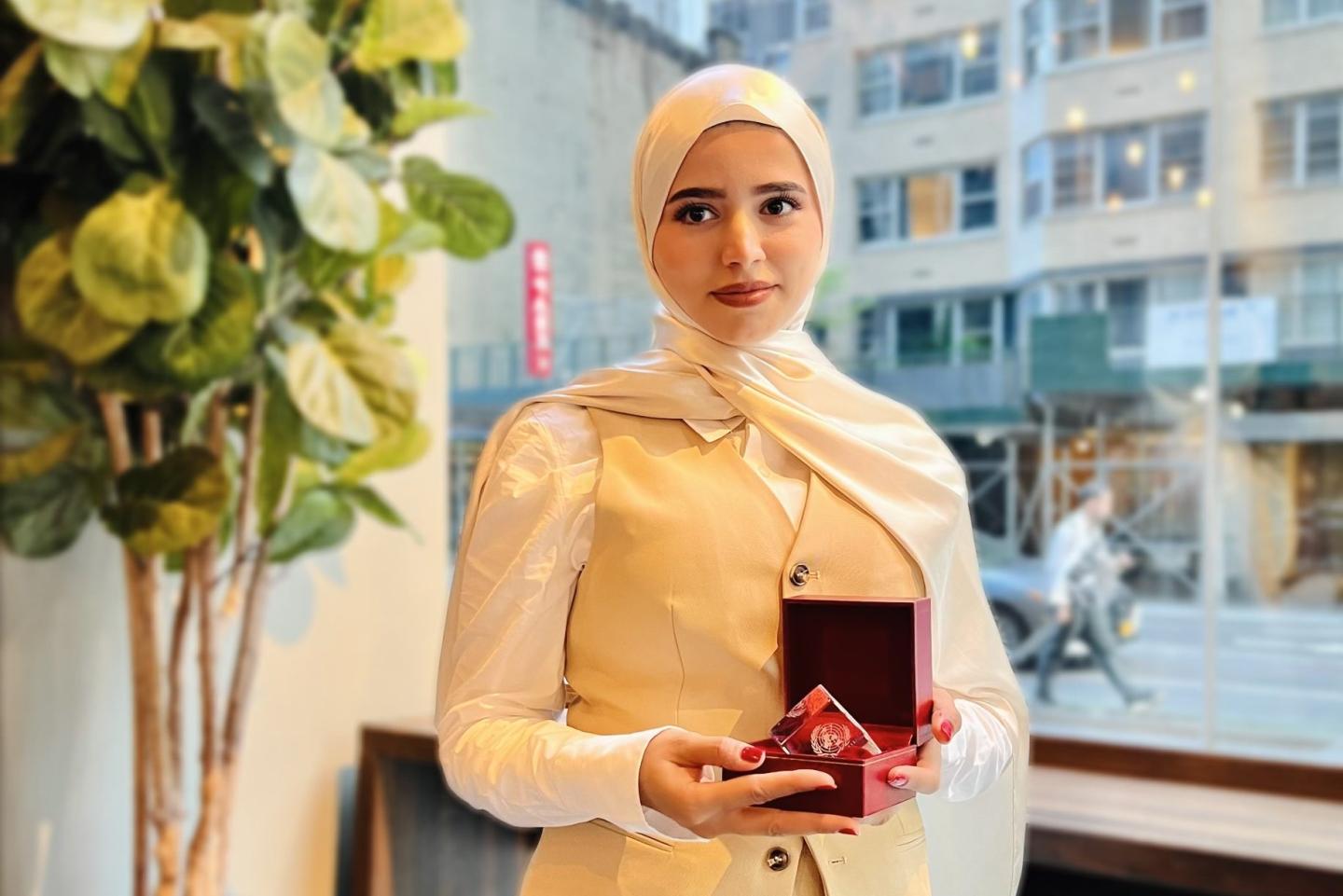
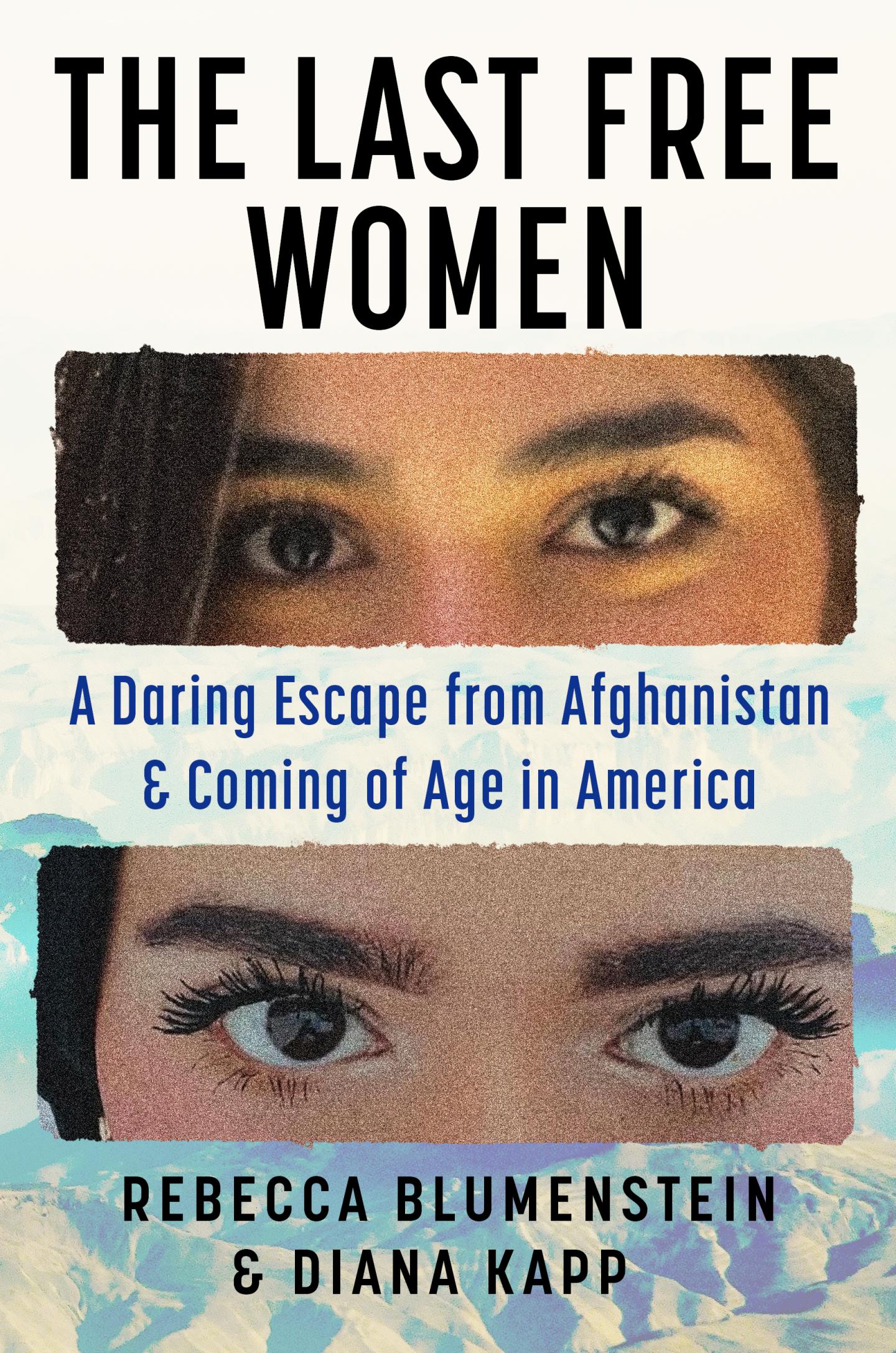
Today we have an excerpt from the new book The Last Free Women: A Daring Escape from Afghanistan and Coming of Age in America. In 2021, Rebecca Blumenstein was a deputy managing editor at The New York Times when the Taliban took Kabul. She was in the middle of driving her son to college when she was tasked with ensuring the members of the Times’ Afghan bureau and their families found safety. Her new book with co-author and journalist Diana Kapp tells the story of four women who fled and have built lives in the U.S. I’ve had a copy sitting on my desk and can’t wait to read the entire, important story. One of these women is Mursal Rahim:
Mursal Rahim went to school for the first time within months of the Americans’ arrival in Afghanistan in 2001. Half a decade of Taliban control ended, and suddenly the doors of education were flung open. Mursal was only five, too young for school, but she lied about her age and tagged along with her older sister.
By middle school she had decided she would become a lawyer; she wanted to help women fight for their rights. In 2020, she was well on her way. She walked proudly across a stage and received her law school diploma. Afghanistan was undergoing a vast modernization, and she was at the forefront of an eager generation of girls coming of age assuming that their voices mattered and their ambitions would be realized. She moved to Kabul, and started looking for her first job.
Then, on August 15, 2021, it was all ripped away. Mursal was eating lunch with her family when her brother called from the New York Times bureau where he was a reporter to tell his family they had to flee immediately. The Taliban had taken Kabul, and they were all at risk of reprisal for his coverage. They had 30 minutes to grab a backpack of belongings, and head for the airport. They had no idea where they would go. In that instant, her life was bifurcated into “before” and “after.”
Three years later, Mursal was standing on the Manhattan-bound F train platform in New York just after 8 a.m., suddenly filled with anxiety. It wasn’t that she’d never encountered dense crowds. In Kabul, during Eid, the streets and shops were choked with shoppers and revelers. But something about this sea of humanity was undoing her. Maybe the presence of strange men with bare arms right up against her? She was so alone in such a massive city.
After a harrowing journey from Kabul to Houston, via Doha and Mexico City, she had somehow snagged an internship at the UN department that adjudicated internal employee disputes around issues of corruption, harassment, and discrimination. In her interview, Mursal shared her memories growing up with UNICEF, a UN organization, and how the trademark sky-blue logo with a mother and child was everywhere around her school. To Mursal, the UN’s work was tangible. She had lived its impact.
What impressed Mursal immediately was that her office at the UN was genuinely international. Her supervisor had lived in Nairobi and the Congo. Among the judges were a Cambodian, a German, and a Russian. The executive director was Jamaican. The UN gave the day off for Eid. Still, it was weeks before she met another Afghan. And she was amazed that an office dedicated to ensuring fairness for employees existed.
Excerpted from the book The Last Free Women: A Daring Escape from Afghanistan and Coming of Age in America by Rebecca Blumenstein and Diana Kapp. Copyright © 2026 by Rebecca Blumenstein and Diana Kapp. Reprinted with permission of Grand Central Publishing, a division of Hachette Book Group, Inc. New York, NY. All rights reserved.
The Most Powerful Women Daily newsletter is Fortune’s daily briefing for and about the women leading the business world. Today’s edition was curated by Emma Hinchliffe. Subscribe here.
ALSO IN THE HEADLINES
A race to watch in Rhode Island. Helena Foulkes, who spent years as an exec at CVS and then was CEO of Hudson's Bay Company, just won the Democratic nomination for governor in Rhode Island. It was an upset; she beat incumbent sitting Gov. Dan McKee.
The challenges of running Walmart China. Christina Zhu has a very hard job, and the Chinese customer (who has high standards) is her boss, she says. She just joined us at the Fortune Leaders Forum in Macau. She was No. 92 on the Fortune Most Powerful Women list this year.
A first in the U.K. Foreign Office. Lindy Cameron is the new permanent undersecretary, replacing an official who was fired over the Peter Mandelson scandal. She'll be the first woman in the role, coming in from her post as high commissioner to India.
And another Lady First. That's the title of European Central Bank president Christine Lagarde's new autobiography. It's set to be released in German on Jan. 29, and the announcement is drawing speculation that Lagarde may leave her post at the ECB before the end of her term in late 2027.
ON MY RADAR
Can Pink become something more than Victoria's Secret's little sister? NYT
Texas Republican Brandon Herrera is race for key House seat is under fire for derogatory comments Guardian
Princess Diana's revenge dress will be sold at auction in New York NYT
PARTING WORDS
"I felt completely out of control. And yet I was touring and leading and being a boss and being someone taking care of money and finances and everything."
— Alanis Morisette on Call Her Daddy, remembering her experience with postpartum depression and psychosis