
Good morning. How much is riding on the expected IPOs of OpenAI and Anthropic?
Look no further than SoftBank’s stock price to find out. The company saw its shares jump almost 12% (to 7,900 Japanese yen) on the Tokyo Stock Exchange on Tuesday on investor hopes that it will reap big rewards when OpenAI, in which it retains a 13% stake, goes public.
What’s more, SoftBank is also expecting that SB Energy Corp—in which it and OpenAI each invested $500 million—will soon go public. OpenAI selected SB Energy to build and operate its 1.2-gigawatt data center site in Texas.
Add it all up and SoftBank shares are up almost 40% in a week’s time. I’ll bet you an order of tsukemen that CEO Masa Son thinks that’s the floor, not the ceiling. Today’s tech news follows. —AN
Want to send thoughts or suggestions to Fortune Tech? Drop a line here.
Pope Leo issues sweeping encyclical on AI
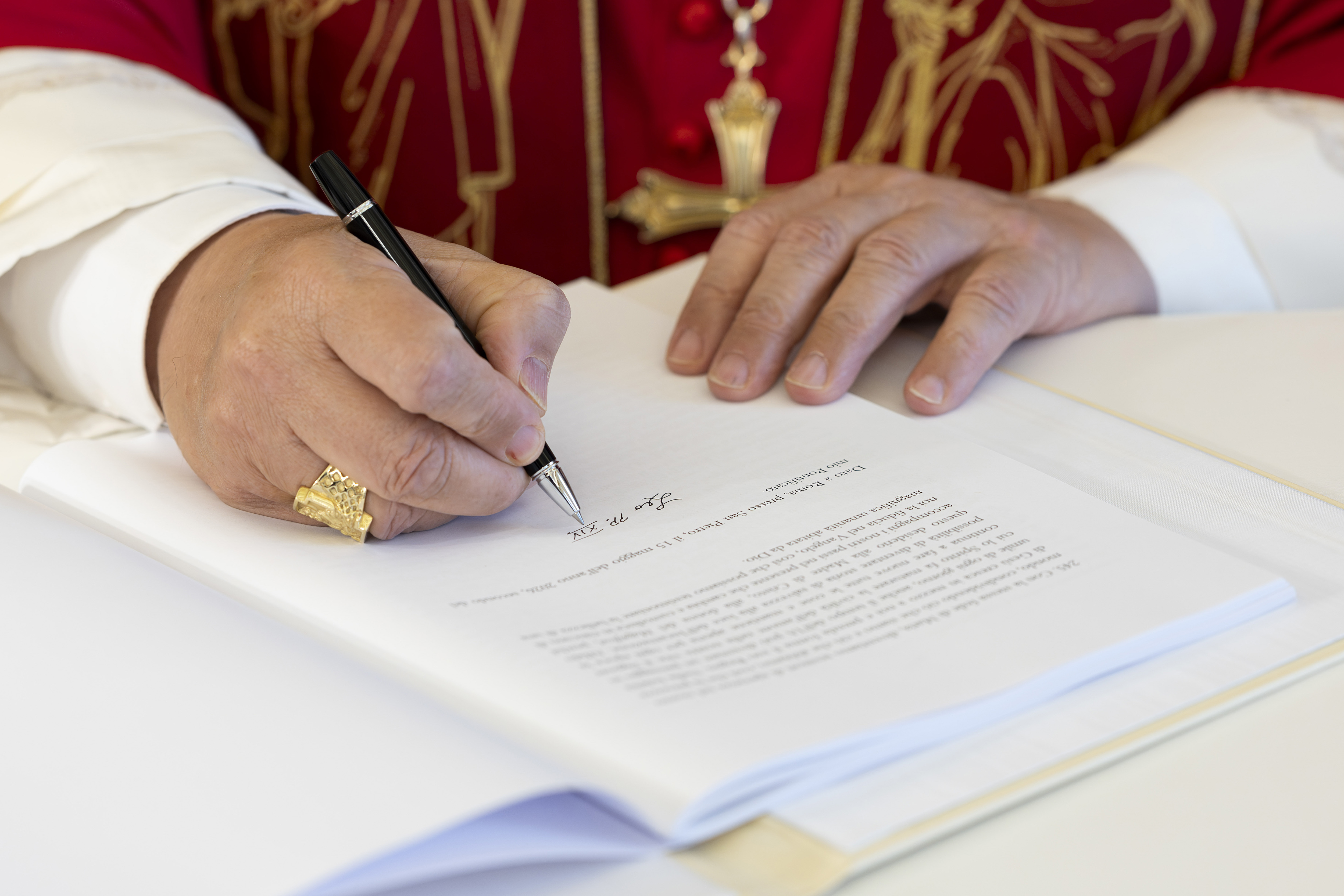
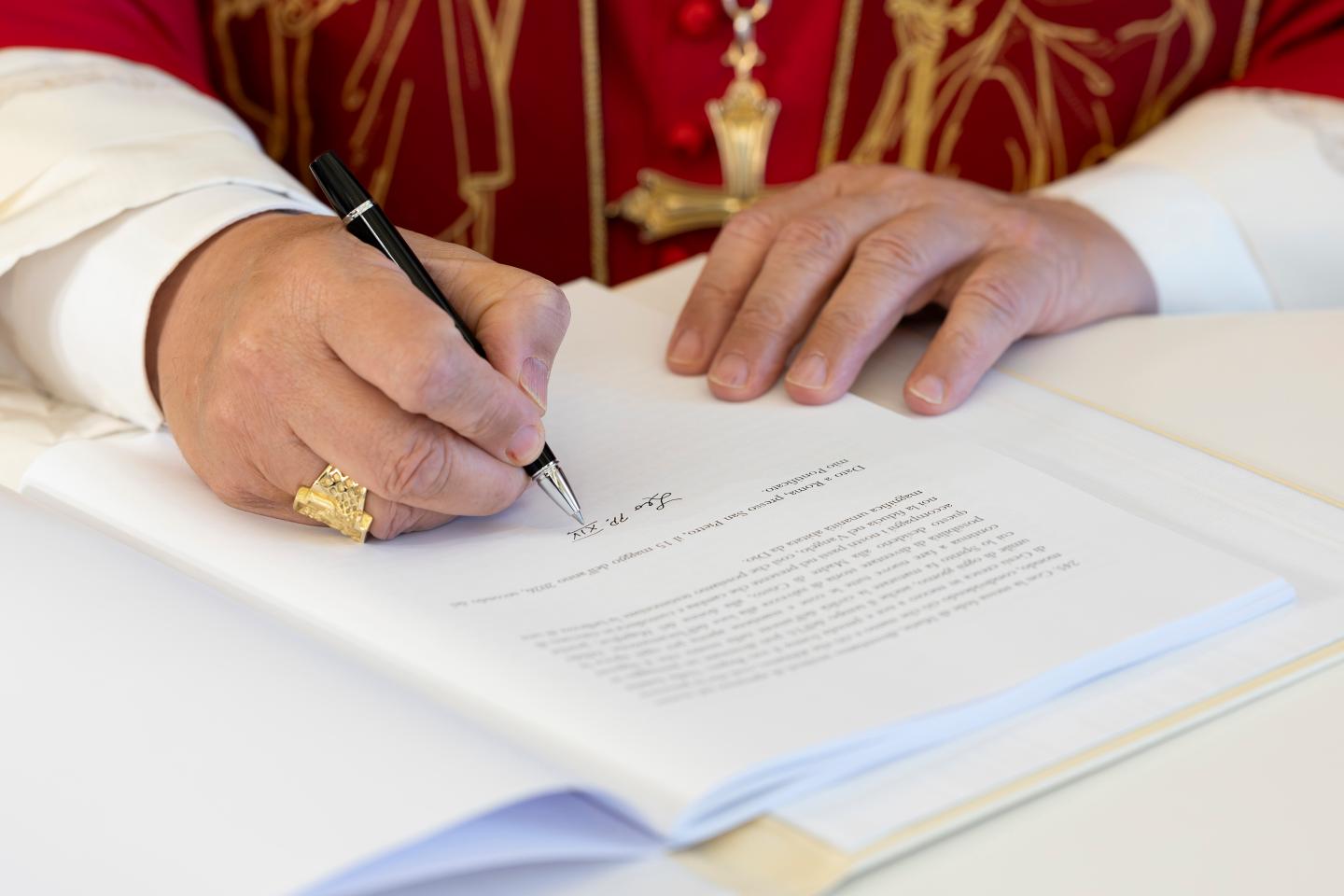
Just when you thought everyone had offered their opinion about artificial intelligence, here comes the pontiff.
On Monday, Pope Leo XIV published an encyclical about AI, dubbed “Magnifica humanitas,” that’s got believers and non-believers alike talking. (An “encyclical,” you ask? Think of it as a papal memo.)
The document, published in eight languages, aims to be a moral guide for the Intelligence Age. Over its 42,300 words, the Pope calls for government regulation of private AI companies; protection of workers whose jobs are threatened by AI; education for students to think critically about the technology; protection of children from AI-generated violent, sexual, or disinformation content; and safeguards to ensure that humans retain responsibility for use of AI weapons.
“Humanity, created by God in all its grandeur, is today facing a pivotal choice: Either to construct a new Tower of Babel or to build the city in which God and humanity dwell together,” wrote the Apple Watch-wearing Pope.
According to a Politico report, executives from Amazon, Google, and Meta met with Vatican officials for an hour-long “lobbying push” on April 29. Meanwhile Anthropic co-founder Chris Olah was invited to speak at the presentation of the encyclical in Vatican City.
The influence of the document is expected to be far-reaching, informing digital policy discussions in nations around the world—even in the U.S., whose Trump administration has been openly critical of God’s divine representative on Earth.
Said Vice President J.D. Vance, a converted Catholic, last week: “I think it's going to be a very, very important document.” —AN
Samsung union asks court to block broader pay deal vote
To the victor of the AI boom goes the spoils, yes—but which victor?
A labor union representing consumer electronics workers at Samsung has asked a South Korean court to block a vote on a broader pay deal for unionized Samsung workers.
The reason? Because the consumer electronics union believes chip workers will benefit too much from it.
The government-mediated agreement reached last week—which avoided an 18-day strike by some 48,000 workers—gives big bonuses to workers in Samsung’s memory chip business. (Where, reminder, business is good: AI is booming and there’s a global shortage of the stuff.)
But the 13,000 unionized workers in Samsung’s consumer divisions—smartphones, TVs, home appliances, etc—felt they had to take legal action after they were cut out of the vote, which is led by the national umbrella union and runs to Wednesday.
They’re not the only ones. Another union of about 20,000 workers, representing both chip and non-chip work, is also upset with the terms of the deal and plans to boycott the vote. (There are five active trade unions for Samsung Electronics workers.)
A lot of money is at stake. Some of the memory chip workers will receive more than $400,000 bonuses under the terms of the existing agreement. Bonuses for foundry and logic chip design workers will be “smaller but still substantial,” according to Reuters; those for consumer electronics workers will be smaller still. —AN
EU may fine Google ‘in the high hundreds of millions of euros’
The European Union is reportedly planning to fine Google a record amount as part of an antitrust investigation into Google allegedly favoring its own services in search results.
Germany’s Handelsblatt newspaper reported Monday that “proceedings” against the Alphabet-owned company are “nearing completion.” The final decision “rests with Commission President Ursula von der Leyen,” it added.
Regulators found last year that Google displayed first-party services such as Google Shopping more prominently in search results than competing third-party websites. They also found that the design of some sections, such as for sports scores, also tipped the scales in its favor.
The fine would be the highest the EU has ever imposed for a violation of the Digital Markets Act, or DMA—though the commission is more interested in compliance than penalties, spokesperson Thomas Regnier told Reuters.
It’s expected to be announced before summer recess for the EU, which begins in late July.
In its own statement, the purveyor of the world’s most popular search engine didn’t mince words, calling DMA-regulated changes “the biggest downgrade in the product’s history.” —AN
More tech
—Wix will reportedly cut 1,000 workers after weak financials and a sinking stock price.
—Massachusetts recognizes the App Drivers Union, the first state-certified rideshare union in the U.S.
—X cracks down on popular accounts that are “programmatically reuploading content from smaller accounts.”
—Iran may lift its Internet blackout, now at 87 days and counting.
—FTC settles with Cox, MindSift, 1010 Digital Works for $930,000 over falsely claiming to offer an ad-targeting service based on conversations overheard by consumers’ smart devices.
—Tech CEOs’ hottest new tool: AI “digital twins” to manage tasks.
—The U.K. is investing in “neuromorphic computing,” in which systems are built like biological brains, in a bid to frogleap the U.S. and China in cutting-edge computing.