The S&P 500 is only down 3% so far this year and 5% off its all-time high, still far from reaching bear market territory or even a correction, suggesting investors aren’t panicking yet about the U.S.-Israel war on Iran. But that could change soon.
To be sure, oil prices have soared more than 40% since the war began two weeks ago and are up nearly 70% year to date. But they remain below the peak seen after Russia invaded Ukraine in 2022, despite one-fifth of the world’s oil supplies being bottled up by Iran’s de facto blockade of the Strait of Hormuz.
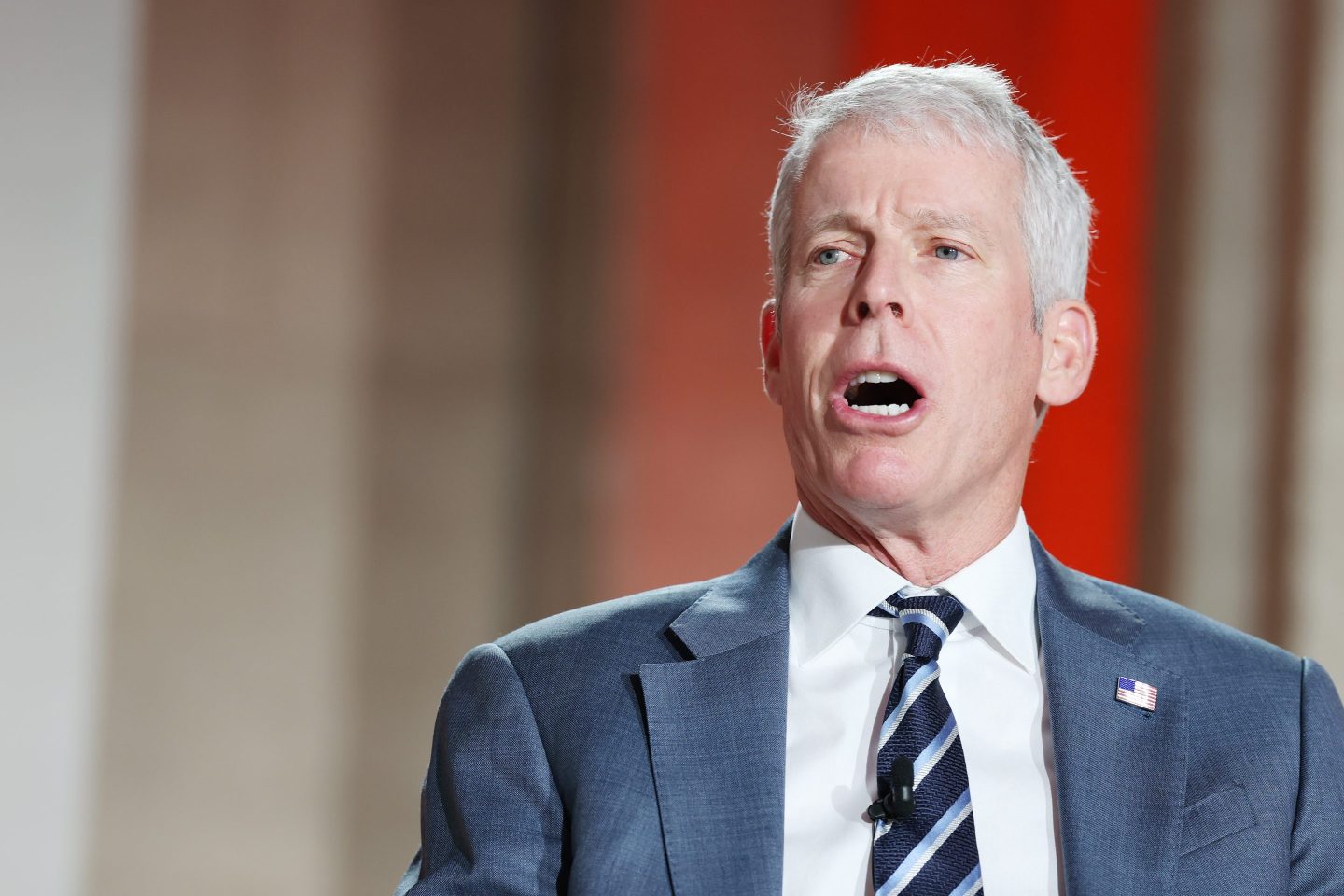
“The end is not in sight,” Dan Alamariu, chief geopolitical strategist at Alpine Macro, said in a note Thursday. “The Strait of Hormuz is effectively closed, and markets are starting to price in a prolonged, uncertain endgame.”
On Saturday, Reuters reported that U.S. and Iranian officials have rejected efforts by other Mideast countries to get both sides to start ceasefire negotiations. President Donald Trump then told NBC News that he’s not willing yet to make an agreement.
“Iran wants to make a deal, and I don’t want to make it because the terms aren’t good enough yet,” he said, adding that any terms will have to be “very solid.” Trump declined to say what those terms would be
Despite a punishing bombardment that’s decimated Iran’s military and wiped out top leadership, the regime is still able to threaten ships in the Persian Gulf and keep oil prices high. At the same time, Tehran has no appetite yet to reach a deal that ends the conflict, as it seeks to deter any future attacks by inflicting as much economic pain as possible right now, Alamariu pointed out.
But he sees the war ending within two months because Iran also faces threats to its economy and internal political control as airstrikes hit levers of repression like the Islamic Revolutionary Guard Corps and Basij militia. In fact, there are rumors of power struggles within the regime, especially after Mojtaba Khamenei’s selection as the new supreme leader, Alamariu added.
“As such, even the Tehran regime has an incentive to eventually end the war, as a lengthy conflict risks fractures and its own self-preservation,” he wrote.
Trump is grappling with his own constraints, such as high oil prices and low political support for the war with midterm elections coming later this year.
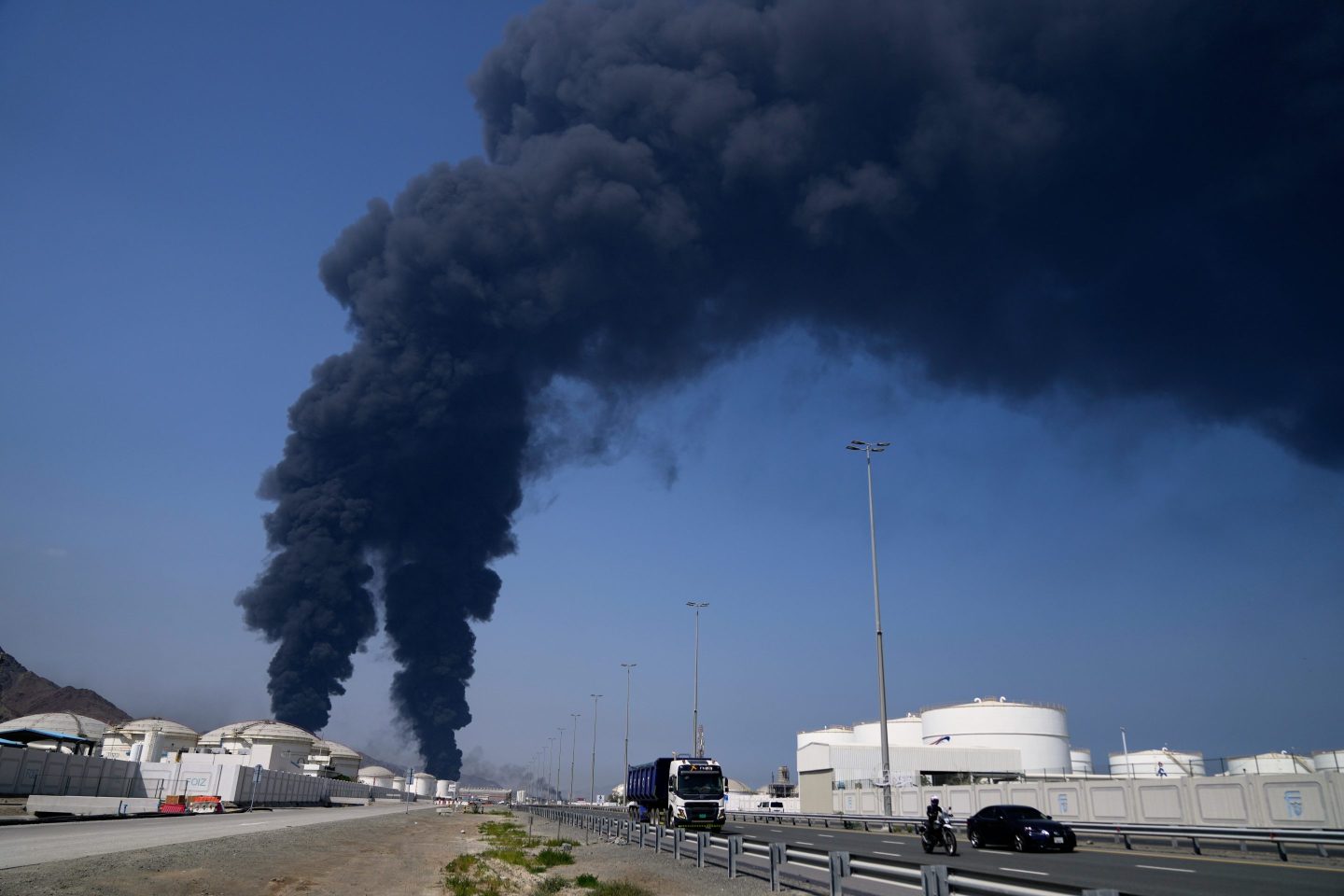
But in the meantime, both sides are poised for further escalation. On Friday, the U.S. attacked military sites on Kharg Island, Iran’s top terminal for oil exports, and is sending 2,500 Marines to the Mideast. Iran is increasingly targeting more civilian infrastructure among Gulf neighbors and threatened the region’s biggest port on Saturday.
Alamariu noted that it’s likely Iran’s Houthi allies in Yemen will try to close the Red Sea to commercial shipping, heaping additional economic pain on top of the closure of the Strait of Hormuz.
“A simultaneous two-strait disruption would compound the shock, impacting the additional ~5 mb/d oil flows that normally transit the Bab el-Mandeb and impairing a main Europe-Asia trade route,” he warned. “This could stoke inflation further, especially in Europe.”
Meanwhile, the U.S. is unlikely to launch a full-scale ground invasion of Iran, but seizing Kharg Island could cut off the regime’s revenue lifeline and force a deal without occupying the mainland, or so the thinking goes.
However, even if Marines landed on Kharg, they would face the risk of attacks from Iranian missiles and drones, which have struck U.S. military bases around the Mideast despite sophisticated air-defense systems.
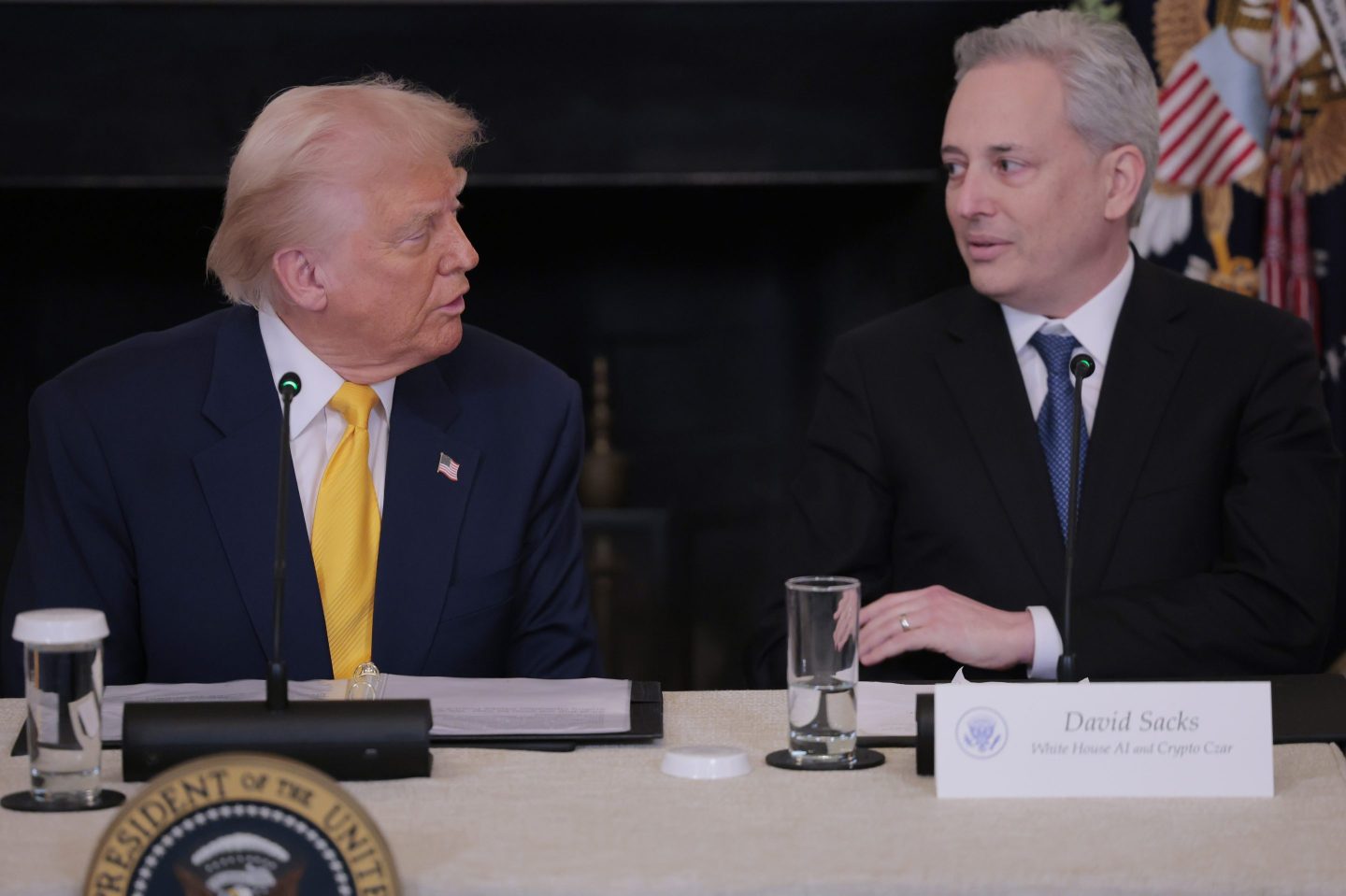
Then there’s the more dire escalation option of attacking desalination plants that produce most of the Gulf’s fresh water. David Sacks, who is President Donald Trump’s AI and crypto czar, flagged this possibility and warned it could render the Gulf almost uninhabitable.
Alamariu acknowledged there’s a growing chance that the war lasts longer than his two-month outlook, and the Strait of Hormuz would likely remain closed for the duration. That means Brent crude prices will stay above $100 a barrel and possibly even top $150. And yet, the market hasn’t reached maximum panic yet.
“Peak war panic is more likely to hit in the next 1 to 3 weeks,” he predicted. “The longer the conflict lasts, the more investors price in economic damage.”
Using oil prices as a gauge for market panics, crude has historically peaked four to eight weeks into similar conflicts, according to Alamariu. The Iran war has now entered its third week.
A panic could take the form of a global risk-off event, such as a major stock market plunge, triggered by Houthi intervention, Gulf producers declaring force majeure, or further U.S. escalation.
And if the Strait of Hormuz stays closed, spillover effects will hit agricultural commodities and semiconductors as key inputs like fertilizer and helium run short, he said.
“If we are wrong and the war drags past two months, the playbook shifts from trading volatility to hedging for structural economic damage,” Alamariu added.
The International Energy Agency declared that the Iran war has caused the worst oil disruption in history. And while member nations have agreed to release 400 million barrels in strategic reserves, the daily flow from those stockpiles will be far short of offsetting the daily flow that’s been cut off.
Energy research firm Wood Mackenzie also warned on Tuesday that with 15 million barrels per day of Gulf supply suddenly gone, oil prices would need to hit $150 a barrel for demand destruction to kick in and rebalance the market.
In inflation-adjusted prices, oil actually hit $150 after Russia invaded Ukraine, but Wood Mackenzie Chairman and Chief Analyst Simon Flowers said the current situation could be worse.
“Supply volumes at risk this time are dimensionally bigger—and real,” he said. “In our view, US$200/bbl is not outside the realms of possibility in 2026.”