
For years Big Oil producers chased U.S. shale profits with big spending hikes while seeking something even more elusive than the next big gusher: steady, sustained profitability. Now Chevron, long the industry’s No. 2 player, believes it hit upon a formula for just that.
Leaning on West Texas’ booming Permian Basin, Chevron says its combination of sheer scale and technology allows it to hop off the spending treadmill and finally pump the shale business for healthy profitability without the constant cry for “Drill, baby, drill.” While Exxon Mobil may remain larger, Chevron is aiming for No. 1 in the leery eyes of a Wall Street that previously soured on the oil sector.
The closing of its $53 billion megadeal to acquire Hess in July allows Chevron to focus internationally on new growth, especially its acquired position offshore Guyana—arguably the largest oil discovery of the century—while using the U.S. and its massive footprint in the Permian to reap the needed influx of free cash flow.
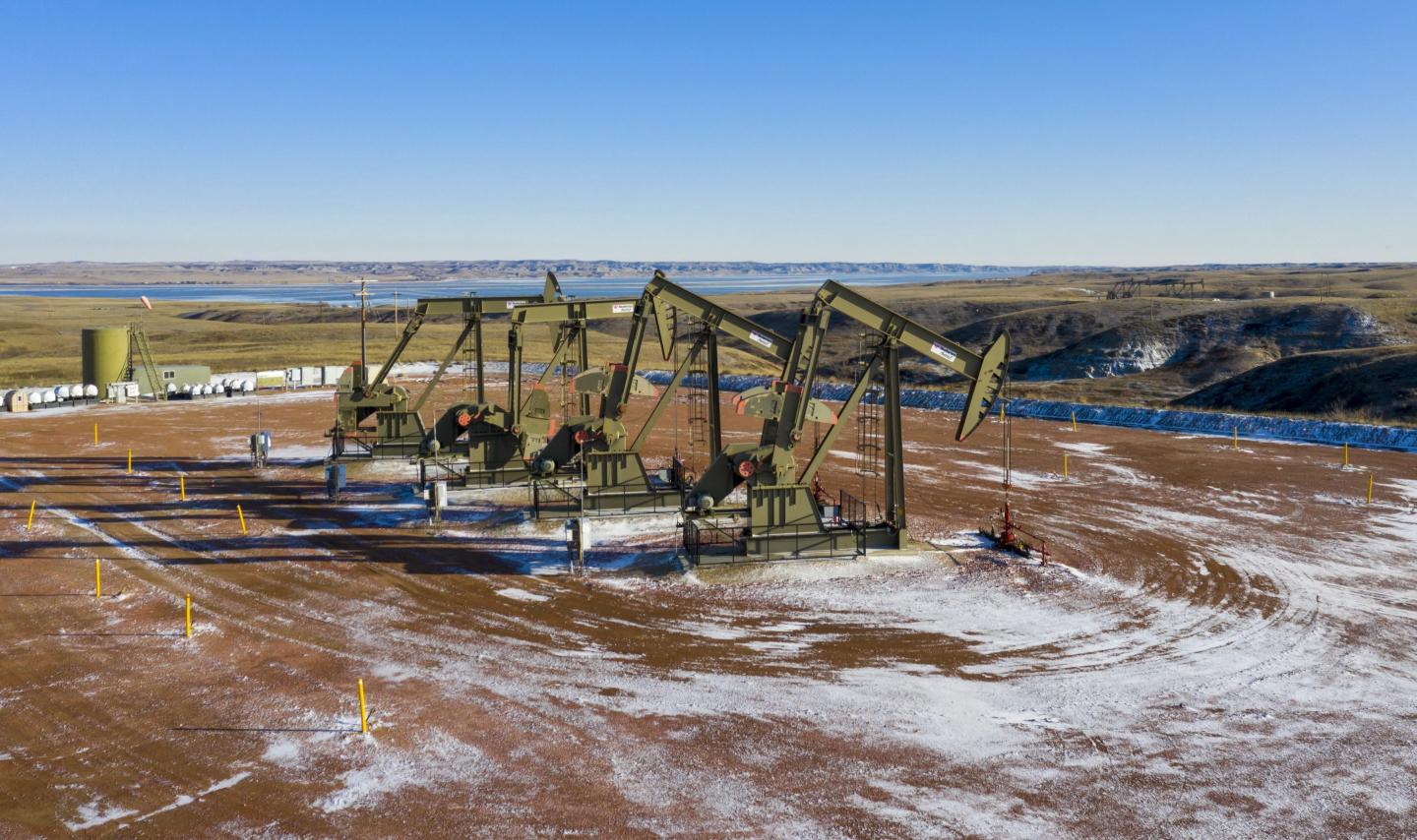
The Hess deal also includes a massive footprint in North Dakota’s Bakken Shale oil play, adding to Chevron’s heavy reliance on oil and gas production in onshore U.S. shale—revolutionized 20 years ago through enhanced horizontal drilling and hydraulic fracturing (fracking) techniques.
After growing the U.S. onshore shale position to 40% of its global oil and gas production portfolio—nearly 50% including the Gulf of Mexico—through big capital spends and a five-year buying spree, Chevron now aims to plateau its U.S. output and turn it into a cash machine for churning out dividend hikes, said Bruce Niemeyer, Chevron’s new president of shale and tight, meaning he oversees onshore American oil and gas.
“There’s been a period of time in shale and tight in this industry where a lot of the attention was on growth—as much growth that you could have,” Niemeyer told Fortune. “The pivot for us is from growth, which is where the attention was for the last few years, to one of cash flow generation. We are adjusting activity to manage it on a plateau and focus on becoming extremely efficient in what we do.
“Given the portfolio we have, we’ll be able to do that out to the end of the next decade,” he added.
Industry analysts are largely praising the “pivot.”
“That’s what we’ve been looking for a decade from some of these companies,” said RBC Capital energy analyst Biraj Borkhataria, noting that Chevron can cut shale spending by about $1.5 billion annually and keep production volumes relatively even.
Another element is a global Big Oil giant not wanting to place too much of its reliance on any one country, even if it’s the U.S. “Chevron has been very clear about shale production as a percentage of the portfolio, and wanting to put some kind of limit on that,” Borkhataria told Fortune.
Permian powerhouse
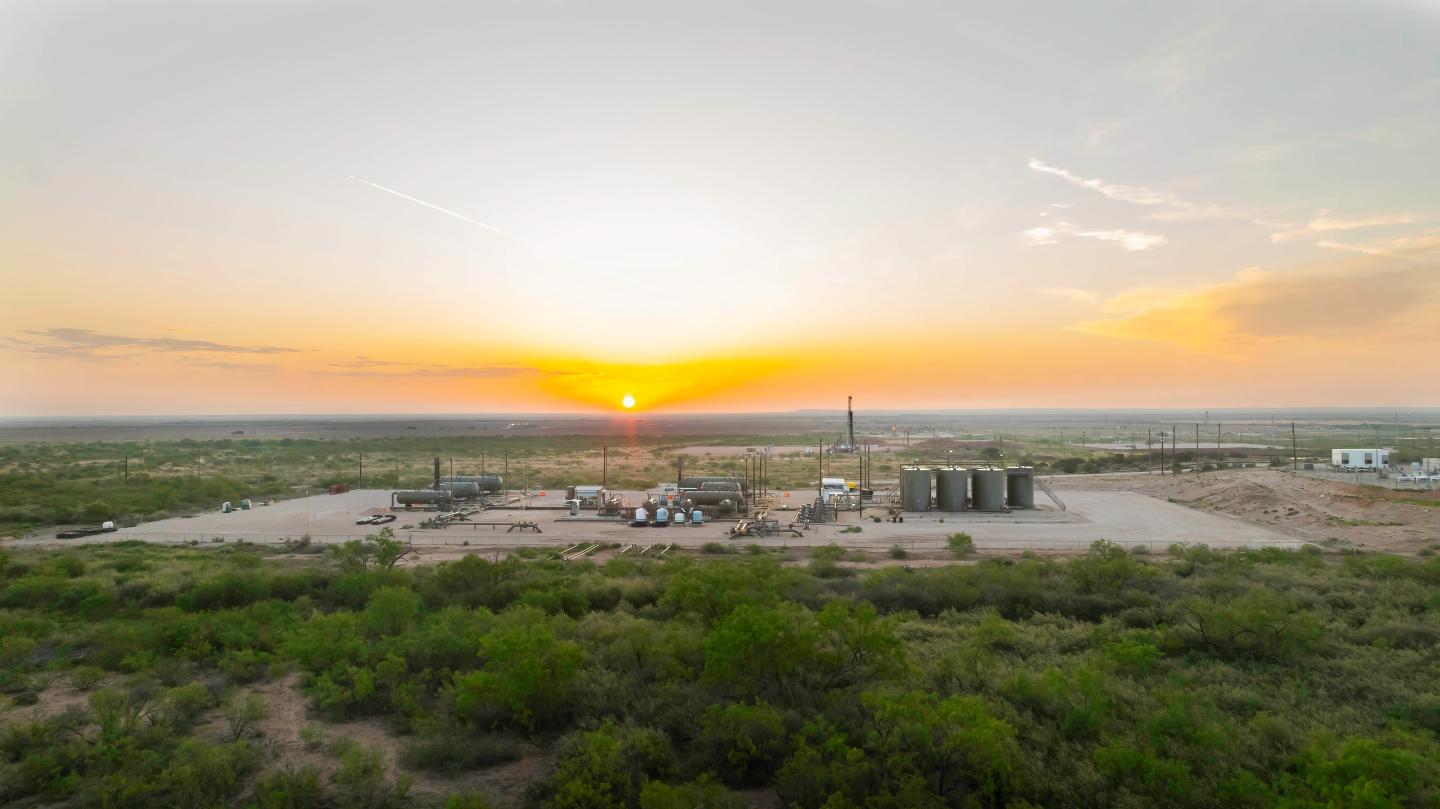
The Permian Basin dominates the U.S. oil industry, producing almost half of the nation’s roughly 13.4 million barrels of crude oil daily.
And Chevron is no exception, having just hit its milestone goal in the Permian of 1 million barrels of oil equivalent daily, including natural gas. That makes Chevron the region’s second-largest net producer after rival Exxon.
The so-called treadmill effect in the Permian is based on the thesis that shale wells are drilled quickly for big initial influxes of oil that start to deplete relatively rapidly, so the constant spending and drilling must continue to keep volumes up.
Chevron largely solved that conundrum with the combination of scale, increased efficiencies, and its new slowdown, allowing for more oil and gas to be churned out with fewer drilling rigs and fracking crews—drilling ever-longer subsurface wells and more wells per location with each rig, while fracking three wells simultaneously, Niemeyer said.
Just this year, Chevron shrunk its Permian activity from 13 active drilling rigs to nine with more declines expected, he said.
Chevron’s unique legacy Permian position dates to the 19th century when the Texas Pacific Railway tried and failed to build a railroad from Texas to California. It transformed into the Texas Pacific Land Trust to manage the railroad’s roughly 3.5 million Texas acres.
The oil boom struck West Texas in the 1920s and Texas Pacific spun off an oil company that was eventually acquired by Texaco in 1962. Chevron bought Texas in 2001 for $36 billion at a time when the Permian position was considered a depleted afterthought before the shale revolution unlocked reservoirs previously considered uneconomic.
“There was a time in our company’s history where there wasn’t a lot of attention to it because the Permian had peaked and was on this long and slow decline,” Niemeyer said. “But we made a deliberate decision to hold it. We have a history of big fields getting bigger.”
What’s unusual about Chevron’s Permian position because of the legacy history is Chevron only operates a small majority of its footprint. Instead, the rest is owned through longstanding minerals rights and joint venture partnerships, meaning that some Permian revenues come in without any capital spending.
“The terms of it are unlike anything that you could find on the market today, which makes the portfolio that we have extremely unique in that regard,” Niemeyer said. “It might be hard to reassemble that at any price today under the terms that we have it. It’s a tremendous advantage.”
That equates to Chevron owning a partial stake in one of every five Permian wells, he said.
To compare apples and oranges, Exxon owns and controls the vast majority of its industry-leading Permian position, and is operating a whopping 35 drilling rigs there. Exxon became by far the top Permian player last year when it bought Pioneer Natural Resources for $60 billion. So, Exxon is going to keep growing and not think about plateauing—arguing it generates big profits because of its huge footprint to drill ever-longer, more efficient wells.
“I think Chevron is managing the Permian resource probably the way that they believe they could generate the highest returns from those assets,” said TD Cowen energy analyst Jason Gabelman. “Exxon just did this acquisition and a lot of what they acquired was not developed, so it makes sense that they’re growing while Chevron is kind of stabilizing.”
And stabilizing makes sense when oil prices are weaker now and more global oil supplies aren’t needed, Borkhataria said.
“One of them is very clearly responding to what they think the market dynamics are, which is Chevron,” he said. “Does the market need me to grow significantly 10% to 15% a year? Probably not. Therefore, why do it?”
What’s next?
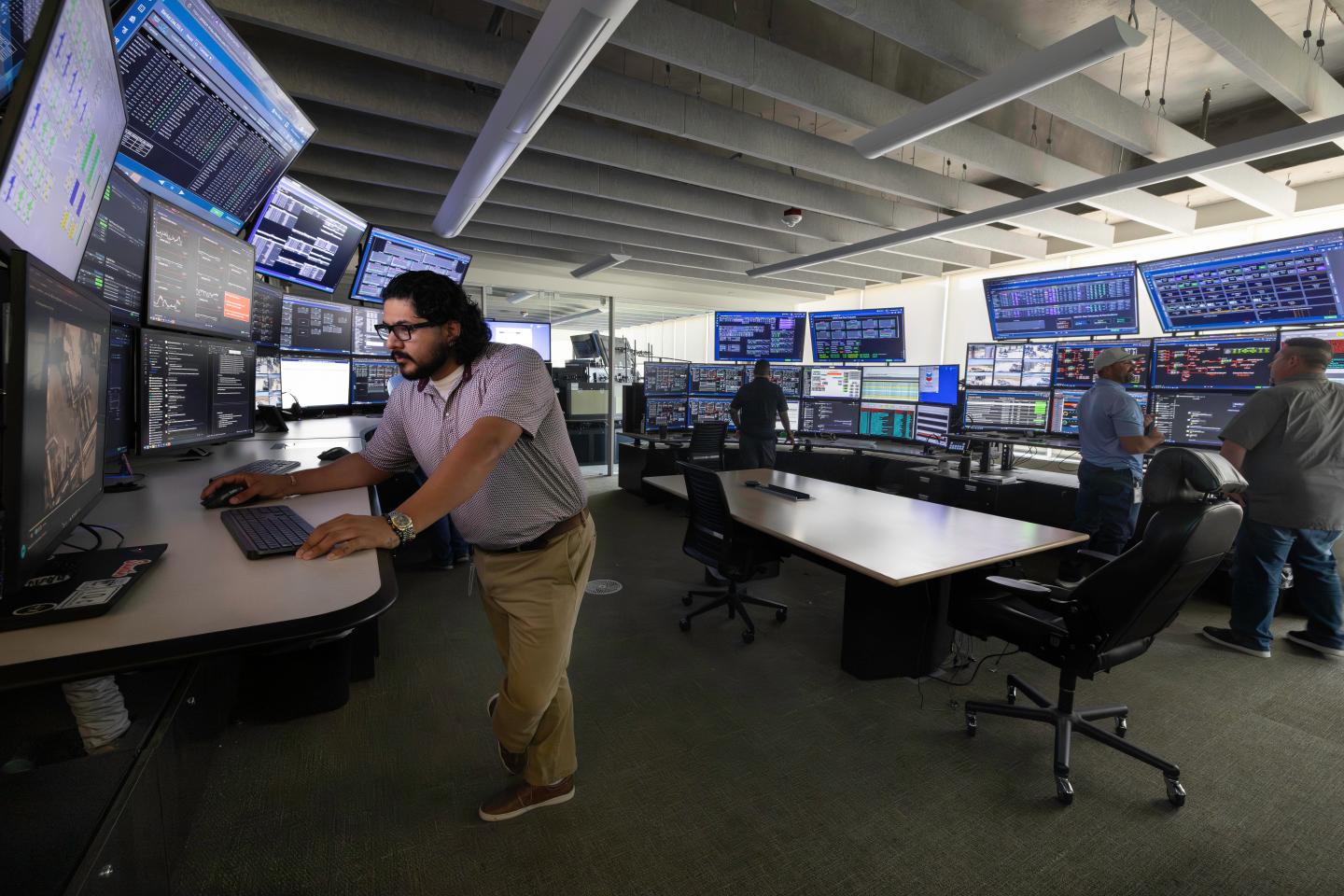
Chevron and Exxon are continuing embracing technology and the AI boom to become more cost efficient, leaning more towards computing power and brains than brawn.
“Up to this point in shale and tight, there’s been a lot of brute force,” Niemeyer said, as companies relied on drilling ever-longer wells and fracking ever-more-intensely. “Where we’re headed next is we’re going to get more out of the wells, but it’s going to require a different kind of insight and the ability to connect things together, and AI is going to be a big part of that.”
Outside of the Permian, Chevron and Exxon plan to focus much of their growth through oil offshore Guyana, which Exxon discovered a decade ago, now that Chevron bought into the partnership via Hess—much to Exxon’s chagrin and, after legal arbitration, eventual acceptance.
For Chevron, it also must decide where to divest and where else to grow. Some of those decisions could come at its investor day in November.
Late last year, Chevron sold its Canadian oil and gas assets in Alberta for $6.5 billion, representing roughly half of the goal to divest $10 billion to $15 billion by 2028.
While Chevron is counting the Bakken as an important new piece gained, analysts question whether Chevron might be better off selling there. It’s more mature and may struggle to compete with the Permian. Chevron also holds a 30% stake in the publicly traded Hess Midstream pipeline business in the Bakken.
Chevron can either acquire the rest of Hess Midstream to increase Bakken profitability, hold steady, or sell it.
“We’ll have to see where the Bakken goes. The asset that had everybody’s attention was Guyana, and that’s clearly a world-class asset, and we’ll have to see how things proceed in the Bakken,” Niemeyer said. “We’re really excited about the opportunity to be there and connect it with our other assets in the shale and tight business.”
Otherwise, Chevron must look to grow organically through ramped-up international exploration in Africa, South America, the Eastern Mediterranean, or potentially elsewhere, analysts said. The Permian’s success had allowed Chevron to cut back on global exploration spending in recent years, part of a broader industry trend.
“I think what we’ll see is a sort of return to exploration, which is a little less American and taking a bit of risk in different regions globally,” Borkhataria said.