• Home
  • Latest
  • Fortune 500
  • Finance
  • Tech
  • Leadership
  • Lifestyle
  • Rankings
  • Multimedia

Trendingnow

1

Gen Z fled San Francisco for Texas and Florida. Now they’re turning ‘welcomer cities’ into the next big tech towns

2

Melinda French Gates' advice to new IPO millionaires: 'Give half your money away'

3

Anthropic disables Fable and Mythos AI models after U.S. government bars it from giving foreigners access

1

Gen Z fled San Francisco for Texas and Florida. Now they’re turning ‘welcomer cities’ into the next big tech towns

2

Melinda French Gates' advice to new IPO millionaires: 'Give half your money away'

3

Anthropic disables Fable and Mythos AI models after U.S. government bars it from giving foreigners access
Techfraud

‘This is the mafia’ — How North Korea structures its IT workers like an organized crime syndicate

Amanda Gerut
By
Amanda Gerut
Amanda Gerut
News Editor, West Coast
Down Arrow Button Icon
Amanda Gerut
By
Amanda Gerut
Amanda Gerut
News Editor, West Coast
Down Arrow Button Icon
May 18, 2025, 9:11 AM ET
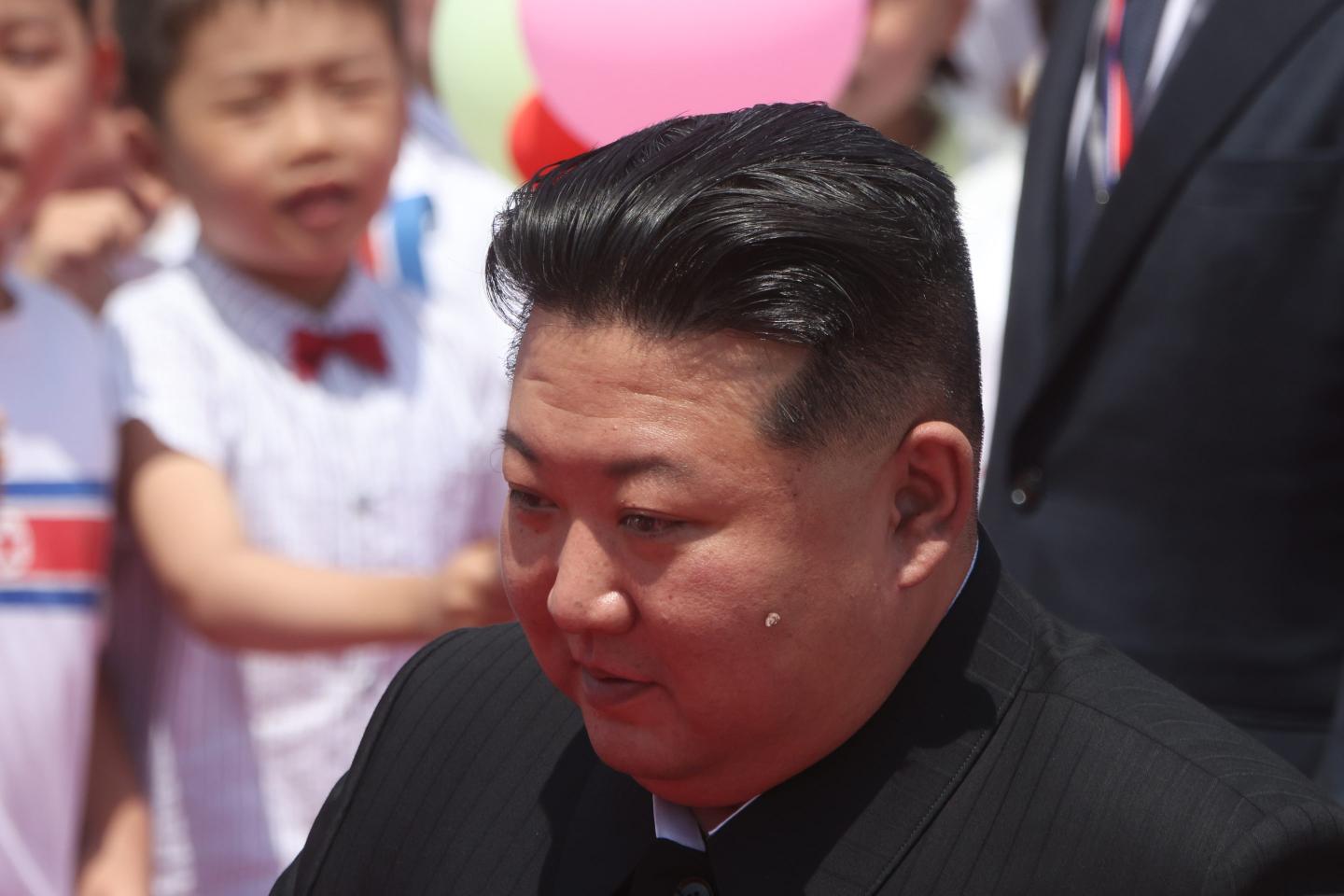
North Korean Supreme Leader Kim Jong Un greeting children in 2024.
North Korean Supreme Leader Kim Jong Un in 2024 greeting children. Photo by Contributor/Getty Images
  • A detailed report on North Korea’s cyber-crime operations has revealed the inner workings and structure behind Kim Jong Un’s plan to evolve a highly lucrative scheme in which trained tech workers infiltrate American and European businesses. The North Korean IT workers send nearly their entire salaries home to fund the regime’s nuclear weapons program, using AI as a key tool. Meanwhile, North Korea has pitted its IT workers against each other to spur competition and rake in more money. 

The crime syndicate La Cosa Nostra in the U.S. is built around “Five Families” that famously war with each other for money and power. North Korea’s prosperous cyber-crime operations are similar, except there is only one family and it belongs to authoritarian leader Kim Jong Un.

Recommended Video

“Stop looking at North Korea’s cyber program as a government program like the other major state programs and liken them to a single-family mafia organization and the lines begin to unblur,” states a new report from cybersecurity firm DTEX.

The report delves into the organization and structure of the Democratic People’s Republic of Korea (DPRK) and its extensive—and flourishing—pipeline of trained operatives who have infiltrated Fortune 500 companies with its IT workers scheme. This year, North Korea advanced the strategy to a new stage, recruiting 90 top graduates for an AI research center and demanding double their monthly earnings from each worker—even as teams worked feverishly to launder $1.5 billion stolen in a hack of cryptocurrency exchange Bybit after the start of the year.

For context, the DPRK’s crime syndicate involves a vast global scheme in which trained technologists from North Korea have been deployed by the thousands. The workers have impersonated or stolen American identities to illegally obtain remote jobs in IT. They send their salaries back home to North Korea to fund Kim’s nuclear weapons and ballistic missile ambitions. 

The IT workers are only one prong in the regime’s cyber cartel; they share intelligence with malicious North Korean Advanced Persistent Threat (APT) actors who operate under the Korean People’s Army. According to UN estimates, the IT workers reliably generate $250 million to $600 million per year, while the APTs have stolen at least $3 billion in crypto.  

“This is the mafia,” Michael “Barni” Barnhart, an investigator who leads DTEX’s DPRK efforts, told Fortune.

The economic structure ensures the money travels up the chain, spans multiple criminal enterprises, and is based on tight-knit but competitive internal relationships. Like in The Sopranos, titular mob boss Tony Soprano calls the shots, while capos like Christopher Moltisanti deliver whatever he needs, he said.  

“The profits—from ransomware, cryptocurrency theft, financial fraud, and insider infiltration— flow upward to fund weapons development and sanctions evasion,” states the report, written by Barnhart. (He is the author, but notes that he sourced his intelligence from an extensive global alliance of investigators.)

‘Bro Network’

According to the report, many of the IT workers and APT actors know each other. As part of the scheme, children who show promise in math and science in elementary school are plucked from an early age to get training as a military cyber operative or an IT worker. They attend elite schools like the Kim Sung Il Military University and the Kumsong Academy together and learn advanced computer science in a constantly replenished talent pipeline. 

Cyber investigators call it a “bro network,” and have found chats between workers who lean on old school friends to find out how to make more money, explained Barhart. An image of two verified IT workers published by DTEX shows happy-looking young guys with nice watches and Nike-branded gear hanging out. Many of the operatives who ran successful heists a decade ago are now in managerial positions or serving as advisors and professors for the new generation of IT workers, said Barnhart.  

However, the photos don’t show a particularly brutal twist in the scheme: the various four- or five-man delegations of workers are encouraged to compete against each other.

Barnhart described it as a “dog eat dog world where the only real winners are Kim Jong Un’s family and the North Korean elites.” While much of the revenue that’s generated funds operations and weapons, some goes to purchasing luxury goods for Kim and his family, said Barnhart.

In 2025, North Korea doubled the monthly financial quota for workers in China, the report revealed, and Barnhart said all workers—IT and otherwise—faced the same punishing new requirement to keep foreign money pouring into the regime. The workers face grueling, 16-hour days up to six days a week, with hardly any breaks. Thus, the friendly “bro network” operates on a case-by-case basis, noted Barnhart. 

Outperforming to Survive

The competition is exacerbated by the need to bring in more cash and crypto. On average, workers get to keep less than 20% of their earnings and they have to fund operations, equipment, and servers with their own money. In one documented example in the report, a worker earned $5,000 in a month and was allowed to keep $200. 

“These quotas also foster a culture of competition within teams, with workers seeking to gain advantages over their colleagues to receive favors and be allowed to send more money back to their families,” Barnhart wrote. “They’re also encouraged to report each other for ‘unpatriotic’ behavior.” 

That’s one of the reasons small U.S. tech founders have asked job applicants to make a negative comment about Kim’s intellect or his weight before progressing to a formal interview. The IT workers wouldn’t risk being caught insulting the authoritarian leader—and it would be unheard of to do so. 

Barhnart said it’s very much “every man out there is for himself” and the workers are beaten if they don’t make enough money. 

“It is a rough life,” he said. “If they can’t make their quotas, we see them at times mention (beatings).”

Another picture DTEX published showed IT workers in a cramped space working on doctored IDs and WhatsApp chats with a mounted camera on the wall for government monitoring. Barnhart said the competition for work on freelance-job platforms where the IT workers find new opportunities is intense. He estimated that it takes roughly three hours to get a North Korean IT worker to apply for a job posting if it’s related to crypto and software development.  

Some of the workers have even resorted to reporting each other on the freelance platforms, with one IT worker calling another a “scammer” in a reply to a post from an IT worker seeking a job. The report states that the pressures on workers to generate revenues has given rise to side hustles, which are allowed as long as they continue to increase their earnings. 

Much like the mafia, financial gain, fear, violence, and identity are drivers of the IT worker scheme, but Barnhart wrote that what sets the DPRK apart is the “survival-based incentive structure at the heart of its engine.”

“Cyber operatives are not motivated by ideology, but by material necessities: food, shelter, healthcare, and education for their families,” he wrote. “Loyalty is not the core driver. Survival is.”

Read more about North Korea’s IT workers scheme:

Chinese companies are secretly powering North Korea’s global IT workers scheme

The North Korean IT worker scheme infiltrated an American election campaign website

A North Korean agent applied for a job at a popular crypto firm: They tripped him up with a simple question about Halloween

Nashville man accused of helping thousands of North Koreans get remote-work jobs in IT

About the Author
Amanda Gerut
By Amanda GerutNews Editor, West Coast

Amanda Gerut is the west coast editor at Fortune, overseeing publicly traded businesses, executive compensation, Securities and Exchange Commission regulations, and investigations.

See full bioRight Arrow Button Icon

Latest in Tech

Finance
Lorem ipsum dolor sit amet, consectetur adipiscing elit, sed do eiusmod tempor incididunt ut labore et dolore magna aliqua. Ut enim ad minim veniam
By Fortune Editors
October 20, 2025
Finance
Lorem ipsum dolor sit amet, consectetur adipiscing elit, sed do eiusmod tempor incididunt ut labore et dolore magna aliqua. Ut enim ad minim veniam
By Fortune Editors
October 20, 2025
Finance
Lorem ipsum dolor sit amet, consectetur adipiscing elit, sed do eiusmod tempor incididunt ut labore et dolore magna aliqua. Ut enim ad minim veniam
By Fortune Editors
October 20, 2025
Finance
Lorem ipsum dolor sit amet, consectetur adipiscing elit, sed do eiusmod tempor incididunt ut labore et dolore magna aliqua. Ut enim ad minim veniam
By Fortune Editors
October 20, 2025
Finance
Lorem ipsum dolor sit amet, consectetur adipiscing elit, sed do eiusmod tempor incididunt ut labore et dolore magna aliqua. Ut enim ad minim veniam
By Fortune Editors
October 20, 2025
Finance
Lorem ipsum dolor sit amet, consectetur adipiscing elit, sed do eiusmod tempor incididunt ut labore et dolore magna aliqua. Ut enim ad minim veniam
By Fortune Editors
October 20, 2025

Most Popular

Finance
Lorem ipsum dolor sit amet, consectetur adipiscing elit, sed do eiusmod tempor incididunt ut labore et dolore magna aliqua. Ut enim ad minim veniam
By Fortune Editors
October 20, 2025
Finance
Lorem ipsum dolor sit amet, consectetur adipiscing elit, sed do eiusmod tempor incididunt ut labore et dolore magna aliqua. Ut enim ad minim veniam
By Fortune Editors
October 20, 2025
Finance
Lorem ipsum dolor sit amet, consectetur adipiscing elit, sed do eiusmod tempor incididunt ut labore et dolore magna aliqua. Ut enim ad minim veniam
By Fortune Editors
October 20, 2025
Finance
Lorem ipsum dolor sit amet, consectetur adipiscing elit, sed do eiusmod tempor incididunt ut labore et dolore magna aliqua. Ut enim ad minim veniam
By Fortune Editors
October 20, 2025
Finance
Lorem ipsum dolor sit amet, consectetur adipiscing elit, sed do eiusmod tempor incididunt ut labore et dolore magna aliqua. Ut enim ad minim veniam
By Fortune Editors
October 20, 2025
Finance
Lorem ipsum dolor sit amet, consectetur adipiscing elit, sed do eiusmod tempor incididunt ut labore et dolore magna aliqua. Ut enim ad minim veniam
By Fortune Editors
October 20, 2025
Fortune Secondary Logo
Rankings
  • 100 Best Companies
  • Fortune 500
  • Global 500
  • Fortune 500 Europe
  • Most Powerful Women
  • World's Most Admired Companies
  • See All Rankings
  • Lists Calendar
Sections
  • Finance
  • Fortune Crypto
  • Features
  • Leadership
  • Health
  • Commentary
  • Success
  • Retail
  • Mpw
  • Tech
  • Lifestyle
  • CEO Initiative
  • Asia
  • Politics
  • Conferences
  • Europe
  • Newsletters
  • Personal Finance
  • Environment
  • Magazine
  • Education
Customer Support
  • Frequently Asked Questions
  • Customer Service Portal
  • Privacy Policy
  • Terms Of Use
  • Single Issues For Purchase
  • International Print
Commercial Services
  • Advertising
  • Fortune Brand Studio
  • Fortune Analytics
  • Fortune Conferences
  • Business Development
  • Group Subscriptions
About Us
  • About Us
  • Press Center
  • Work At Fortune
  • Terms And Conditions
  • Site Map
  • About Us
  • Press Center
  • Work At Fortune
  • Terms And Conditions
  • Site Map
  • Facebook icon
  • Twitter icon
  • LinkedIn icon
  • Instagram icon
  • Pinterest icon

Latest in Tech

SpaceX went from three consecutive rocket explosions and near-bankruptcy in 2008 to the biggest IPO in history
Startups & VentureSpaceX
SpaceX went from three consecutive rocket explosions and near-bankruptcy in 2008 to the biggest IPO in history
By Marco Quiroz-GutierrezJune 14, 2026
4 hours ago
A 1% mistake costs $10 billion: Inside the impossible math of managing Elon Musk’s trillionaire SpaceX wealth
Personal FinanceElon Musk
A 1% mistake costs $10 billion: Inside the impossible math of managing Elon Musk’s trillionaire SpaceX wealth
By Sydney LakeJune 14, 2026
4 hours ago
Whop CEO Steven Schwartz
SuccessMillionaires
The Gen Z cofounder of $1.6 billion Whop says his platform has minted over 650 millionaires—he wants to make work fun and money worries obsolete
By Emma BurleighJune 14, 2026
6 hours ago
nexstar
CommentaryAntitrust
Nexstar CEO: big tech swallowed local newspapers. Local TV could be next
By Perry A. SookJune 14, 2026
7 hours ago
The hottest debate on Wall Street right now: Does the flood of mega-IPOs and new shares signal a downturn ahead? That depends
InvestingIPOs
The hottest debate on Wall Street right now: Does the flood of mega-IPOs and new shares signal a downturn ahead? That depends
By Jason MaJune 13, 2026
16 hours ago
You can ignore AI giants like SpaceX, but your 401(k) won’t
Investingindex funds
You can ignore AI giants like SpaceX, but your 401(k) won’t
By Stan Choe and The Associated PressJune 13, 2026
18 hours ago

Most Popular

Gen Z fled San Francisco for Texas and Florida. Now they’re turning ‘welcomer cities’ into the next big tech towns
Real Estate
Gen Z fled San Francisco for Texas and Florida. Now they’re turning ‘welcomer cities’ into the next big tech towns
By Sydney LakeJune 13, 2026
1 day ago
Melinda French Gates' advice to new IPO millionaires: 'Give half your money away'
Startups & Venture
Melinda French Gates' advice to new IPO millionaires: 'Give half your money away'
By Emma HinchliffeJune 13, 2026
1 day ago
Anthropic disables Fable and Mythos AI models after U.S. government bars it from giving foreigners access
AI
Anthropic disables Fable and Mythos AI models after U.S. government bars it from giving foreigners access
By Jeremy KahnJune 13, 2026
1 day ago
SpaceX CFO Bret Johnsen quietly engineered its historic IPO and became an overnight billionaire
C-Suite
SpaceX CFO Bret Johnsen quietly engineered its historic IPO and became an overnight billionaire
By Sasha RogelbergJune 13, 2026
1 day ago
Trump expects to sign a deal with Iran on Sunday, but Tehran may want to avoid giving him a gift on his birthday
Middle East
Trump expects to sign a deal with Iran on Sunday, but Tehran may want to avoid giving him a gift on his birthday
By Jason MaJune 13, 2026
19 hours ago
'It's not a jailbreak' — Research leading to U.S. export restrictions on top Anthropic models was for defense, cybersecurity CEO says
AI
'It's not a jailbreak' — Research leading to U.S. export restrictions on top Anthropic models was for defense, cybersecurity CEO says
By Jason MaJune 13, 2026
22 hours ago

© 2026 Fortune Media IP Limited. All Rights Reserved. Use of this site constitutes acceptance of our Terms of Use and Privacy Policy | CA Notice at Collection and Privacy Notice | Do Not Sell/Share My Personal Information
FORTUNE is a trademark of Fortune Media IP Limited, registered in the U.S. and other countries. FORTUNE may receive compensation for some links to products and services on this website. Offers may be subject to change without notice.