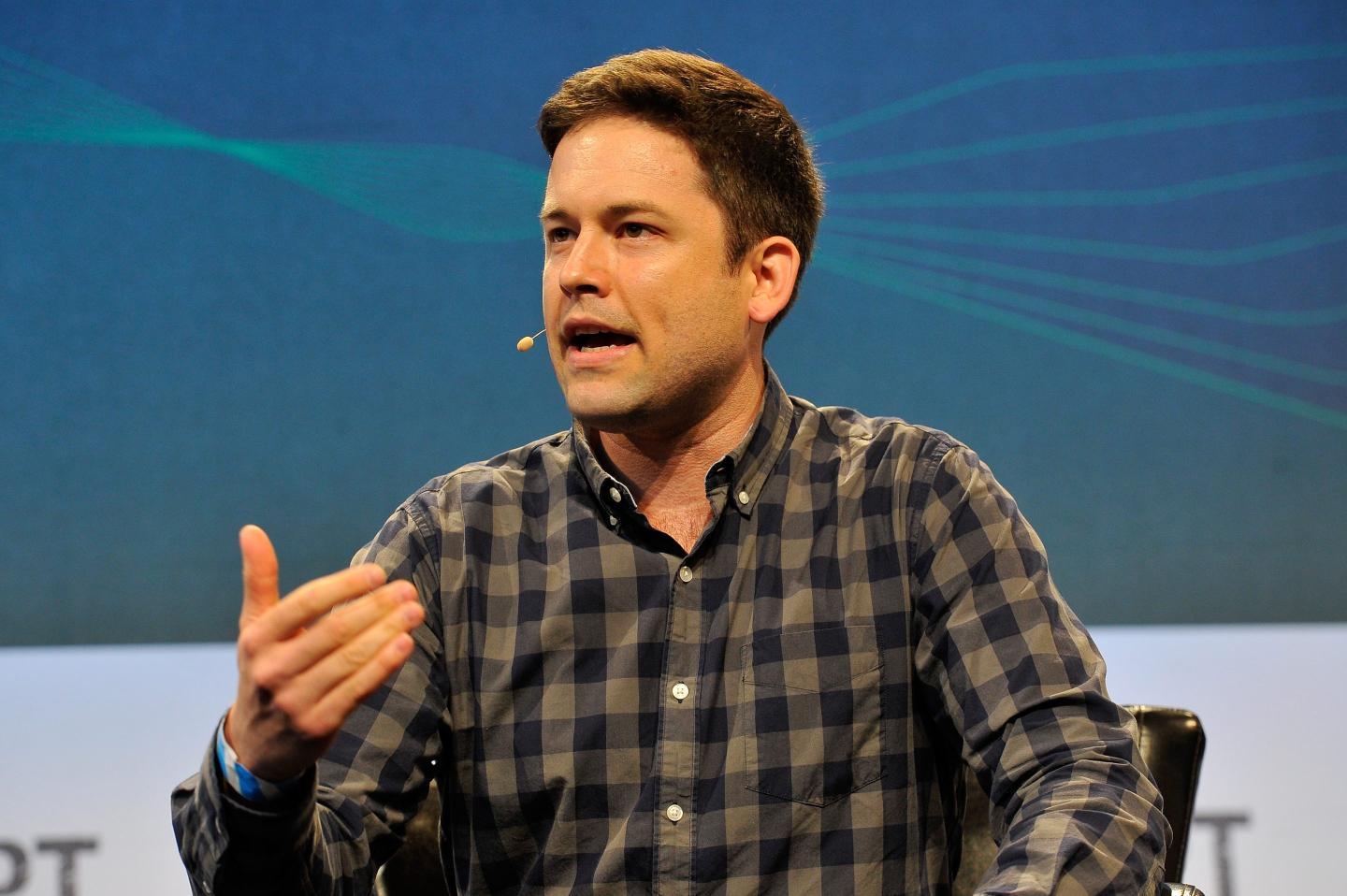
If Keith Gill, the stock-picking influencer known as Roaring Kitty, isn’t the luckiest man in the world right now, then it’s certainly Nathaniel Popper. A former reporter for the New York Times who covered the rise of crypto and retail trading, Popper has a new book out this week, The Trolls of Wall Street, which chronicles the history of the Wall Street Bets movement and meme-stock craze that burned bright during the pandemic—and then seemed to fizzle out.
When Popper and I spoke in late May, it seemed that the once omnipresent stocks popularized by online communities, such as GameStop and AMC, were a distant memory, save for a few enigmatic memes posted on Twitter by Gill, the most prominent GameStop evangelist. Then Gill made his triumphant return as Roaring Kitty on YouTube, posting his first livestream in three years.
With meme stocks back in the headlines, now is the perfect time to read Trolls of Wall Street, which details the complex brew of variables behind the people-powered movement that brought some of the world’s most powerful financial institutions to their knees. But Popper’s book goes much deeper, detailing why the internet’s fascination around trading dovetails with other phenomena defining our current culture, from Donald Trump to sports gambling. And amid the toxic memes, alienation, and abuse of communities like Wall Street Bets, he even finds some optimism in our new economic reality.
The following interview has been edited and condensed for clarity.
Your first book, Digital Gold, is a definitive guide for anyone trying to understand how crypto emerged, along with its promises and failures. Why did you decide on Wall Street Bets as the next subject you wanted to explore in book form?
I realized over time that crypto had become part of something much bigger than just crypto. In America, at least, you had this young generation of mostly men who had really gotten into money and trading. Crypto was often the gateway drug, but often people moved from there into all these interesting directions as they started to understand the financial system and how it worked, and all the different interlocking components. It became the new sort of sport that people were talking about and spending their free time on. And I wanted to understand where that came from and what it meant.
One of the more surprising parts of the book was that much of the Wall Street Bets community, or the moderators at least, really viewed themselves as separate from crypto and were even disdainful. But a lot of the mechanisms for why people are interested in day trading and crypto are the same, which is that dopamine rush. Where do you see the similarities and differences between the two?
It’s really useful to remember that this all came out of the financial crisis when young people had distanced themselves from the whole world of money. Wall Street Bets was founded when Occupy Wall Street was happening. You had this alienation and disenchantment with the financial world, and people had largely pulled out of stocks.
Crypto was really important because it was the first time after the financial crisis that people saw other ordinary people getting rich. And that just hadn’t happened in a while. But then pretty quickly, Robinhood came around, and you had social media to amplify it. When people did well, suddenly they saw their friends trading and making money. It’s the old envy that sneaks in. And then you had the fact that Robinhood made this feel like a video game. You had this whole generation of young men who had gotten into video games, and now here was this real-world place where you could apply some of those skills and potentially make money at a moment when people were feeling sort of economically hopeless.
It was very easy for the crypto and Wall Street Bets trading cultures to become intertwined. Also because the physical, adrenaline junkie aspect of it was just there in both of them. If the crypto market starts going down, you just shift your money over to the stock market or the options market, and you can have the same kind of fun there.
Dumb Money, the movie that just came out about meme stocks, tried to portray GameStop as a political movement similar to Occupy Wall Street, where people were fighting the short-sellers and hedge funds—the little guy versus the big guy. But your book is much more nuanced. People’s motivations seemed to range from chasing dopamine rushes to combating male loneliness to developing actual trading strategies. Do you think there was an actual, coherent movement?
Maybe it’s too simple to call it a political movement, but there was an ideological or almost emotional sentiment underneath a lot of this. It still is this alienation and distrust towards people in power. And that grew out of the financial crisis. And social media amplified that and created this hothouse atmosphere online that has given us all of these different things including crypto and including day trading, but also Donald Trump. It was this trolling attitude that’s just a middle finger to the world. It’s almost more deeply seated than a political movement, and I think you can see it running across all these different parts of American life.
And that’s part of what got people going on GameStop. As you noted, there was a lot more there than just, “It’s a funny meme stock.” There was this crowdsourced research effort to understand the stock and the company. And they really found interesting stuff. And even that was about people looking to social community to fill something that was missing from their lives otherwise.
It seems like two constants in our culture now are gambling and conspiracies, and they do seem to converge in a lot of ways. If anything, that seems like one of the biggest impacts from the meme-stock movement.
Gambling and conspiracies have joined together in a lot of this retail trading that’s happened. After GameStop took off in 2021, this whole sort of world of conspiracies about how Wall Street was controlling GameStop—it really became this QAnon-like movement. You’ve seen that elsewhere, and you certainly see it with crypto. It’s partly because they come out of the same source, which is this pervasive distrust that we have in our society.
When you were reporting this, what did you think was misunderstood?
The biggest thing is the idea that these guys are all just a bunch of idiots. What you’ve seen over time is that at many points, this crowd has ended up being much smarter than anyone assumed they would be. The clearest example came after COVID, when retail traders really dived into the markets. At that point, Wall Street was incredibly bearish and assuming that we were heading for a huge recession. Retail traders were sort of the only group that was betting on the economic recovery, and in some way, they did that because of the old Wall Street adage, you buy when there’s blood in the streets. They seemed to do a lot better than hedge funds and institutions.
We have this idea that retail traders are the dumb money, but what we often miss is that retail traders are learning when they start, but if they spend enough time in the markets, they learn how the markets work. Sometimes what they learn is they’re not good traders. But that’s not always the lesson. In tracking this community over 10 years, what I saw, again and again, was that you have moments where everybody gets excited and dives in for the first time, and they often do it in a kind of stupid way, but they catch the fever and then spend time learning about it and they get better over time. There’s just a lot of interesting data that’s been coming out about how retail traders actually do a lot better than we have traditionally assumed.
You cite data at the end that seems almost an optimistic takeaway, which is that the advent of retail trading over the past few years has reduced the wealth gap. But it does seem like, at least over the past couple of years, there’s been some receding of retail interest. What do you think has been the lasting impact of Wall Street Bets?
Meme stocks have receded. Options trading, which is the riskiest side of this retail trading movement, has receded a little bit. But what’s been really interesting is that the amount of stocks purchased by retail traders has really remained at this elevated level that we first saw during the pandemic. There is an ongoing and enduring interest in the markets, particularly among young retail investors. These online communities have made the markets feel approachable. It’s made stocks seem like something that ordinary people can take part in. And I think that’s a big change.
At the broadest level, the fact that young people own stocks has been increasing their wealth. It’s been a good thing for young Americans to have more money in the stock market. It was considered this thing for old people. So that’s a big change. It’s starting to help eat away at that enormous inequality gap.
It seems that if you look at Wall Street Bets as a companion to Occupy Wall Street, it was similar in that it hasn’t really changed the financial system at all, except that it had more people joining it. So rather than being disruptive, it created an ‘If you can’t beat them, join them’ mentality. Do you think it did change the way the financial system operates, aside from retail traders becoming more active?
The fact that people are taking part changes things on a wider, cultural level. For the markets themselves, the retail crowd has tended to make more bets on speculative, future-leaning stocks like Nvidia, or Tesla, when it seemed like electric cars were taking off. There are these changes in the way sectors are valued, and you’re seeing that play out in what companies get funded in the economy. These kinds of decisions end up reverberating through the economy.
And you hear hedge funders complaining about how it’s impossible to short stocks anymore.
Although I’m not sure if AMC and GameStop are future-leaning.
I wouldn’t argue that AMC and GameStop are the companies of the future. What’s interesting to me is that we’ve focused so much on meme stocks that we’ve missed the broader change that’s happened here.