• Home
  • Latest
  • Fortune 500
  • Finance
  • Tech
  • Leadership
  • Lifestyle
  • Rankings
  • Multimedia

Trendingnow

1

After hitting oil tankers, Iran targets Navy warships and U.S. retaliates with 'higher economic cost' in new escalation that could transform the war

2

Despite being a multimillionaire, Suze Orman still cooks at home whenever possible—and says eating out is one of the biggest wastes of money

3

Widow of airman killed in Mideast was told hazard pay and combat-related tax breaks wouldn't apply because 'we were not at war.' A viral post fixed it

1

After hitting oil tankers, Iran targets Navy warships and U.S. retaliates with 'higher economic cost' in new escalation that could transform the war

2

Despite being a multimillionaire, Suze Orman still cooks at home whenever possible—and says eating out is one of the biggest wastes of money

3

Widow of airman killed in Mideast was told hazard pay and combat-related tax breaks wouldn't apply because 'we were not at war.' A viral post fixed it
TechCybersecurity

Pennsylvania state courts say they never received ransom demand after cyberattack that shut down online services

By
Marc Levy
Marc Levy
and
The Associated Press
Down Arrow Button Icon
By
Marc Levy
Marc Levy
and
The Associated Press
Down Arrow Button Icon
February 16, 2024, 4:46 AM ET
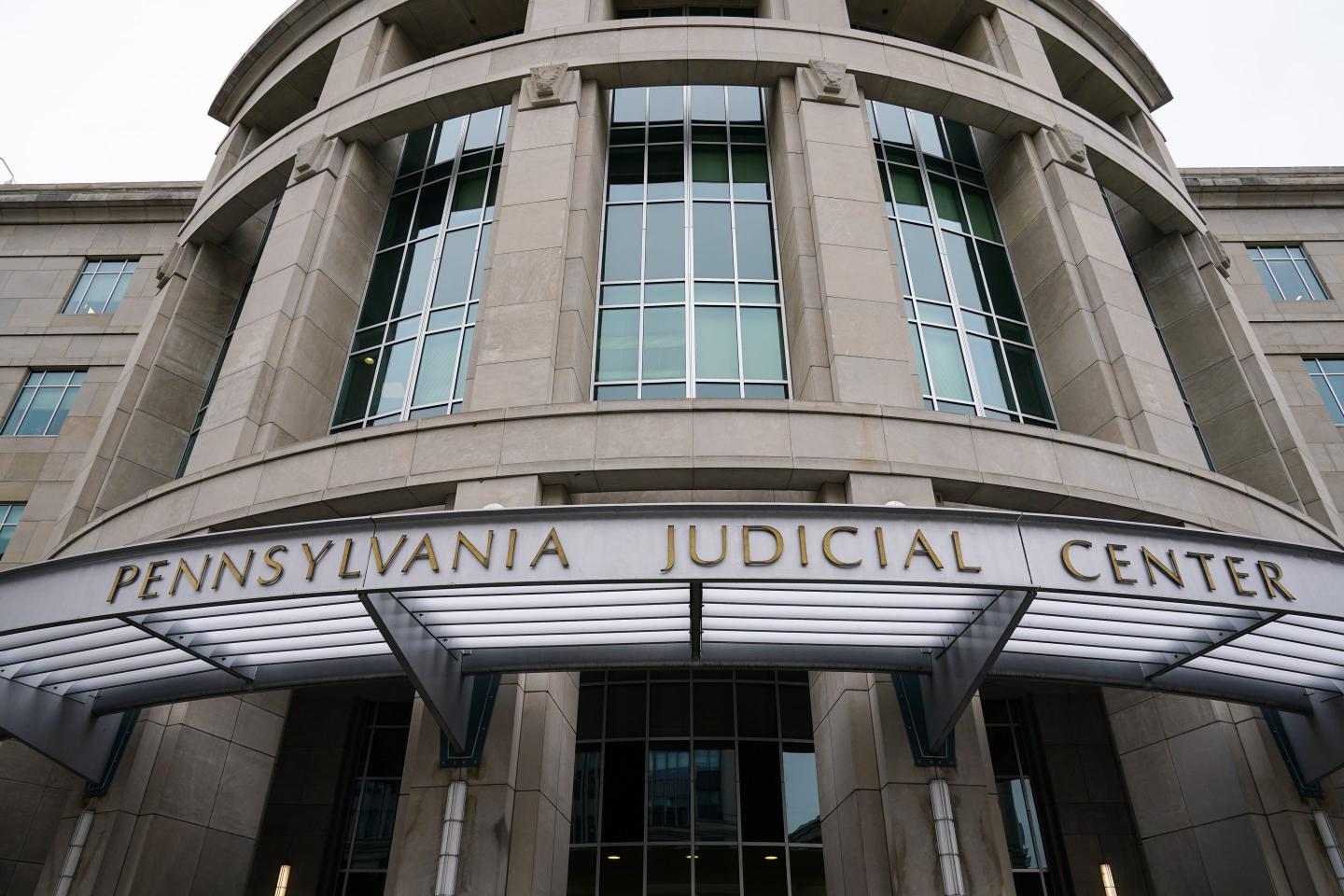
The exterior of the Pennsylvania Judicial Center, home to the Commonwealth Court in Harrisburg, Pa., Feb. 21, 2023.
The exterior of the Pennsylvania Judicial Center, home to the Commonwealth Court in Harrisburg, Pa., Feb. 21, 2023.Matt Rourke—AP
Google source logo
Add Fortune on Google for similar content.

Pennsylvania’s state courts agency said Thursday that it never received a ransom demand as part of a cyberattack that briefly shut down some of its online services earlier this month and prompted a federal investigation.

Recommended Video

The attack, called a “denial of services” attack, on the website of the Administrative Office of Pennsylvania Courts disabled some online portals and systems that were all fully restored this week, officials said.

The attack didn’t compromise any data or stop the courts from operating on a normal schedule, officials said.

A courts agency spokesperson said officials there never received a ransom demand from the attackers, never had any communication with the attackers and never paid anything to meet any sort of demand.

The state Supreme Court’s chief justice, Debra Todd, said a federal investigation was continuing.

Neither the courts nor the FBI or the federal government’s lead cybersecurity agency, the U.S. Cybersecurity and Infrastructure Security Agency, have identified the attacker. There have been no apparent claims of responsibility.

The FBI and CISA have confirmed their involvement in investigating the matter but said Thursday they had no other information to give about the investigation.

In a statement, Todd said the “significant and serious” attack was “orchestrated by a faceless and nameless virtual opponent who was intent on attacking our infrastructure and orchestrating a shutdown of our state judicial system.”

“These anonymous actors attempted to undermine our mission to make justice accessible and to shutter the operation of the statewide court system,” Todd said.

A “denial of service” cyberattack is common and happens when attackers flood the targeted host website or network with traffic or requests until the site is overwhelmed or crashes.

The attack comes after Kansas’ judicial branch was the victim of what it called a ” sophisticated cyberattack ” late last year from which it took months and millions of dollars to recover. That attack was blamed on a Russia-based group.

In recent years, Microsoft was hit by such an attack, as were some U.S. airport websites. Some of the biggest attacks have been attributed to Russian or Chinese hackers.

Cybersecurity experts say denial-of-service hackers are often state-backed actors seeking money and can use tactics to hide their identity. Such attacks can mask an underlying attack, such as a ransomware attack, experts say.

Networking experts can defuse the attacks by diverting the flood of internet traffic.

About the Authors
By Marc Levy
See full bioRight Arrow Button Icon
By The Associated Press
See full bioRight Arrow Button Icon
Google source logo
Add Fortune on Google for similar content.

Latest in Tech


Most Popular

Fortune Secondary Logo
Rankings
  • 100 Best Companies
  • Fortune 500
  • Global 500
  • Fortune 500 Europe
  • Most Powerful Women
  • World's Most Admired Companies
  • See All Rankings
  • Lists Calendar
Sections
  • Finance
  • Fortune Crypto
  • Features
  • Leadership
  • Health
  • Commentary
  • Success
  • Retail
  • Mpw
  • Tech
  • Lifestyle
  • CEO Initiative
  • Asia
  • Politics
  • Conferences
  • Europe
  • Newsletters
  • Personal Finance
  • Environment
  • Magazine
  • Education
Customer Support
  • Frequently Asked Questions
  • Customer Service Portal
  • Privacy Policy
  • Terms Of Use
  • Single Issues For Purchase
  • International Print
Commercial Services
  • Advertising
  • Fortune Brand Studio
  • Fortune Analytics
  • Fortune Conferences
  • Business Development
  • Group Subscriptions
About Us
  • About Us
  • Press Center
  • Work At Fortune
  • Terms And Conditions
  • Site Map
  • About Us
  • Press Center
  • Work At Fortune
  • Terms And Conditions
  • Site Map
  • Facebook icon
  • Twitter icon
  • LinkedIn icon
  • Instagram icon
  • TikTok icon
  • YouTube icon

    Latest in Tech


    Most Popular

    © 2026 Fortune Media IP Limited. All Rights Reserved. Use of this site constitutes acceptance of our Terms of Use and Privacy Policy | CA Notice at Collection and Privacy Notice | Do Not Sell/Share My Personal Information
    FORTUNE is a trademark of Fortune Media IP Limited, registered in the U.S. and other countries. FORTUNE may receive compensation for some links to products and services on this website. Offers may be subject to change without notice.