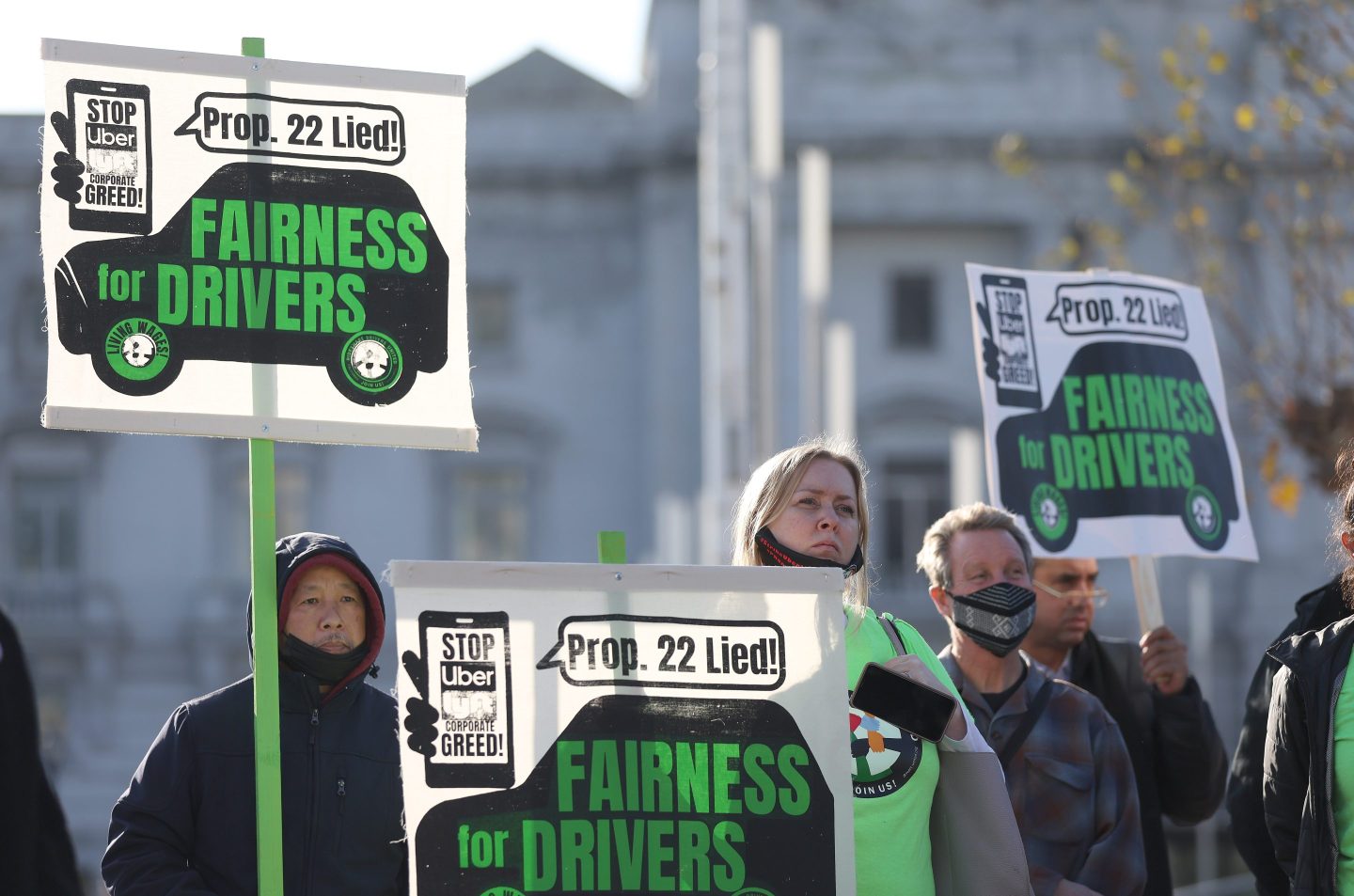
The gig economy, a realm once celebrated for its convenience and dynamism, is standing at a crossroads. A recent opinion by the California State Supreme Court against Uber could be the catalyst for much-needed change, pushing for a fairer deal for gig workers. The court recently allowed a special lawsuit to be brought against Uber from drivers demanding coverage for work-related expenses. This decision highlights the back-and-forth struggle for the soul of the gig economy in California—and possibly throughout the United States.
Erik Adolph, the UberEats driver at the heart of this case, is not merely a plaintiff. He symbolizes the struggle of gig workers seeking fair compensation against a system that often feels stacked against them. For years, companies like Uber have used the label of “independent contractor,” sidestepping potentially cumbersome employment laws that mandate benefits such as minimum wage, health insurance, and expense reimbursements. The essence of Adolph’s lawsuit is to permit a specific cause of action to challenge this model.
However, this practice of classifying workers as independent contractors isn’t solely a tactic utilized by these companies. It has legal backing, most prominently in the form of California’s contentious Proposition 22. Passed in 2020, this measure, which was one of the most expensive ballot initiatives in the state’s history, allows gig-based apps to define their workers as independent contractors instead of employees. Even though a California appeals court affirmed the validity of Proposition 22 as recently as March of this year, the contention is far from settled, and the tug-of-war over worker classification in the gig economy is ongoing.
The lawsuit against Uber leverages the Private Attorney General Act (PAGA), a unique California law that allows workers to sue for employment law violations on behalf of the state. This law doesn’t just empower workers to fight for their rights, it actively encourages a more equitable employment landscape.
Significantly, the ruling diverges from a 2022 U.S. Supreme Court decision involving Viking River Cruises, which endorsed companies channeling individual PAGA claims into private arbitration instead of the courts. California’s latest decision could potentially pave the way for further large-scale lawsuits against employers.
Those arguing for the status quo, including Uber’s lawyer, Theane Evangelis, believe the California ruling infringes upon federal law enforcing the validity of arbitration agreements. However, such a view fails to acknowledge the overwhelming need for change in these contracts. Over half of private sector nonunion U.S. workers are required to sign similar arbitration agreements. This practice often deters them from pursuing individual claims, especially over small sums. It’s time to question this approach and strive for fairness over expediency.
To those advocating for labor rights, the California Supreme Court ruling represents a ray of hope. It could compel companies to rethink their reliance on arbitration, potentially loosening the contractual knots that have kept gig workers in limbo for years.
The legal tussle serves as a stark reminder of the broader challenges facing the gig economy. The responsibility for—and cost of—services, the balance between innovation and fairness, and the very definition of “employees” are all up for debate. More than just legal technicalities, these questions shape the lives of countless workers in our tech-driven society.
If other states decide to echo California’s decision, the implications could be profound. Companies might need to recalibrate their strategies, factoring in increased expenses related to worker benefits and potential legal battles. While such an outcome could shake the foundations of California-based giants like Uber, it might also encourage startups to adopt sustainable growth models, prioritizing worker rights over unchecked expansion.
For gig workers, this might mean enhanced working conditions, fairer pay, and access to traditional employment benefits. Such changes are not just beneficial, they are essential for preserving the dignity and rights of workers in the modern economy.
The California Supreme Court’s ruling sends a clear and necessary message to gig economy companies: Worker rights cannot be overlooked. As we stand at the intersection of technological advancement and worker rights, we must ensure the road taken leads to justice and equity for all workers. The legal battle is far from over, but one thing is clear: The gig economy must change—and we all have a role in shaping that change.
David Astoria is the founder and CEO of Pranos Inc., the company that converts vehicle windows into high-definition billboards with a unique focus on car window advertising and consumer-generated content for self-expression.
Attorney Seth Finberg is the founder of Finberg Firm, a South Florida–based law firm specializing in representing exceptional foreign pilots and other talented individuals with extraordinary abilities.
The opinions expressed in Fortune.com commentary pieces are solely the views of their authors and do not necessarily reflect the opinions and beliefs of Fortune.