
• Home
  • News
  • Fortune 500
  • Tech
  • Finance
  • Leadership
  • Lifestyle
  • Rankings
  • Multimedia
Commentarypublic health

Lead poisoning affects 1 in 3 kids worldwide—but it’s not too late to act

By
Madeleine Albright
Madeleine Albright
and
Henrietta Fore
Henrietta Fore
Down Arrow Button Icon
By
Madeleine Albright
Madeleine Albright
and
Henrietta Fore
Henrietta Fore
Down Arrow Button Icon
October 23, 2020, 2:07 PM ET
A child stands before a fire fed by waste and rubber materials at an abattoir in Yenagoa, Nigeria, in 2016. Lead poisoning has negative health effects on children worldwide, write Madeleine Albright and Henrietta Fore.
A child stands before a fire fed by waste and rubber materials at an abattoir in Yenagoa, Nigeria, in 2016. Lead poisoning has negative health effects on children worldwide, write Madeleine Albright and Henrietta Fore.Tanya Bindra—UNICEF/UN37170

We write with good news concerning a fresh effort to combat a threat to global health that will claim more than 900,000 lives this year. Because symptoms are not always visible, the danger posed by this threat is insidious. Even when not fatal, it contributes to poverty, undermines human potential, and hurts communities.

Yes, COVID-19 is such a menace, but not the only one. So, too, is exposure to lead-based pollution. Human use of lead is pervasive. Across the globe, people are exposed to lead in the water they drink, the air they breathe, the food they eat, the soil they till, and the ground on which they walk.

Lead poisoning is neither infectious nor as fast-acting as the coronavirus, but recent research shows its deadly impact. More than 800 million children—one in three worldwide—have levels of lead in their blood that could affect their brain development and slow their ability to learn.

Boys and girls under the age of five are at greatest risk. The consequences for them are both life-altering and lifelong, and can include a decline in intellectual development, behavioral changes, and a heightened risk of damage to the heart and kidneys. There are economic consequences as well, with lead exposure in children causing an estimated $1 trillion in lost economic potential.

A young boy washes pieces of metal collected from a dump on the banks of the Buriganga River in Bangladesh in 2007.
Shehzad Noorani—UNICEF/UNI9918

What, then, is our good news? 

Lead can be safe if it is recycled and used properly, and exposure to lead poisoning can be prevented. Especially in middle- and upper-income countries, concerted action in prior decades has done much to reduce the harm caused by lead-based gasoline and paint. 

However, while paint and fuel are no longer a threat in most parts of the world, lead acid batteries are now the leading cause of lead contamination. As the number of vehicles—which require multiple lead acid batteries over their lifetime—has spiked across low- and middle-income countries in the past 20 years, so has the risk of lead pollution. 

An estimated half of these batteries end up in the informal recycling sector, where they are broken apart and smelted, causing lead particles to leak into the environment. This is how they make their way to children: Children play with lead; they breathe it in; their parents unknowingly bring it home on their clothes.

It is not too late to act. That is why today, we are drawing attention to a new partnership, the Protecting Every Child’s Potential Initiative, aimed at addressing this problem in an urgent and comprehensive fashion. It brings together Unicef, the United Nations’ leading children’s agency; Clarios Foundation, the philanthropic arm of the world’s largest manufacturers and recyclers of lead acid batteries; and Pure Earth, a global leader in cleaning up toxic pollution. (Clarios is a client of Albright Stonebridge Group.)

The initiative’s goal is to mobilize collective measures to reduce lead exposure through heightened awareness, community action, technical assistance, and collaboration across societies and sectors. The steps that participants will support include enhanced education, testing, and monitoring, the elimination of unsafe lead recycling and smelting activities, and the cleanup and rehabilitation of toxic sites. 

The aim is to influence better global, regional, and national legislation and policy, including the enforcement of environmental regulations for smelting operations. Outreach of all kinds will play a major role, especially in ensuring that local communities understand their own stake in creating a safer and healthier environment for their young people.

A young girl searches for metal in a pile of garbage on the bank of the Buriganga River in Bangladesh in 2007.
Shehzad Noorani—UNICEF/UNI9919

The initiative is based on a simple, unsurprising fact. Global progress on health issues depends on the shared efforts of the public and private sectors. We have seen this truth demonstrated repeatedly when countering polio, HIV/AIDS, malaria, Guinea worm, and now COVID-19. It is only common sense to combine the resources and know-how of government, business, and civil society. Together we can move rapidly to identify and correct the causes of suffering. 

While COVID-19 is the most dramatic public health issue facing the world right now, it should not detract from our awareness and determination to confront other threats. Lead poisoning is affecting children on a massive scale, silently wreaking havoc on their health and development, with possibly fatal consequences. 

We know what we must do to halt this insidious threat. Together, governments, businesses, and philanthropies can and should make a difference. The Protecting Every Child’s Potential Initiative can help point us all in the right direction, but it cannot succeed alone. It will need, and it will deserve, the support and cooperation of us all.

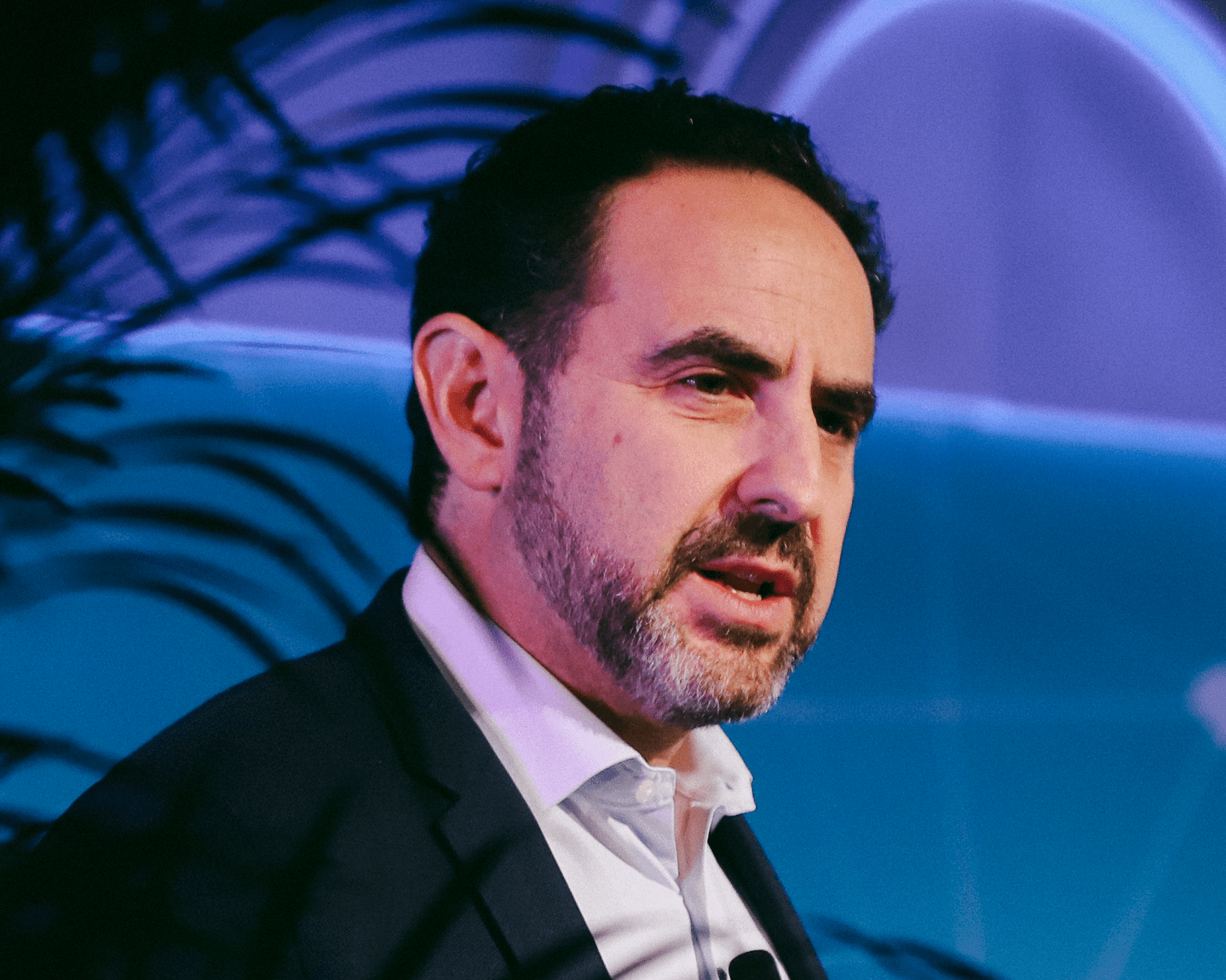
Madeleine Albright served as U.S. permanent representative to the UN (1993–97) and U.S. secretary of state (1997–2001), and is currently chair of Albright Stonebridge Group, a global strategic advisory firm. 

Henrietta Fore is the executive director of Unicef.
About the Authors
By Madeleine Albright
See full bioRight Arrow Button Icon
By Henrietta Fore
See full bioRight Arrow Button Icon

Latest in Commentary

Steve Milton is the CEO of Chain, a culinary-led pop-culture experience company founded by B.J. Novak and backed by Studio Ramsay Global.
CommentaryFood and drink
Affordability isn’t enough. Fast-casual restaurants need a fandom-first approach
By Steve MiltonDecember 5, 2025
12 hours ago
Paul Atkins
CommentaryCorporate Governance
Turning public companies into private companies: the SEC’s retreat from transparency and accountability
By Andrew BeharDecember 5, 2025
12 hours ago
Matt Rogers
CommentaryInfrastructure
I built the first iPhone with Steve Jobs. The AI industry is at risk of repeating an early smartphone mistake
By Matt RogersDecember 4, 2025
1 day ago
Jerome Powell
CommentaryFederal Reserve
Fed officials like the mystique of being seen as financial technocrats, but it’s time to demystify the central bank
By Alexander William SalterDecember 4, 2025
1 day ago
Rakesh Kumar
CommentarySemiconductors
China does not need Nvidia chips in the AI war — export controls only pushed it to build its own AI machine
By Rakesh KumarDecember 3, 2025
2 days ago
Rochelle Witharana is Chief Financial and Investment Officer for The California Wellness Foundation
Commentarydiversity and inclusion
Fund managers from diverse backgrounds are delivering standout returns and the smart money is slowly starting to pay attention
By Rochelle WitharanaDecember 3, 2025
2 days ago

Most Popular

placeholder alt text
Economy
Two months into the new fiscal year and the U.S. government is already spending more than $10 billion a week servicing national debt
By Eleanor PringleDecember 4, 2025
2 days ago
placeholder alt text
Success
‘Godfather of AI’ says Bill Gates and Elon Musk are right about the future of work—but he predicts mass unemployment is on its way
By Preston ForeDecember 4, 2025
1 day ago
placeholder alt text
Success
Nearly 4 million new manufacturing jobs are coming to America as boomers retire—but it's the one trade job Gen Z doesn't want
By Emma BurleighDecember 4, 2025
1 day ago
placeholder alt text
Success
Nvidia CEO Jensen Huang admits he works 7 days a week, including holidays, in a constant 'state of anxiety' out of fear of going bankrupt
By Jessica CoacciDecember 4, 2025
1 day ago
placeholder alt text
Real Estate
‘There is no Mamdani effect’: Manhattan luxury home sales surge after mayoral election, undercutting predictions of doom and escape to Florida
By Sasha RogelbergDecember 4, 2025
1 day ago
placeholder alt text
Economy
Tariffs and the $38 trillion national debt: Kevin Hassett sees ’big reductions’ in deficit while Scott Bessent sees a ‘shrinking ice cube’
By Nick LichtenbergDecember 4, 2025
1 day ago
Rankings
  • 100 Best Companies
  • Fortune 500
  • Global 500
  • Fortune 500 Europe
  • Most Powerful Women
  • Future 50
  • World’s Most Admired Companies
  • See All Rankings
Sections
  • Finance
  • Leadership
  • Success
  • Tech
  • Asia
  • Europe
  • Environment
  • Fortune Crypto
  • Health
  • Retail
  • Lifestyle
  • Politics
  • Newsletters
  • Magazine
  • Features
  • Commentary
  • Mpw
  • CEO Initiative
  • Conferences
  • Personal Finance
  • Education
Customer Support
  • Frequently Asked Questions
  • Customer Service Portal
  • Privacy Policy
  • Terms Of Use
  • Single Issues For Purchase
  • International Print
Commercial Services
  • Advertising
  • Fortune Brand Studio
  • Fortune Analytics
  • Fortune Conferences
  • Business Development
About Us
  • About Us
  • Editorial Calendar
  • Press Center
  • Work At Fortune
  • Diversity And Inclusion
  • Terms And Conditions
  • Site Map

© 2025 Fortune Media IP Limited. All Rights Reserved. Use of this site constitutes acceptance of our Terms of Use and Privacy Policy | CA Notice at Collection and Privacy Notice | Do Not Sell/Share My Personal Information
FORTUNE is a trademark of Fortune Media IP Limited, registered in the U.S. and other countries. FORTUNE may receive compensation for some links to products and services on this website. Offers may be subject to change without notice.