• Home
  • Latest
  • Fortune 500
  • Finance
  • Tech
  • Leadership
  • Lifestyle
  • Rankings
  • Multimedia

Trendingnow

1

When SpaceX starts trading, some 'shareholders' will discover they own nothing at all

2

Corporate America has been draining the world's water. Matt Damon's new campaign calls on Gap, Starbucks, and Amazon to help give it back

3

Current price of oil as of June 12, 2026

1

When SpaceX starts trading, some 'shareholders' will discover they own nothing at all

2

Corporate America has been draining the world's water. Matt Damon's new campaign calls on Gap, Starbucks, and Amazon to help give it back

3

Current price of oil as of June 12, 2026
Commentarydigital transformation

Grab CEO Anthony Tan: What Southeast Asia is teaching us about a post-pandemic world

By
Anthony Tan
Anthony Tan
Down Arrow Button Icon
By
Anthony Tan
Anthony Tan
Down Arrow Button Icon
August 13, 2020, 4:00 AM ET

One of my fondest memories as a little boy was going to Klang (a town in Malaysia where my parents are from) every weekend and eating bak kut teh (pork rib soup) with my parents at a famous local joint. The glorious soft-bone pork rib was my favorite, and I would dunk deep-fried dough fritters in the caramel-colored herbal broth, while enjoying the meat with chili sauce. 

The bak kut teh store was a hole-in-the-wall operation run by a family who have cooked pork rib soup for generations. Lines would form early outside the store before lunchtime, and so many people would cram inside the tiny shop, cheek to chopstick, munching on pork ribs. The store relied completely on word-of-mouth marketing to drive foot traffic and sales.  

This small food business, like many others across Southeast Asia, suffered greatly when COVID-19 struck. With footfall going to zero and business owners ill-equipped to pivot online, many of these generational small businesses simply folded. 

COVID-19 has disrupted our way of life. It has impacted our communities, our businesses, and the global economy. However, COVID-19 has also given us a chance to reevaluate the way we function as societies and economies, pushing us to adapt to a new normal at unprecedented speed—and not for the first time. Crises such as war, political revolutions, and natural disasters have long shaped humanity’s future, catalyzing change and forcing us to rebuild over and over again. 

For example, World War II saw the implementation of industrialized assembly lines to build munitions and armaments, changing the outcome of war. In the process, it laid the groundwork for turbocharging the auto industry. COVID-19 is accelerating a similar level change, offering a reset button to struggling businesses and industries that have operated the same way for centuries. 

We are now at the end of the beginning. With a widely available vaccine unlikely to be available for some time, some clues about our future have emerged. Social distancing will be the norm for at least the next 12 months, as people live cautiously and in accordance with government guidelines aimed at preventing a second wave of infection. Hygiene and safety will be prioritized. Until then, our reliance on digital services will likely remain elevated. 

The digitalization of small business

This new digital order will create several long-term outcomes that will impact the way we work, eat, run businesses, and pay for everyday staples. I want to highlight one critical development that we will look back on as COVID-19’s legacy: the rapid digitalization of small, traditionally offline businesses, as they transform to survive and meet consumers online. 

A survey by Main Street America, a network of more than 1,600 commercial districts, noted that nearly 7.5 million small businesses in the U.S. are at risk of permanently closing their doors over the next several months if COVID-19 persists. 

In Southeast Asia, home to us at Grab, the problem hits harder, as 90% of the region’s economy consists of small businesses. In Indonesia, hundreds of thousands of warungs, small street-side stores peddling street food and necessities, have seen their sales plummet because of the pandemic. Singapore, with its gleaming skyline, has not been spared; the country’s prized street-food culture, driven by cash transactions and dine-ins, has also been severely hit by movement restrictions.
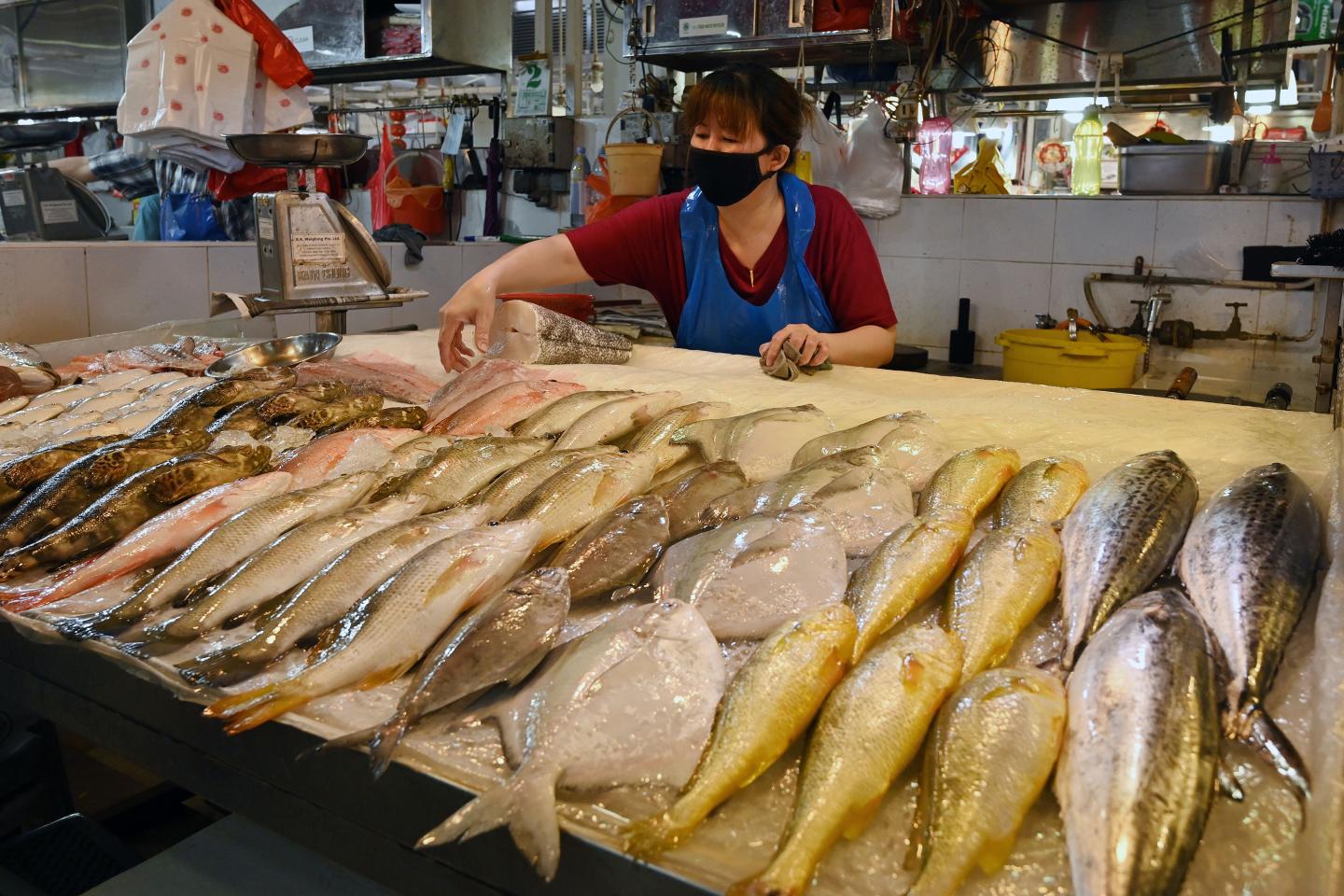
A vendor arranges fresh fish at her stall in the Yio Chu Kang market in Singapore on July 2, 2020.
Roslan Rahman—AFP/Getty Images

The region’s mom-and-pop stores are what make it unique. But these stores have been operating on an offline model for generations. It comes as no surprise that many SMEs in Southeast Asia have therefore struggled to go online, even if it has become a necessity for keeping their business afloat.  

This was the case even prior to the pandemic, where a 2018 Bain survey found that just 15% of SMEs in Southeast Asia truly utilize digital tools, despite 75% seeing digital integration as an opportunity. 

This lack of digital literacy is a hurdle. Technology companies, aware of this gap, have tried to ease the transition for small businesses. In May, Facebook launched its Shops service, allowing businesses to set up an integrated online store accessible via both Facebook and Instagram.

Lessons from Southeast Asia’s wet markets

This struggle has always captured my attention, as I believe it’s what truly holds Southeast Asia’s diverse countries and people back from realizing their full economic potential. This reality has compelled us to create meaningful initiatives to address the gaps.

In March, we announced an initiative to bring wet markets online through Grab’s app. A traditionally offline shopping experience, the service allows users to now order wet market produce online and have delivery-riders fulfill those orders. 

In Kuala Lumpur, bustling Taman Tun Dr. Ismail (TTDI) has one of the most popular wet markets in the country. Before the pandemic, you would find it packed with stalls brimming with fresh cuts of meat, leafy greens, and tropical fruits, and customers jostling to get their picks. Wet markets like TTDI never had to go online, because everything—from their supply chain to a steady stream of customers—was purely offline. 

However, the mobility restrictions and social distancing measures now in place have slowed foot traffic drastically, representing a serious threat to this traditional ecosystem. For the businesses that have relied on this wet market model to support their families for generations, getting online was an important way to not only survive the pandemic but also thrive in a post-pandemic world. 

Al Hafiz, who hawked ulam (a type of traditional vegetable and fruit salad) at TTDI for more than 20 years, saw his business crash when the pandemic hit. We helped him with his transition, equipping him with the tools and insights to kick-start his online journey. Listing on our wet market platform in March, before social distancing orders kicked in, he was able to keep up a flow of remote orders and have them fulfilled by delivery-riders. Like many others, going online saved his business. 

Similarly, in Singapore, we launched a three-month pilot to bring street-food vendors online. We extended to them significantly reduced commission rates and helped them access more income opportunities with a wider base of customers via the Grab app. We use our scale and data-driven insights to give these small businesses the boost they need. 

Rural commerce is also an often overlooked area in Southeast Asia. In sunny Ambon, an island in eastern Indonesia, fishermen labor to sell heaving nets of fresh fish to restaurants and locals daily. When the pandemic hit, their income was immediately choked as restaurants shuttered and movement restrictions went into effect. Adopting this same approach, we onboarded them into our GrabMart service to help list and promote Ambon fishermen’s catch of the day digitally—helping them unlock new streams of customers in Jakarta.
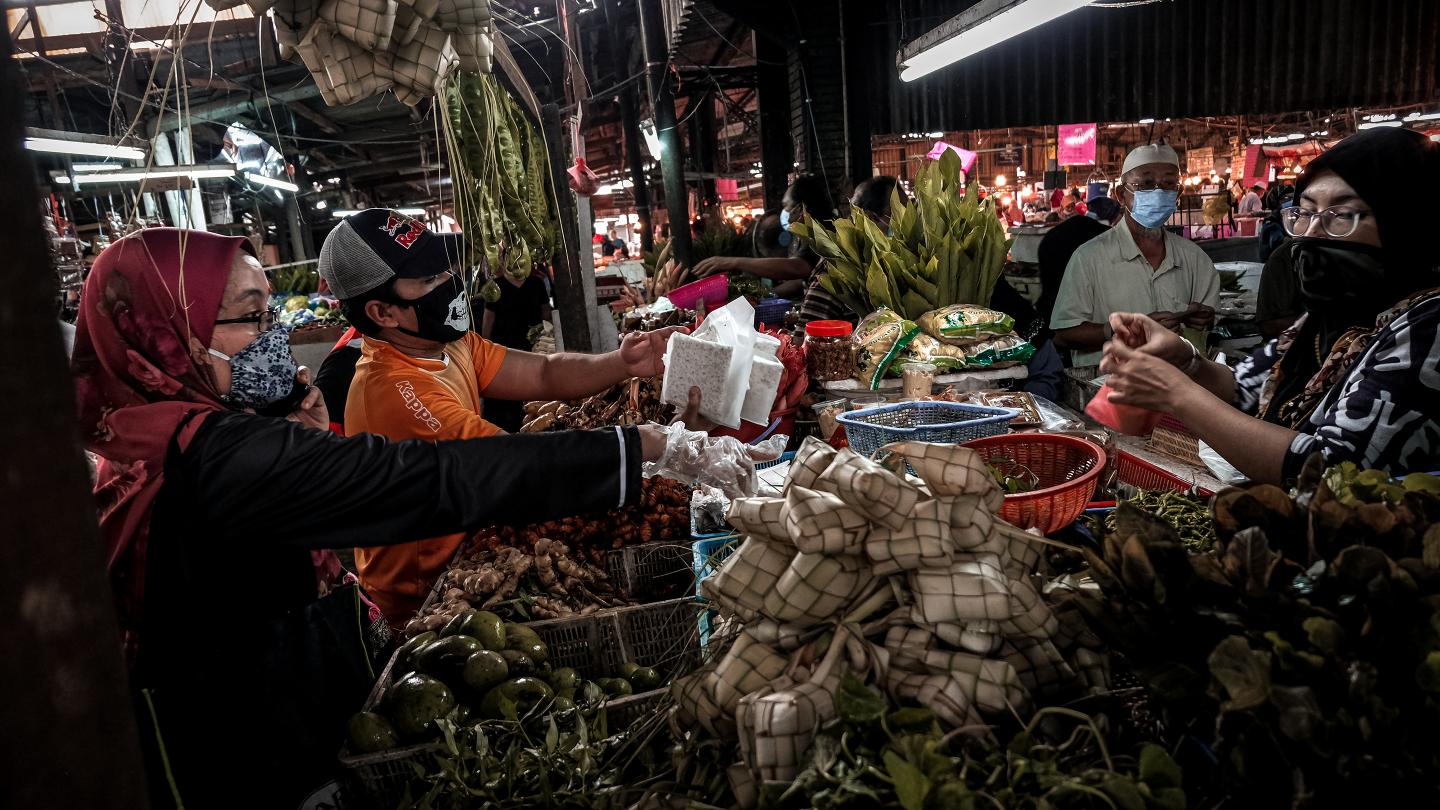
Customers in protective face masks shop for groceries at a traditional “wet market” in Kuala Lumpur, Malaysia.
Syaiful Redzuan—Anadolu Agency/Getty Images

While the social aspect of shopping at wet markets with our loved ones or visiting our favorite mom-and-pop store may be missed for now, going digital could be what ensures the survival of these traditional business ecosystems for future generations. We have to work together with nongovernmental organizations and governments to ensure small businesses, like Al Hafiz’s ulam stall in the TTDI market, are trained in using these digital economy tools in order to navigate and thrive in this brave new world. 

The fact is that life may never be the same as what we knew pre-COVID, but in Southeast Asia, businesses and the people behind them are hardy. We will adapt to changes in our external environment just as our ancestors did before us and thrive in this new age. 

Anthony Tan is the group CEO of Grab.

About the Author
By Anthony Tan
See full bioRight Arrow Button Icon

Latest in Commentary

Finance
Lorem ipsum dolor sit amet, consectetur adipiscing elit, sed do eiusmod tempor incididunt ut labore et dolore magna aliqua. Ut enim ad minim veniam
By Fortune Editors
October 20, 2025
Finance
Lorem ipsum dolor sit amet, consectetur adipiscing elit, sed do eiusmod tempor incididunt ut labore et dolore magna aliqua. Ut enim ad minim veniam
By Fortune Editors
October 20, 2025
Finance
Lorem ipsum dolor sit amet, consectetur adipiscing elit, sed do eiusmod tempor incididunt ut labore et dolore magna aliqua. Ut enim ad minim veniam
By Fortune Editors
October 20, 2025
Finance
Lorem ipsum dolor sit amet, consectetur adipiscing elit, sed do eiusmod tempor incididunt ut labore et dolore magna aliqua. Ut enim ad minim veniam
By Fortune Editors
October 20, 2025
Finance
Lorem ipsum dolor sit amet, consectetur adipiscing elit, sed do eiusmod tempor incididunt ut labore et dolore magna aliqua. Ut enim ad minim veniam
By Fortune Editors
October 20, 2025
Finance
Lorem ipsum dolor sit amet, consectetur adipiscing elit, sed do eiusmod tempor incididunt ut labore et dolore magna aliqua. Ut enim ad minim veniam
By Fortune Editors
October 20, 2025

Most Popular

Finance
Lorem ipsum dolor sit amet, consectetur adipiscing elit, sed do eiusmod tempor incididunt ut labore et dolore magna aliqua. Ut enim ad minim veniam
By Fortune Editors
October 20, 2025
Finance
Lorem ipsum dolor sit amet, consectetur adipiscing elit, sed do eiusmod tempor incididunt ut labore et dolore magna aliqua. Ut enim ad minim veniam
By Fortune Editors
October 20, 2025
Finance
Lorem ipsum dolor sit amet, consectetur adipiscing elit, sed do eiusmod tempor incididunt ut labore et dolore magna aliqua. Ut enim ad minim veniam
By Fortune Editors
October 20, 2025
Finance
Lorem ipsum dolor sit amet, consectetur adipiscing elit, sed do eiusmod tempor incididunt ut labore et dolore magna aliqua. Ut enim ad minim veniam
By Fortune Editors
October 20, 2025
Finance
Lorem ipsum dolor sit amet, consectetur adipiscing elit, sed do eiusmod tempor incididunt ut labore et dolore magna aliqua. Ut enim ad minim veniam
By Fortune Editors
October 20, 2025
Finance
Lorem ipsum dolor sit amet, consectetur adipiscing elit, sed do eiusmod tempor incididunt ut labore et dolore magna aliqua. Ut enim ad minim veniam
By Fortune Editors
October 20, 2025
Fortune Secondary Logo
Rankings
  • 100 Best Companies
  • Fortune 500
  • Global 500
  • Fortune 500 Europe
  • Most Powerful Women
  • World's Most Admired Companies
  • See All Rankings
  • Lists Calendar
Sections
  • Finance
  • Fortune Crypto
  • Features
  • Leadership
  • Health
  • Commentary
  • Success
  • Retail
  • Mpw
  • Tech
  • Lifestyle
  • CEO Initiative
  • Asia
  • Politics
  • Conferences
  • Europe
  • Newsletters
  • Personal Finance
  • Environment
  • Magazine
  • Education
Customer Support
  • Frequently Asked Questions
  • Customer Service Portal
  • Privacy Policy
  • Terms Of Use
  • Single Issues For Purchase
  • International Print
Commercial Services
  • Advertising
  • Fortune Brand Studio
  • Fortune Analytics
  • Fortune Conferences
  • Business Development
  • Group Subscriptions
About Us
  • About Us
  • Press Center
  • Work At Fortune
  • Terms And Conditions
  • Site Map
  • About Us
  • Press Center
  • Work At Fortune
  • Terms And Conditions
  • Site Map
  • Facebook icon
  • Twitter icon
  • LinkedIn icon
  • Instagram icon
  • Pinterest icon

Latest in Commentary

ravi
CommentaryWeather and forecasting
I spent 8 years flood-proofing a city. Capital markets are running out of time to take El Niño seriously
By Ravi S. BhallaJune 13, 2026
17 minutes ago
herrin
CommentaryInfrastructure
America just committed $1.2 trillion to fix its infrastructure. We’re still flying blind
By Gregg HerrinJune 13, 2026
2 hours ago
cyber
Commentarycyber
Accenture cyber leads: why hiring more people won’t solve the cybersecurity talent gap
By Harpreet Sidhu and Vikram DesaiJune 13, 2026
3 hours ago
t
CommentaryHospitality
AI is making promises your brand never made. Hotels are paying the price
By Teresa MackintoshJune 13, 2026
3 hours ago
axel
CommentaryEntrepreneurship
Our budgeted $180 million year ended in the red after the Ukraine war. Here’s how we survived
By Axel SöderbergJune 13, 2026
6 hours ago
ss
CommentaryWorld Cup
‘Soccernomics’ co-author: FIFA’s ticket strategy isn’t price discovery, it’s a wealth filter
By Stefan Szymanski and The ConversationJune 12, 2026
17 hours ago

Most Popular

When SpaceX starts trading, some 'shareholders' will discover they own nothing at all
Investing
When SpaceX starts trading, some 'shareholders' will discover they own nothing at all
By Jim EdwardsJune 12, 2026
1 day ago
Corporate America has been draining the world's water. Matt Damon's new campaign calls on Gap, Starbucks, and Amazon to help give it back
Environment
Corporate America has been draining the world's water. Matt Damon's new campaign calls on Gap, Starbucks, and Amazon to help give it back
By Catherina GioinoJune 9, 2026
4 days ago
Current price of oil as of June 12, 2026
Personal Finance
Current price of oil as of June 12, 2026
By Joseph HostetlerJune 12, 2026
24 hours ago
American taxpayers have spent $33 billion on sports stadiums. They got fewer seats—and higher prices
Success
American taxpayers have spent $33 billion on sports stadiums. They got fewer seats—and higher prices
By Catherina GioinoJune 11, 2026
2 days ago
Analysts expected oil to surge above $200 but China has quietly kept prices half of that—and can’t for much longer
Energy
Analysts expected oil to surge above $200 but China has quietly kept prices half of that—and can’t for much longer
By Sasha RogelbergJune 10, 2026
3 days ago
U.S. energy secretary says 7 million barrels of oil exiting Persian Gulf daily, but Chevron CEO rebuts the claim
Energy
U.S. energy secretary says 7 million barrels of oil exiting Persian Gulf daily, but Chevron CEO rebuts the claim
By Jordan BlumJune 12, 2026
17 hours ago

© 2026 Fortune Media IP Limited. All Rights Reserved. Use of this site constitutes acceptance of our Terms of Use and Privacy Policy | CA Notice at Collection and Privacy Notice | Do Not Sell/Share My Personal Information
FORTUNE is a trademark of Fortune Media IP Limited, registered in the U.S. and other countries. FORTUNE may receive compensation for some links to products and services on this website. Offers may be subject to change without notice.