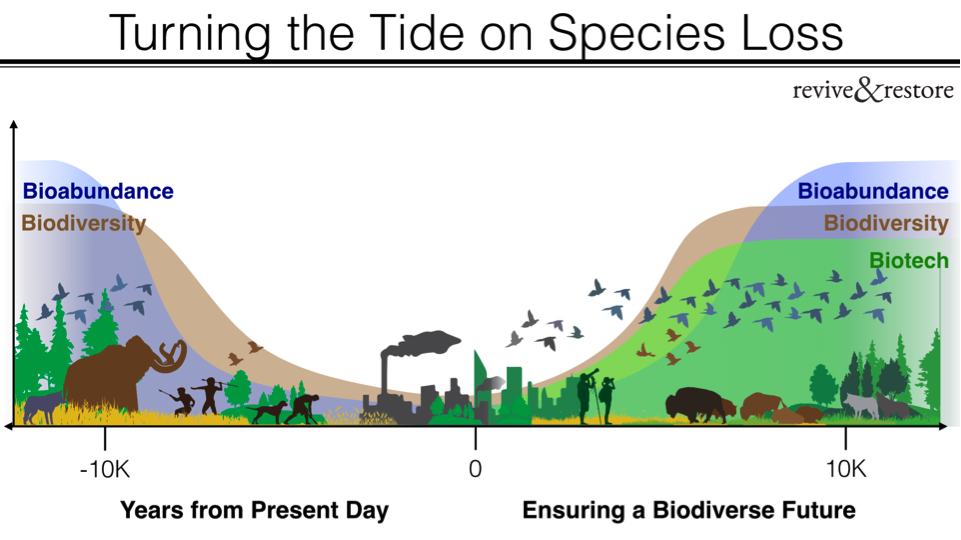
We are facing a global crisis in biodiversity loss. Tens of thousands of animal species are becoming extinct every year and about half of the world’s biodiversity has disappeared since the 1970s. These troubling trends show no signs of slowing down. Indeed, population growth, widespread habitat destruction, invasive species, wildlife diseases, and climate change are worsening the situation.
To safeguard our planet’s biodiversity, we need innovative new approaches. Fortunately, the Fourth Industrial Revolution’s rapid advances in biotechnology hold promise. New genetic and biotechnology tools are already being used in medicine and agricultural systems, particularly with crops and domestic animals. Biotechnology is advancing at an even faster rate than that of Moore’s Law, which saw microchip processing power double every two years while costs fell by half.
The cost of sequencing a genome has fallen from $100 million in 2001 to below $1,000 today. We are now able not just to read biological code faster, but also to write and design with it in new ways.
Genetic scientists Craig Venter and Daniel Cohen have stated that these advances indicate that the 21st century will be known as the “century of biology.” However, we are only just exploring the potential applications of these tools to safeguard nature.
Here are five expanding and emergent fields of biotech that could help safeguard nature:
1. Biobanking
Biobanks store biological samples for research and as a backup resource to preserve genetic diversity. Examples include the San Diego Frozen Zoo, the Frozen Ark projects, and numerous seed banks. Samples provide tissues, cell lines, and genetic information that can form the basis for restoring and recovering endangered wildlife through genomic insight and reproductive technologies, two of the other innovations detailed below. Proper sample collection for conservation purposes is a difficult task, both technically and logistically. We need to better facilitate the ongoing collection of biological samples globally from species facing extinction.
2. Genomics
The rapidly falling costs of genome sequencing has sparked initiatives to sequence the genomes of all living species, and thanks to improved ancient DNA methods the genomes of extinct species such as the woolly mammoth, thylacine, and passenger pigeon are also attainable. This growing database of genomes, combined with advances in big data and artificial intelligence, allows researchers to screen entire communities through DNA left in their environments (eDNA), establishing non-invasive means of tracking species.
All this bioinformatic information provides genomic insight to improve monitoring, management, and restoration of endangered wildlife. The latest DNA sequencing tools bring the science into the field for real-time results and will one day make data-based decisions possible in actionable timeframes. Genomic insight is the foundation for diverse applications of biotechnology, including the other tools that follow.

3. Biosynthesis
Biosynthesis isn’t new; a famous example of it is insulin produced by engineered bacteria. Bacterial production of insulin increased its availability and reduced costs by eliminating the need to harvest it from domestic animals.
This same process can reduce the commercial need to extract biological products from wild species. For instance, effective synthetic alternatives exist that could displace some of the widespread use of horseshoe crab blood in pharmaceutical testing.
When insulin bacteria were first made, the insulin gene was literally lifted from its organic source. But today, we can print DNA or RNA from genomic databases. Synthesized DNA and RNA is not only the base for bioproducts, but also genome editing, gene drives, and overcoming disease. Printed double-stranded RNA chains (dsRNA) can be designed to fight infections, triggering an immune response called RNA interference (RNAi). Double-stranded RNA could be used to combat deadly, currently untreatable, fungal diseases spreading rapidly due to global trade. Wildlife diseases and emergent fungi are killing bats, amphibians, coral reef systems, and many plants worldwide. This technology could slow, or even reverse, the damage safely in many environments.
4. Reproductive technologies
Cloning could be a game-changer when it comes to helping recovering and critically imperiled mammals. Cloning biobanked cell lines could help restore genetic diversity to endangered species.
The last male northern white rhinoceros, Sudan, died Monday, leaving only two females alive. In an effort to save the species, scientists at the San Diego Zoo Global are developing stem cell technologies to create a new generation of northern white rhinos.
One of the newest reproductive tools is genome editing. Using CRISPR-Cas9 technology, University of California, Davis scientists have bred a generation of hornless dairy cattle, a feat that would take traditional selective breeding many generations to accomplish.
This precise breeding method offers wildlife managers a targeted way to activate disease resistance that may be inherent, but dormant, in a species’ genome, or to help a species adapt to climate change.
5. Gene drive
The invasion of non-native pest species (rodents, feral pigs, insects) represents a significant global threat to biodiversity. Traditional approaches to eradicating invasive species, such as toxins, can have harmful collateral effects to native wildlife. New gene editing tools are making it possible to harness a natural process for humane and superiorly effective eradication of non-native pests: the gene drive.
A gene drive is the process by which a variant of a gene is inherited in a way that breaks the 50-50 sex chance rule of sexual reproduction. Gene drives occur throughout nature, and scientists have speculated using them for targeted purposes for years. It is now possible to target drives to any gene. To address the problem of invasive rodents, a gene drive could be applied to alter the sex ratio of an island population of rats so that they become all male and fail to breed. The same process could eliminate vectors of disease, such as mosquitoes, which would save birds from avian malaria.
If responsibly applied, gene drives represent a potentially transformative new tool in the control of invasive species. However, despite the possibilities, their high inheritance makes field application risky and demands innovations for safe localization and exact specificity. Many new versions of gene drives are currently in progress to solve these problems.
More to come
Advances in biotechnology are occurring so fast that we expect more genetic interventions to be just around the corner. The challenge now is to bridge the fields of biotech and conservation in a way that is thoughtful and keeps pace with innovation.
Increased public-private partnership will be essential to developing new biotech innovations. Environmental groups, nonprofit organizations, religious groups, and government entities will need to work together to develop a consensus around the proper use of biotech tools and build public acceptance of biotech applications.
With the right genetic tools and dedicated collaboration, we may be able to turn the tide on wildlife extinction.
Nishan Degnarain is the managing director at Breakthrough Ocean Ventures. Ryan Phelan is the executive director of Revive & Restore.