• Home
  • Latest
  • Fortune 500
  • Finance
  • Tech
  • Leadership
  • Lifestyle
  • Rankings
  • Multimedia

Trendingnow

1

Venezuela abandoning the bolivar and adopting the U.S. dollar would be the biggest currency switch since the advent of the euro, Hanke says

2

The Treasury's recent moves in the bond and currency markets add up to 'soft-form financial repression' to lower debt costs, economist warns

3

American billionaires are showing off their farmland for elaborate hobbies, but a buying spree among the ultrarich risks pricing farmers out

1

Venezuela abandoning the bolivar and adopting the U.S. dollar would be the biggest currency switch since the advent of the euro, Hanke says

2

The Treasury's recent moves in the bond and currency markets add up to 'soft-form financial repression' to lower debt costs, economist warns

3

American billionaires are showing off their farmland for elaborate hobbies, but a buying spree among the ultrarich risks pricing farmers out
FinanceAmazon

These May Be the Only Industries Safe From Amazon’s Quest for Dominance

By
Bloomberg
Bloomberg
Down Arrow Button Icon
By
Bloomberg
Bloomberg
Down Arrow Button Icon
August 2, 2017, 3:09 PM ET
Amazon.com Inc. Storage Facility Tour
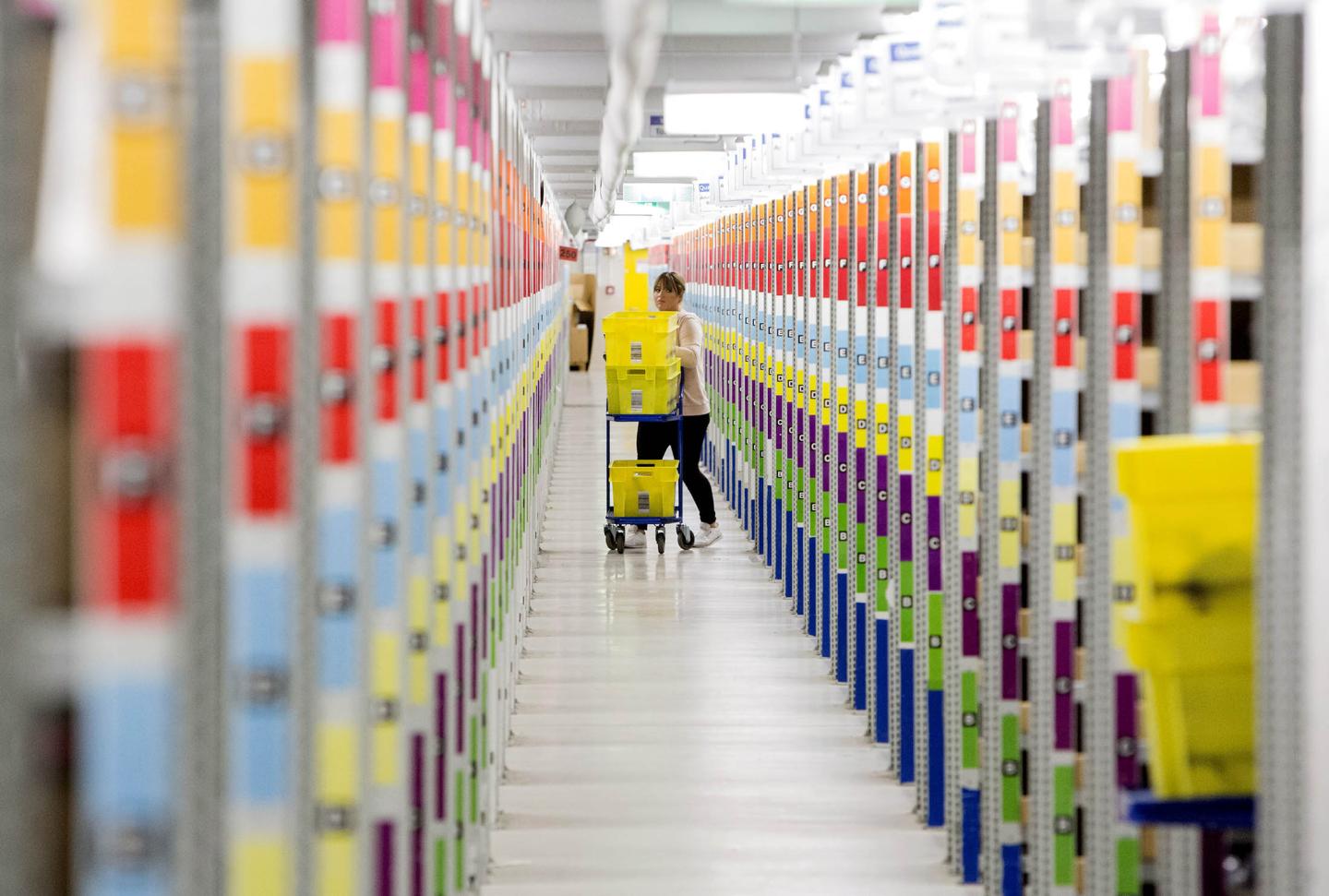
An employee pushes a cart between aisles of merchandise while collecting items for customers' delivery orders inside an Amazon.com Inc. fulfillment center in Koblenz, Germany, on Tuesday, Nov. 29, 2016. E-commerce sales in November and December will grow 17.2 percent to $94.7 billion, more than five times the pace of total retail sales growth of 3.3 percent, according to EMarketer. Photographer: Martin Leissl/BloombergMartin Leissl Bloomberg
Add Fortune on Google for similar content.

Almost nothing seems out of reach for Amazon.com Inc. these days. Grocery stocks crumbled when the company bid for Whole Foods Market Inc. in June. Blue Apron Holdings Inc. slumped after Amazon got into prepared food kits. Sports chains slipped when Nike Inc. agreed to sell its wares on the e-commerce giant’s website.

But Amazon can’t disrupt everything, at least according to Morgan Stanley analysts led by Brian Nowak. They researched what attributes make for an Amazon-proof industry and introduced a framework on Wednesday so investors can gauge how susceptible companies are to Jeff Bezos’ corporate wanderlust.

Here’s a look at the five guidelines Morgan Stanley said are most important.

Be Unique

The first hurdle is tailored goods. One-of-a-kind items are less likely to be at risk from Amazon. “Commodity products are more susceptible to Amazon disruption,” the analysts wrote. “While unique and bespoke items are less likely to be purchased through Amazon’s marketplace.” Areas of travel such as hotels and vacation packages, formal apparel, and luxury goods are examples, they noted.

Regulation

The more onerous a sector’s rules are, the more costly it is and the bigger the payoff would have to be for Amazon to consider moving into the space, the Morgan Stanley analysts said. Health care, auto manufacturing, financial services and telecom are examples, they added.

Business Models

Products that are less profitable, less frequently ordered and heavier aren’t as attractive to Amazon’s main e-commerce business. So do-it-yourself auto parts, dollar stores, and home furnishings should be more immune to competition from the company, the analysts wrote. However, Amazon’s recent deal to acquire Whole Foods shows the internet retailer is willing to take on tough product categories, they added.

Talking to Customers

If there is a large amount of customer interaction required following the sale of an item, Morgan Stanley said Amazon is less likely to be interested. Those safest in this regard include health care, home improvement and specialty construction goods.

Contract Negotiations

The more time consuming the purchase is, the less likely Amazon is to want a piece of the action, the analysts wrote. One example: Large industrial contracts that can take months rather than days or weeks to negotiate. Sectors covered include pharmaceuticals, real estate and auto manufacturing.

About the Author
By Bloomberg
See full bioRight Arrow Button Icon
Add Fortune on Google for similar content.

Latest in Finance


Most Popular

Fortune Secondary Logo
Rankings
  • 100 Best Companies
  • Fortune 500
  • Global 500
  • Fortune 500 Europe
  • Most Powerful Women
  • World's Most Admired Companies
  • See All Rankings
  • Lists Calendar
Sections
  • Finance
  • Fortune Crypto
  • Features
  • Leadership
  • Health
  • Commentary
  • Success
  • Retail
  • Mpw
  • Tech
  • Lifestyle
  • CEO Initiative
  • Asia
  • Politics
  • Conferences
  • Europe
  • Newsletters
  • Personal Finance
  • Environment
  • Magazine
  • Education
Customer Support
  • Frequently Asked Questions
  • Customer Service Portal
  • Privacy Policy
  • Terms Of Use
  • Single Issues For Purchase
  • International Print
Commercial Services
  • Advertising
  • Fortune Brand Studio
  • Fortune Analytics
  • Fortune Conferences
  • Business Development
  • Group Subscriptions
About Us
  • About Us
  • Press Center
  • Work At Fortune
  • Terms And Conditions
  • Site Map
  • About Us
  • Press Center
  • Work At Fortune
  • Terms And Conditions
  • Site Map
  • Facebook icon
  • Twitter icon
  • LinkedIn icon
  • Instagram icon
  • TikTok icon
  • YouTube icon

    Latest in Finance


    Most Popular

    © 2026 Fortune Media IP Limited. All Rights Reserved. Use of this site constitutes acceptance of our Terms of Use and Privacy Policy | CA Notice at Collection and Privacy Notice | Do Not Sell/Share My Personal Information
    FORTUNE is a trademark of Fortune Media IP Limited, registered in the U.S. and other countries. FORTUNE may receive compensation for some links to products and services on this website. Offers may be subject to change without notice.