• Home
  • Latest
  • Fortune 500
  • Finance
  • Tech
  • Leadership
  • Lifestyle
  • Rankings
  • Multimedia
Retailcraft spirits

Why Craft Liquor Is the Next Big Thing

By
John Kell
John Kell
Contributing Writer and author of CIO Intelligence
Down Arrow Button Icon
By
John Kell
John Kell
Contributing Writer and author of CIO Intelligence
Down Arrow Button Icon
October 18, 2016, 11:47 AM ET
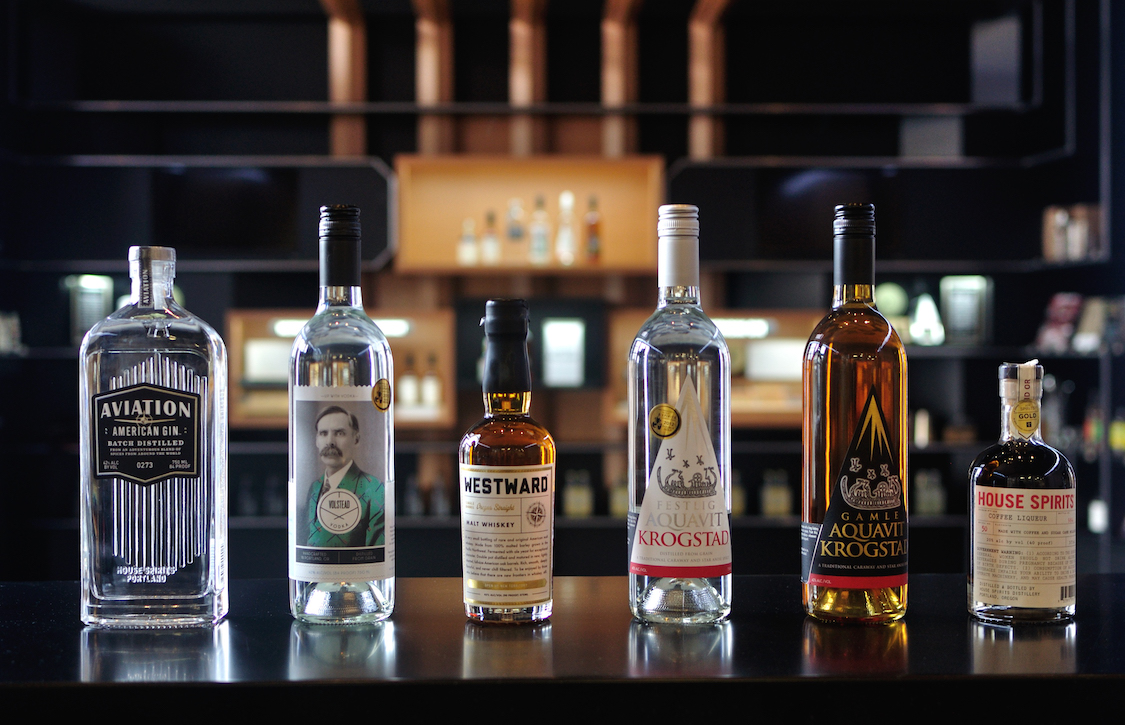
Courtesy of House Spirits

The U.S. spirits industry is finally seeing a “craft” movement take hold across bars and retail outlets in a way that could mirror the success craft brewers have had in recent years.

In a broad study backed by the American Craft Spirits Association that is being billed as a first-of-its-kind deep dive into the craft spirits movement, the industry has reportedly achieved $2.4 billion in retail sales in 2015, growing at a compound annual growth rate of 27.4% in volume. The market share for craft spirits reached 2.2% in volume last year, up sharply from 0.8% in 2010.

This growth—bolstered by the 1,315 craft distillers that are active in the U.S. today—is expected to get continued support from retailers and wholesalers, likely because they’ve seen the success craft brewers have achieved in the beer world. Within beer, craft producers now control about 12% of volume and are posting growth that far exceeds the total category. There are also well over 4,200 craft breweries today, far more than the amount of distilling peers.

Interestingly, much of the craft spirits industry’s growth is concentrated in just a handful of states. The top five states by number of craft distilleries—California, New York, Washington, Colorado and Texas—make up almost 36% of the industry’s players. Those states were also popular destinations for craft brewers. That concentration implies that there is a lot of potential for the craft spirits industry to find firmer sales in regions where there isn’t a lot of attention today.

Why is “craft” becoming a hit in the liquor world? There’s been a broad shift in a variety of beverage categories to sell more craft items that are deemed premium—meaning not mass produced, often made locally, with limited scale and distribution. That consumer-led movement is most advanced within beer, but craft is happening in spirits, soda and coffee, among other beverage categories. Some experts say “craft” can capture as much as 30% of the market in the beverage world—none of the sub-segments are even close to obtaining that market share.

As in those other beverage categories, there is an attempt to set some parameters to define exactly what “craft” means. In a move that mirrors the Brewers Association’s role in the beer world to advocate for craft brewers, the American Craft Spirits Association is aiming to set certain standards in craft. It defines craft as distillers that produce no more than 750,000 proof gallons annually. They also can’t be openly controlled by a large supplier, like say Pernod Ricard. That definition means that some popular big brands viewed as craft by some consumers, like say Tito’s vodka, don’t qualify.

The growing popularity of craft spirits has led to some deal making, similar to what the beer world has seen in recent years. Some recent transactions include Constellation Brands’ (STZ-B) $160 million acquisition of High West Distillery, Pernod Ricard’s separate deals for Monkey 47 gin and Avion tequila, and Bacardi’s takeover of Angel’s Envy bourbon.

The big challenge for the craft spirits industry: spreading the wealth. Just 2% of producers today are responsible for 60% of the cases sold. The smaller producers have tiny distribution and are almost always bleeding cash. These young businesses will need to win shelf space at local bars, restaurants and retailers in order to hunt for growth, facing a similar battle that craft brewers confronted before their market got broad support.

Still, if support from consumers and retailers mirrors the success brewers have had, the potential for craft spirits disruption can be massive. Projections by craft spirits advocates indicate that volume could increase from 4.9 million cases in 2015 to as much as 25.6 million cases by 2020 if the industry were to achieve similar market share.


About the Author
By John KellContributing Writer and author of CIO Intelligence

John Kell is a contributing writer for Fortune and author of Fortune’s CIO Intelligence newsletter.

See full bioRight Arrow Button Icon

Latest in Retail

millennial
CommentaryConsumer Spending
Meet the 2025 holiday white whale: the millennial dad spending $500+ per kid
By Phillip GoerickeDecember 12, 2025
3 days ago
McDonald
RetailRetail
Lululemon CEO Calvin McDonald to step down as quarterly profit dips 13%
By Anne D'Innocenzio and The Associated PressDecember 12, 2025
3 days ago
Sarandos
CommentaryAntitrust
Netflix, Warner, Paramount and antitrust: Entertainment megadeal’s outcome must follow the evidence, not politics or fear of integration
By Satya MararDecember 12, 2025
3 days ago
InvestingMarkets
Retail investors drive stocks to a pre-Christmas all-time high—and Wall Street sees a moment to sell
By Jim EdwardsDecember 12, 2025
3 days ago
Five panelists seated; two women and five men.
AIBrainstorm AI
The race to deploy an AI workforce faces one important trust gap: What happens when an agent goes rogue?
By Amanda GerutDecember 11, 2025
3 days ago
Oreo
RetailFood and drink
Zero-sugar Oreos headed to America for first time
By Dee-Ann Durbin and The Associated PressDecember 11, 2025
4 days ago

Most Popular

placeholder alt text
Success
40% of Stanford undergrads receive disability accommodations—but it’s become a college-wide phenomenon as Gen Z try to succeed in the current climate
By Preston ForeDecember 12, 2025
3 days ago
placeholder alt text
Success
Apple cofounder Ronald Wayne sold his 10% stake for $800 in 1976—today it’d be worth up to $400 billion
By Preston ForeDecember 12, 2025
3 days ago
placeholder alt text
Uncategorized
Transforming customer support through intelligent AI operations
By Lauren ChomiukNovember 26, 2025
19 days ago
placeholder alt text
Economy
More financially distressed farmers are expected to lose their property soon as loan repayments and incomes continue to falter
By Jason MaDecember 13, 2025
2 days ago
placeholder alt text
Energy
Everything the Trump administration is doing in Venezuela involves oil and regime change—even if the White House won’t admit it
By Jordan BlumDecember 14, 2025
21 hours ago
placeholder alt text
Economy
The Fed just ‘Trump-proofed’ itself with a unanimous move to preempt a potential leadership shake-up
By Jason MaDecember 12, 2025
2 days ago
Rankings
  • 100 Best Companies
  • Fortune 500
  • Global 500
  • Fortune 500 Europe
  • Most Powerful Women
  • Future 50
  • World’s Most Admired Companies
  • See All Rankings
Sections
  • Finance
  • Leadership
  • Success
  • Tech
  • Asia
  • Europe
  • Environment
  • Fortune Crypto
  • Health
  • Retail
  • Lifestyle
  • Politics
  • Newsletters
  • Magazine
  • Features
  • Commentary
  • Mpw
  • CEO Initiative
  • Conferences
  • Personal Finance
  • Education
Customer Support
  • Frequently Asked Questions
  • Customer Service Portal
  • Privacy Policy
  • Terms Of Use
  • Single Issues For Purchase
  • International Print
Commercial Services
  • Advertising
  • Fortune Brand Studio
  • Fortune Analytics
  • Fortune Conferences
  • Business Development
About Us
  • About Us
  • Editorial Calendar
  • Press Center
  • Work At Fortune
  • Diversity And Inclusion
  • Terms And Conditions
  • Site Map

© 2025 Fortune Media IP Limited. All Rights Reserved. Use of this site constitutes acceptance of our Terms of Use and Privacy Policy | CA Notice at Collection and Privacy Notice | Do Not Sell/Share My Personal Information
FORTUNE is a trademark of Fortune Media IP Limited, registered in the U.S. and other countries. FORTUNE may receive compensation for some links to products and services on this website. Offers may be subject to change without notice.