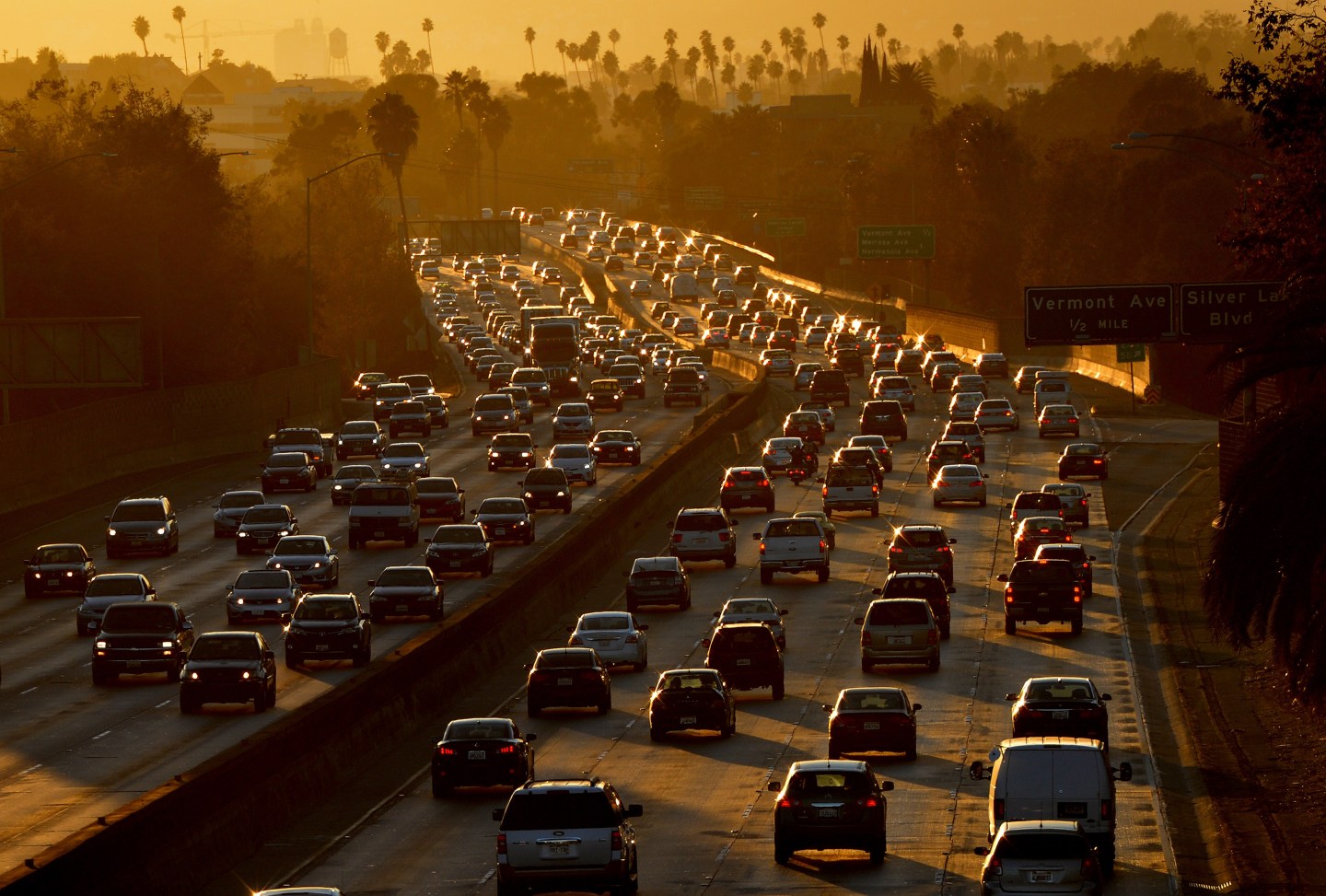
Over the years, the U.S. government has relied on laws and safety outreach programs to help reduce the number of traffic deaths. And it’s been successful. Ten years ago, 25% more people died in traffic accidents than in 2015. Now, with traffic deaths rising by the largest percentage in 50 years, the government is turning to tech and data scientists.
The number of people who died on U.S. roads last year spiked 7.2% to 35,092 from 2014, the biggest increase in five decades, according to final data released Monday by U.S. Department of Transportation’s National Highway Traffic Safety Administration. The previous single-year increase of this size was in 1966, when fatalities rose 8.1% from the year before.
And no one was left unscathed. The data shows traffic deaths rose across nearly every segment of the population from pedestrians and motorcyclists to occupants of passenger cars to bicyclists. Most traffic accidents statistic rose in 2015 from the previous year: Injuries increased 2.4% to 2.44 million and police-reported crashes were up 3.8% to 6.3 million. Last year, was particularly bad for pedestrians and bicyclists. Even though, the number of bicyclists injured in traffic accidents dropped 10% last year to 45,000 people, more of them died. Bicyclist fatalities increased 12.2% to 818 people last year, the highest level since 1995. Pedestrian fatalities increased 9.5% to 5,376 people, the highest number since 1996.
Get Data Sheet, Fortune’s daily newsletter about the business of technology.
The across-the-board increases have prompted regulators to find answers. They already know that job growth and low fuel prices likely caused more people to get behind the wheel, which could have contributed to the rise in accidents. In 2015, vehicle miles traveled rose 3.5% over 2014, the largest increase in 25 years. And the data shows that humans are behind most accidents. One in three fatalities involved drunk drivers or speeding; and one in 10 traffic deaths was caused by a distracted driver, according to NHTSA. Now, regulators want to dig into the data to find ways to reduce deaths, or at least keep them from rising.
On Monday, U.S. Transportation Secretary Anthony Foxx called on researchers, safety experts, data scientists, and even the public to analyze the fatality data and better understand what’s causing the rise. NHTSA chief Mark Rosekind and DJ Patil, chief data scientist at the White House made their own plea (via a blog post) for help determining the causes behind the increase in traffic deaths. They noted that a handful of companies are already providing tools and data to find answers. For example, StreetLight Data, which takes geographic data from mobile devices and translates it to easy-to-understand info to show travel patterns, is providing free access to its data sets related to driving patterns near fatal crashes. Researchers and data scientists can request access to the data, which is available at no cost through the end of 2017, according to the blog post.
Rosekind and Patil also noted the work of CARTO, Mapbox, and Waze. CARTO is making NHTSA’s Fatality Analysis Reporting System data available to the public through its platform. Researchers can combine data from other government and private sector sources. Mapbox, a mapping platform for developers, is developing interactive tools to help better educate citizens about fatal crashes. Waze, the real-time traffic and navigation app owned by Google, has partnered with the Transportation Department to share data through a free program designed for city planners and elected officials to help improve congestion.
This turn towards tech isn’t entirely new. The Obama Administration sees self-driving cars and connected cities as pathways to fewer traffic deaths. NHTSA is creating guidelines for how automated vehicle technology should be tested and regulated, and Sidewalk Labs, a subsidiary of Google parent company Alphabet, is working with the Transportation Department and a handful of cities to develop ways to improve traffic congestion, find smarter ways to move people around urban centers, and prepare for self-driving cars.
Google’s Sidewalk Labs could ease cities’ growing pains:
The government also sponsored the Smart City Challenge. The competition encouraged medium-sized cities to use technology, data, and creativity to reduce traffic and emissions, boost productivity, and provide residents with greater access to public transportation as well as newer private forms of transit like ride-sharing services. Columbus, OH, which was named the winner in June, received $50 million from the U.S. government and competition sponsor Vulcan Inc. to carry out a plan that includes electric self-driving shuttles, traffic signals that communicate with vehicles so the signal adjusts in real-time to reduce congestion, and a new transit card that gives anyone, including those who don’t have credit cards or bank accounts, access to transportation.
But with numbers on the rise, there will likely be a renewed push to accelerate the development of autonomous vehicles.
The increase in traffic deaths doesn’t appear to be a one-year blip either. A report released in August by the National Safety Council found there were 9% more fatal motor vehicle accidents from January to June 2016 compared with the same period last year. The NSC estimates about 438 people will be killed in traffic crashes during the Labor Day holiday weekend that begins Friday. This is the group’s highest estimate since 2008 when it predicted 439 deaths and 473 people actually died.