• Home
  • Latest
  • Fortune 500
  • Finance
  • Tech
  • Leadership
  • Lifestyle
  • Rankings
  • Multimedia
LeadershipBrexit

How Psychology Made the Brexit Vote Inevitable

By
Jeffrey Kluger
Jeffrey Kluger
and
TIME
TIME
Down Arrow Button Icon
By
Jeffrey Kluger
Jeffrey Kluger
and
TIME
TIME
Down Arrow Button Icon
June 26, 2016, 11:32 AM ET
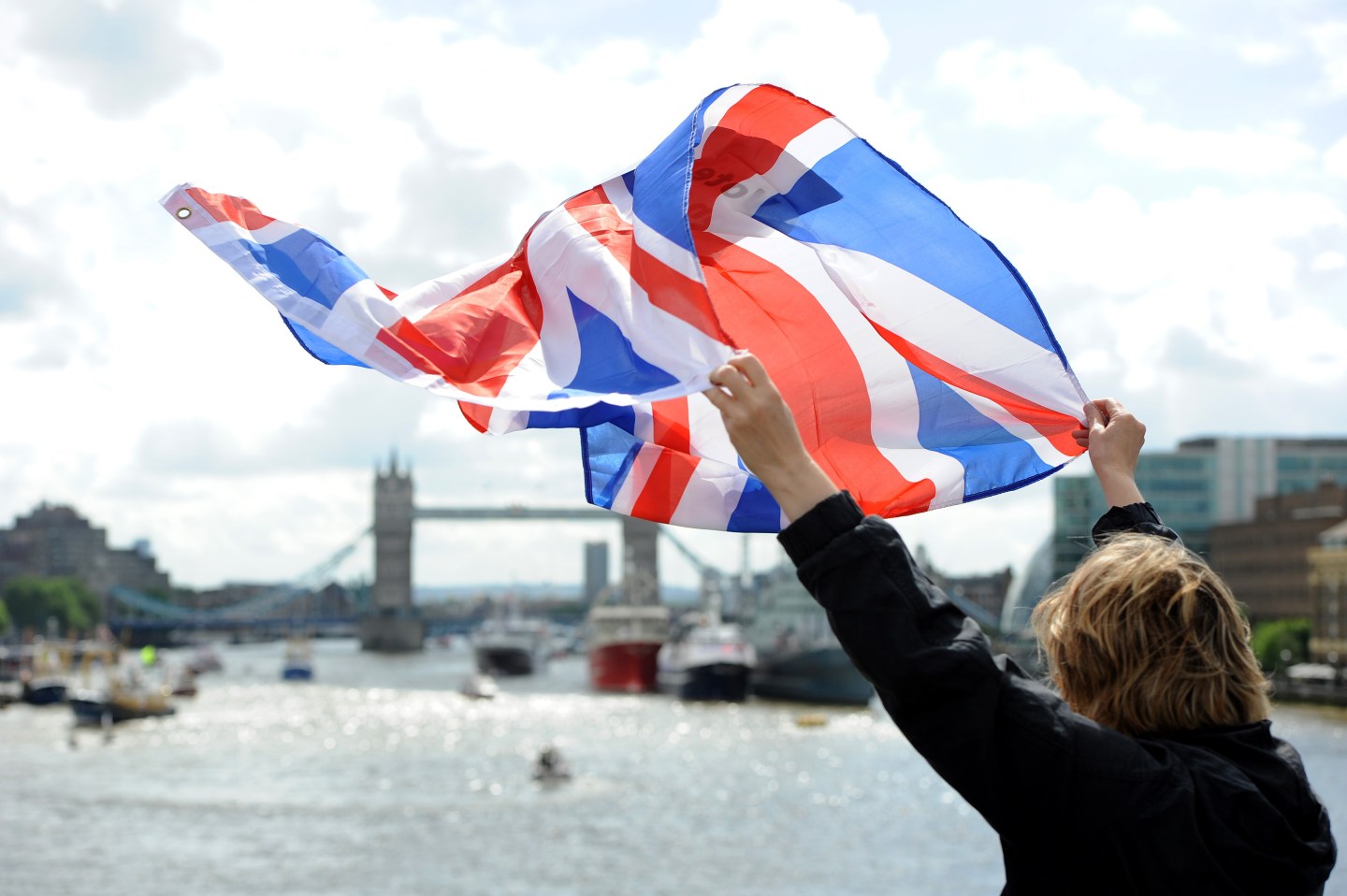
Fishing boat campaigning for Brexit in London
A leave supporter is seen as fishing boats campaigning for Brexit sail down the Thames through central London, United Kingdom on June 15, 2016. A Brexit flotilla of fishing boats sailed up the River Thames into London today with foghorns sounding, during a protest against EU fishing quotas by the campaign for Britain to leave the European Union. Photograph by Anadolu Agency—Getty Images

The Brexit vote may or may not be a good thing for the U.K., but it means boom times for the adjective industry, with commentators and politicians falling all over themselves to come up with different ways of saying that the world was surprised the results. We have been alternately stunned, roiled, shocked, jolted, rattled and—as is inevitable whenever the Brits are involved—gobsmacked by the news.

But there’s one group of folks who haven’t been the slightest bit surprised: the psychologists—and if we’d asked them first, we might not be either. The Brexit vote was motivated by politics and economics, yes, but it was more primally a function of the irrational ways of the human mind—something worth considering if the rest of the European Union hopes to have a future together.

The most predictable part of the fracture in the alliance was that of all of the countries that have grumbled about leaving the E.U. since its formation, it was the Brits who jumped first. There is nothing that makes individuals or groups less likely to immerse their identities into that of a larger group than the belief that they were bigger and better on their own.

Greece and Italy were once home to the world’s dominant cultures, but their period of primacy was millennia ago. The era when the sun never set on the British empire, by contrast, occurred in the lifetimes of some living—if aged—Britons. For the rest, that golden time was less ancient history than oral history, a period described to them in the first person by their parents and grandparents. That made the idea of being just one of 28 especially hard to swallow.

“Britain once ruled the waves and has been diminished for a long time,” says psychologist Frank Farley of Temple University, who studies risk-taking, history and political psychology. “It remains a power in Europe for sure, but it’s diminished to the island geography. We shouldn’t be surprised that at a deep level, Britons chafed at just being one cog in the wheel as opposed to the wheel.”

Just as important as national identity was national autonomy. Decision-making in the E.U. was always going to be cumbersome, with a brand-new bureaucracy in Brussels voting on everything from import regulations to the proper curvature of a banana. That’s more than just inefficient, however, it’s also a bit galling, with no nation much liking it when its voice must compete with those of so many others. And loss of voice is a key factor in separatism and secession.

“Social researchers know that identity with a group is normally stronger when one has a sense of having a voice within that group,” says psychologist Fabio Sani of Scotland’s University of Dundee. “I sense that many of the anti-European people wanted to exit because they felt that the U.K. doesn’t have that in Europe.”

Calling for a vote—as soon-to-be former Prime Minister David Cameron promised to do when he ran for re-election in 2013—can be a good way to break that kind of nationalist fever. Certainly, it worked in the 2014 Scottish independence referendum. Voters may have had a high-old time during the campaign with their blue and white face paint and their Braveheart posters, but once it came time to make a decision, they voted by a convincing 55 to 45 majority to remain a part of Great Britain. In the current vote, that strategy failed.

“I think Cameron thought he’d win the vote and then silence the opposing voices in his party and elsewhere,” says Sani. “What he miscalculated was thinking that enough voters had the same perspective on the E.U. as he did. They didn’t.”

One reason for that—which Cameron might not have been able to foresee three years ago—is the alarming rise in nativism across the continent. The immigration crisis caused by the Syrian civil war has given European nationalists—who have always been there—an unfortunate boost, and the terrorist attacks in Paris, Orlando and elsewhere have allowed them to spin that into open xenophobia. The U.K. may not have a fog-horn figure like Donald Trump calling for building walls around the island, but that doesn’t mean that the same kind of close-the-border dynamic wasn’t in play.

“There’s a very legitimate reason to be concerned about immigration,” says psychologist Drew Westen of Emory University. “Unfortunately ISIS has given would-be fence-sitters the permission to vote out of some combination of conscious or unconscious prejudice or bias.” That hardly means that pro-Brexit Britons acted out of racism; it does mean that people who do traffic in racism had more power to influence voters than they would have had in more peaceable times.

One question going forward is whether the Brexit vote will lead to an exit contagion across Europe. America’s own experience with secession does not portend good things. The South did not walk out en masse before the Civil War. There were eleven serial secessions—beginning with South Carolina and ending with Tennessee—from December of 1860 to June of 1861, with five states quitting over the course of just 17 days in January. A bandwagon, once started, can be hard to stop.

“I think it does pose a risk in Europe,” says Farley. “Much of this is emotional. People aren’t putting together a ledger with the negatives and positives of staying or leaving and then coming to a conclusion. A lot of voting is that way.”

For now, E.U. leaders will have to remove only one chair from the continental conference table, and the challenges Britain faces as it unwinds its relationship with the rest of Union will likely play a big role in determining if any other members follow. As with all things political, however, psychology will play at least as big a role as reason in the decisions those countries make. It’s a messy truth, but it’s an entirely human one too.

This article was originally published on Time.com.
About the Authors
By Jeffrey Kluger
See full bioRight Arrow Button Icon
By TIME
See full bioRight Arrow Button Icon

Latest in Leadership

Finance
Lorem ipsum dolor sit amet, consectetur adipiscing elit, sed do eiusmod tempor incididunt ut labore et dolore magna aliqua. Ut enim ad minim veniam
By Fortune Editors
October 20, 2025
Finance
Lorem ipsum dolor sit amet, consectetur adipiscing elit, sed do eiusmod tempor incididunt ut labore et dolore magna aliqua. Ut enim ad minim veniam
By Fortune Editors
October 20, 2025
Finance
Lorem ipsum dolor sit amet, consectetur adipiscing elit, sed do eiusmod tempor incididunt ut labore et dolore magna aliqua. Ut enim ad minim veniam
By Fortune Editors
October 20, 2025
Finance
Lorem ipsum dolor sit amet, consectetur adipiscing elit, sed do eiusmod tempor incididunt ut labore et dolore magna aliqua. Ut enim ad minim veniam
By Fortune Editors
October 20, 2025
Finance
Lorem ipsum dolor sit amet, consectetur adipiscing elit, sed do eiusmod tempor incididunt ut labore et dolore magna aliqua. Ut enim ad minim veniam
By Fortune Editors
October 20, 2025
Finance
Lorem ipsum dolor sit amet, consectetur adipiscing elit, sed do eiusmod tempor incididunt ut labore et dolore magna aliqua. Ut enim ad minim veniam
By Fortune Editors
October 20, 2025

Most Popular

Finance
Lorem ipsum dolor sit amet, consectetur adipiscing elit, sed do eiusmod tempor incididunt ut labore et dolore magna aliqua. Ut enim ad minim veniam
By Fortune Editors
October 20, 2025
Finance
Lorem ipsum dolor sit amet, consectetur adipiscing elit, sed do eiusmod tempor incididunt ut labore et dolore magna aliqua. Ut enim ad minim veniam
By Fortune Editors
October 20, 2025
Finance
Lorem ipsum dolor sit amet, consectetur adipiscing elit, sed do eiusmod tempor incididunt ut labore et dolore magna aliqua. Ut enim ad minim veniam
By Fortune Editors
October 20, 2025
Finance
Lorem ipsum dolor sit amet, consectetur adipiscing elit, sed do eiusmod tempor incididunt ut labore et dolore magna aliqua. Ut enim ad minim veniam
By Fortune Editors
October 20, 2025
Finance
Lorem ipsum dolor sit amet, consectetur adipiscing elit, sed do eiusmod tempor incididunt ut labore et dolore magna aliqua. Ut enim ad minim veniam
By Fortune Editors
October 20, 2025
Finance
Lorem ipsum dolor sit amet, consectetur adipiscing elit, sed do eiusmod tempor incididunt ut labore et dolore magna aliqua. Ut enim ad minim veniam
By Fortune Editors
October 20, 2025
Fortune Secondary Logo
Rankings
  • 100 Best Companies
  • Fortune 500
  • Global 500
  • Fortune 500 Europe
  • Most Powerful Women
  • Future 50
  • World’s Most Admired Companies
  • See All Rankings
Sections
  • Finance
  • Fortune Crypto
  • Features
  • Leadership
  • Health
  • Commentary
  • Success
  • Retail
  • Mpw
  • Tech
  • Lifestyle
  • CEO Initiative
  • Asia
  • Politics
  • Conferences
  • Europe
  • Newsletters
  • Personal Finance
  • Environment
  • Magazine
  • Education
Customer Support
  • Frequently Asked Questions
  • Customer Service Portal
  • Privacy Policy
  • Terms Of Use
  • Single Issues For Purchase
  • International Print
Commercial Services
  • Advertising
  • Fortune Brand Studio
  • Fortune Analytics
  • Fortune Conferences
  • Business Development
  • Group Subscriptions
About Us
  • About Us
  • Editorial Calendar
  • Press Center
  • Work At Fortune
  • Diversity And Inclusion
  • Terms And Conditions
  • Site Map
  • About Us
  • Editorial Calendar
  • Press Center
  • Work At Fortune
  • Diversity And Inclusion
  • Terms And Conditions
  • Site Map
  • Facebook icon
  • Twitter icon
  • LinkedIn icon
  • Instagram icon
  • Pinterest icon

Latest in Leadership

yale
PoliticsColleges and Universities
Teacher, blame thyself: Yale report savages Ivy League schools for destroying American trust in higher education
By Nick LichtenbergApril 15, 2026
7 hours ago
People protesting against tax giants.
PoliticsTaxes
How a free tax filing system from the government went from 296,000 users to zero in just one year
By Catherina GioinoApril 15, 2026
10 hours ago
Boss has lunch with her workers outside
Successcompany culture
A $24 billion Dutch lender is cutting its workforce—and to get the remaining staff on board, the CEO is having sandwiches with them
By Emma BurleighApril 15, 2026
12 hours ago
Sal Khan
SuccessEducation
This CEO has teamed up with Google, Microsoft, and McKinsey to build an AI degree that could rival Harvard—and it will cost only $10,000 to attend
By Preston ForeApril 15, 2026
12 hours ago
Why insurance giant Travelers’ CTO is placing fewer, bigger bets on AI
NewslettersCIO Intelligence
Why insurance giant Travelers’ CTO is placing fewer, bigger bets on AI
By John KellApril 15, 2026
13 hours ago
horowitz
AIdisruption
A16z’s Ben Horowitz sees ‘AI anxiety’ consuming Silicon Valley founders. Workers’ fear of something else is killing adoption
By Nick LichtenbergApril 15, 2026
13 hours ago

Most Popular

Jeff Bezos pledged $10 billion for climate change. With the 2030 clock ticking, his wife, Lauren Sánchez Bezos, is leading the charge to spend it
Environment
Jeff Bezos pledged $10 billion for climate change. With the 2030 clock ticking, his wife, Lauren Sánchez Bezos, is leading the charge to spend it
By Fortune EditorsApril 15, 2026
13 hours ago
Billionaire philanthropist MacKenzie Scott has donated again—a week after gifting millions to a college, she's just given $70 million to Meals on Wheels America
Success
Billionaire philanthropist MacKenzie Scott has donated again—a week after gifting millions to a college, she's just given $70 million to Meals on Wheels America
By Fortune EditorsApril 13, 2026
3 days ago
Palantir CEO says working at his $316 billion software company is better than a degree from Harvard or Yale: ‘No one cares about the other stuff’
Success
Palantir CEO says working at his $316 billion software company is better than a degree from Harvard or Yale: ‘No one cares about the other stuff’
By Fortune EditorsApril 14, 2026
2 days ago
Economists warned California not to raise the minimum wage to $20. They were wrong in almost every way so far, another economist says
Economy
Economists warned California not to raise the minimum wage to $20. They were wrong in almost every way so far, another economist says
By Fortune EditorsApril 15, 2026
17 hours ago
The billionaire Anthropic cofounder who majored in literature says knowing how to ask the right questions beats knowing how to code
Success
The billionaire Anthropic cofounder who majored in literature says knowing how to ask the right questions beats knowing how to code
By Fortune EditorsApril 14, 2026
1 day ago
Current price of oil as of April 15, 2026
Personal Finance
Current price of oil as of April 15, 2026
By Fortune EditorsApril 15, 2026
15 hours ago

© 2026 Fortune Media IP Limited. All Rights Reserved. Use of this site constitutes acceptance of our Terms of Use and Privacy Policy | CA Notice at Collection and Privacy Notice | Do Not Sell/Share My Personal Information
FORTUNE is a trademark of Fortune Media IP Limited, registered in the U.S. and other countries. FORTUNE may receive compensation for some links to products and services on this website. Offers may be subject to change without notice.