Is capitalism broken? If so, can it be fixed?
Amid the name-calling and juvenile distractions, these have been among the most pressing questions of the 2016 presidential primary race.
Republican Donald Trump and Democrat Bernie Sanders have impressed on voters the notion that everything that they have been told for the past 30 years—Free trade creates jobs! The world is flat! We’ve reached the end of history!—has been a lie, a sham cooked up to protect corporations that line the pockets of the same politicians (or their disciples) who created the world we live in.
This is the world that British journalist Paul Mason addresses in his book Postcapitalism: A Guide to Our Future, published in the U.K. in 2015 and earlier this year in the U.S. Mason, who is a veteran lefty and the economics editor of Channel 4 News in the U.K., argues that the current iteration of capitalism, neoliberalism — prevalent mostly in western democracies — is sick and dying.
What exactly is neoliberalism? It may be tempting (but misleading) to compare it with neoconservatism, the political philosophy that defined George W. Bush’s presidency. Neoconservatism refers generally to the belief that the United States and its allies should have a muscular, active foreign policy, using American military might to spread American values abroad.
Neoliberalism, on the other hand, is an economic principle. It refers to the belief that markets should be frictionless and unfettered by things like regulation or organized labor. Neoliberalism has its roots in the Chicago School of economics pioneered by Milton Friedman in the 1970s. The concept found its footing in the 1970s and 80s, with champions like Chile’s Augusto Pinochet, Ronald Reagan, and Margaret Thatcher. It then evolved into a basic economic outlook for major political parties in much of the Western world. Neoliberalism’s stature reached new heights in the 1990s, when President Bill Clinton signed the North American Free Trade Agreement and British Prime Minister Tony Blair created the “New Labour” movement, moving the Labour Party away from its trade union roots.
But the go-go 1990s feels like a distant memory today. And in his book, Mason suggests a way forward, drawing on classical Marxist theory that’s been updated for the information age.
Mason argues for what he calls a postcapitalist society. Such a system would include universal basic income; a socialized finance system; increased collaborative work; and increased regulation to prevent the growth of low-wage, low-growth jobs. Imagine if we could all enjoy the benefits that sharing economy companies like Uber offer its participants but companies also paid enough taxes to pay for programs that support those workers.
Other wealthy nations, especially in Europe, do offer some level of government assistance, like universal health care. Mason’s plan is to expand that and, in doing so, move beyond the notion that everyone has to work a traditional “job” that takes up the majority of their time. It’s not all that different from Keynes’ vision of a leisure society. If someone doesn’t have to work 40 hours a week in a data entry job just to be able to eat, the thinking goes, they could pursue their passions, whether that’s computer programming, art, or editing open source projects like Wikipedia.
So, how does all of this tie in to the 2016 presidential election? It starts, of course, with Bernie Sanders and Donald Trump, both of whom have channeled voters’ frustration and anger with an economic world that, they feel, has left them behind.
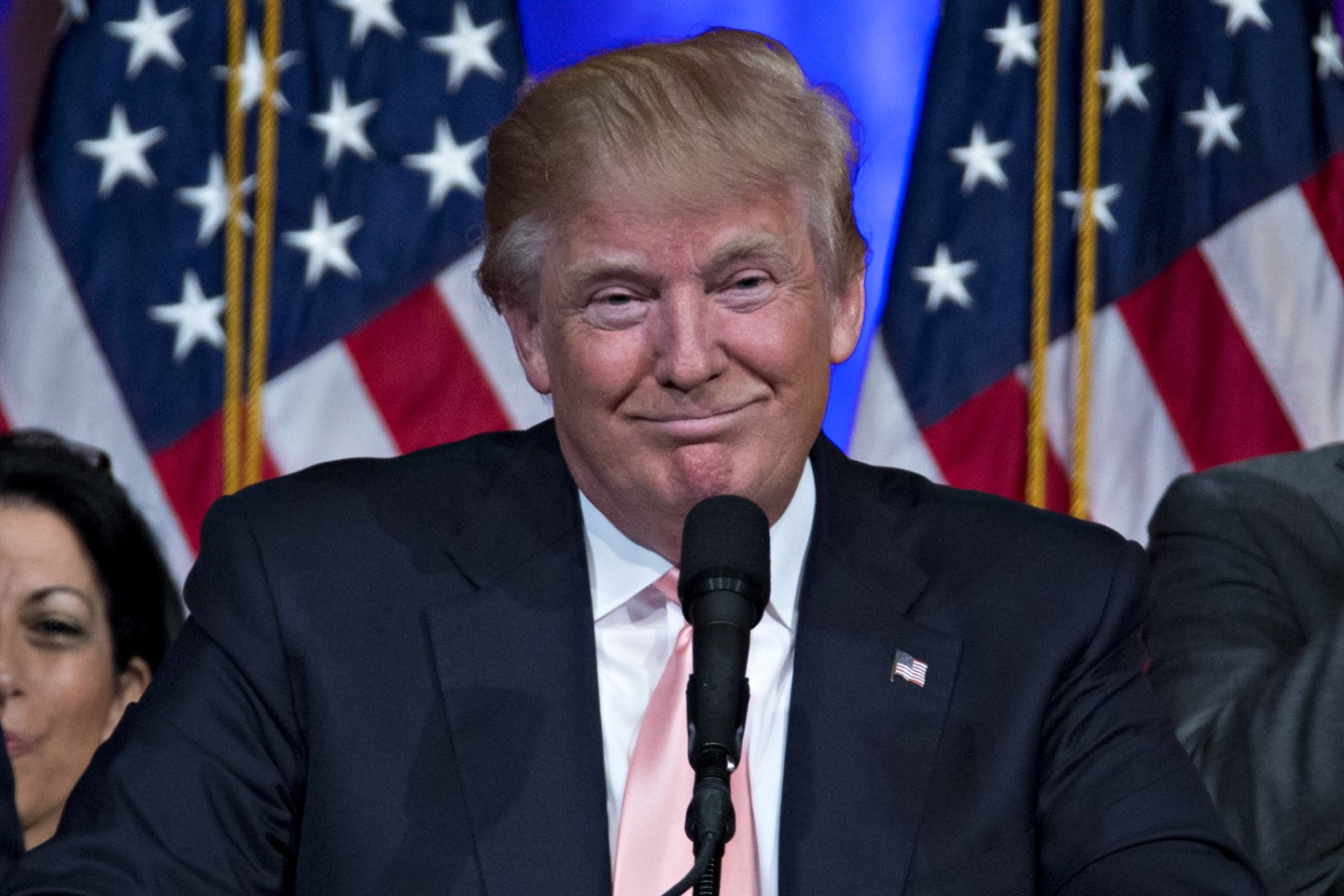
In an interview from London, Mason was quick to dismiss Trump, calling him “a showman and a charlatan and a racist.” He claims that the rise of Trump is proof that neoliberalism is broken. With people left as adrift as they are, he says, “it’s no surprise that an empty can rises like flotsam.”
Mason says that Sanders is different. To the author, the Vermont senator represents a desire to move beyond the business-dominated, anti-union politics and economics that many of us have grown used to. He notes that the truly radical thing about Sanders has nothing to do with his tax plans or his bid to expand government services; it’s that he wants to rein in the Federal Reserve, taking authority away from the power brokers at the central bank who have had considerable sway over America’s economic destiny for nearly 100 years.
In many ways, it is remarkable that candidates who speak against free trade the way Sanders and Trump have have had significant traction this primary election season. But the signs have been there over the past few years. Wendy Brown, a political scientist at the University of California, notes that the Occupy movement was among the first to point out the dangers of the neoliberal economic system.
Republicans, of course, would never go for Mason’s suggestions; just this month, John Kasich called for the “Uberization” of the federal government. Uber, with its limited rights and benefits for drivers, is in many ways the poster child for the neoliberal dream.
Mason’s book offers a stark portrait of a potential future in which inequality grows to unimaginable heights, leading to social unrest. “I can see within a century the end of the market system as we know it,” Mason says.
That may sound a bit extreme. But in a world where more and more people feel like the economy has flat out left them behind, it would be foolish to disregard what should come next.