• Home
  • Latest
  • Fortune 500
  • Finance
  • Tech
  • Leadership
  • Lifestyle
  • Rankings
  • Multimedia

How I Used ‘Millennialist Capitalism’ to Help My Employees

By
Matthew Scanlan
Matthew Scanlan
Down Arrow Button Icon
By
Matthew Scanlan
Matthew Scanlan
Down Arrow Button Icon
January 1, 2016, 8:00 AM ET
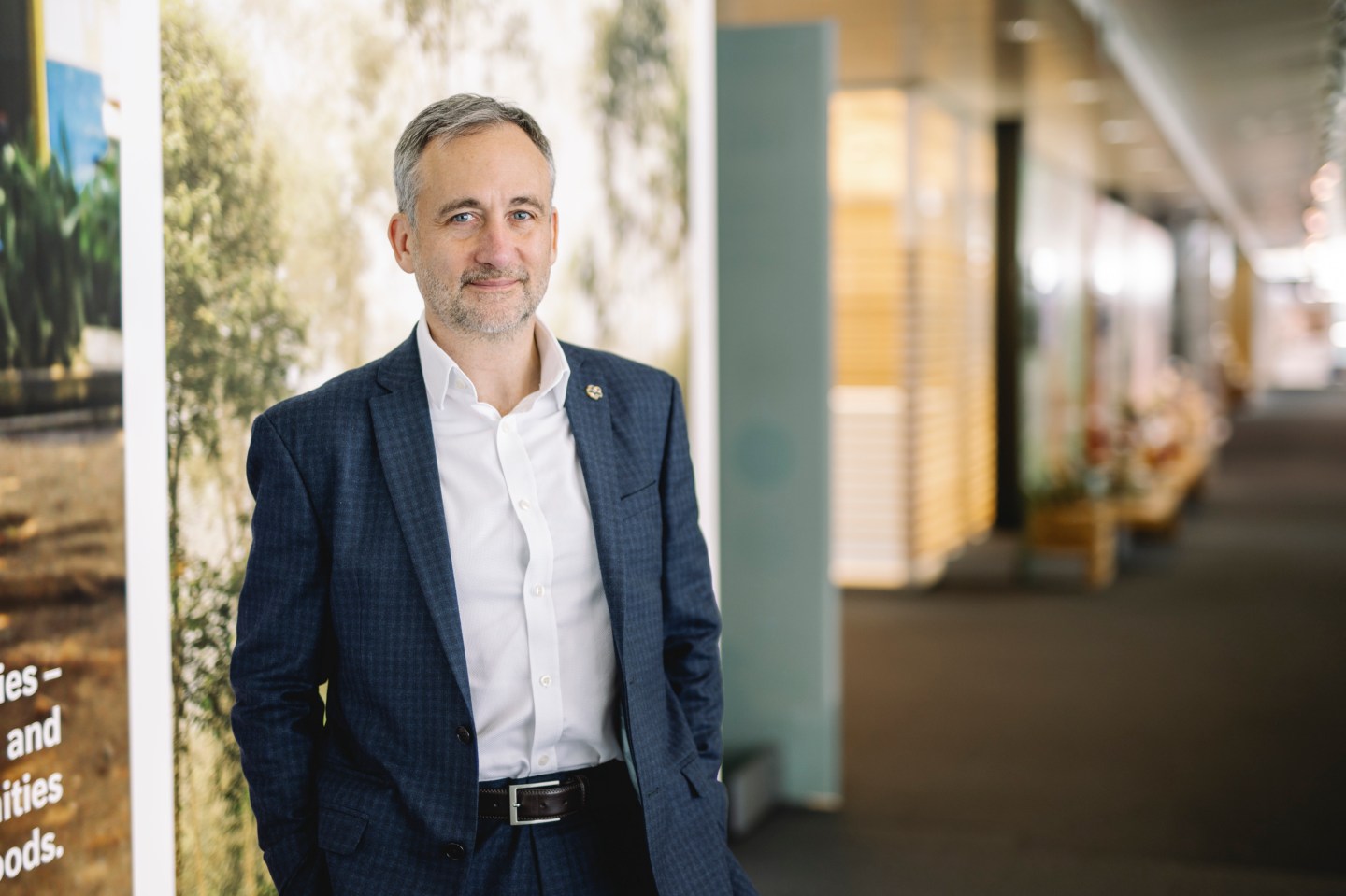
Matthew Scanlan, CEO and co-founder of Naadam Cashmere, travels to Mongolia to work with nomadic Mongolian herders.
Matthew Scanlan, CEO and co-founder of Naadam Cashmere, travels to Mongolia to work with nomadic Mongolian herders.Photo: Taylor Weidman

When we think of “rigging the system,” we connote something deleterious – and rightfully so. My goal has been to change that perspective. I wanted to rig the system in the favor of the people I worked with as well as the people who worked for me.

My business partner Diederik Rijsemus and I are the founders of Naadam Cashmere, a socially-conscious brand that sources cashmere from local herders in Mongolia. When we started the company, we were confronted with a wave of inconsistencies that permeated from the bottom to the top of the supply chain. Frankly, it was BS.

At the bottom of our supply chain are the people who herd goats and sell cashmere. They are the best in the world at what they do, and the trade has been passed down for centuries. These herders know the land and the practices better than anyone else, yet they are often taken advantage of. These are the most remarkable people on Earth – most of the women are stronger and tougher than NFL players. However, the system doesn’t work in their favor.

Here’s how it works: outside traders come in to the market and force prices down. They buy as cheap as possible and sell up to make a margin. The average margin determines the global commodity cost average. The herder never realizes the value of his organic, hard-earned materials.

We realized that if we went directly to the source, we could remove the middleman. This allowed us to outbid the other traders and provide fair value for the cashmere we were purchasing, while still pricing ourselves lower then the competition. In order to achieve this, we held auctions where we worked with local government officials to pre-set prices about the average cost. We set the price high because we don’t need the margin. We then got our pick at the whole lot, while also positively impacting the communities and the livelihood of the herders. The ultimate goal was to rig this decades-old trading system to favor the base of the supply chain, while also making a profit. It is not Marxism – I call it “millennialist capitalism.”

We believe supporting the community can actually be good for our bottom line. Our supply chain uses social impact investing as a tool to positively impact the lives of the people we work with directly and indirectly. I use a simple principle that Fortune 500 companies have known for years – if you invest in your employees, profitability increases. For instance, Google (GOOGL) is known for its lucrative compensation packages as well as the opportunity to grow within the company. In other words, Google invests company profits directly back into the supply chain. Google’s supply chain may look different than mine, but the concept is the same. The difference is that my employees happen to be nomadic Mongolian herders. Their names are not Brad, Steve or Melissa, and they don’t sit three desks down from me. But I also have to take the time to fully understand what truly incentivizes them. Diederik and I travel to Mongolia, drive 20 hours through mountain roads to get to them, but the conversation is similar. We ask them about the resources they need, how we can address their pain points and how we can help them achieve their goals. We then determine the best way to incentivize them and invest our profits into the things that affect them most. For instance, the health of their animals is very important, so we invest in veterinary programs for every herder that we buy from. Healthy animals create stronger, healthier fibers that are more valuable. We then buy them at an increased value. The happiness and health of our herders and their livestock have a direct impact on the value of our materials.

The fashion industry has never really operated like this – it has primarily existed to increase profit margins by marginalizing communities and people at the bottom of the supply chain. We found a way of increasing profit margin without hurting people, and we are transparent about the entire process. This year, we bought 40 tons of cashmere and gave $150,000 back to The Gobi Revival Fund NGO, which inoculated 250,000 goats for 1,000 families providing 100% coverage to an entire region.

This is social-impact investing in supply chain economics. It feels like the right way to do business.

About the Author
By Matthew Scanlan
See full bioRight Arrow Button Icon

Latest in

JPMorganChase CEO Jamie Dimon says AI will eliminate jobs—and that soft skills will be more important than ever.
Future of WorkTech
Jamie Dimon says soft skills like emotional intelligence and communication are vital as AI eliminates roles
By Nino PaoliDecember 14, 2025
1 hour ago
North Americagun violence
At least 2 killed and 8 injured hurt in shooting at Brown University with suspect still at large
By Kimberlee Kruesi, Alanna Durkin Richer, Jennifer McDermott and The Associated PressDecember 13, 2025
10 hours ago
North AmericaMexico
U.S., Mexico strike deal to settle Rio Grande water dispute
By Fabiola Zerpa and BloombergDecember 13, 2025
10 hours ago
InvestingSports
Big 12 in advanced talks for deal with RedBird-backed fund
By Giles Turner and BloombergDecember 13, 2025
11 hours ago
AIchief executive officer (CEO)
Microsoft AI boss Suleyman opens up about his peers and calls Elon Musk a ‘bulldozer’ with ‘superhuman capabilities to bend reality to his will’
By Jason MaDecember 13, 2025
11 hours ago
Danish military forces participate in an exercise with hundreds of troops from several European NATO members in the Arctic Ocean in Nuuk, Greenland, Monday, Sept. 15, 2025.
PoliticsDonald Trump
Danish intelligence report warns of U.S. economic leverage and military threat under Trump
By The Associated PressDecember 13, 2025
12 hours ago

Most Popular

placeholder alt text
Success
Apple cofounder Ronald Wayne sold his 10% stake for $800 in 1976—today it’d be worth up to $400 billion
By Preston ForeDecember 12, 2025
2 days ago
placeholder alt text
Economy
Tariffs are taxes and they were used to finance the federal government until the 1913 income tax. A top economist breaks it down
By Kent JonesDecember 12, 2025
2 days ago
placeholder alt text
Success
40% of Stanford undergrads receive disability accommodations—but it’s become a college-wide phenomenon as Gen Z try to succeed in the current climate
By Preston ForeDecember 12, 2025
2 days ago
placeholder alt text
Economy
The Fed just ‘Trump-proofed’ itself with a unanimous move to preempt a potential leadership shake-up
By Jason MaDecember 12, 2025
2 days ago
placeholder alt text
Success
Apple CEO Tim Cook out-earns the average American’s salary in just 7 hours—to put that into context, he could buy a new $439,000 home in just 2 days
By Emma BurleighDecember 12, 2025
2 days ago
placeholder alt text
Economy
For the first time since Trump’s tariff rollout, import tax revenue has fallen, threatening his lofty plans to slash the $38 trillion national debt
By Sasha RogelbergDecember 12, 2025
2 days ago
Rankings
  • 100 Best Companies
  • Fortune 500
  • Global 500
  • Fortune 500 Europe
  • Most Powerful Women
  • Future 50
  • World’s Most Admired Companies
  • See All Rankings
Sections
  • Finance
  • Leadership
  • Success
  • Tech
  • Asia
  • Europe
  • Environment
  • Fortune Crypto
  • Health
  • Retail
  • Lifestyle
  • Politics
  • Newsletters
  • Magazine
  • Features
  • Commentary
  • Mpw
  • CEO Initiative
  • Conferences
  • Personal Finance
  • Education
Customer Support
  • Frequently Asked Questions
  • Customer Service Portal
  • Privacy Policy
  • Terms Of Use
  • Single Issues For Purchase
  • International Print
Commercial Services
  • Advertising
  • Fortune Brand Studio
  • Fortune Analytics
  • Fortune Conferences
  • Business Development
About Us
  • About Us
  • Editorial Calendar
  • Press Center
  • Work At Fortune
  • Diversity And Inclusion
  • Terms And Conditions
  • Site Map

© 2025 Fortune Media IP Limited. All Rights Reserved. Use of this site constitutes acceptance of our Terms of Use and Privacy Policy | CA Notice at Collection and Privacy Notice | Do Not Sell/Share My Personal Information
FORTUNE is a trademark of Fortune Media IP Limited, registered in the U.S. and other countries. FORTUNE may receive compensation for some links to products and services on this website. Offers may be subject to change without notice.