• Home
  • Latest
  • Fortune 500
  • Finance
  • Tech
  • Leadership
  • Lifestyle
  • Rankings
  • Multimedia
Tech

Why China Wants to Build Its Own Smartphone Software

By
Kif Leswing
Kif Leswing
Down Arrow Button Icon
By
Kif Leswing
Kif Leswing
Down Arrow Button Icon
November 20, 2015, 11:09 AM ET
China Daily Life - Internet
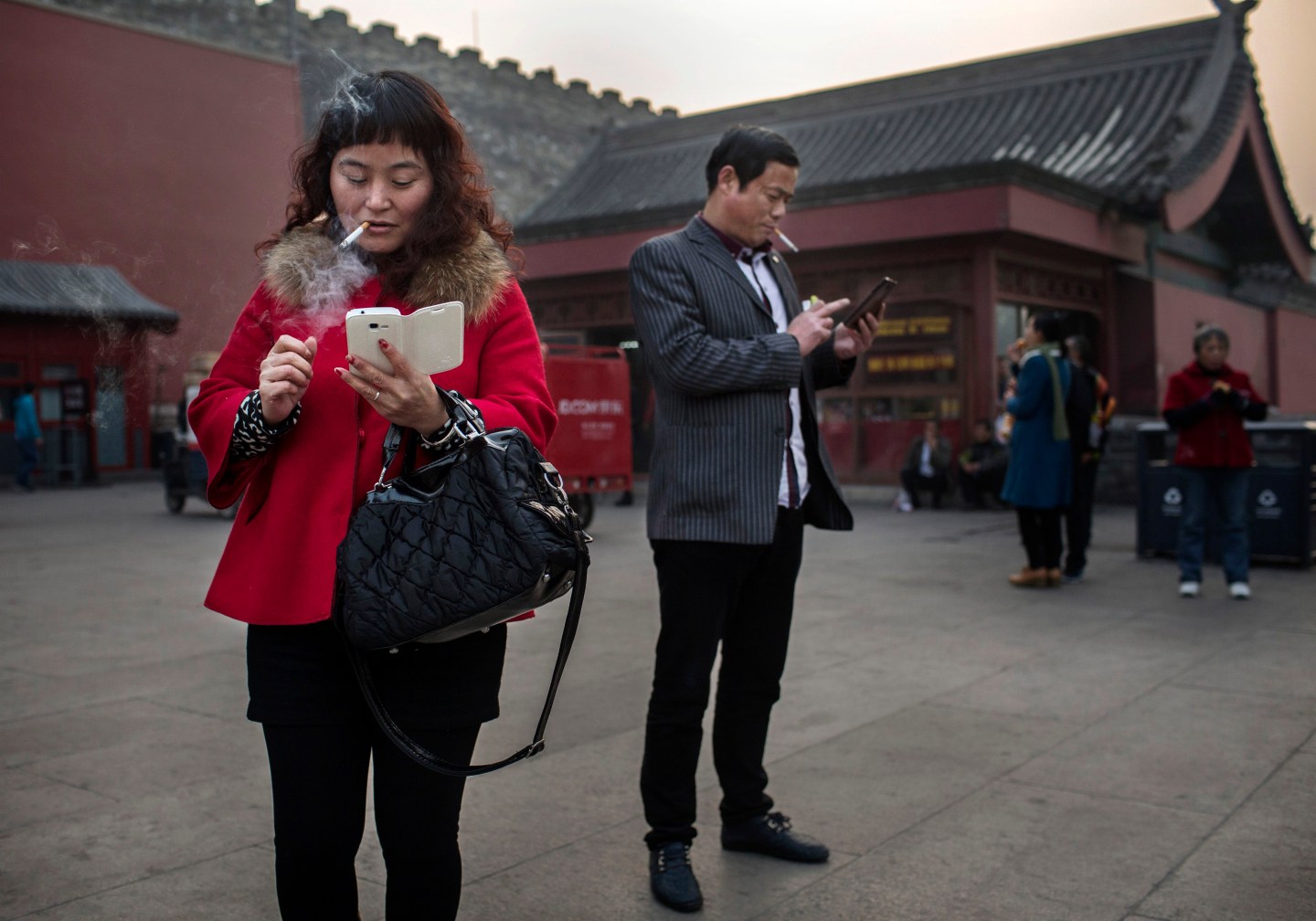
BEIJING, CHINA -NOVEMBER 20: A Chinese man and woman use their smartphones on November 20, 2014 in Beijing, China. China is the largest smartphone market in the world, with some reports estimating there are more than 500 million users in the world's mosrt populated country. (Photo by Kevin Frayer/Getty Images)Photograph by Kevin Frayer — Getty Images

Nearly every smartphone sold today uses an operating system originally designed in the United States. Together, Google Android and Apple iOS power nearly 97% of smartphones. China would like that to change.

Chinese state-owned companies are working to develop their own mobile operating system, reports the Wall Street Journal, justifying the move as an effort to escape U.S. surveillance of the kind revealed by Edward Snowden. China’s fear is that American companies might insert “back doors” into electronics sold overseas, at the behest of the N.S.A. or other government agencies. Software or hardware back doors are essentially a shortcut that makes affected devices easy to hack.

Whether American companies have actually implemented back doors is up for debate. Apple, for example, strenuously denies the accusation. But there’s a significant amount of evidence that the U.S. has at least explored the possibility.

Although Chinese brands (including Xiaomi, Huawei, and ZTE) account for an increasing number of smartphones sold worldwide, many of their essential components are still controlled by American companies, in addition to running U.S.-designed Android software. For example, many devices use a processor sold by Qualcomm (QCOMM).

ZTE and Alibaba are among the companies that have been tapped by the Chinese Ministry of Public Security to create new operating systems “developed in-house,” according to the Wall Street Journal. Spreadtrum Communications is reportedly making a chip that will run those operating systems by the end of the year. Initially, the resulting product is likely to be a bare-bones affair for government employees in sensitive positions, such as police officers, and the devices it powers could lack essential consumer features like a camera or Wi-Fi.

Distrust over imported technology goes both ways. A U.S. House of Representatives panel famously accused Huawei, a Chinese networking vendor and currently the world’s third-largest smartphone maker, of being a threat to national security and using back doors to funnel sensitive corporate intellectual property to the Chinese government. However, a U.K. report from earlier this year concluded that Huawei gear is not a threat.

This isn’t the first time China has tapped companies to build replacements for American software. It’s recently been encouraging use of a Microsoft (MSFT) Windows alternative developed in Shanghai called NeoKylin. According to Dell, 40% of the PCs it sells in China are running the operating system.

Although security is China’s public reason for encouraging development of its own mobile operating system, there’s also a clear economic motive for China to want its citizens to use domestic technology. The company was able to keep American Internet companies like Google largely out of the market for years, which gave homegrown Chinese businesses a chance to gain a foothold. Today corporations like Baidu are multi-billion-dollar businesses that compete with their American counterparts.

So while China’s effort to make a homegrown smartphone might not have a big economic impact in the short term, it could easily evolve into a rival for Google (GOOG) and Apple (AAPL) down the line.

For more on Chinese smartphone companies, watch this Fortune video:

Subscribe to Data Sheet, Fortune’s daily newsletter on the business of technology.
About the Author
By Kif Leswing
See full bioRight Arrow Button Icon

Latest in Tech

InvestingStock
There have been head fakes before, but this time may be different as the latest stock rotation out of AI is just getting started, analysts say
By Jason MaDecember 13, 2025
30 minutes ago
Politicsdavid sacks
Can there be competency without conflict in Washington?
By Alyson ShontellDecember 13, 2025
59 minutes ago
InnovationRobots
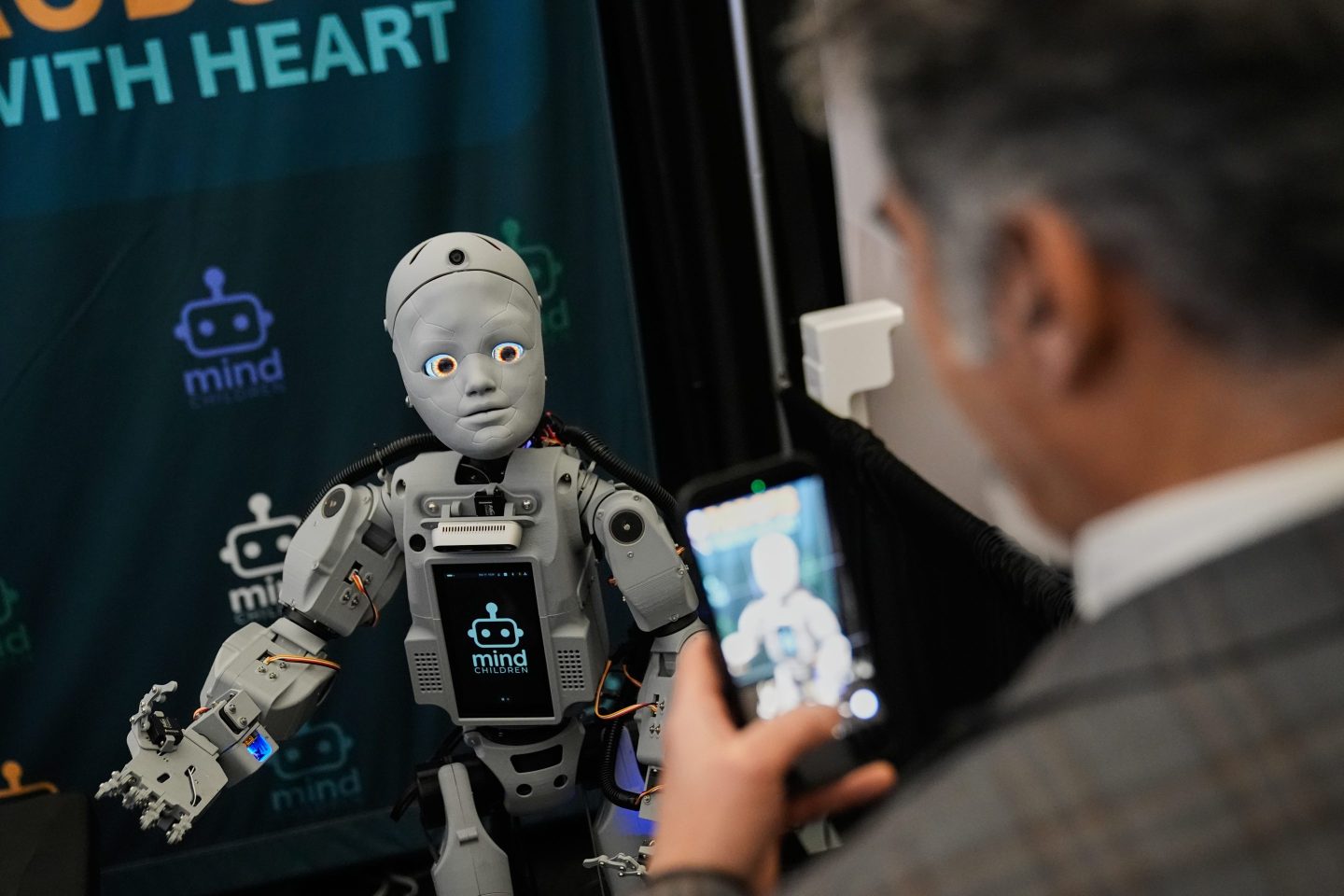
Even in Silicon Valley, skepticism looms over robots, while ‘China has certainly a lot more momentum on humanoids’
By Matt O'Brien and The Associated PressDecember 13, 2025
3 hours ago
Sarandos
Arts & EntertainmentM&A
It’s a sequel, it’s a remake, it’s a reboot: Lawyers grow wistful for old corporate rumbles as Paramount, Netflix fight for Warner
By Nick LichtenbergDecember 13, 2025
7 hours ago
Oracle chairman of the board and chief technology officer Larry Ellison delivers a keynote address during the 2019 Oracle OpenWorld on September 16, 2019 in San Francisco, California.
AIOracle
Oracle’s collapsing stock shows the AI boom is running into two hard limits: physics and debt markets
By Eva RoytburgDecember 13, 2025
8 hours ago
robots
InnovationRobots
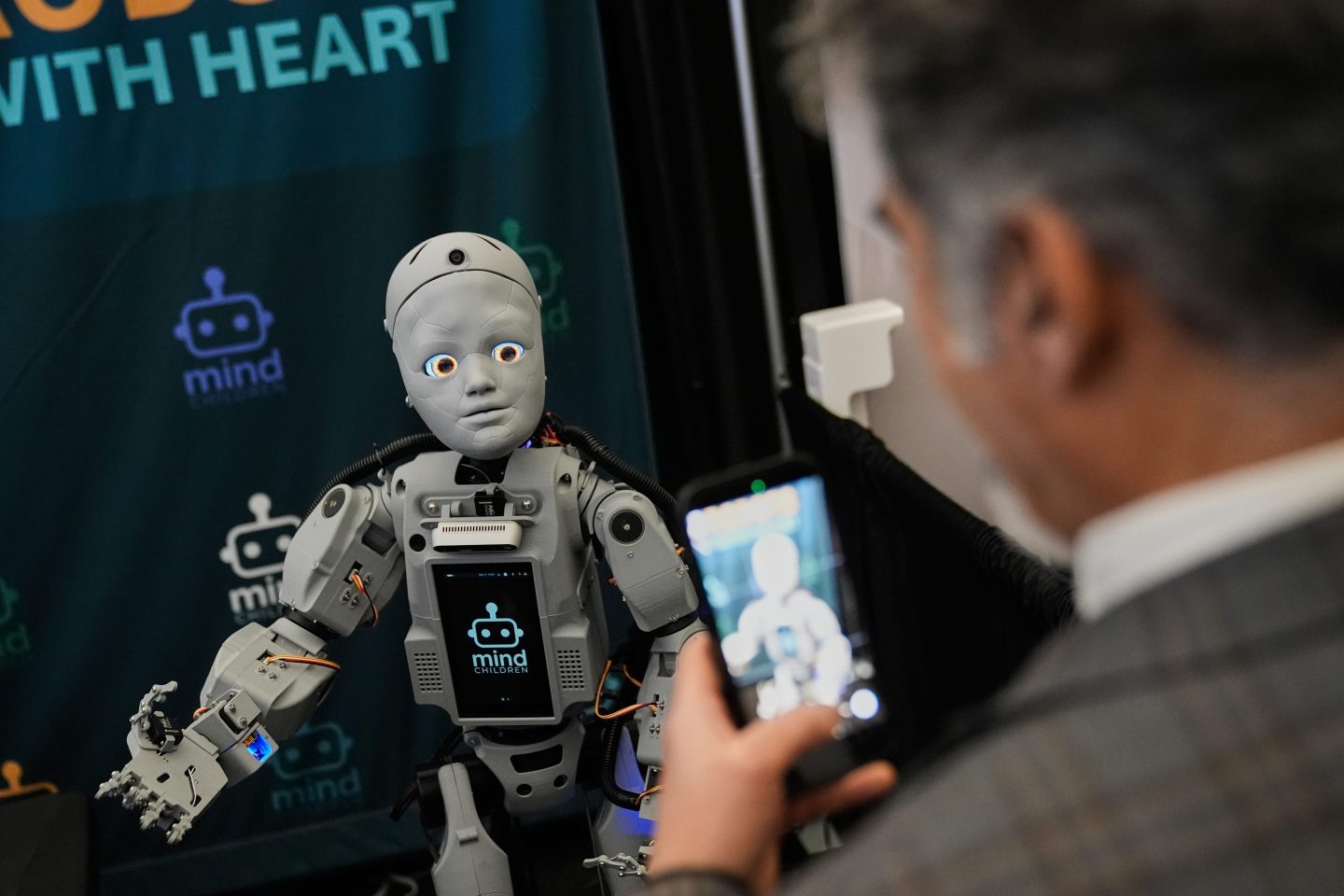
‘The question is really just how long it will take’: Over 2,000 gather at Humanoids Summit to meet the robots who may take their jobs someday
By Matt O'Brien and The Associated PressDecember 12, 2025
21 hours ago

Most Popular

placeholder alt text
Economy
Tariffs are taxes and they were used to finance the federal government until the 1913 income tax. A top economist breaks it down
By Kent JonesDecember 12, 2025
1 day ago
placeholder alt text
Success
Apple cofounder Ronald Wayne sold his 10% stake for $800 in 1976—today it’d be worth up to $400 billion
By Preston ForeDecember 12, 2025
1 day ago
placeholder alt text
Success
40% of Stanford undergrads receive disability accommodations—but it’s become a college-wide phenomenon as Gen Z try to succeed in the current climate
By Preston ForeDecember 12, 2025
1 day ago
placeholder alt text
Economy
For the first time since Trump’s tariff rollout, import tax revenue has fallen, threatening his lofty plans to slash the $38 trillion national debt
By Sasha RogelbergDecember 12, 2025
22 hours ago
placeholder alt text
Economy
The Fed just ‘Trump-proofed’ itself with a unanimous move to preempt a potential leadership shake-up
By Jason MaDecember 12, 2025
21 hours ago
placeholder alt text
Success
At 18, doctors gave him three hours to live. He played video games from his hospital bed—and now, he’s built a $10 million-a-year video game studio
By Preston ForeDecember 10, 2025
3 days ago
Rankings
  • 100 Best Companies
  • Fortune 500
  • Global 500
  • Fortune 500 Europe
  • Most Powerful Women
  • Future 50
  • World’s Most Admired Companies
  • See All Rankings
Sections
  • Finance
  • Leadership
  • Success
  • Tech
  • Asia
  • Europe
  • Environment
  • Fortune Crypto
  • Health
  • Retail
  • Lifestyle
  • Politics
  • Newsletters
  • Magazine
  • Features
  • Commentary
  • Mpw
  • CEO Initiative
  • Conferences
  • Personal Finance
  • Education
Customer Support
  • Frequently Asked Questions
  • Customer Service Portal
  • Privacy Policy
  • Terms Of Use
  • Single Issues For Purchase
  • International Print
Commercial Services
  • Advertising
  • Fortune Brand Studio
  • Fortune Analytics
  • Fortune Conferences
  • Business Development
About Us
  • About Us
  • Editorial Calendar
  • Press Center
  • Work At Fortune
  • Diversity And Inclusion
  • Terms And Conditions
  • Site Map

© 2025 Fortune Media IP Limited. All Rights Reserved. Use of this site constitutes acceptance of our Terms of Use and Privacy Policy | CA Notice at Collection and Privacy Notice | Do Not Sell/Share My Personal Information
FORTUNE is a trademark of Fortune Media IP Limited, registered in the U.S. and other countries. FORTUNE may receive compensation for some links to products and services on this website. Offers may be subject to change without notice.