• Home
  • Latest
  • Fortune 500
  • Finance
  • Tech
  • Leadership
  • Lifestyle
  • Rankings
  • Multimedia
RetailBankruptcy restructuring

Largest retailer bankruptcies of last decade

Phil Wahba
By
Phil Wahba
Phil Wahba
Senior Writer
Down Arrow Button Icon
Phil Wahba
By
Phil Wahba
Phil Wahba
Senior Writer
Down Arrow Button Icon
October 5, 2015, 1:28 PM ET
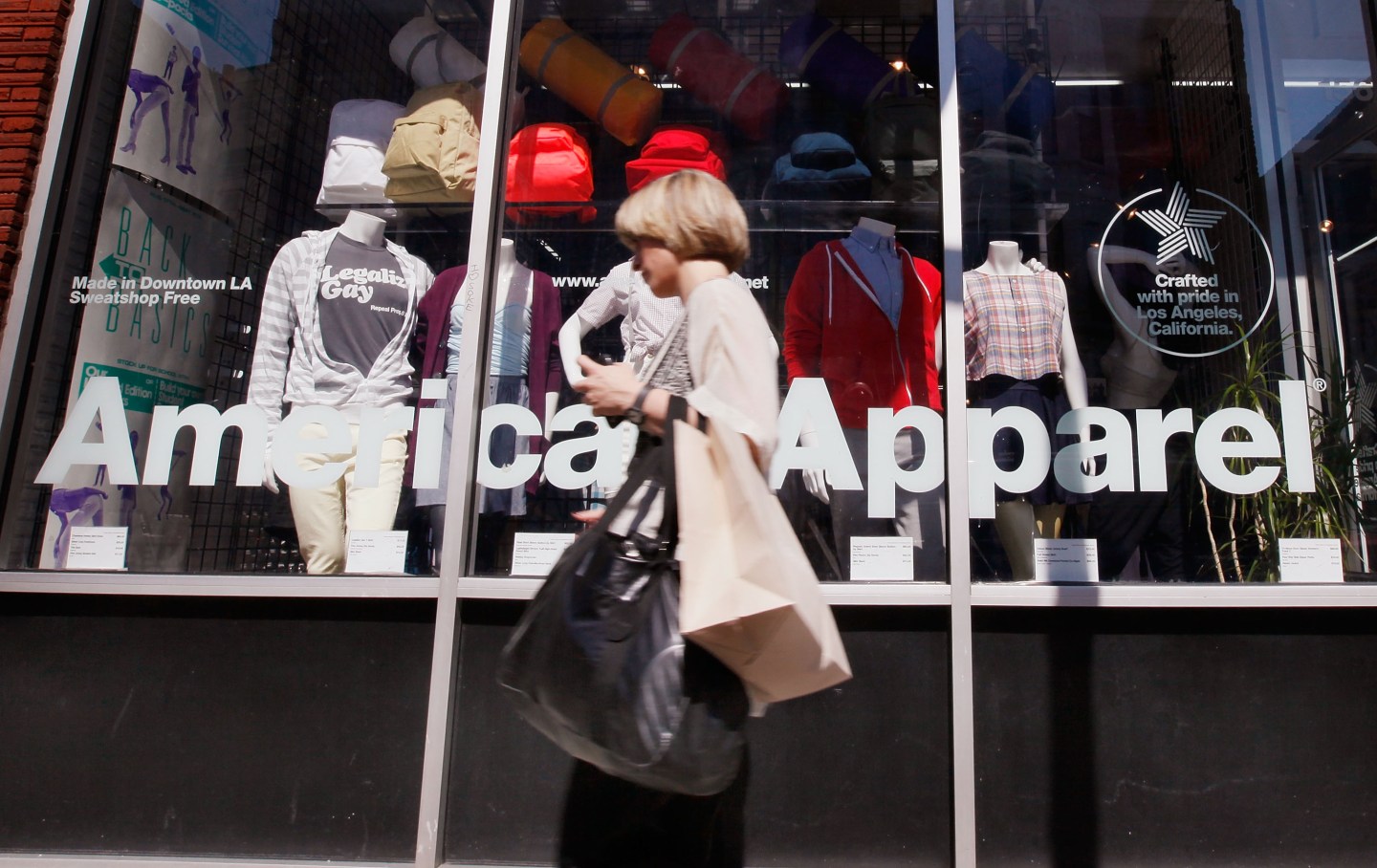
American Apparel Forced To Layoff Over A Thousand Factory Workers
CHICAGO - SEPTEMBER 04: A pedestrian passes by and American Apparel store in the Wicker Park neighborhood September 4, 2009 in Chicago, Illinois. American Apparel Inc. plans to terminate about 1,500 employees in its Los Angeles factory, approximately one-quarter of the work force, following a probe by U.S. immigration authorities. (Photo by Scott Olson/Getty Images)Photograph by Scott Olson — Getty Images

American Apparel (APP) filed for Chapter 11 bankruptcy protection on Monday, becoming the latest in a long line of retailers to take the walk of shame in an effort to revive as flagging business.

The clothing company has seen its business shrivel in recent years, hurt by a disjointed store expansion plan, lawsuits with ex-CEO Dov Charney, and an increasingly difficult apparel market that also has squeezed sales at stores like Gap (GPS), Aéropostale (ARO) and Abercrombie & Fitch (ANF). Earlier this year, Wet Seal and Quiksilver also sought bankruptcy protection.

American Apparel fans can take heart: a bankruptcy filing doesn’t necessarily spell a retailer’s demise.

Indeed, such protection is primarily designed to give a company breathing room and lessen its debt load (in the case of American Apparel, the debt should fall by at least half to $135 million) while it tries to regain its footing. In fact, some retailers have managed to stay in business after a bankruptcy filing: Kmart, although still struggling now, in 2004 became part of Sears Holdings (SHLD), and Eddie Bauer, bankrupt in 2009, is in expansion mode. A predecessor to Macy’s (M) filed in 1992 and that retailer ultimately roared back.

But word to the wise, as the cases of Circuit City and Borders made clear, bankrupt retailers more often than not go out of business altogether.

Here is a look at the 10 largest retail bankruptcies in recent years, as ranked by assets at time of the initial court filing. Data is from BankruptcyData.com as well as court filings.

1) Circuit City
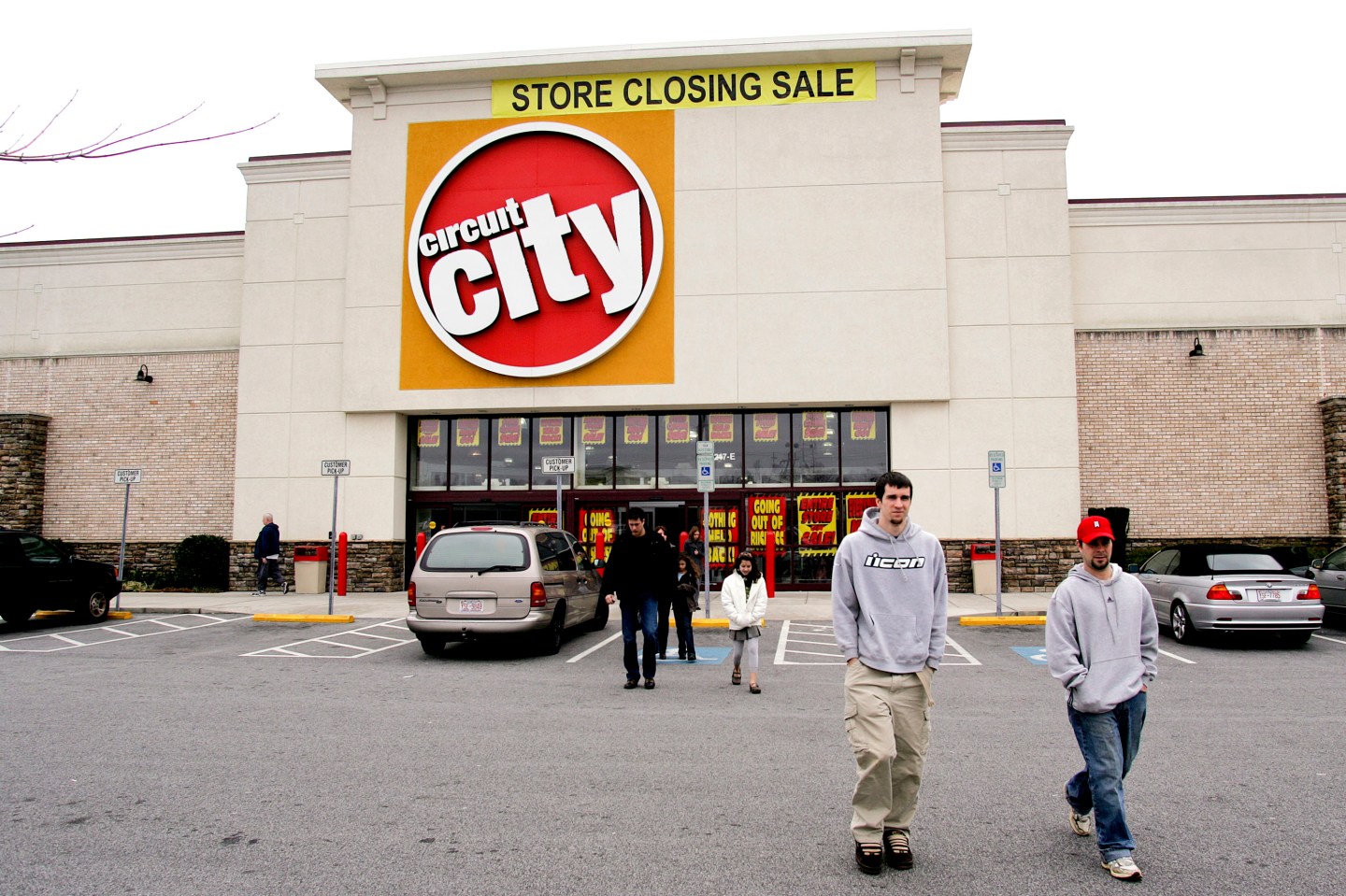
Shoppers leave a Circuit City outlet running a store closing sale in Greensboro, North Carolina, U.S., on Sunday, Jan. 25, 2009.

Year: 2008
Assets: $3.75 billion

Circuit City, once the top U.S. electronics retailer, went out of business in 2009 after failing to find a buyer that would keep it going. The company was ultimately felled by its inability to respond as quickly and deftly to the rise of online retailers like Amazon.com (AMZN) and aggressive incursions by mass merchants like Walmart (WMT) and Target (TGT).

2) Linens & Things
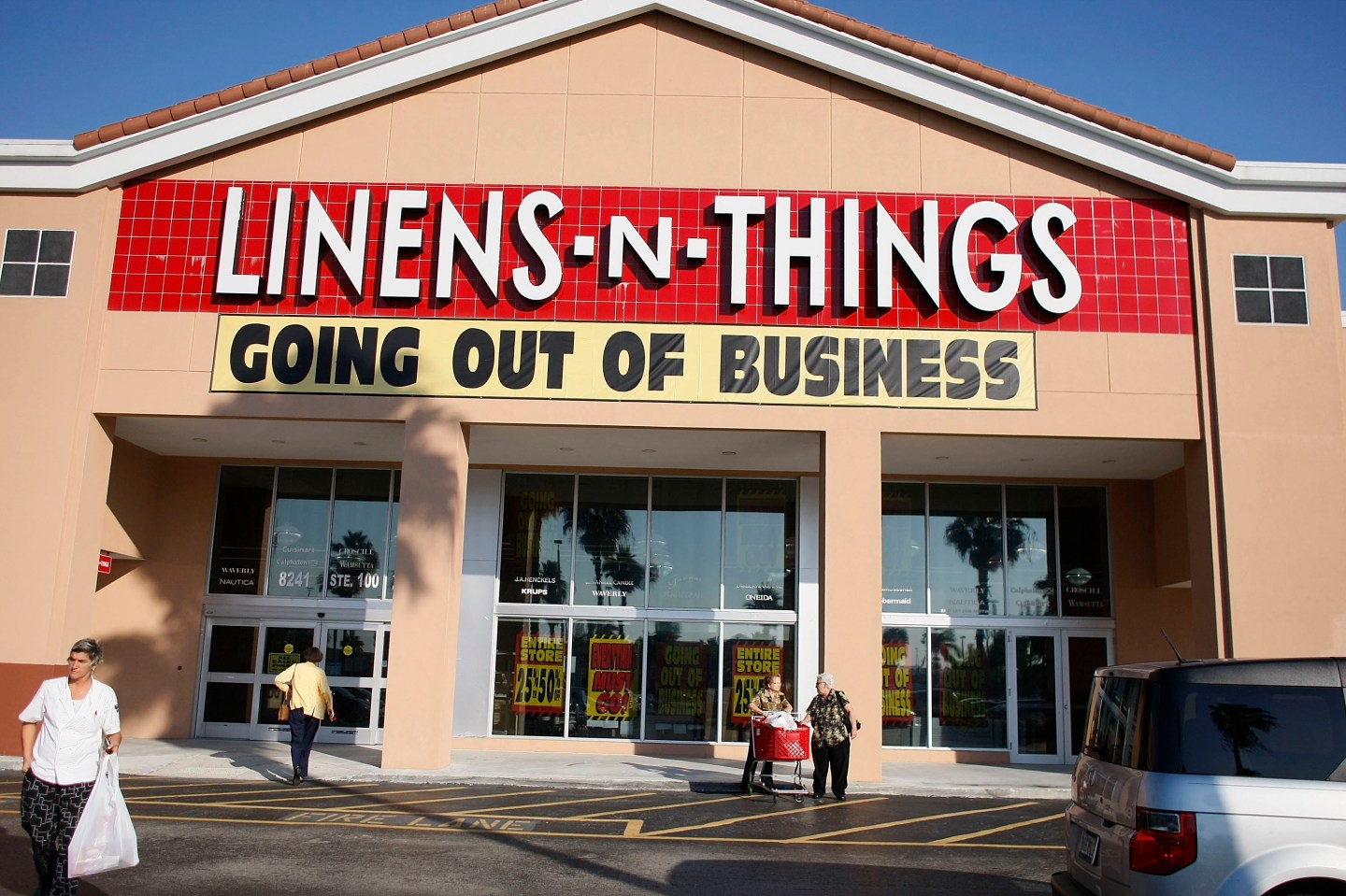
Customers walk away after shopping at the going-out-of-business sale at Linens 'N Things November 21, 2008 in Miami, Florida.

Year: 2008
Assets: $1.74 billion

The 570-store housewares chain went under after private equity firm Apollo Global Management (AGM) saddled it with more debt than it could handle. Linens & Things, which at one point had annual sales of $2.7 billion, later came back to life as an online only brand. And nearly two years ago, it was sold to Galaxy Brand Holdings, an investment vehicle owned by private equity firm The Carlyle Group (CG).

3) General Atlantic & Pacific Tea (A&P)
A&P Supermarket, is shown at 230 Saw Mill River Road, Yorktown Heights, N.Y., Dec. 10, 2010. A&P is expected to file for bankruptcy.

Year: 2015
Assets: $1.6 billion

The supermarket chain recently filed for Chapter 11 protection for the second time in five years and sold the bulk of its stores to rivals Acme and Stop & Shop. The grocer was hurt in recent years by companies like Walmart, Costco (COST) and Target stealing consumers on the lower end of the price spectrum, and Whole Foods (WFM) on the higher end. The A&P case is still making its way through bankruptcy court.

4) Radio Shack
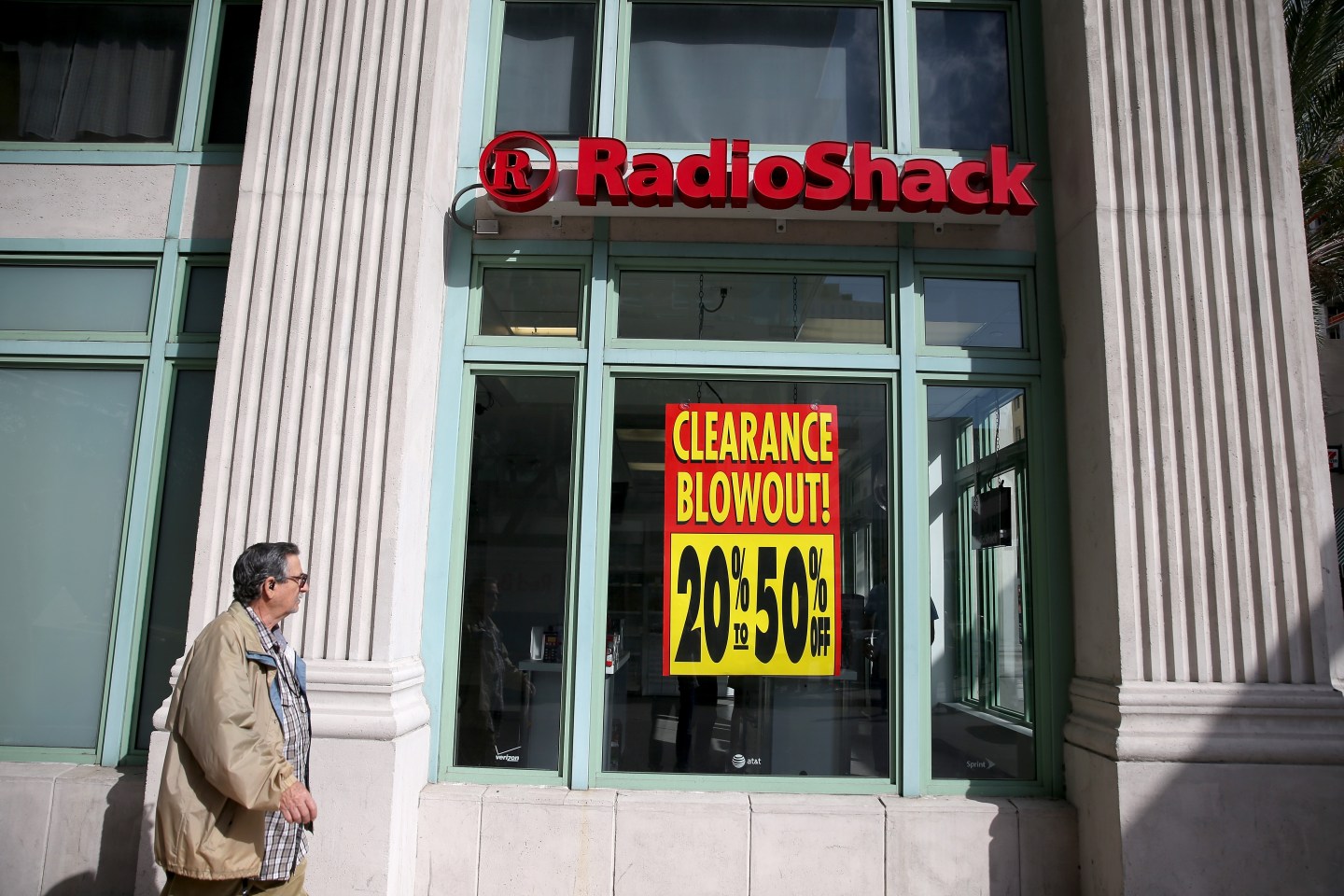
A RadioShack store in 2015, the last time the company filed for bankruptcy protection.

Year: 2015
Assets: $1.59 billion

After struggling for years as electronics shoppers shifted online and digital technology emerged, the 4,000-store RadioShack filed for bankruptcy on February, marking an ignominious end for a94-year-old retailer that had sold the first mass-market computer. Last week, a federal judge signed off on Radio Shack's Chapter 11 plan, which distributes proceeds from the company’s liquidation to creditors.

5) Blockbuster
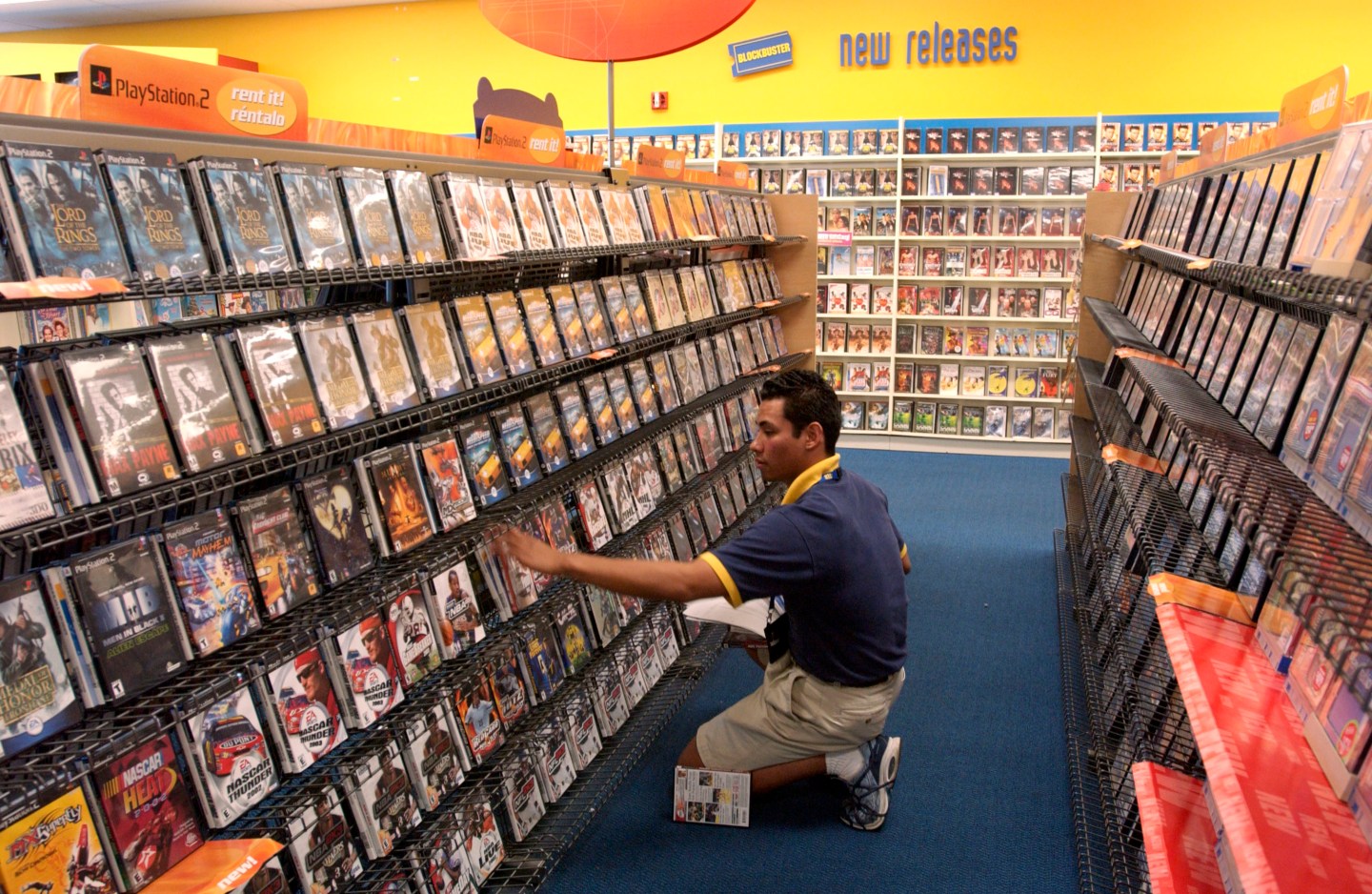
Blockbuster store, 2002

Year: 2010
Assets: $1.54 billion

Blockbuster, once a fixture in America's shopping and strip malls, struggled to compete with the emergence of Netflix (NFLX) and other video-on-demand services. Blockbuster was bought by Dish Network (DISH) in 2011, but two years later the video-rental company said it close its remaining 300 U.S. stores.

6) Borders
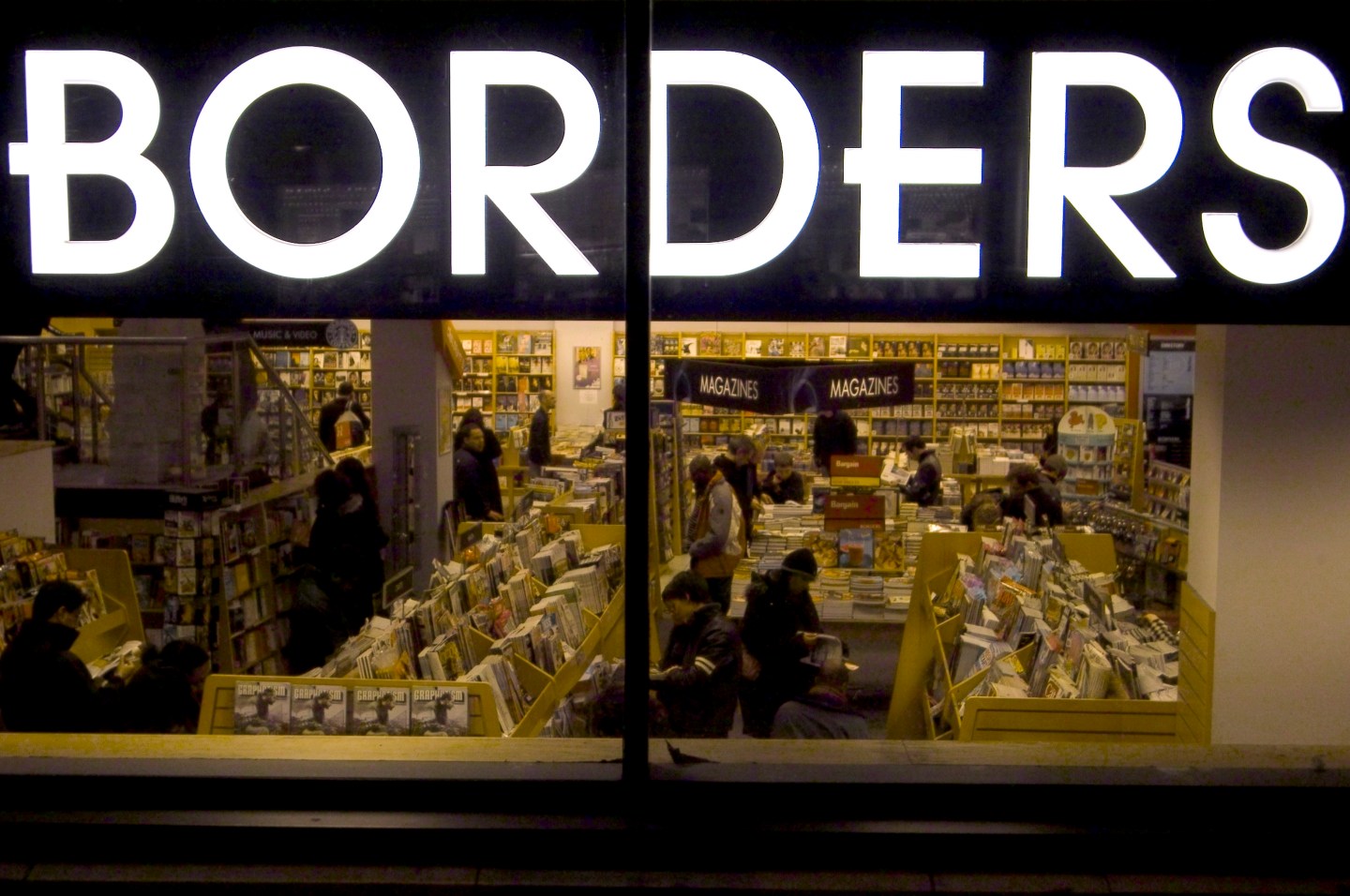
UNITED KINGDOM - FEBRUARY 25: Customers browse in a Borders bookstore in a mall on Liverpool Road in the borough of Islington, London, U.K., Saturday, February 25, 2006. Photographer Adrian Brown/Bloomberg News (Photo by Adrian Brown/Bloomberg via Getty Images)

Year: 2011
Assets: $1.42 billion

The Borders bookstore chain was slow to adapt to the e-books phenomenon -- or even to build a user-friendly e-commerce site -- fatal mistakes that saw it lose sales to Amazon (AMZN) and ultimately led to its collapse. Barnes & Noble (BKS) fared better, launching the Nook and eventually benefiting from the revival of print book sales.

7) Sbarro
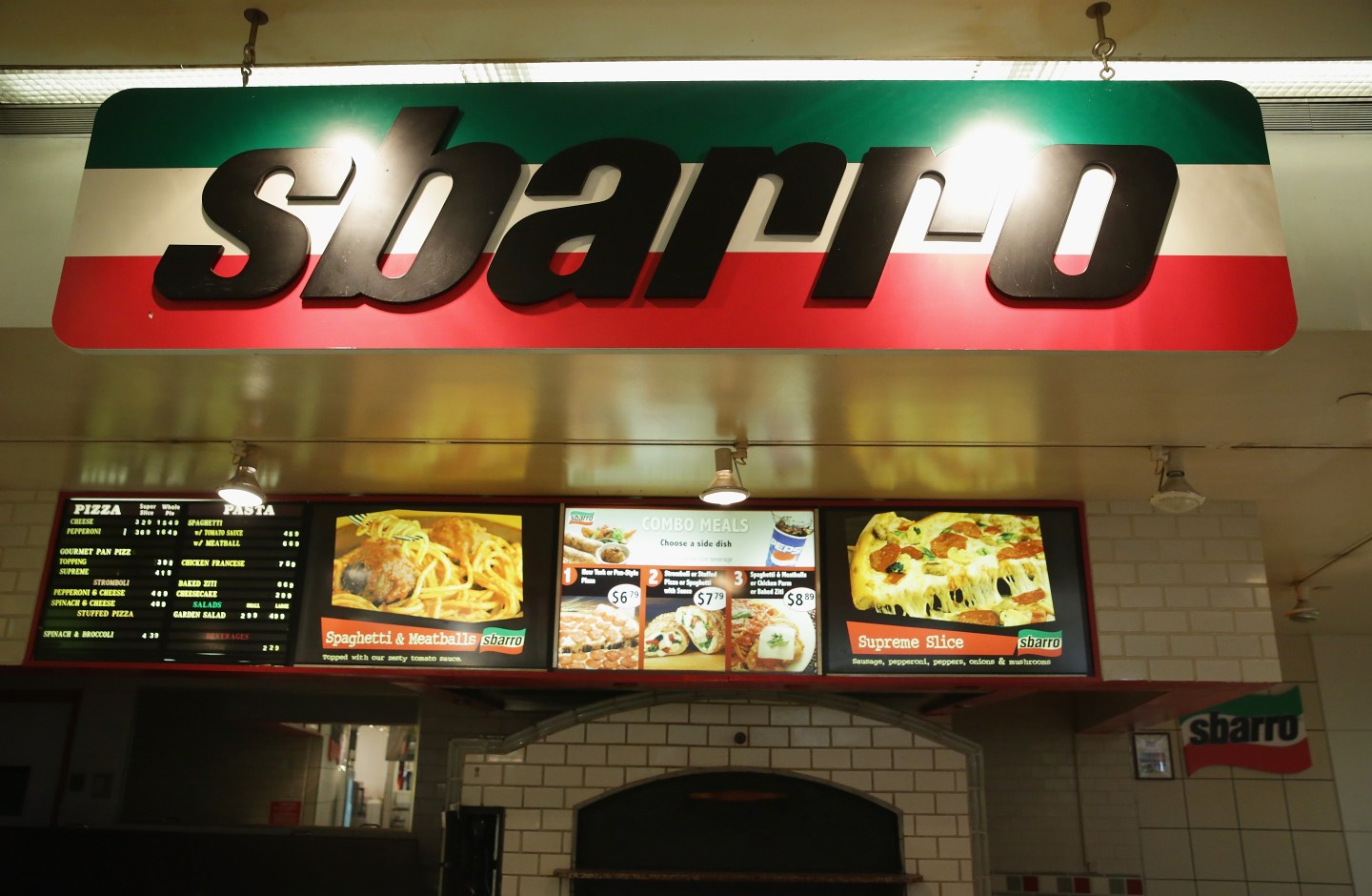
Year: 2011 and again in 2014
Assets: $490 million

The food-court fixture filed for bankruptcy protection in 2014 for the second time in three years after choking under too much debt and declining traffic at many U.S. malls. That June, Sbarro re-emerged with a smaller debt load and a plan to let customers make their own pizzas at a chain known for reheating pizza, taking a page out of Chipotle's playbook.

8) Friedman's

Year: 2008
Assets: $448 million

The recession was a hard time for mid-tier jewelers, with consumers pulling back on items they didn't really need (i.e., diamonds). Friedman's, which had 455 stores, was hit by an involuntary Chapter 7 liquidation filing at force, later changed to a Chapter 11 proceeding. But ultimately, Friedman's went out of business.

9) Brookstone
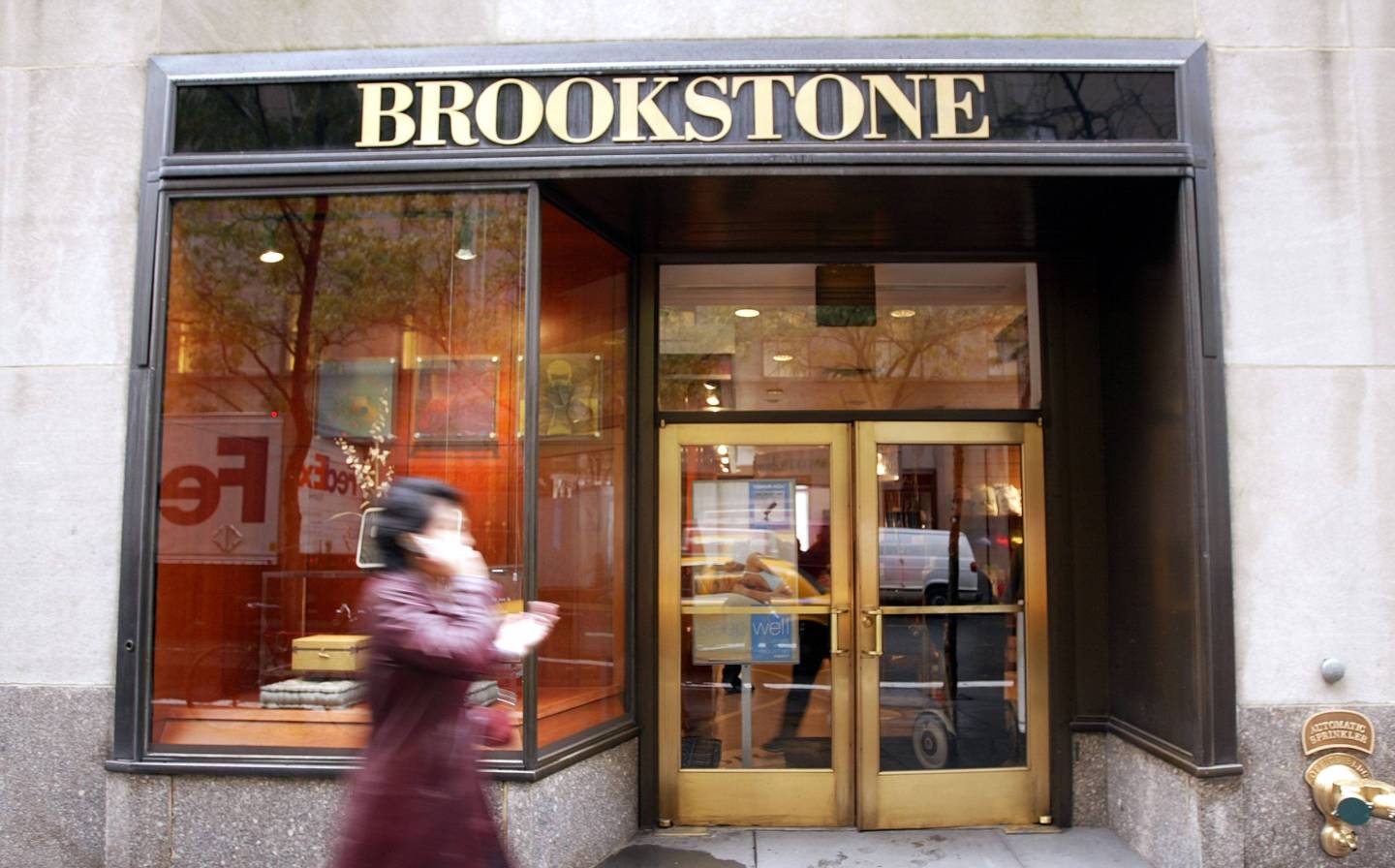
A Brookstone store is seen at Rockefeller Center in New York City.

Year: 2014
Assets: $407 million

Brookstone, the specialty retailer famous for massage chairs and travel electronics, filed for bankruptcy protection in early 2014, hurt by high debt. But unlike many of its bankrupt retail peers, the company has pulled through and continues to operate as a chain with over 200 stores.

10) Quiksilver
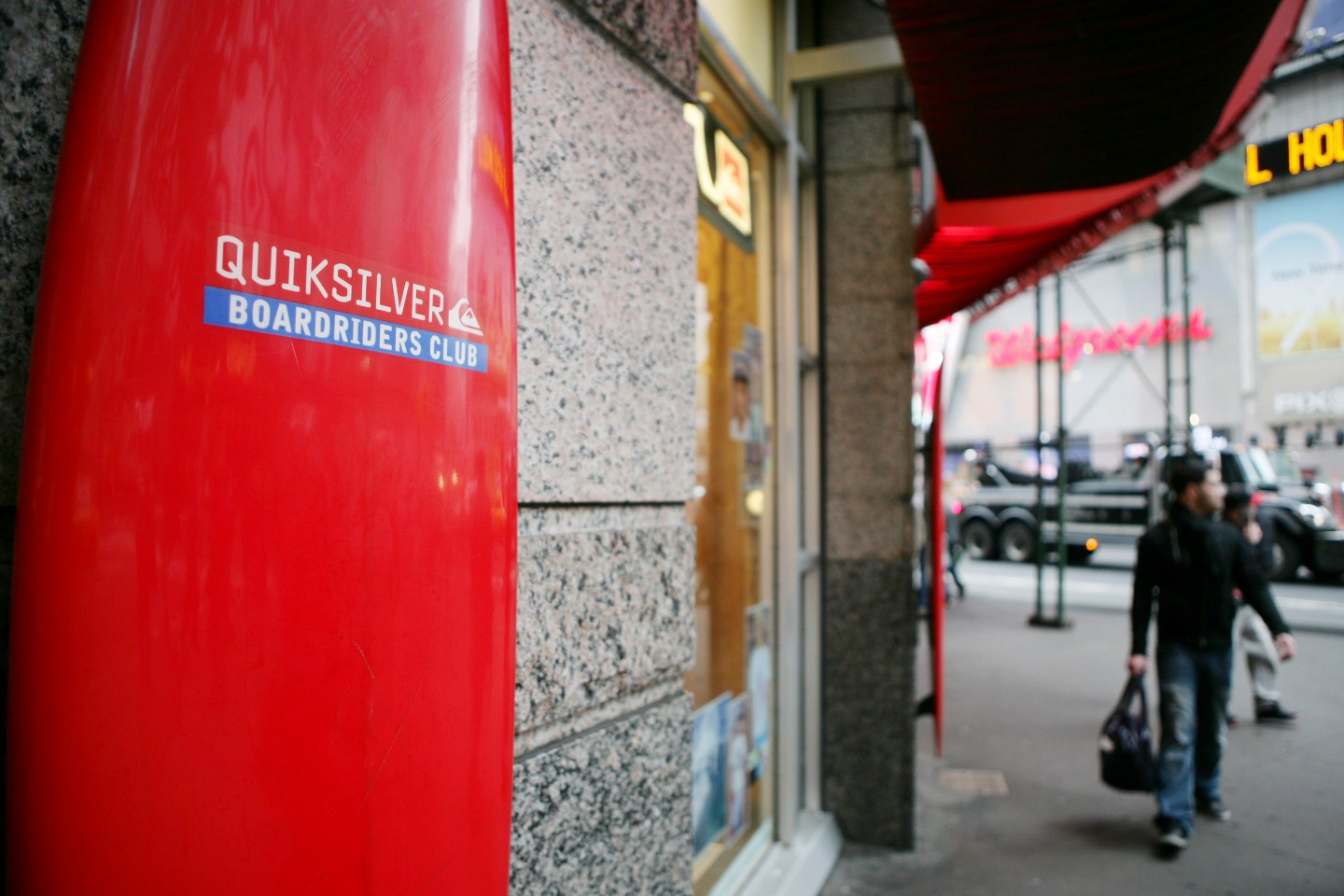
A surfboard with the Quicksilver Inc. logo is displayed outside their store in New York, U.S., on Wednesday, March 11, 2009.

Year: 2015
Assets: $337 million

The surfer-skateboarder inspired Quiksilver failed to pull off a turnaround and last month filed for bankruptcy protection, planning to turn over control to senior lenders via an investment from Oaktree Capital Management.

About the Author
Phil Wahba
By Phil WahbaSenior Writer
LinkedIn iconTwitter icon

Phil Wahba is a senior writer at Fortune primarily focused on leadership coverage, with a prior focus on retail.

See full bioRight Arrow Button Icon

Latest in Retail

millennial
CommentaryConsumer Spending
Meet the 2025 holiday white whale: the millennial dad spending $500+ per kid
By Phillip GoerickeDecember 12, 2025
1 day ago
McDonald
RetailRetail
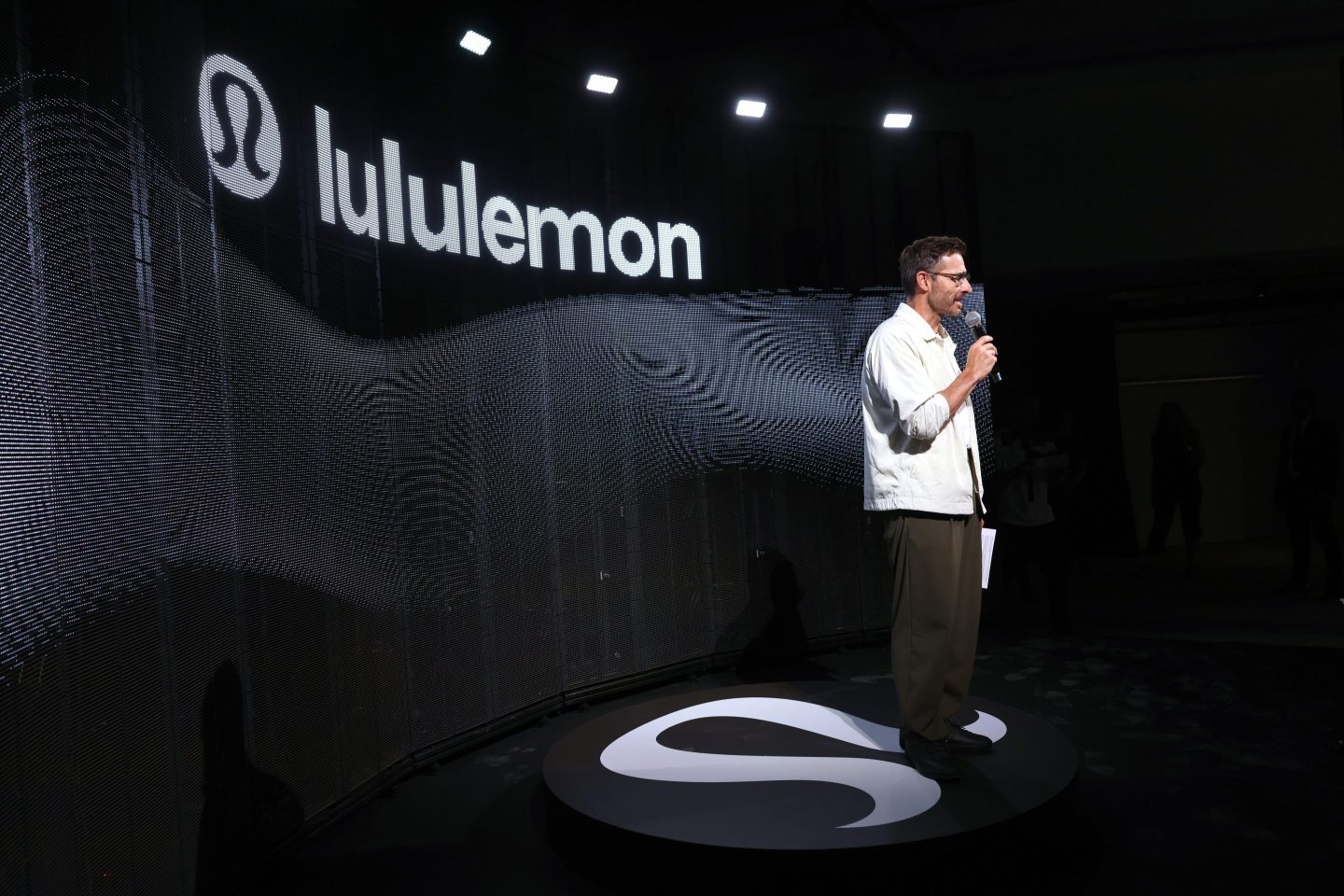
Lululemon CEO Calvin McDonald to step down as quarterly profit dips 13%
By Anne D'Innocenzio and The Associated PressDecember 12, 2025
1 day ago
Sarandos
CommentaryAntitrust
Netflix, Warner, Paramount and antitrust: Entertainment megadeal’s outcome must follow the evidence, not politics or fear of integration
By Satya MararDecember 12, 2025
1 day ago
InvestingMarkets
Retail investors drive stocks to a pre-Christmas all-time high—and Wall Street sees a moment to sell
By Jim EdwardsDecember 12, 2025
1 day ago
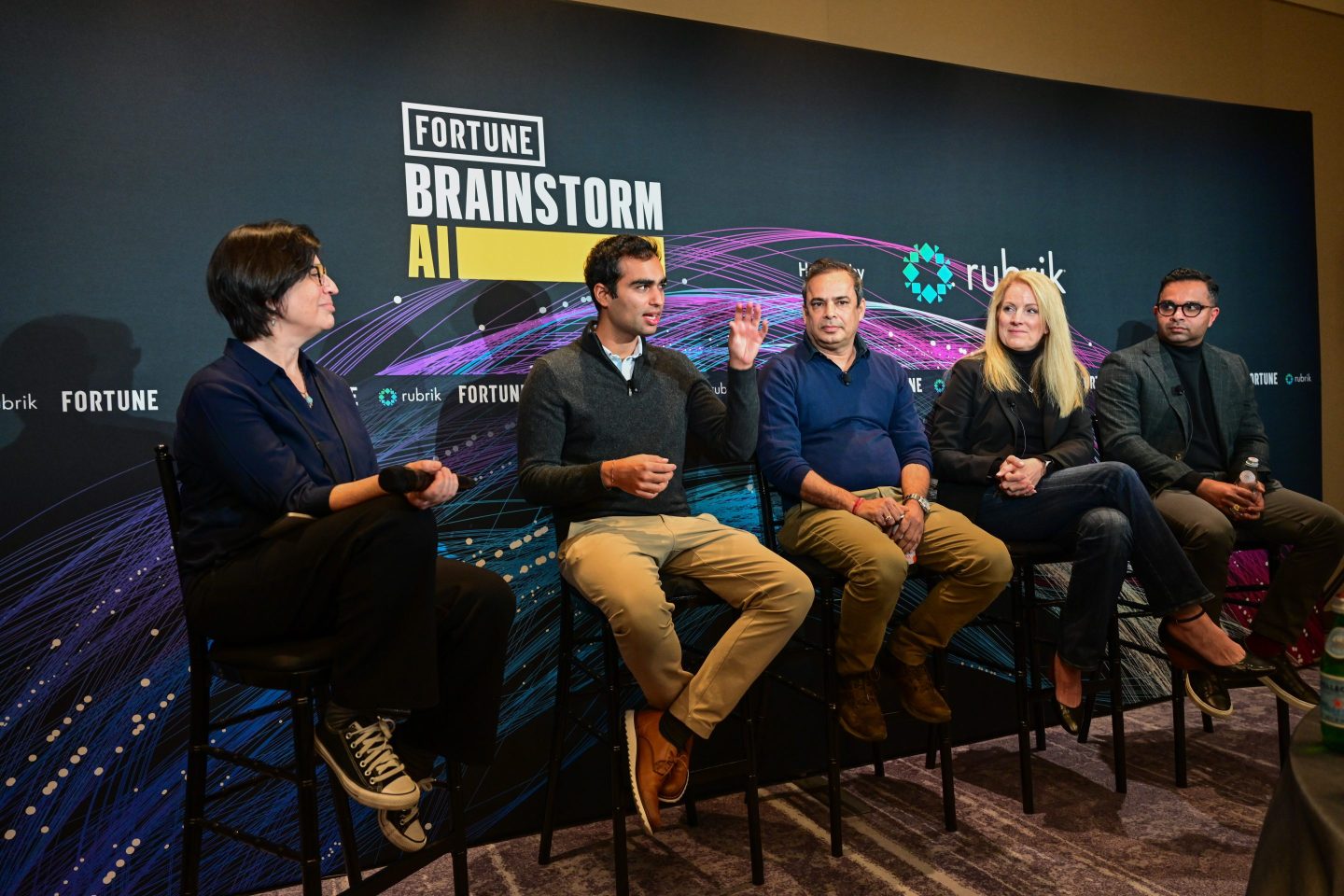
Five panelists seated; two women and five men.
AIBrainstorm AI
The race to deploy an AI workforce faces one important trust gap: What happens when an agent goes rogue?
By Amanda GerutDecember 11, 2025
2 days ago
Oreo
RetailFood and drink
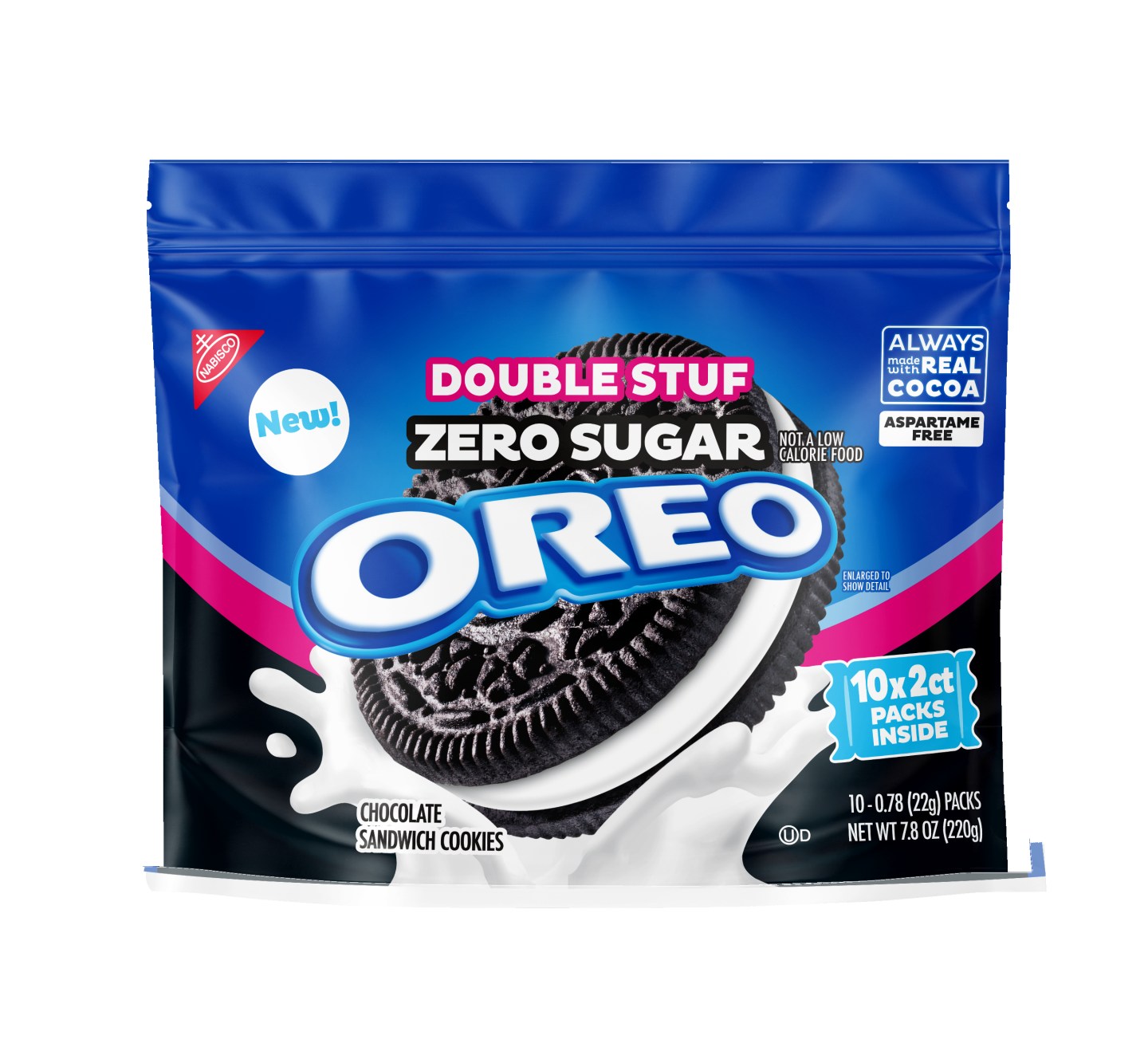
Zero-sugar Oreos headed to America for first time
By Dee-Ann Durbin and The Associated PressDecember 11, 2025
2 days ago

Most Popular

placeholder alt text
Economy
Tariffs are taxes and they were used to finance the federal government until the 1913 income tax. A top economist breaks it down
By Kent JonesDecember 12, 2025
1 day ago
placeholder alt text
Success
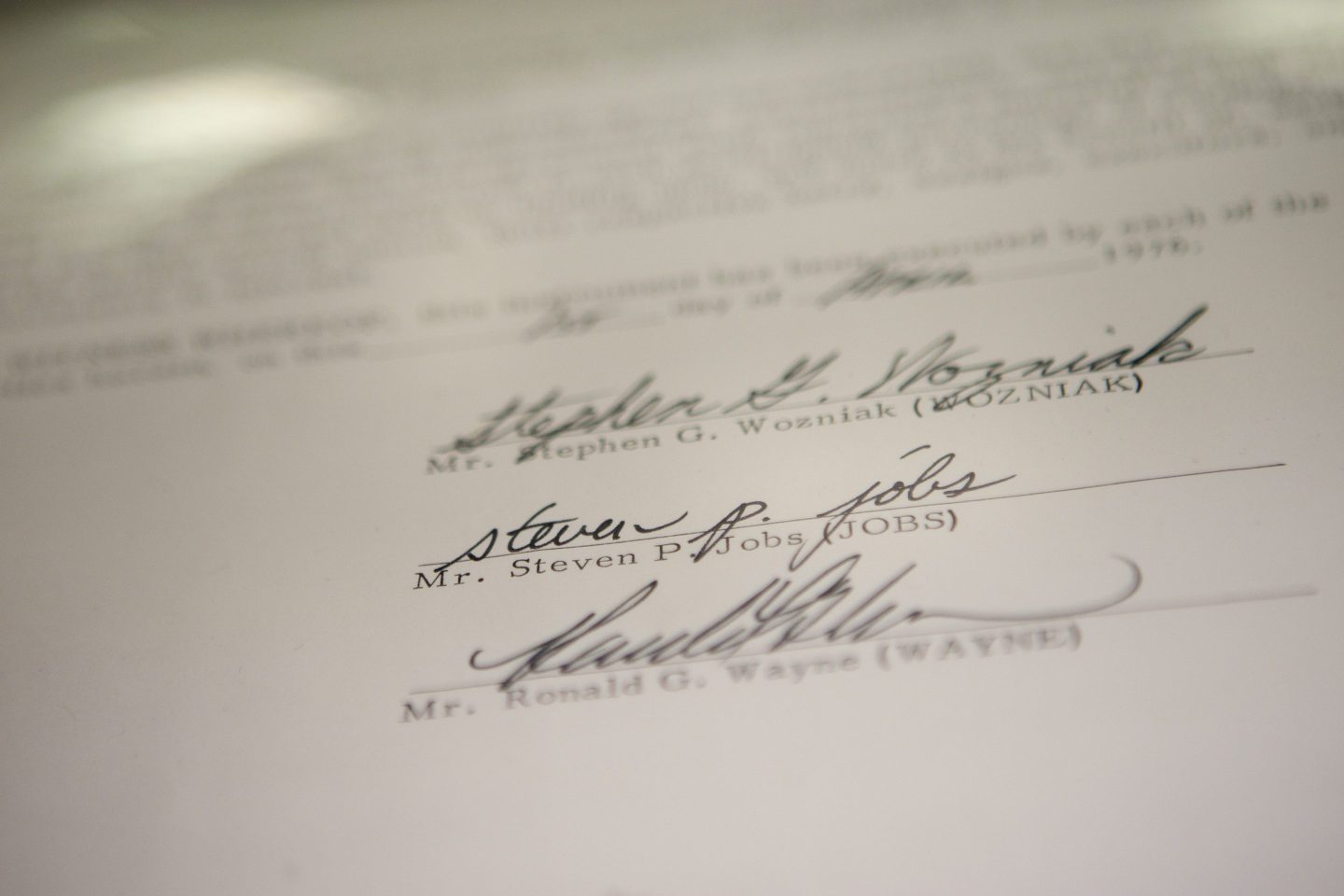
Apple cofounder Ronald Wayne sold his 10% stake for $800 in 1976—today it’d be worth up to $400 billion
By Preston ForeDecember 12, 2025
1 day ago
placeholder alt text
Success
40% of Stanford undergrads receive disability accommodations—but it’s become a college-wide phenomenon as Gen Z try to succeed in the current climate
By Preston ForeDecember 12, 2025
1 day ago
placeholder alt text
Economy
The Fed just ‘Trump-proofed’ itself with a unanimous move to preempt a potential leadership shake-up
By Jason MaDecember 12, 2025
1 day ago
placeholder alt text
Economy
For the first time since Trump’s tariff rollout, import tax revenue has fallen, threatening his lofty plans to slash the $38 trillion national debt
By Sasha RogelbergDecember 12, 2025
1 day ago
placeholder alt text
Success
Apple CEO Tim Cook out-earns the average American’s salary in just 7 hours—to put that into context, he could buy a new $439,000 home in just 2 days
By Emma BurleighDecember 12, 2025
1 day ago
Rankings
  • 100 Best Companies
  • Fortune 500
  • Global 500
  • Fortune 500 Europe
  • Most Powerful Women
  • Future 50
  • World’s Most Admired Companies
  • See All Rankings
Sections
  • Finance
  • Leadership
  • Success
  • Tech
  • Asia
  • Europe
  • Environment
  • Fortune Crypto
  • Health
  • Retail
  • Lifestyle
  • Politics
  • Newsletters
  • Magazine
  • Features
  • Commentary
  • Mpw
  • CEO Initiative
  • Conferences
  • Personal Finance
  • Education
Customer Support
  • Frequently Asked Questions
  • Customer Service Portal
  • Privacy Policy
  • Terms Of Use
  • Single Issues For Purchase
  • International Print
Commercial Services
  • Advertising
  • Fortune Brand Studio
  • Fortune Analytics
  • Fortune Conferences
  • Business Development
About Us
  • About Us
  • Editorial Calendar
  • Press Center
  • Work At Fortune
  • Diversity And Inclusion
  • Terms And Conditions
  • Site Map

© 2025 Fortune Media IP Limited. All Rights Reserved. Use of this site constitutes acceptance of our Terms of Use and Privacy Policy | CA Notice at Collection and Privacy Notice | Do Not Sell/Share My Personal Information
FORTUNE is a trademark of Fortune Media IP Limited, registered in the U.S. and other countries. FORTUNE may receive compensation for some links to products and services on this website. Offers may be subject to change without notice.