• Home
  • Latest
  • Fortune 500
  • Finance
  • Tech
  • Leadership
  • Lifestyle
  • Rankings
  • Multimedia
CommentaryVolkswagon

How this clean air NGO caught Volkswagen cheating emissions tests

By
Paul Nieuwenhuis
Paul Nieuwenhuis
Down Arrow Button Icon
By
Paul Nieuwenhuis
Paul Nieuwenhuis
Down Arrow Button Icon
September 23, 2015, 9:04 AM ET
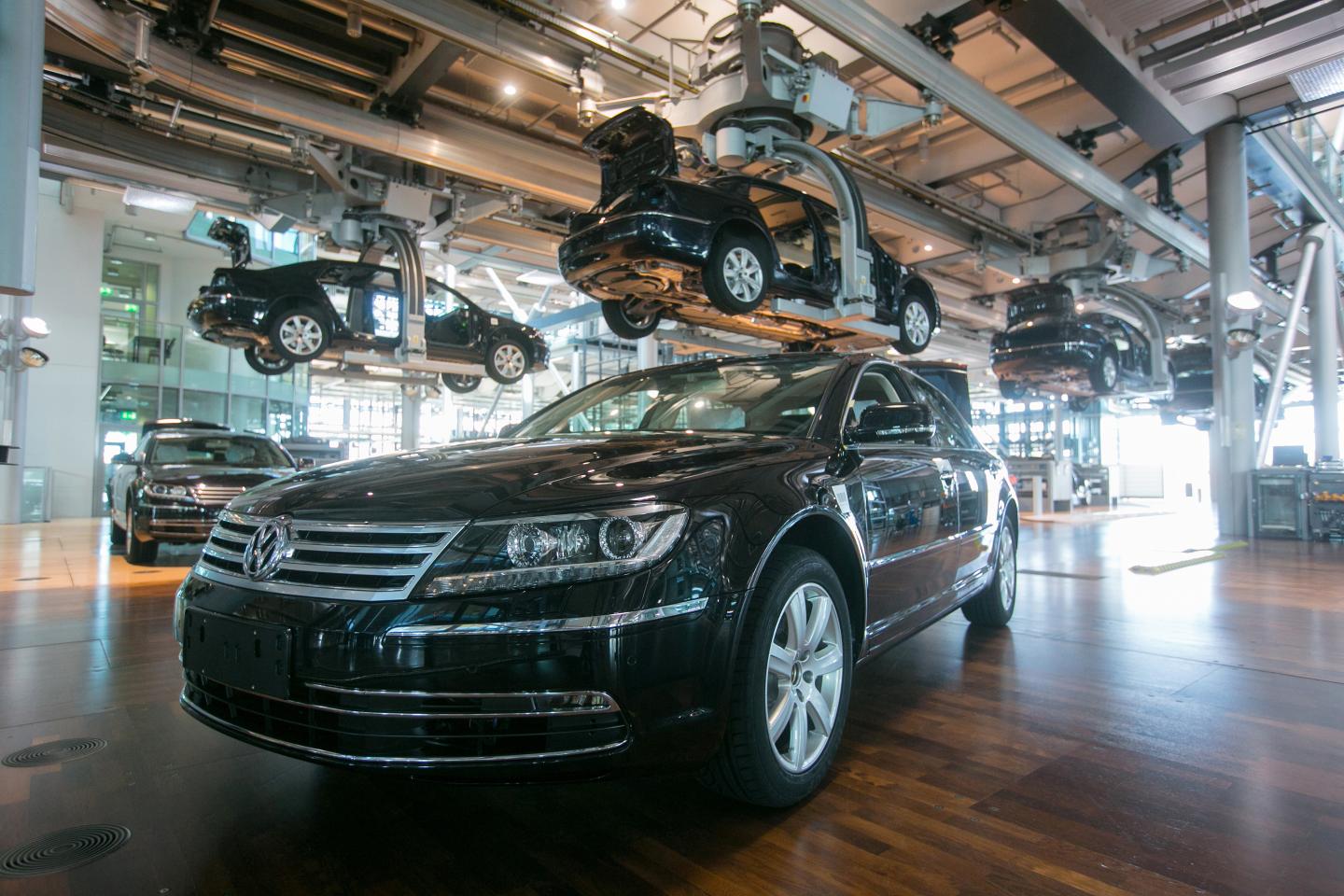
Volkswagen Phaeton automobiles move along elevated conveyors inside the Volkswagen AG factory in Dresden, Germany, on Thursday, April 9, 2015. German industrial production was bolstered by investment-goods output in February, highlighting improved confidence in the recovery in Europe's largest economy. Photographer: Krisztian Bocsi/Bloomberg
Volkswagen Phaeton automobiles move along elevated conveyors inside the Volkswagen AG factory in Dresden, Germany, on Thursday, April 9, 2015. German industrial production was bolstered by investment-goods output in February, highlighting improved confidence in the recovery in Europe's largest economy. Photographer: Krisztian Bocsi/BloombergPhotograph by Krisztian Bocsi — Getty Images

Volkswagen has set aside €6.5 billion to cover the costs of the growing scandal over cheating on emissions tests in the US. Putting a number on the cost further down line will be far harder, however, as it is a crisis which calls into question the ethical credentials of the company and the industry, as well as posing tough questions about the regulators and authorities who were duped.

Although the Volkswagen emissions scandal has caught many by surprise, in fact it has been brewing for a while. It all started when the European wing of the US NGO International Council on Clean Transportation (ICCT) set out to prove modern diesels were genuinely clean and would therefore be able to make a significant contribution to improving both CO2 emissions and air quality.

The US has higher emissions standards than Europe, which were regularly passed by VW’s diesel-fuelled cars. The ICCT decided to test why this was the case – and had some surprising results.

Partnering with a team from the University of West Virginia, the team fitted portable emissions testing equipment to three vehicles (two VWs and one BMW) on a run from San Diego to Seattle, which turned up very disappointing results for the VWs. The VW Jetta tested on the road trip exceeded NOx (one of the regulated toxic emissions) standards by 15 to 35 times the legal limit.

When similar vehicles were subjected to their official test in the California Air Resources Board’s laboratory, however, they passed. The road test emissions numbers in the lab all fell within the accepted levels of NOx emissions. Following investigations into the matter, VW has admitted to gaming the US air pollution tests. Nearly half a million cars have been recalled for containing “defeat device” software that only turns on the cars’ emissions controls when they are undergoing official testing.

Arguably, VW (XETRA) was complying with US law by meeting test standards and this raises an important issue when it comes to the efforts being made to reduce emissions. Global efforts to combat climate change and reduce CO2 emissions have resulted in leniency on diesel cars – not only in public debates concerning the environment, but also in legislation. This is one of the reasons why the EU has followed a more lenient toxic emissions regime for diesel than petrol in recent years.

Along the way, human health and the impact of toxic tailpipe emissions from vehicles, has taken a backseat. But this approach is increasingly being questioned. Paris mayor Anne Hidalgo, for example, announced plans to ban most diesel vehicles from the city from 2020. Many feel that with potentially low carbon alternatives such as electric and hybrid-electric vehicles increasingly available, as well as, more recently, the first commercial fuel-cell cars, the need for diesel as a carbon reduction technology is becoming less central.

For VW itself, apart from the massive loss of share value in recent days, its corporate social and environmental responsibility has taken a severe knock. Diesel cars represent a large proportion of new car sales in Europe and also of vehicles in use.

Many of these will be Volkswagen Group vehicles bought by people who probably thought that they were helping reduce carbon emissions. While they certainly did so – the TDI-engines in question are among the most fuel-efficient engines available and low fuel consumption means low CO2 – but these same people probably assumed that beyond this, their cars at least complied with toxic emissions standards.

Others, such as the Brussels-based NGO Transport & Environment are probably less surprised. They have long been among those highlighting the fact that the real world experience of many car owners, even in terms of fuel consumption, did not come anywhere near to the official figures that resulted from emissions testing. The question arises of why it takes underfunded NGOs to discover these problems, rather than the regulators themselves.

It is also unclear whether this technique was only used to deal with the particularly tight US and California regulations, or whether it was also used to get around the European test cycle and emissions compliance is being investigated in Asia too. At the same time, it raises serious questions about diesel and public support for this technology may well suffer. What is clear is that this is one of the biggest crises to hit the car industry – and on a par with those that have rocked the banking sector. Perhaps we’ll see the same tightening of regulation that has significantly improved that industry.

Paul Nieuwenhuisis a senior lecturer and co-director of the Electric Vehicle Centre of Excellence at Cardiff University. This article originally appeared in The Conversation.

The Conversation

About the Author
By Paul Nieuwenhuis
See full bioRight Arrow Button Icon

Latest in Commentary

Julian Braithwaite is the Director General of the International Alliance for Responsible Drinking
CommentaryProductivity
Gen Z is drinking 20% less than Millennials. Productivity is rising. Coincidence? Not quite
By Julian BraithwaiteDecember 13, 2025
13 hours ago
carbon
Commentaryclimate change
Banking on carbon markets 2.0: why financial institutions should engage with carbon credits
By Usha Rao-MonariDecember 13, 2025
14 hours ago
Dr. Javier Cárdenas is the director of the Rockefeller Neuroscience Institute NeuroPerformance Innovation Center.
Commentaryconcussions
Fists, not football: There is no concussion protocol for domestic violence survivors
By Javier CárdenasDecember 12, 2025
2 days ago
Gary Locke is the former U.S. ambassador to China, U.S. secretary of commerce, and governor of Washington.
CommentaryChina
China is winning the biotech race. Patent reform is how we catch up
By Gary LockeDecember 12, 2025
2 days ago
millennial
CommentaryConsumer Spending
Meet the 2025 holiday white whale: the millennial dad spending $500+ per kid
By Phillip GoerickeDecember 12, 2025
2 days ago
Sarandos
CommentaryAntitrust
Netflix, Warner, Paramount and antitrust: Entertainment megadeal’s outcome must follow the evidence, not politics or fear of integration
By Satya MararDecember 12, 2025
2 days ago

Most Popular

placeholder alt text
Success
Apple cofounder Ronald Wayne sold his 10% stake for $800 in 1976—today it’d be worth up to $400 billion
By Preston ForeDecember 12, 2025
1 day ago
placeholder alt text
Economy
Tariffs are taxes and they were used to finance the federal government until the 1913 income tax. A top economist breaks it down
By Kent JonesDecember 12, 2025
2 days ago
placeholder alt text
Success
40% of Stanford undergrads receive disability accommodations—but it’s become a college-wide phenomenon as Gen Z try to succeed in the current climate
By Preston ForeDecember 12, 2025
1 day ago
placeholder alt text
Economy
The Fed just ‘Trump-proofed’ itself with a unanimous move to preempt a potential leadership shake-up
By Jason MaDecember 12, 2025
1 day ago
placeholder alt text
Economy
For the first time since Trump’s tariff rollout, import tax revenue has fallen, threatening his lofty plans to slash the $38 trillion national debt
By Sasha RogelbergDecember 12, 2025
1 day ago
placeholder alt text
Success
Apple CEO Tim Cook out-earns the average American’s salary in just 7 hours—to put that into context, he could buy a new $439,000 home in just 2 days
By Emma BurleighDecember 12, 2025
1 day ago
Rankings
  • 100 Best Companies
  • Fortune 500
  • Global 500
  • Fortune 500 Europe
  • Most Powerful Women
  • Future 50
  • World’s Most Admired Companies
  • See All Rankings
Sections
  • Finance
  • Leadership
  • Success
  • Tech
  • Asia
  • Europe
  • Environment
  • Fortune Crypto
  • Health
  • Retail
  • Lifestyle
  • Politics
  • Newsletters
  • Magazine
  • Features
  • Commentary
  • Mpw
  • CEO Initiative
  • Conferences
  • Personal Finance
  • Education
Customer Support
  • Frequently Asked Questions
  • Customer Service Portal
  • Privacy Policy
  • Terms Of Use
  • Single Issues For Purchase
  • International Print
Commercial Services
  • Advertising
  • Fortune Brand Studio
  • Fortune Analytics
  • Fortune Conferences
  • Business Development
About Us
  • About Us
  • Editorial Calendar
  • Press Center
  • Work At Fortune
  • Diversity And Inclusion
  • Terms And Conditions
  • Site Map

© 2025 Fortune Media IP Limited. All Rights Reserved. Use of this site constitutes acceptance of our Terms of Use and Privacy Policy | CA Notice at Collection and Privacy Notice | Do Not Sell/Share My Personal Information
FORTUNE is a trademark of Fortune Media IP Limited, registered in the U.S. and other countries. FORTUNE may receive compensation for some links to products and services on this website. Offers may be subject to change without notice.