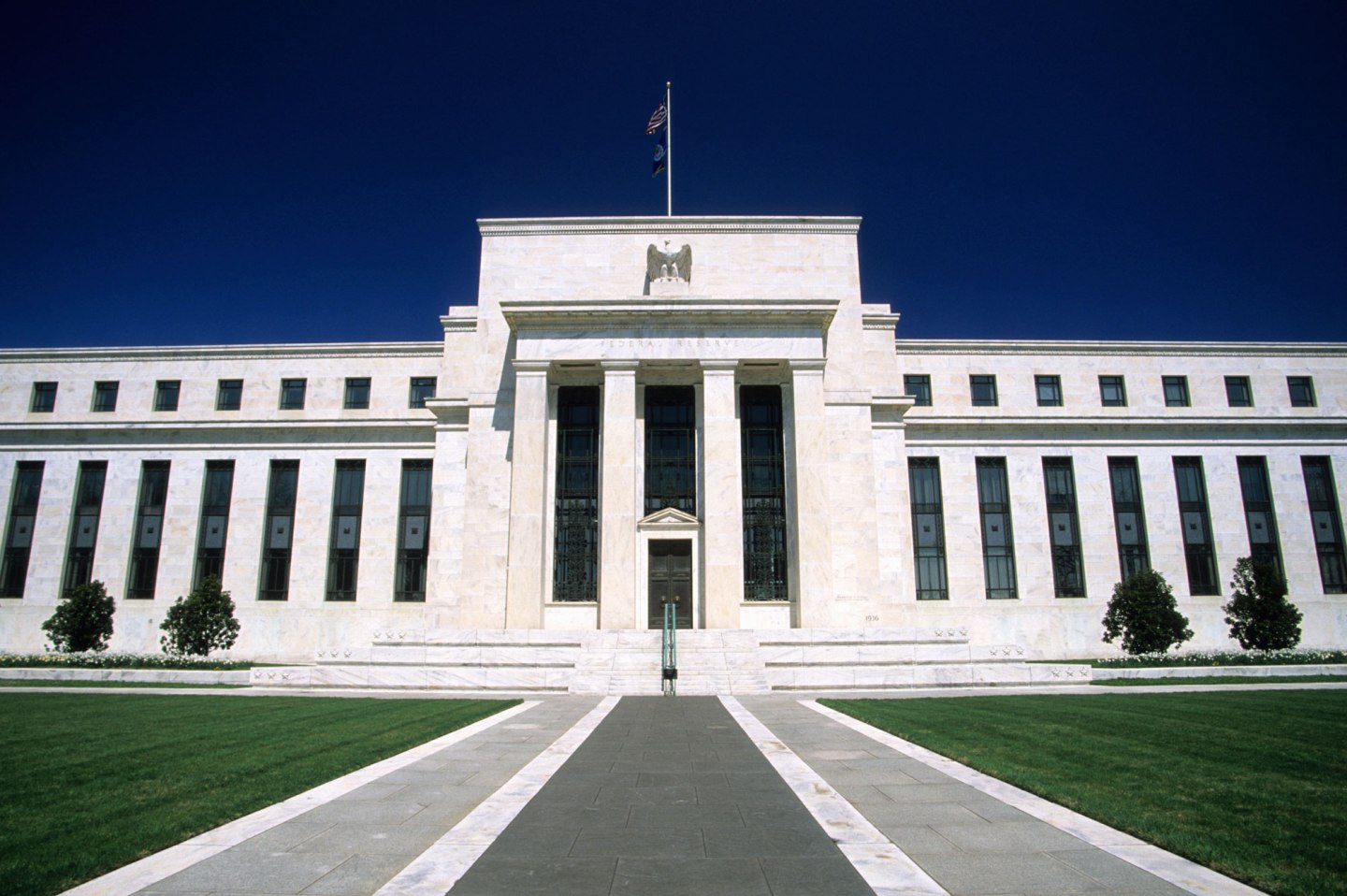
The Federal Reserve is having a pretty good year.
Employment growth has averaged 231,000 jobs per month in 2014, the highest average we’ve seen since the end of the recession, and inflation is picking up and is now roughly in line with the central bank’s 2% yearly target. These trends of lower unemployment and slightly higher inflation have allowed the Fed to slowly unwind its bond purchasing stimulus program known as quantitative easing.
The fact that this tapering of bond purchases has gone off without upsetting stock or bond markets has led many to argue that the Fed is finally hitting its stride after years of unconventional monetary policy.
But not everyone is so positive about the Fed. Quantitative easing has long had its critics, and many of these people—plus a few new converts—are adamant that all are part of the Fed’s recent efforts to stimulate the economy have been unwise. Here’s what four critics have to say:
Alan Meltzer, Carnegie Mellon economist and Fed historian:
Meltzer believes quantitative easing was misguided, primarily because Fed bond buying didn’t really encourage increased bank lending.
“With $3.5 trillion in excess reserves sitting in the banking system, what good can the Fed do by adding to it that the banks couldn’t do on their own? The answer is nothing. Whatever has happened in the economy isn’t being caused by quantitative easing,” he says.
Meltzer also points to the fact that corporate investment remains at very low levels as evidence of the stimulus’ ineffectiveness. Corporations have taken advantage of low interest rates to issue debt and buy back stock, but they have yet to actually use that money to invest in their businesses.
Furthermore, Meltzer believes that quantitative easing risks unleashing inflation once the economy heats up again. “The reason we haven’t seen inflation yet is because we haven’t seen high money growth [an increase in the money supply]” as a result of the Fed’s policies, he says.
But even after QE has ended, the Fed’s balance sheet, which is four times greater than it normally is, will continue to encourage bank lending and money growth once economic growth picks up again. Meltzer worries that the Fed won’t be able to contain inflation once that happens because it won’t have the political will to keep interest rates as high as they will need to be.
Jim Bianco, president of Bianco Research:
According to Bianco QE has “had somewhere between zero and no effect” on the economy. He argues that when the Fed announced the open-ended phase of the program—in which it pledged to purchase $85 billion per month in bonds indefinitely—the economy was basically in the same shape it is now. Bianco admits that the unemployment rate has fallen considerably, but broader measures of the labor market, like the employment-population ratio, have barely budged. “What was so bad in the economy in 2012 that has been fixed now?” Bianco asks.
Andrew Huszar, senior fellow, Rutgers Business School and former manager of the Fed’s Agency MBS Purchase Program:
Huszar believes the first round of quantitative easing was a necessary step to calm credit markets and prevent the financial crisis from spiraling out of control. But he argues that each successive round has been less effective and the vast majority of the program’s benefits have been captured by the wealthy and powerful. “All it’s really done is provide benefits to the wealthiest American individuals and corporations who don’t really need the help,” he says.
Huszar points to the fact that the Fed has justified QE by saying it provides a “wealth effect” by boosting stock and home prices. The theory goes that if these asset prices increase, consumers will be more confident and spend more and this activity will stimulate the economy overall. But Huszar points out that those wealthy enough to own significant assets aren’t the ones struggling in this economy, and so acting to boost asset prices is ineffective.
Rick Rieder, chief investment officer of fundamental fixed income, BlackRock:
Like Huszar, Reider was a fan of the first round of QE, and actually believes the program was effective through the end of 2012, when gridlock in Washington led to a government shutdown. Quantitative easing, according to Reider, is a great tool for helping financial markets weather crises like the crash of 2008 and the government shutdown, but it has outlived its usefulness.
“We live in a world where the net fixed income supply is relatively low compared to history,” Rieder argues, and with the Fed buying up so much of the world’s safe assets, it’s creating serious distortions in financial markets. Because of these distortions, firms are having a difficult time judging the true state of the economy, and this, Rieder argues, is holding back corporate investment—which is what we really need to get the economy going again.