• Home
  • Latest
  • Fortune 500
  • Finance
  • Tech
  • Leadership
  • Lifestyle
  • Rankings
  • Multimedia

Trendingnow

1

The U.S. campaigned to host the World Cup. Now soccer fans will trade their countries' train system for the U.S.'s 'D' rated infrastructure

2

The pig in the python: Baby Boomers are strangling the economy they built by refusing to move or retire

3

Jeff Bezos wants the bottom half of earners to pay zero income tax—he says nurses making just $75K should save $12K a year

1

The U.S. campaigned to host the World Cup. Now soccer fans will trade their countries' train system for the U.S.'s 'D' rated infrastructure

2

The pig in the python: Baby Boomers are strangling the economy they built by refusing to move or retire

3

Jeff Bezos wants the bottom half of earners to pay zero income tax—he says nurses making just $75K should save $12K a year
AIOpenAI

The big questions looming over OpenAI’s trillion-dollar IPO

By
Beatrice Nolan
Beatrice Nolan
Tech Reporter
Down Arrow Button Icon
By
Beatrice Nolan
Beatrice Nolan
Tech Reporter
Down Arrow Button Icon
May 22, 2026, 12:54 PM ET
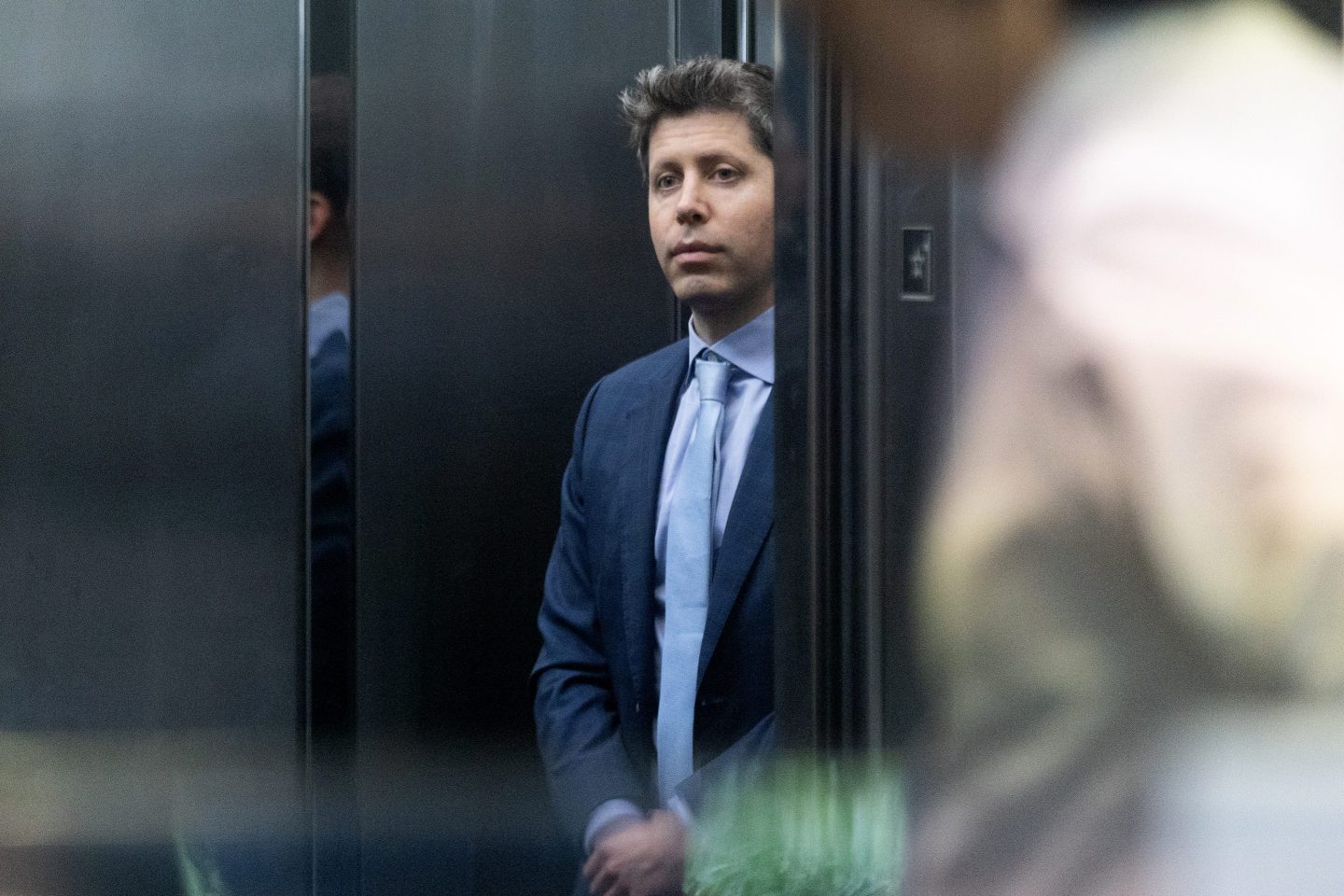
Sam Altman standing in a lift.
Sam Altman, OpenAI CEO.(Photo by Benjamin Fanjoy/Getty Images)

OpenAI’s hotly anticipated IPO may be coming sooner than expected. Hot on the heels of co-founder Elon Musk filing for a trillion-dollar SpaceX offering, the ChatGPT maker is preparing to file its own confidential IPO paperwork, according to a report from the Wall Street Journal. The filing could pave the way for a public listing as soon as September. 

Recommended Video

The AI lab’s last ​private funding round valued the company at $852 billion, but the company could be valued at up to $1 trillion by the time it goes public. A $1 trillion IPO, which would closely follow SpaceX’s record-breaking listing, would be one of the largest wealth events in Silicon Valley history. It would also test whether public markets are willing to bankroll the staggering cost of the AI race and back the heavily loss-making OpenAI.

OpenAI remains deeply unprofitable, and executives have reportedly grown concerned about whether the company could finance future compute contracts after missing internal revenue and user-growth targets. The company’s need for data centers, chips, and cloud capacity means it needs to keep spending, and investors will have to decide whether they believe the company can turn that spending into durable profits. Its debut would also set the tone for the next wave of AI listings, including OpenAI’s arch rival Anthropic, which is reportedly aiming for its own IPO later this year.

It’s unclear when exactly the company plans to file the paperwork or go public. Companies are allowed to file confidentially with the U.S. Securities and Exchange Commission and receive feedback from the regulator before making their S-1 public at a time of their choosing. But the S-1 must be published at least 15 days before the company begins its “road show” to sell its initial order book of shares to investors. That road show, in turn, usually takes place about one to two weeks before the company conducts the IPO. It has been reported that OpenAI may make its confidential filing with the SEC as soon as today.

According to The Information, the OpenAI CEO told staff this week that filing for an IPO is different from being ready to go public, and that the company would not list until it was ready.

The company’s S-1 may not arrive for weeks or even months. But whenever the filing does drop, it will certainly be a treasure trove. Here’s what investors will be looking for.

How bad is the burn?

This is the big one. OpenAI’s filing will detail exactly how much cash the company is burning on training its models, serving those models on its existing cloud computing infrastructure, building out more data center capacity, and hiring exceptionally pricey AI talent. It should also give investors some indication of whether that burn rate has been trending downwards as OpenAI’s revenues have grown and when the company can reasonably expect to turn at least an operating profit.

How investors react to those number will matter to the whole AI industry. If investors are willing to buy into a company spending at this scale, it suggests the market still has tolerance for AI’s cash bonfire. If they balk, it could make life more complicated for the next wave of AI listings, including Anthropic.

Public market investors have sometimes been willing to tolerate money-losing tech companies in the past. Amazon, Uber, and Spotify for example, were both unprofitable for years after their respective IPOs. WeWork, on the other hand, had to pull its IPO over investors learned how deeply unprofitable the company was. Two years later, WeWork filed for bankruptcy.

Who stands to gain from the IPO?

OpenAI has an infamously complex structure. Founded as a non-profit, the company finalized its transition into a for-profit public benefit corporation in October 2025.

Microsoft owns roughly 27% of OpenAI’s new public benefit corporation structure, while the OpenAI Foundation owns 26%. Current and former employees and other investors hold the rest.

A $1 trillion listing would turn those stakes into enormous wealth. Microsoft’s stake alone would be worth roughly $270 billion before dilution, while the nonprofit foundation’s stake would be worth roughly $260 billion. OpenAI president Greg Brockman has already testified that his holdings are worth nearly $30 billion, a figure that could rise to roughly $35 billion at a trillion-dollar valuation.

The filing should also give a much clearer picture of the company’s ownership structure, including how much equity is held by insiders, employees, and investors.

What is Sam Altman’s stake and compensation?

There have been persistent questions hanging over Altman’s stake in OpenAI. OpenAI’s CEO previously said he did not directly own equity in the company, though he recently clarified in court that he has a passive stake through Y Combinator.

If Altman has received equity or a new compensation package under OpenAI’s public benefit corporation structure, the S-1 should spell that out as well. It should also show how much he is paid and any performance awards.

What does it cost to serve OpenAI’s models?

Revenue growth is only half the story for OpenAI; there are also questions around what the company spends to generate that revenue and what its so-called “unit economics” are.

In other words: for every token the company serves to a user, how much is it costing it to produce that token? If the S-1 gives any meaningful window into model-serving costs, it could help shed light on whether these products can become truly profitable at scale.

That question is especially important because generative AI does not have the same economics as traditional software. While SaaS products often have relatively low marginal costs per additional user, AI systems incur compute costs every time they generate a response. As usage of tools like ChatGPT, Codex, and APIs grows, providers must scale GPU infrastructure, although efficiency gains and model optimization can reduce the cost per request over time.

How much is spent on compute vs. talent?

OpenAI’s S-1 should also show how its spending breaks down. How much is going toward compute, cloud contracts, chips, and data centers? How much is going toward salaries for some of the most expensive technical talent in the world?

OpenAI has used equity to recruit and retain some of the most sought-after technical talent in the world. The filing should also show how much stock-based compensation it is issuing, how much dilution existing shareholders face, and how much employee wealth is already baked into the company.

What is the revenue mix?

The Information recently reported that OpenAI generated nearly $6 billion in revenue in the first quarter alone, helped in part by rapid adoption of its popular coding tool, Codex. The S-1 should spell out exactly where that revenue is coming from.

How much is ChatGPT subscriptions? How much is enterprise? How much is API usage? How much is coding products like Codex? 

Different revenue streams will give a clearer picture of OpenAI’s customer base. Lots of enterprise revenue may make OpenAI look more durable, while heavy reliance on consumer subscriptions or usage-based API spending could raise questions about churn and margins.

What risks does OpenAI identify?

The risk section could be unusually revealing. OpenAI will likely have to address standard IPO questions such as competition, customer concentration, dependence on partners, and the need for huge amounts of capital.

But OpenAI isn’t just facing standard problems. The company’s own executives have repeatedly acknowledged that their technology might just wipe out all of humanity, help people construct bioweapons, and orchestrate massive coordinated cyberattacks. 

The company is also facing a wave of lawsuits over the psychological harms of its technology. OpenAI may have to address everything from national security concerns to psychological risks to the possibility that governments impose much stricter rules on frontier AI systems.

In 2001, Fortune first convened the smartest people we know, bringing together CEOs and founders, builders and investors, thinkers and doers. Since then, Fortune Brainstorm Tech has been the place where bold ideas collide. From June 8–10, we will return to Aspen—where it all began—to mark 25 years of Brainstorm. Register now.
About the Author
By Beatrice NolanTech Reporter
Twitter icon

Beatrice Nolan is a tech reporter on Fortune’s AI team, covering artificial intelligence and emerging technologies and their impact on work, industry, and culture. She's based in Fortune's London office and holds a bachelor’s degree in English from the University of York. You can reach her securely via Signal at beatricenolan.08

See full bioRight Arrow Button Icon

Latest in AI

Finance
Lorem ipsum dolor sit amet, consectetur adipiscing elit, sed do eiusmod tempor incididunt ut labore et dolore magna aliqua. Ut enim ad minim veniam
By Fortune Editors
October 20, 2025
Finance
Lorem ipsum dolor sit amet, consectetur adipiscing elit, sed do eiusmod tempor incididunt ut labore et dolore magna aliqua. Ut enim ad minim veniam
By Fortune Editors
October 20, 2025
Finance
Lorem ipsum dolor sit amet, consectetur adipiscing elit, sed do eiusmod tempor incididunt ut labore et dolore magna aliqua. Ut enim ad minim veniam
By Fortune Editors
October 20, 2025
Finance
Lorem ipsum dolor sit amet, consectetur adipiscing elit, sed do eiusmod tempor incididunt ut labore et dolore magna aliqua. Ut enim ad minim veniam
By Fortune Editors
October 20, 2025
Finance
Lorem ipsum dolor sit amet, consectetur adipiscing elit, sed do eiusmod tempor incididunt ut labore et dolore magna aliqua. Ut enim ad minim veniam
By Fortune Editors
October 20, 2025
Finance
Lorem ipsum dolor sit amet, consectetur adipiscing elit, sed do eiusmod tempor incididunt ut labore et dolore magna aliqua. Ut enim ad minim veniam
By Fortune Editors
October 20, 2025

Most Popular

Finance
Lorem ipsum dolor sit amet, consectetur adipiscing elit, sed do eiusmod tempor incididunt ut labore et dolore magna aliqua. Ut enim ad minim veniam
By Fortune Editors
October 20, 2025
Finance
Lorem ipsum dolor sit amet, consectetur adipiscing elit, sed do eiusmod tempor incididunt ut labore et dolore magna aliqua. Ut enim ad minim veniam
By Fortune Editors
October 20, 2025
Finance
Lorem ipsum dolor sit amet, consectetur adipiscing elit, sed do eiusmod tempor incididunt ut labore et dolore magna aliqua. Ut enim ad minim veniam
By Fortune Editors
October 20, 2025
Finance
Lorem ipsum dolor sit amet, consectetur adipiscing elit, sed do eiusmod tempor incididunt ut labore et dolore magna aliqua. Ut enim ad minim veniam
By Fortune Editors
October 20, 2025
Finance
Lorem ipsum dolor sit amet, consectetur adipiscing elit, sed do eiusmod tempor incididunt ut labore et dolore magna aliqua. Ut enim ad minim veniam
By Fortune Editors
October 20, 2025
Finance
Lorem ipsum dolor sit amet, consectetur adipiscing elit, sed do eiusmod tempor incididunt ut labore et dolore magna aliqua. Ut enim ad minim veniam
By Fortune Editors
October 20, 2025
Fortune Secondary Logo
Rankings
  • 100 Best Companies
  • Fortune 500
  • Global 500
  • Fortune 500 Europe
  • Most Powerful Women
  • World's Most Admired Companies
  • See All Rankings
  • Lists Calendar
Sections
  • Finance
  • Fortune Crypto
  • Features
  • Leadership
  • Health
  • Commentary
  • Success
  • Retail
  • Mpw
  • Tech
  • Lifestyle
  • CEO Initiative
  • Asia
  • Politics
  • Conferences
  • Europe
  • Newsletters
  • Personal Finance
  • Environment
  • Magazine
  • Education
Customer Support
  • Frequently Asked Questions
  • Customer Service Portal
  • Privacy Policy
  • Terms Of Use
  • Single Issues For Purchase
  • International Print
Commercial Services
  • Advertising
  • Fortune Brand Studio
  • Fortune Analytics
  • Fortune Conferences
  • Business Development
  • Group Subscriptions
About Us
  • About Us
  • Press Center
  • Work At Fortune
  • Terms And Conditions
  • Site Map
  • About Us
  • Press Center
  • Work At Fortune
  • Terms And Conditions
  • Site Map
  • Facebook icon
  • Twitter icon
  • LinkedIn icon
  • Instagram icon
  • Pinterest icon

Latest in AI

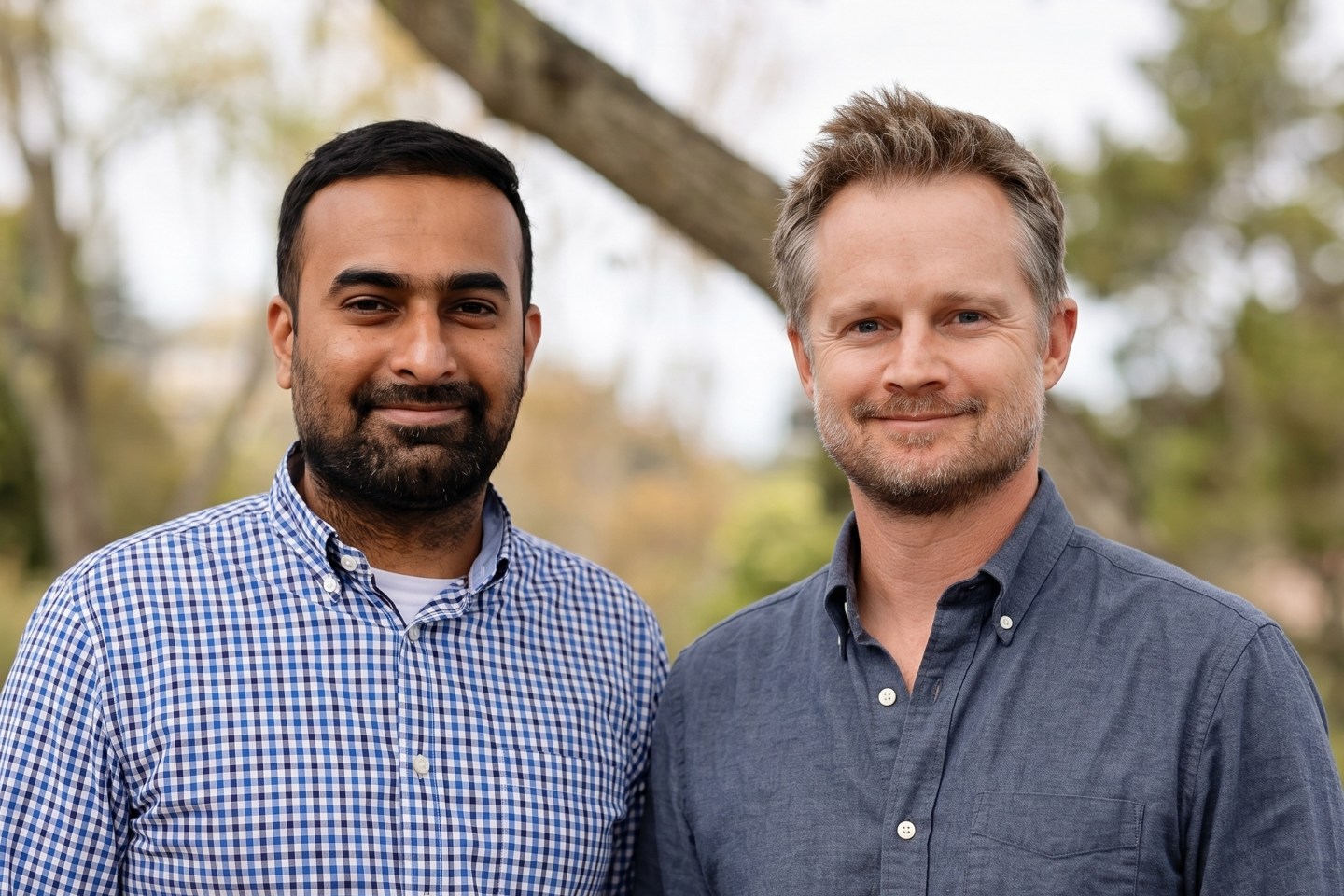
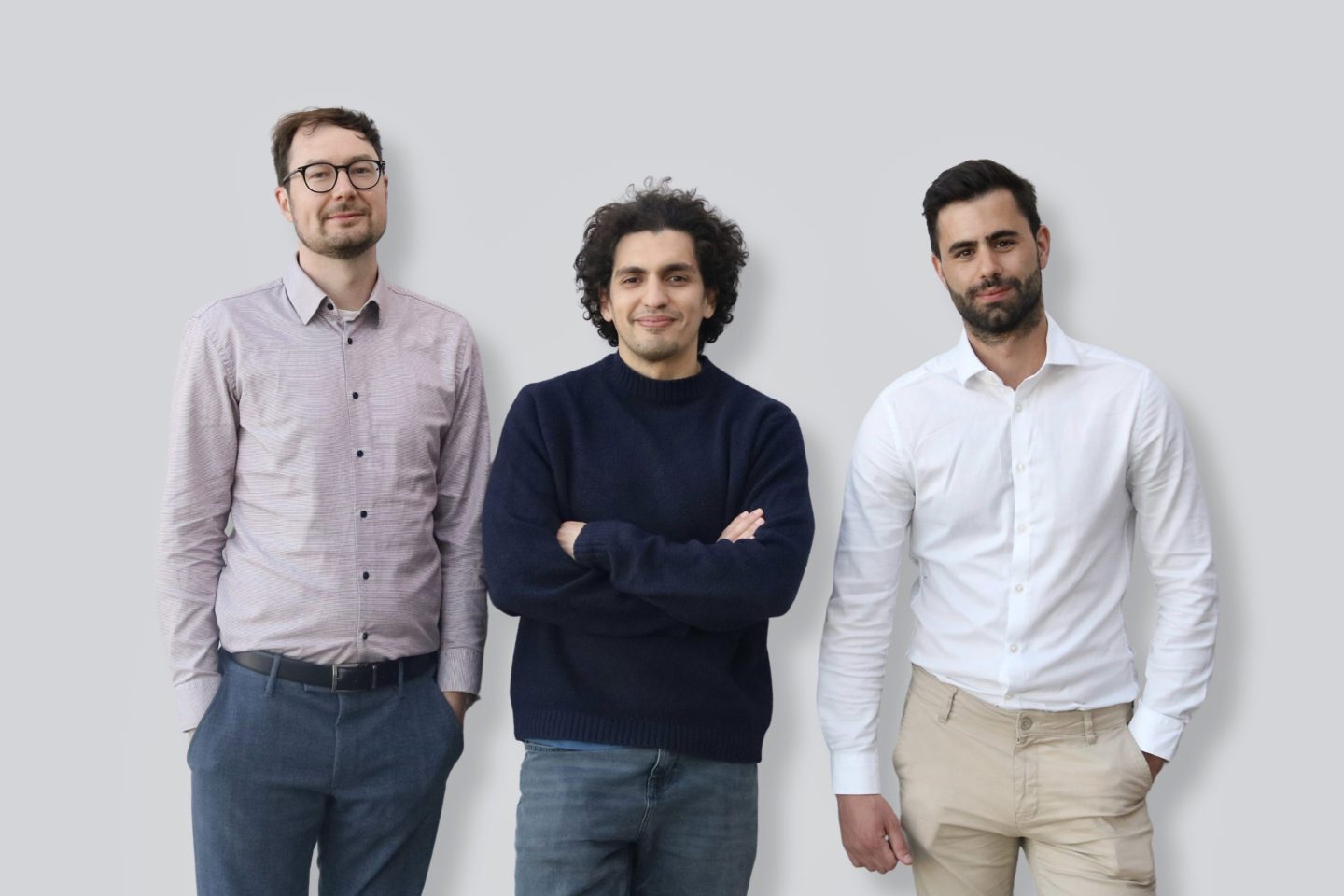
Perceptic cofounders Tilman Flock (left), Zaki Trache (center), and Martin Copes.
AIPharmaceutical Industry
Exclusive: Perceptic, a startup automating drug discovery end-to-end for Big Pharma, emerges from stealth with $12 million in seed funding
By Jeremy KahnMay 26, 2026
2 hours ago
eric ries
CommentaryBook Excerpt
I wrote the playbook that built Big Tech. I misjudged what would happen next
By Eric RiesMay 26, 2026
2 hours ago
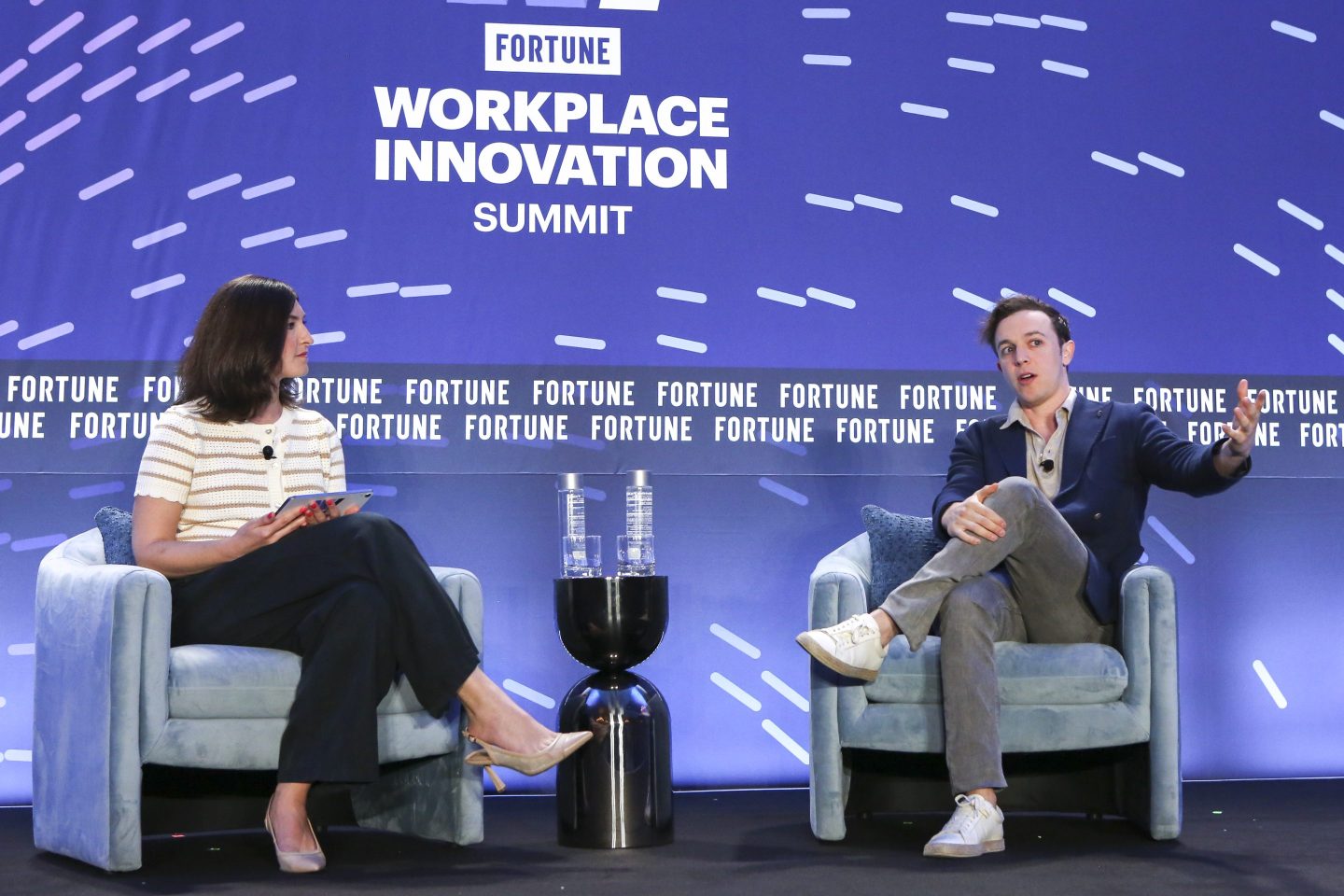
Ryan Breslow, Bolt CEO, chats with Fortune's Kristin Stoller, editorial director, at the Fortune Workplace Innovation Summit.
NewslettersFortune Workplace Innovation
A CEO fired all of HR. The EEOC is suing the NYT. Both defended it onstage
By Kristin StollerMay 26, 2026
2 hours ago
j
C-Suiteprivate equity
‘Excited and terrified’: One of private equity’s top investors built an AI that knows every deal he’s ever done
By Nick LichtenbergMay 26, 2026
3 hours ago
Ali Hussain (left) and Mike MacLennan (right) smile
AITerm Sheet
Exclusive: The next wave of AI drive-thrus is here—and a16z and Arc think it finally works
By Lily Mae LazarusMay 26, 2026
4 hours ago
dario
Future of WorkConsulting
Big Four consulting has 2 AI nightmares. KPMG’s answer to both is the same
By Nick LichtenbergMay 26, 2026
5 hours ago

Most Popular

The U.S. campaigned to host the World Cup. Now soccer fans will trade their countries' train system for the U.S.'s 'D' rated infrastructure
Travel & Leisure
The U.S. campaigned to host the World Cup. Now soccer fans will trade their countries' train system for the U.S.'s 'D' rated infrastructure
By Catherina GioinoMay 25, 2026
1 day ago
The pig in the python: Baby Boomers are strangling the economy they built by refusing to move or retire
Economy
The pig in the python: Baby Boomers are strangling the economy they built by refusing to move or retire
By Nick LichtenbergMay 25, 2026
1 day ago
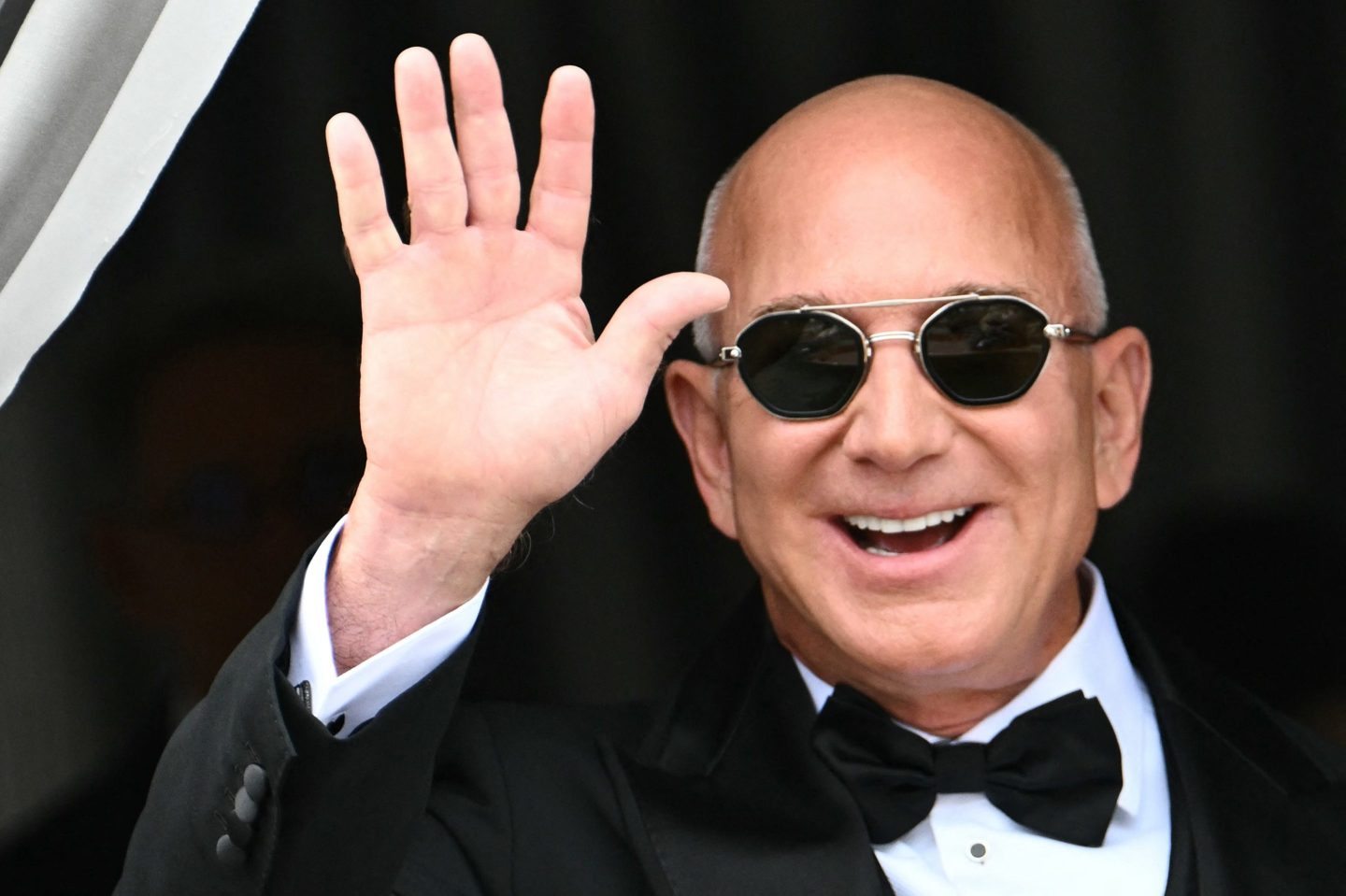
Jeff Bezos wants the bottom half of earners to pay zero income tax—he says nurses making just $75K should save $12K a year
Success
Jeff Bezos wants the bottom half of earners to pay zero income tax—he says nurses making just $75K should save $12K a year
By Preston ForeMay 21, 2026
5 days ago
Elon Musk's best friend could make more than $100 billion from SpaceX's IPO. His firm is also owed billions by SpaceX
Investing
Elon Musk's best friend could make more than $100 billion from SpaceX's IPO. His firm is also owed billions by SpaceX
By Eva RoytburgMay 25, 2026
1 day ago
A billionaire and an A-list actor found refuge in a 37-home Florida neighborhood with armed guards—proof that privacy is now the ultimate luxury
Real Estate
A billionaire and an A-list actor found refuge in a 37-home Florida neighborhood with armed guards—proof that privacy is now the ultimate luxury
By Marco Quiroz-GutierrezMay 25, 2026
1 day ago
Uber CEO says rideshare 'freed up' his son from having to get a driver’s license—and he's one of many Gen Zers who aren’t willing to drive
Lifestyle
Uber CEO says rideshare 'freed up' his son from having to get a driver’s license—and he's one of many Gen Zers who aren’t willing to drive
By Sasha RogelbergMay 24, 2026
2 days ago

© 2026 Fortune Media IP Limited. All Rights Reserved. Use of this site constitutes acceptance of our Terms of Use and Privacy Policy | CA Notice at Collection and Privacy Notice | Do Not Sell/Share My Personal Information
FORTUNE is a trademark of Fortune Media IP Limited, registered in the U.S. and other countries. FORTUNE may receive compensation for some links to products and services on this website. Offers may be subject to change without notice.