• Home
  • News
  • Fortune 500
  • Tech
  • Finance
  • Leadership
  • Lifestyle
  • Rankings
  • Multimedia
CommentaryChina

How China’s Surveillance State Reflects ‘Black Mirror’

By
Clay Chandler
Clay Chandler
Executive Editor, Asia
Down Arrow Button Icon
By
Clay Chandler
Clay Chandler
Executive Editor, Asia
Down Arrow Button Icon
March 27, 2019, 11:25 AM ET

This article first appeared in Data Sheet, Fortune’s daily newsletter on the top tech news. To get it delivered daily to your in-box, sign up here.

Tuesday’s South China Morning Post features a harrowing profile of David Kong, one of the more than 13 million Chinese citizens officially designated a “discredited individual.” In 2015 after his publishing venture collapsed and he failed to repay debts of about $240,000, Kong was branded a deadbeat and his name entered onto a public blacklist maintained by the Supreme Court. That “discredited” status deters prospective employers and makes it impossible for Kong to borrow money. It also bars him from air travel and forces him to buy the cheapest class of seat when he travels by train.

China created the discredited list in 2013. As of the end of last year, Chinese courts had prevented “untrustworthy” citizens from taking more than 17 million flights and 5 million high-speed train trips, according to a recent report by China’s National Public Credit Information Centre. It’s a bit too close to the dystopian vision in the 2016 episode of the British tech satire series Black Mirror where a character played by Bryce Dallas Howard is shunned from society when her personal rating score nosedives.

All societies impose legal and social punishments on those who shirk their debts. But what troubles many Western observers is that China’s “discredited list” is a part of a much broader “social credit system” that aims to monitor and control behavior of all sorts—and relies increasingly on surveillance capabilities of the nation’s private tech companies.

Over the past decade, Beijing has experimented with pilot social credit score programs in dozens of cities. Early results weren’t promising. But as I’ve noted in CEO Daily and Fortune, thanks to advances by private tech firms—including Alibaba Group (BABA) affiliates Ant Financial and Megvii; Beijing-based A.I. startup SenseTime Group; and Shenzhen-listed iFlyTech—the state’s ability to collect and analyze data about individual behavior is catching up to its ambitions.

A surprising (to me anyway) number of Western correspondents have sought to make the case that outside concerns about China’s social credit scoring system are “overblown.” TechNode’s John Artman, in an essay entitled “How I learned to stop worrying and love surveillance capitalism,” argues that, while China’s government may be far more explicit about its support for surveillance capitalism than the United States, Chinese tech firms—at least so far—are far less sophisticated than Google (GOOGL) or Facebook (FB) in using the data they collect to predict and manipulate user behavior. Beijing-based Simina Mistreanu argued recently in the Washington Post that most Chinese like the idea of a social credit scoring system because they think it mean new conveniences, and anyway in China as a whole such a system is unlikely to “morph into something akin to the surveillance state currently in place in the country’s western Xinjiang province.”

That feels like pretty faint praise.

About the Author
By Clay ChandlerExecutive Editor, Asia

Clay Chandler is executive editor, Asia, at Fortune.

See full bioRight Arrow Button Icon

Latest in Commentary

Steve Milton is the CEO of Chain, a culinary-led pop-culture experience company founded by B.J. Novak and backed by Studio Ramsay Global.
CommentaryFood and drink
Affordability isn’t enough. Fast-casual restaurants need a fandom-first approach
By Steve MiltonDecember 5, 2025
9 hours ago
Paul Atkins
CommentaryCorporate Governance
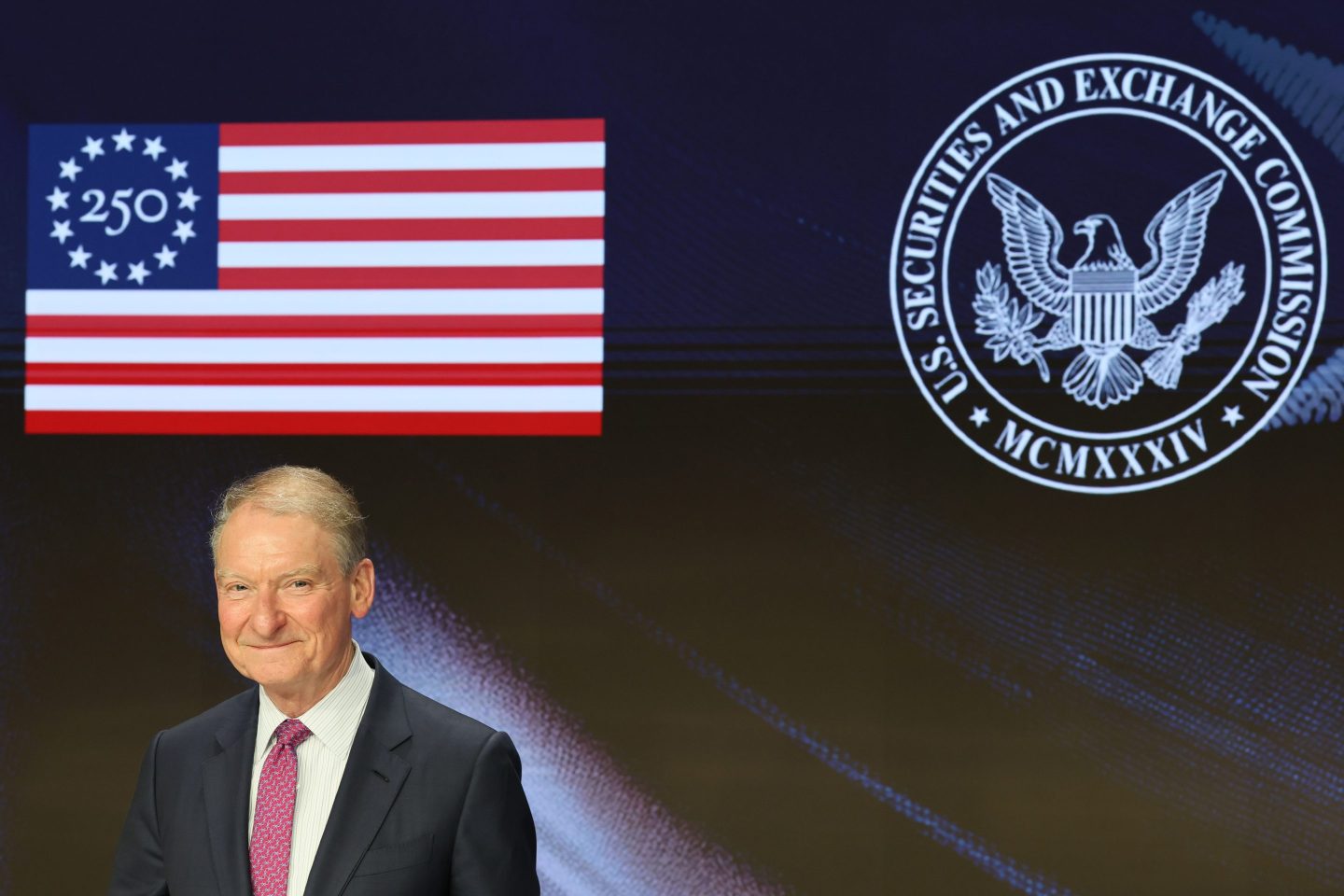
Turning public companies into private companies: the SEC’s retreat from transparency and accountability
By Andrew BeharDecember 5, 2025
9 hours ago
Matt Rogers
CommentaryInfrastructure
I built the first iPhone with Steve Jobs. The AI industry is at risk of repeating an early smartphone mistake
By Matt RogersDecember 4, 2025
1 day ago
Jerome Powell
CommentaryFederal Reserve
Fed officials like the mystique of being seen as financial technocrats, but it’s time to demystify the central bank
By Alexander William SalterDecember 4, 2025
1 day ago
Rakesh Kumar
CommentarySemiconductors
China does not need Nvidia chips in the AI war — export controls only pushed it to build its own AI machine
By Rakesh KumarDecember 3, 2025
2 days ago
Rochelle Witharana is Chief Financial and Investment Officer for The California Wellness Foundation
Commentarydiversity and inclusion
Fund managers from diverse backgrounds are delivering standout returns and the smart money is slowly starting to pay attention
By Rochelle WitharanaDecember 3, 2025
2 days ago

Most Popular

placeholder alt text
Economy
Two months into the new fiscal year and the U.S. government is already spending more than $10 billion a week servicing national debt
By Eleanor PringleDecember 4, 2025
1 day ago
placeholder alt text
Success
‘Godfather of AI’ says Bill Gates and Elon Musk are right about the future of work—but he predicts mass unemployment is on its way
By Preston ForeDecember 4, 2025
1 day ago
placeholder alt text
Success
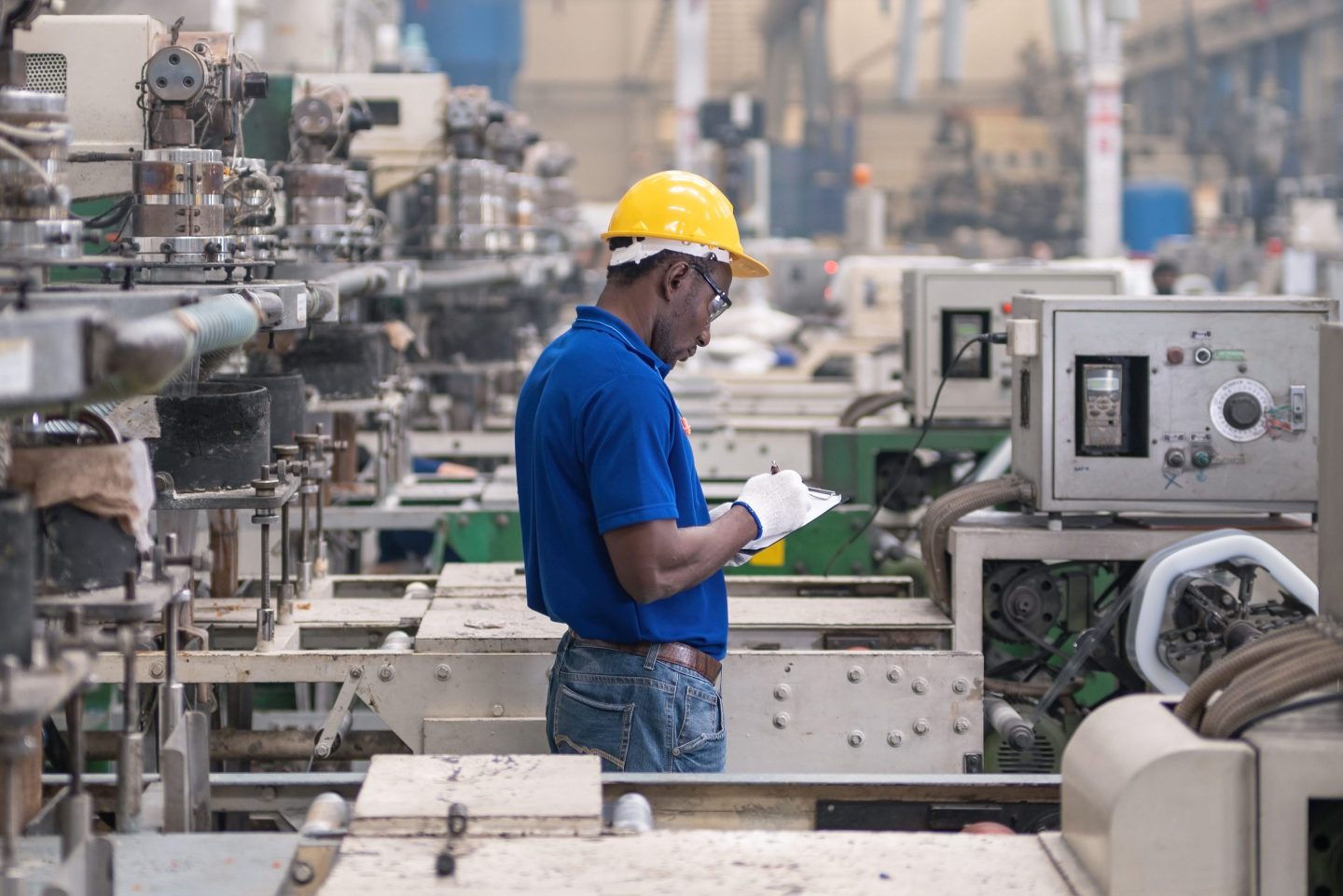
Nearly 4 million new manufacturing jobs are coming to America as boomers retire—but it's the one trade job Gen Z doesn't want
By Emma BurleighDecember 4, 2025
1 day ago
placeholder alt text
Success
Nvidia CEO Jensen Huang admits he works 7 days a week, including holidays, in a constant 'state of anxiety' out of fear of going bankrupt
By Jessica CoacciDecember 4, 2025
1 day ago
placeholder alt text
Real Estate
‘There is no Mamdani effect’: Manhattan luxury home sales surge after mayoral election, undercutting predictions of doom and escape to Florida
By Sasha RogelbergDecember 4, 2025
1 day ago
placeholder alt text
Economy
Tariffs and the $38 trillion national debt: Kevin Hassett sees ’big reductions’ in deficit while Scott Bessent sees a ‘shrinking ice cube’
By Nick LichtenbergDecember 4, 2025
1 day ago
Rankings
  • 100 Best Companies
  • Fortune 500
  • Global 500
  • Fortune 500 Europe
  • Most Powerful Women
  • Future 50
  • World’s Most Admired Companies
  • See All Rankings
Sections
  • Finance
  • Leadership
  • Success
  • Tech
  • Asia
  • Europe
  • Environment
  • Fortune Crypto
  • Health
  • Retail
  • Lifestyle
  • Politics
  • Newsletters
  • Magazine
  • Features
  • Commentary
  • Mpw
  • CEO Initiative
  • Conferences
  • Personal Finance
  • Education
Customer Support
  • Frequently Asked Questions
  • Customer Service Portal
  • Privacy Policy
  • Terms Of Use
  • Single Issues For Purchase
  • International Print
Commercial Services
  • Advertising
  • Fortune Brand Studio
  • Fortune Analytics
  • Fortune Conferences
  • Business Development
About Us
  • About Us
  • Editorial Calendar
  • Press Center
  • Work At Fortune
  • Diversity And Inclusion
  • Terms And Conditions
  • Site Map

© 2025 Fortune Media IP Limited. All Rights Reserved. Use of this site constitutes acceptance of our Terms of Use and Privacy Policy | CA Notice at Collection and Privacy Notice | Do Not Sell/Share My Personal Information
FORTUNE is a trademark of Fortune Media IP Limited, registered in the U.S. and other countries. FORTUNE may receive compensation for some links to products and services on this website. Offers may be subject to change without notice.