• Home
  • Latest
  • Fortune 500
  • Finance
  • Tech
  • Leadership
  • Lifestyle
  • Rankings
  • Multimedia
Great Pacific Garbage Patch

A Giant Tube Is Heading Out to Sea to Clean Up the Great Pacific Garbage Patch

By
Hallie Detrick
Hallie Detrick
Down Arrow Button Icon
By
Hallie Detrick
Hallie Detrick
Down Arrow Button Icon
September 11, 2018, 7:59 AM ET

On Saturday a giant floating tube left the San Francisco Bay. It’s name is The Ocean Cleanup System 001 and its mission is to collect plastics from the Great Pacific Garbage Patch.

It’s a trickier mission than it sounds. According to The Ocean Cleanup project, the non-profit that designed and launched The Ocean Cleanup System, there are currently more than five trillion pieces of plastic in the ocean, and 1.8 trillion in the Great Pacific Garbage Patch alone. It’s only one of five areas where this plastic converges. Here’s what you need to know.

What is a garbage patch?

Garbage patches form in five areas in the ocean called subtropical gyres, which are systems of rotating currents that circulate around a single center point. When plastics get caught in one of the gyres, they can’t escape on their own. As more and more waste gets trapped in the currents, it accumulates and becomes more difficult to remove, dangerous to wildlife, and more costly to the economy—in 2014 the U.N. estimated that plastic waste had a financial cost of $13 billion per year in terms of its impact on marine life, tourism, fisheries, and businesses.

A floating debris too large to enter a Manta Trawl, the conventional surface sampling device method, 2015. (Photo by Chloé Dubois)Chloé Dubois
Chloé Dubois

How big is the garbage patch?

It’s often reported that the Great Pacific Garbage Patch is twice the size of Texas, but in 2013 the National Oceanic and Atmospheric Administration (NOAA) pointed out that there are no scientifically sound estimates for the size of the ocean’s garbage patches. That’s because they’re not quite the “floating landfills” we often conjure when we try to picture them. As the Pacific Islands Regional Coordinator of the NOAA Marine Debris Program put it, it’s better to think of the garbage patches as “flecks of pepper floating throughout a bowl of soup, rather than a skim of fat that accumulates (or sits) on the surface.”

While the size can’t be measured, the concentration can, and The Ocean Cleanup project estimates that the densest areas of the Great Pacific Garbage Patch could contain up to 200 kilograms of plastic per square kilometer by 2030 if nothing is done.

How does it work?

According to The Ocean Cleanup project, cleaning up the oceans using the current method of sea vessels and nets would take thousands of years and cost tens of billions of dollars. By contrast, their internal estimates indicate that a full roll-out of 60 Ocean Cleanup Systems could clean 50% of the Great Pacific Garbage Patch within five years. A global deployment of their systems, combined with waste reduction at the source, could remove 90% of the plastic in the ocean by 2040.

The Ocean Cleanup Systems consist of a 600-meter long “floater” that has a 3-meter (about 10 foot) “skirt” hanging from it. The design accounts for the fact that most waste plastic in the ocean sits just below the surface. As ocean currents and winds move the system through the ocean, it collects trash without allowing it to escape over the top of the barrier or out from underneath. The system only works because it moves faster than the plastic in the ocean because it is pushed by currents, waves, and wind, whereas plastic is only pushed by currents. That allows the system to “catch up” with the plastic and collect it, rather than moving at the same rate. The plan is that periodically, vessels will come to collect the debris captured by the systems and take it back to land to be recycled.

The critics

Not everyone is convinced that The Ocean Cleanup System is the best approach to removing plastic from the ocean. Miriam Goldstein, who has a Ph.D. in biological oceanography and is now the director of ocean policy at the Center for American Progress, told CNN that she was concerned about the device creating its own environment and disrupting the ecosystem by collecting plankton at the surface of the ocean along with trash. Instead, she advocated methods that collect plastics at the source and prevent them from getting into the ocean in the first place. For instance, a trash wheel operating in Baltimore’s Inner Harbor has removed nearly 2 million pounds of waste in four years.

About the Author
By Hallie Detrick
See full bioRight Arrow Button Icon

Latest in

EconomyFederal Reserve
The Fed just ‘Trump-proofed’ itself with a unanimous move to preempt a potential leadership shakeup
By Jason MaDecember 12, 2025
9 minutes ago
Healthmeal delivery
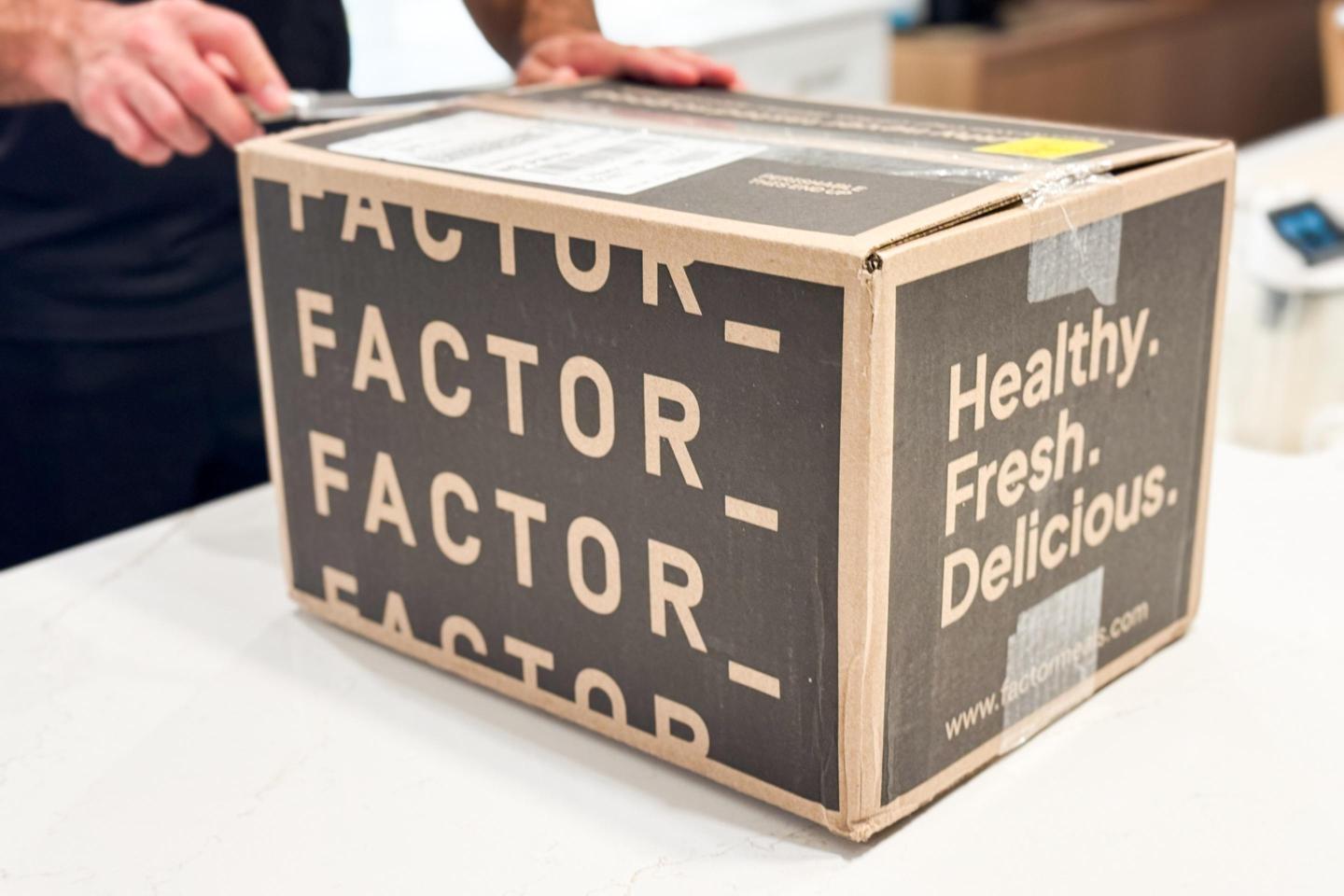
Factor Meals Review 2025: Tester Approved
By Christina SnyderDecember 12, 2025
29 minutes ago
robots
InnovationRobots
‘The question is really just how long it will take’: Over 2,000 gather at Humanoids Summit to meet the robots who may take their jobs someday
By Matt O'Brien and The Associated PressDecember 12, 2025
56 minutes ago
Trump
PoliticsWhite House
House Democrats release new Epstein photos including Trump, Clinton, Prince Andrew
By Stephen Groves and The Associated PressDecember 12, 2025
57 minutes ago
Sherrone Moore
LawMichigan
Michigan mystery revealed: Fired football coach had broken into a lover’s apartment and threatened to kill himself when their affair ended
By Ed White and The Associated PressDecember 12, 2025
1 hour ago
Orlando
LawTheme parks
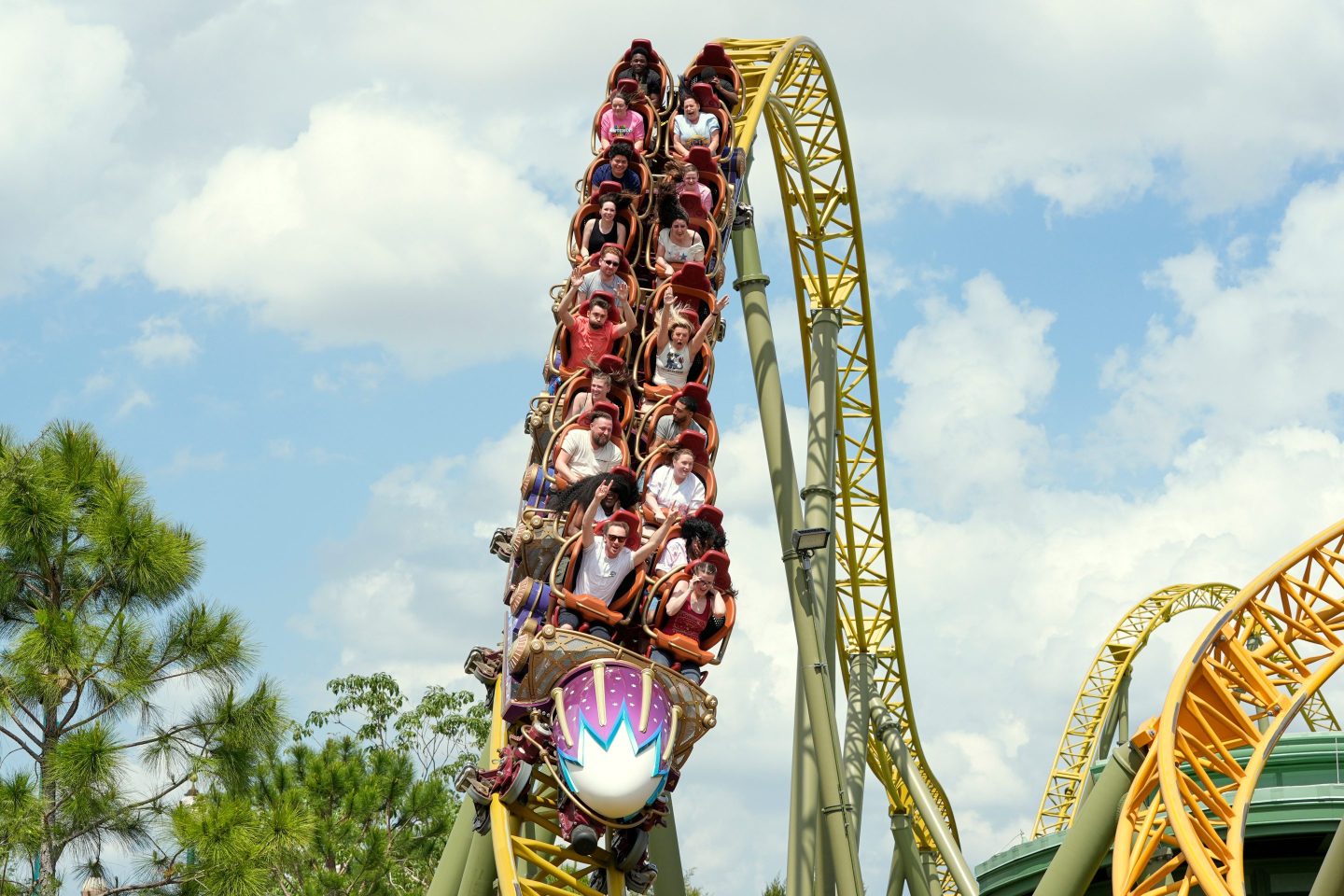
32-year-old’s death on Universal roller coaster was accidental despite deep forehead gash, investigation finds
By Mike Schneider and The Associated PressDecember 12, 2025
1 hour ago

Most Popular

placeholder alt text
Economy
Tariffs are taxes and they were used to finance the federal government until the 1913 income tax. A top economist breaks it down
By Kent JonesDecember 12, 2025
11 hours ago
placeholder alt text
Success
At 18, doctors gave him three hours to live. He played video games from his hospital bed—and now, he’s built a $10 million-a-year video game studio
By Preston ForeDecember 10, 2025
2 days ago
placeholder alt text
Success
Palantir cofounder calls elite college undergrads a ‘loser generation’ as data reveals rise in students seeking support for disabilities, like ADHD
By Preston ForeDecember 11, 2025
1 day ago
placeholder alt text
Investing
Baby boomers have now 'gobbled up' nearly one-third of America's wealth share, and they're leaving Gen Z and millennials behind
By Sasha RogelbergDecember 8, 2025
4 days ago
placeholder alt text
Arts & Entertainment
'We're not just going to want to be fed AI slop for 16 hours a day': Analyst sees Disney/OpenAI deal as a dividing line in entertainment history
By Nick LichtenbergDecember 11, 2025
23 hours ago
placeholder alt text
Economy
‘We have not seen this rosy picture’: ADP’s chief economist warns the real economy is pretty different from Wall Street’s bullish outlook
By Eleanor PringleDecember 11, 2025
1 day ago
Rankings
  • 100 Best Companies
  • Fortune 500
  • Global 500
  • Fortune 500 Europe
  • Most Powerful Women
  • Future 50
  • World’s Most Admired Companies
  • See All Rankings
Sections
  • Finance
  • Leadership
  • Success
  • Tech
  • Asia
  • Europe
  • Environment
  • Fortune Crypto
  • Health
  • Retail
  • Lifestyle
  • Politics
  • Newsletters
  • Magazine
  • Features
  • Commentary
  • Mpw
  • CEO Initiative
  • Conferences
  • Personal Finance
  • Education
Customer Support
  • Frequently Asked Questions
  • Customer Service Portal
  • Privacy Policy
  • Terms Of Use
  • Single Issues For Purchase
  • International Print
Commercial Services
  • Advertising
  • Fortune Brand Studio
  • Fortune Analytics
  • Fortune Conferences
  • Business Development
About Us
  • About Us
  • Editorial Calendar
  • Press Center
  • Work At Fortune
  • Diversity And Inclusion
  • Terms And Conditions
  • Site Map

© 2025 Fortune Media IP Limited. All Rights Reserved. Use of this site constitutes acceptance of our Terms of Use and Privacy Policy | CA Notice at Collection and Privacy Notice | Do Not Sell/Share My Personal Information
FORTUNE is a trademark of Fortune Media IP Limited, registered in the U.S. and other countries. FORTUNE may receive compensation for some links to products and services on this website. Offers may be subject to change without notice.