Americans value health. We pour vast sums of money into health care, we obsess over diet and exercise, we lionize doctors in popular television shows, we celebrate the latest cutting-edge treatments, we even comb through our genes for the secrets to a long, disease-free life.
But does all this actually make us healthier?
The true sources of health are not the drugs we take and the doctors we see, nor how much we eat and how often we go to the gym. Instead, our health is determined by the world in which we live. The safety of our neighborhood, the amount of money we make, the people we interact with, the love and hate we encounter, the justice of our laws, the cleanliness of our air and water, the choices made by political leaders, and sometimes just sheer luck are what really decide whether we get sick or stay well. They are what we should talk about when we talk about health. This column explores these factors.
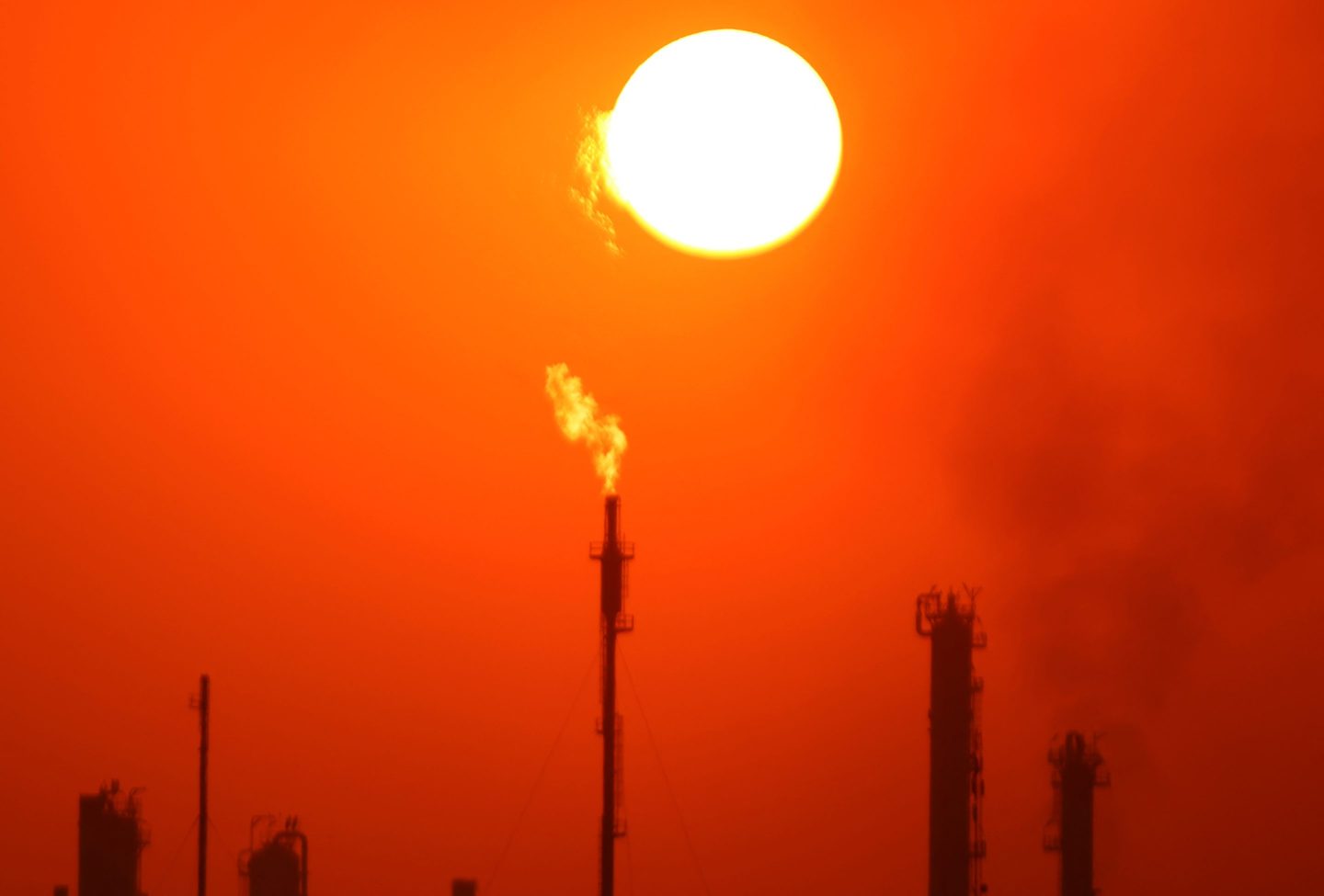
Last month, the Trump administration took a step that will likely have significant consequences for health in the US. This step did not involve the Affordable Care Act, or the opioid crisis, or the price of pharmaceuticals, or any other area we typically associate with health policy. It involved our air. The administration announced its proposal to roll back Obama-era regulations meant to prevent coal-fired plants from polluting. Under the new plan, states will be able to relax emissions standards, a move expected to help the coal industry while increasing carbon emissions across the country. In a moment of what can only be described as political cognitive dissonance, the Environmental Protection Agency, which touted the proposal, also indicated in its analysis of the plan that the emissions increase could cause up to 1,400 premature deaths each year by 2030.
Emissions from coal-fired plants can contain a range of dangerous pollutants, including sulfur dioxide, carbon dioxide, nitrogen oxide, and airborne particulates. These pollutants can cause asthma, bronchitis, and lung disease. According to the EPA, this danger will increase under the new plan, which is projected to create 48,000 cases of asthma alone. But the direct effects of pollution are not the only way that loose emissions standards can harm health. Coal-fired plants also contribute to climate change, a phenomenon with devastating health consequences, some of which we know and some of which we are only beginning to understand. Research has suggested that, as we move further into the age of climate change, rising global temperatures will contribute to an increase in heat-related mortality. Climate change also creates the conditions for natural disasters like hurricanes, floods, and wildfires. These events, in turn, cause widespread injury and death, not just when they first strike, but during their aftermath. Standing floodwater can provide a place for dangerous bacteria and disease-spreading mosquitos to breed. The disruption of infrastructure in a storm-struck region can undermine basic services like waste removal, or interfere with the effective functioning of health systems. The trauma of disasters can increase risk of mental illnesses like depression and posttraumatic stress disorder.
Pollution and climate change have little to do with doctors and medicines, but everything to do with health. They are part of the social, economic, and environmental conditions in which we live, and which shape our wellbeing. While doctors and medicines can help us when we get sick, it is these deep-rooted conditions that determine whether or not we get sick in the first place. If our air and water are dirty, if our neighborhoods are rundown, if our society is roiled by prejudice and hate, then even the most cutting-edge medical technology can do little to keep us healthy.
When we think about health, we do not often think of where it comes from, of how it emerges from our shared context. We think of health in medical terms, as something that comes when we cure ourselves. But cure is not as significant as the complex web of political policy, economic trends, cultural currents, and ecological change that truly underlies health. For this reason, we need to talk about more than health care when we talk about health. Money, power, politics, corporate governance, the moral and ethical character of our society, the basic welfare our earth—these are the subjects that must be at the core of our health conversation, if that conversation is to ever lead to a healthier world.
With this in mind, let us return to the subject of deregulation. Despite the clear hazards of pollution and climate change, we may well ask if it is right to make companies abide by rules that will help the environment. Certainly, a healthy environment is desirable, but, as Milton Friedman and others have argued, a company’s function is not necessarily to achieve such a goal. According to their philosophy, the only social responsibility a company has is to generate profits that enrich its shareholders. To acknowledge otherwise, the thinking goes, would be to open the door to a network of laws and bureaucracy that could stifle economic productivity. This opinion was operationalized at the federal level by Ronald Reagan, and further entrenched by subsequent administrations, so, unlike the socialism of which it often warns, we have a clear picture of what this economic faith looks like when it is practiced on a large scale in the US.
What does this picture show? Over the last 30 years, we have continued to spend more on health than any other country in the world, yet our health has lagged behind that of our peer countries. According to a 2013 report from the National Research Council and the Institute of Medicine, among the world’s 17 most economically successful countries, the US ranks near the bottom of the list on nearly all key health indicators. We have fallen behind because we have, in the years since Reagan, rolled back our investment in public goods—resources which benefit everyone and which all can access without limiting the good’s availability for anyone else. Public goods improve our health by improving the conditions that produce wellbeing; everything from a clean environment, to parks where we can exercise, to traffic laws that keep our roads safe, to schools that educate our children. Indeed, health itself is a public good, one which has been greatly undermined by our neglect of the policies and institutions that sustain it. From cuts to the social safety net, to less money for education, to, yes, environmental deregulation, our disinvestment in the public goods that allow for human flourishing is reflected by our mediocre health.
Should corporations, then, be required to color inside the environmental lines for the sake of our collective health? Only if the people running them wish to avoid breathing toxic fumes, drinking contaminated water, and living on a simmering earth. “Collective,” it is worth recalling, means everyone, and public goods ultimately help us all—from CEOs, to assembly line workers. Investing in public goods shores up the foundations of health in our society, the conditions in which we live. It also acknowledges the extent to which the underpinnings of health fall outside the realm of medicine. If we are to live healthy, creating a world that generates health must take priority over short-term economic gain or the creation of drugs that cure the diseases we fail to prevent. To do this, we must change how we talk about health, and place public goods at the center of the public debate.
Sandro Galea is a professor and Dean of Boston University School of Public Health. His book, Healthier: Fifty thoughts on the foundations of population health, was published in June 2017. Follow him on Twitter: @sandrogalea.