• Home
  • Latest
  • Fortune 500
  • Finance
  • Tech
  • Leadership
  • Lifestyle
  • Rankings
  • Multimedia
CommentarySupreme Court

Brett Kavanaugh Said Judges Should Just Follow the Law. Here’s Why That’s Misleading

By
Carolyn Shapiro
Carolyn Shapiro
Down Arrow Button Icon
By
Carolyn Shapiro
Carolyn Shapiro
Down Arrow Button Icon
July 10, 2018, 2:24 PM ET

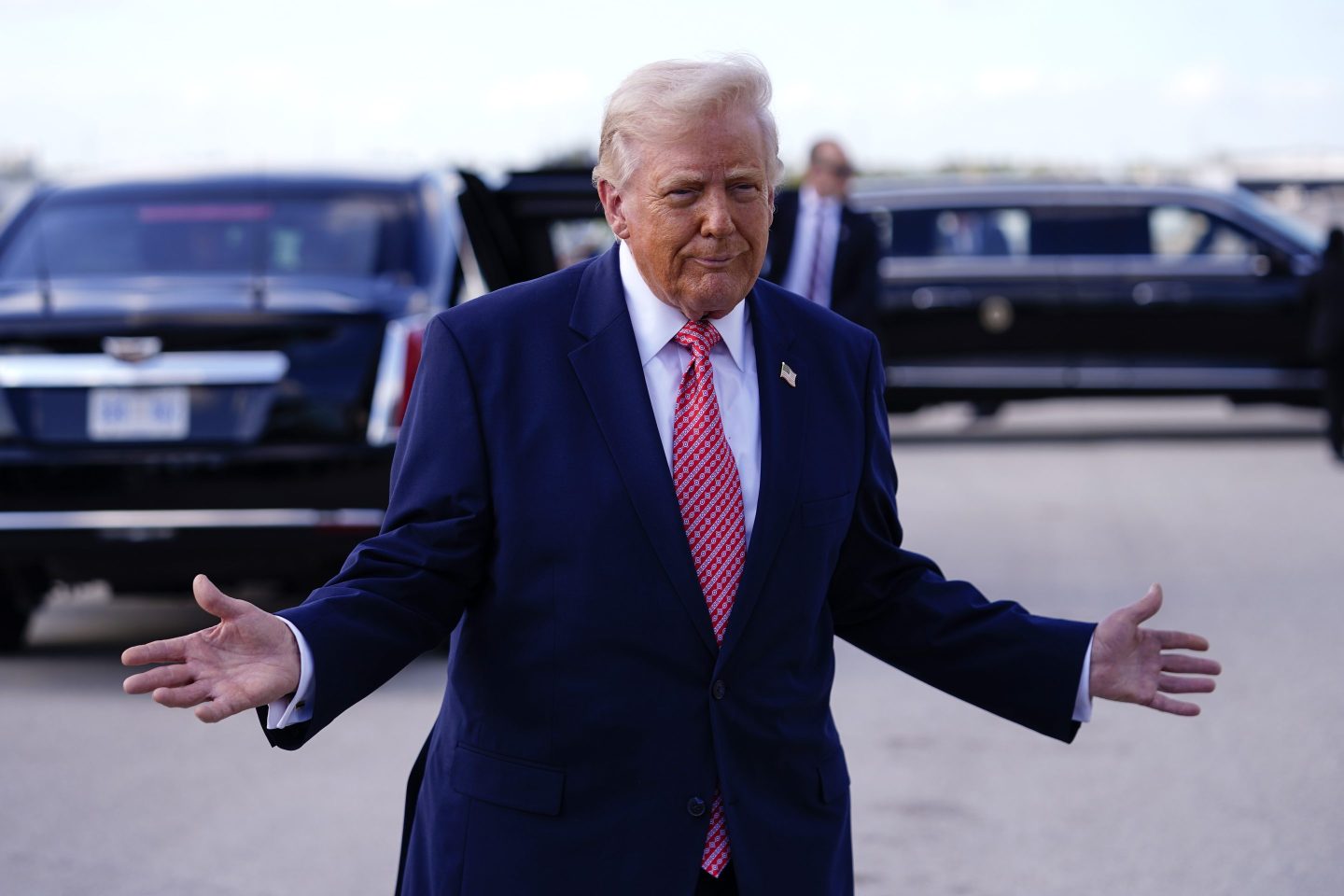
On Monday night, President Donald Trump introduced Judge Brett Kavanaugh, his nominee to replace Justice Anthony Kennedy on the Supreme Court. Trump explained that he had not asked Kavanaugh about his “personal opinions” and that Kavanaugh’s “political views” do not matter, because a good judge must set those aside “to do what the law and the Constitution require.” Kavanaugh similarly spoke about the importance of judges knowing that their job is to “interpret the law, not make the law.”

These are great soundbites. They are also, at best, highly misleading, especially when talking about the Supreme Court. They are misleading because they suggest that there are always neutral and objectively correct answers to the hardest legal questions, such as those the Supreme Court often decides. And they are claims most commonly made by those on the political right.

But in fact, hard cases involve competing constitutional provisions, values, and precedents, all of which the justices have to weigh. Hard cases may involve ambiguous or convoluted statutes, requiring the justices to consider not just individual words, but also context, structure, and purpose. So the question is not whether the nominee can read unambiguous words, but how the nominee handles ambiguity and contradiction, what the nominee’s core constitutional principles are, and how the nominee exercises discretion.

Here’s an example where the Constitution and other legal materials do not provide easy answers: The Fourth Amendment prohibits unreasonable searches and seizures. Judges therefore have to decide what is unreasonable—a quintessentially discretionary question—and a judge’s views about police practices, about the likelihood of guilty people going unpunished, and about individuals’ “reasonable expectations of privacy” are all relevant. We saw that only last month in Carpenter v. United States, when the Supreme Court held, 5-4, that the government cannot obtain certain location data from cellphone companies unless it has a warrant. That case turned in large part on whether and how the justices take account of changes in technology, and in how we all interact with technology, when considering how the Fourth Amendment should apply. Those are judgments, not logically deducible conclusions.

Here’s another example of a question that can’t be answered by reading unambiguous words in the Constitution or other legal materials: Can the president be indicted? Neither the Constitution nor any statute speaks directly to this question. The Constitution provides that the president can be impeached and removed for “high crimes and misdemeanors,” but is that the only remedy for criminal wrongdoing, at least while the president is in office?

Answering this question involves evaluating the government structures the Constitution creates and the reasons for them. It requires considering why we have separation of powers and the relevance of concerns about the president being distracted from his job. It raises questions about how we guarantee democratic accountability if an unelected prosecutor can indict the (elected) president, but also about how we ensure the vitality of the principle that no one is above the law.

This question about presidential indictment is not purely theoretical. Trump’s campaign team—and possibly the president himself—is under investigation for improperly working with Russia to influence the 2016 U.S. election. And Kavanaugh has already argued that even being questioned during a criminal investigation is too distracting for the president, although he has not opined on the constitutional question.

One has to wonder if this argument had anything to do with Trump choosing him. But it is precisely because the Constitution does not clearly answer the question about presidential indictment that we can wonder. If the answer were clear, it would not matter, on this point anyway, who the president appointed.

During his confirmation hearing, Kavanaugh will undoubtedly refuse tell us how he would decide the question of whether the Constitution permits indicting the president. He won’t tell us whether he would vote to overrule Roe v. Wade. But he may well tell us, as Justice Neil Gorsuch did, that all he will do is “follow the law,” implying that judgment and discretion will play no role in his decisions on the Supreme Court. And that claim is simply not true.

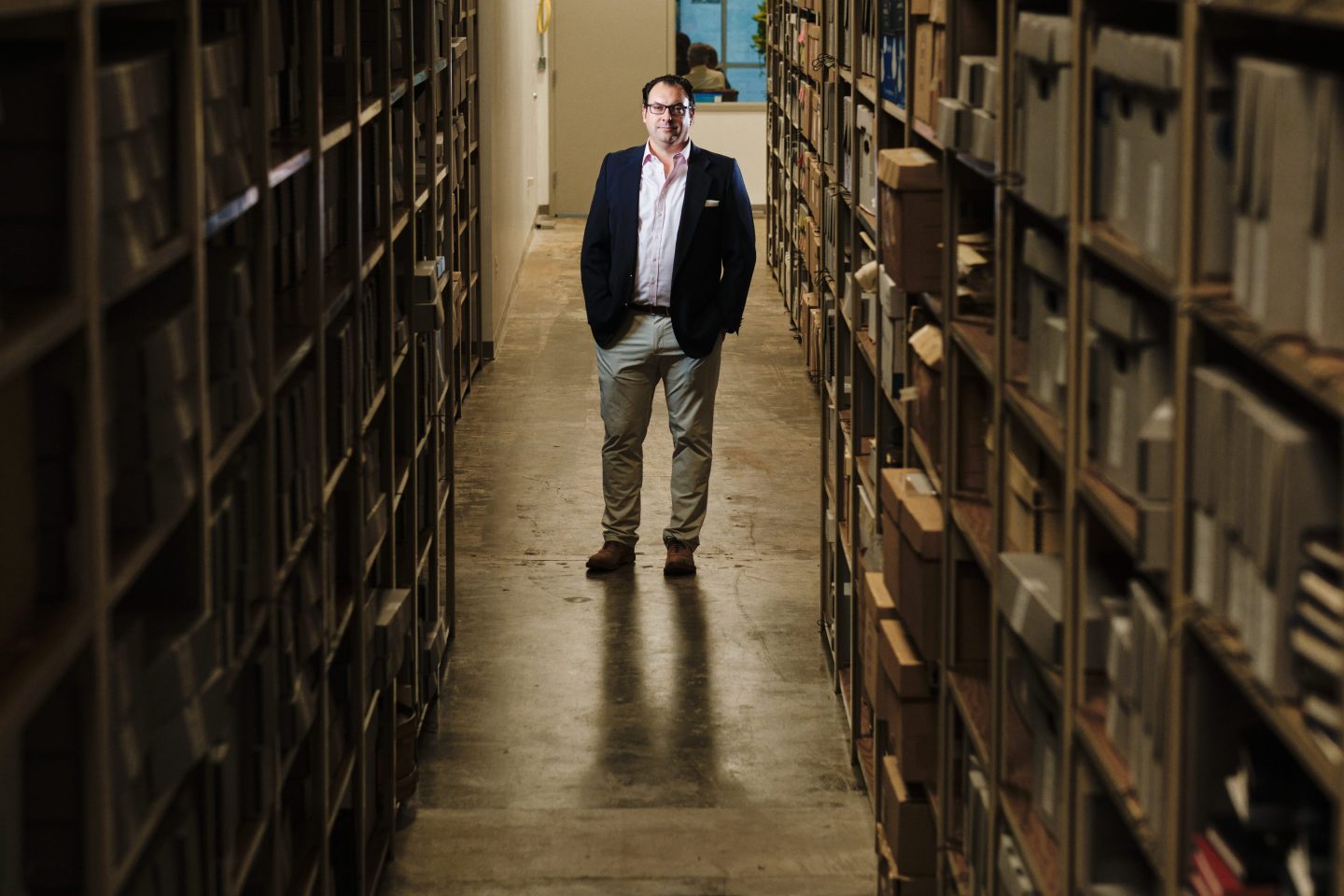
Carolyn Shapiro is an associate professor of law and co-director of the Institute on the Supreme Court of the United States at the Chicago-Kent College of Law at the Illinois Institute of Technology.

About the Author
By Carolyn Shapiro
See full bioRight Arrow Button Icon

Latest in Commentary

Finance
Lorem ipsum dolor sit amet, consectetur adipiscing elit, sed do eiusmod tempor incididunt ut labore et dolore magna aliqua. Ut enim ad minim veniam
By Fortune Editors
October 20, 2025
Finance
Lorem ipsum dolor sit amet, consectetur adipiscing elit, sed do eiusmod tempor incididunt ut labore et dolore magna aliqua. Ut enim ad minim veniam
By Fortune Editors
October 20, 2025
Finance
Lorem ipsum dolor sit amet, consectetur adipiscing elit, sed do eiusmod tempor incididunt ut labore et dolore magna aliqua. Ut enim ad minim veniam
By Fortune Editors
October 20, 2025
Finance
Lorem ipsum dolor sit amet, consectetur adipiscing elit, sed do eiusmod tempor incididunt ut labore et dolore magna aliqua. Ut enim ad minim veniam
By Fortune Editors
October 20, 2025
Finance
Lorem ipsum dolor sit amet, consectetur adipiscing elit, sed do eiusmod tempor incididunt ut labore et dolore magna aliqua. Ut enim ad minim veniam
By Fortune Editors
October 20, 2025
Finance
Lorem ipsum dolor sit amet, consectetur adipiscing elit, sed do eiusmod tempor incididunt ut labore et dolore magna aliqua. Ut enim ad minim veniam
By Fortune Editors
October 20, 2025

Most Popular

Finance
Lorem ipsum dolor sit amet, consectetur adipiscing elit, sed do eiusmod tempor incididunt ut labore et dolore magna aliqua. Ut enim ad minim veniam
By Fortune Editors
October 20, 2025
Finance
Lorem ipsum dolor sit amet, consectetur adipiscing elit, sed do eiusmod tempor incididunt ut labore et dolore magna aliqua. Ut enim ad minim veniam
By Fortune Editors
October 20, 2025
Finance
Lorem ipsum dolor sit amet, consectetur adipiscing elit, sed do eiusmod tempor incididunt ut labore et dolore magna aliqua. Ut enim ad minim veniam
By Fortune Editors
October 20, 2025
Finance
Lorem ipsum dolor sit amet, consectetur adipiscing elit, sed do eiusmod tempor incididunt ut labore et dolore magna aliqua. Ut enim ad minim veniam
By Fortune Editors
October 20, 2025
Finance
Lorem ipsum dolor sit amet, consectetur adipiscing elit, sed do eiusmod tempor incididunt ut labore et dolore magna aliqua. Ut enim ad minim veniam
By Fortune Editors
October 20, 2025
Finance
Lorem ipsum dolor sit amet, consectetur adipiscing elit, sed do eiusmod tempor incididunt ut labore et dolore magna aliqua. Ut enim ad minim veniam
By Fortune Editors
October 20, 2025
Fortune Secondary Logo
Rankings
  • 100 Best Companies
  • Fortune 500
  • Global 500
  • Fortune 500 Europe
  • Most Powerful Women
  • Future 50
  • World’s Most Admired Companies
  • See All Rankings
Sections
  • Finance
  • Fortune Crypto
  • Features
  • Leadership
  • Health
  • Commentary
  • Success
  • Retail
  • Mpw
  • Tech
  • Lifestyle
  • CEO Initiative
  • Asia
  • Politics
  • Conferences
  • Europe
  • Newsletters
  • Personal Finance
  • Environment
  • Magazine
  • Education
Customer Support
  • Frequently Asked Questions
  • Customer Service Portal
  • Privacy Policy
  • Terms Of Use
  • Single Issues For Purchase
  • International Print
Commercial Services
  • Advertising
  • Fortune Brand Studio
  • Fortune Analytics
  • Fortune Conferences
  • Business Development
  • Group Subscriptions
About Us
  • About Us
  • Editorial Calendar
  • Press Center
  • Work At Fortune
  • Diversity And Inclusion
  • Terms And Conditions
  • Site Map
Fortune Secondary Logo
  • About Us
  • Editorial Calendar
  • Press Center
  • Work At Fortune
  • Diversity And Inclusion
  • Terms And Conditions
  • Site Map
  • Facebook icon
  • Twitter icon
  • LinkedIn icon
  • Instagram icon
  • Pinterest icon

Latest in Commentary

dario
CommentaryAnthropic
Anthropic just sued the Pentagon. The outcome could reshape the AI race with China
By Mark MinevichMarch 12, 2026
17 hours ago
ruba
CommentaryAmazon Web Services
Most AI investments fail—here’s what the winners get right 
By Ruba BornoMarch 12, 2026
18 hours ago
frontline
CommentaryCulture
To unlock employee effort, don’t overlook the person holding the wrench 
By Stacey Zolt HaraMarch 12, 2026
20 hours ago
sonnenfeldt
CommentaryEntrepreneurship
I exited one of the NYC area’s biggest real estate deals at 31. Here’s what I learned
By Michael SonnenfeldtMarch 12, 2026
20 hours ago
fleet
CommentaryMiddle East
The shadow fleet and illegal oil are still moving through the Strait of Hormuz
By Charles Edward GehrkeMarch 11, 2026
1 day ago
trump
CommentaryMilitary
There’s one particular way the Iran War is different from all the others in American history
By Charles Walldorf and The ConversationMarch 11, 2026
2 days ago

Most Popular

placeholder alt text
Economy
'This cannot be sustainable': The U.S. borrowed $50 billion a week for the past five months, the CBO says
By Eleanor PringleMarch 10, 2026
3 days ago
placeholder alt text
AI
'Proceed with caution': Elon Musk offers warning after Amazon reportedly had mandatory meeting to address 'high blast radius' and AI-related incidents
By Sasha RogelbergMarch 11, 2026
1 day ago
placeholder alt text
Future of Work
'I don't know if we're ready': Governors from each party appalled at 100-year-old federal workforce strategy
By Catherina GioinoMarch 12, 2026
16 hours ago
placeholder alt text
Success
BlackRock is splashing $100 million on training plumbers, electricians, and HVAC technicians as its CEO flags a skilled trade worker shortage
By Preston ForeMarch 11, 2026
2 days ago
placeholder alt text
North America
The U.S. Mint dropped the olive branch from the dime. What does that mean for the country?
By Catherina GioinoMarch 12, 2026
7 hours ago
placeholder alt text
Asia
Asia rolls out four-day weeks and work-from-home as emergency measures to solve a fuel crisis caused by Iran war
By Angelica AngMarch 11, 2026
1 day ago

© 2026 Fortune Media IP Limited. All Rights Reserved. Use of this site constitutes acceptance of our Terms of Use and Privacy Policy | CA Notice at Collection and Privacy Notice | Do Not Sell/Share My Personal Information
FORTUNE is a trademark of Fortune Media IP Limited, registered in the U.S. and other countries. FORTUNE may receive compensation for some links to products and services on this website. Offers may be subject to change without notice.