In Seattle, Amazon is experimenting with a grocery store where customers can stroll in, take what they like, and leave without even pausing at a cash register. Store cameras survey the customers’ purchases and charge their accounts as they exit. Amazon’s cashless grocery story signals a broader trend in which cash, which has been around for centuries, is on its way out.
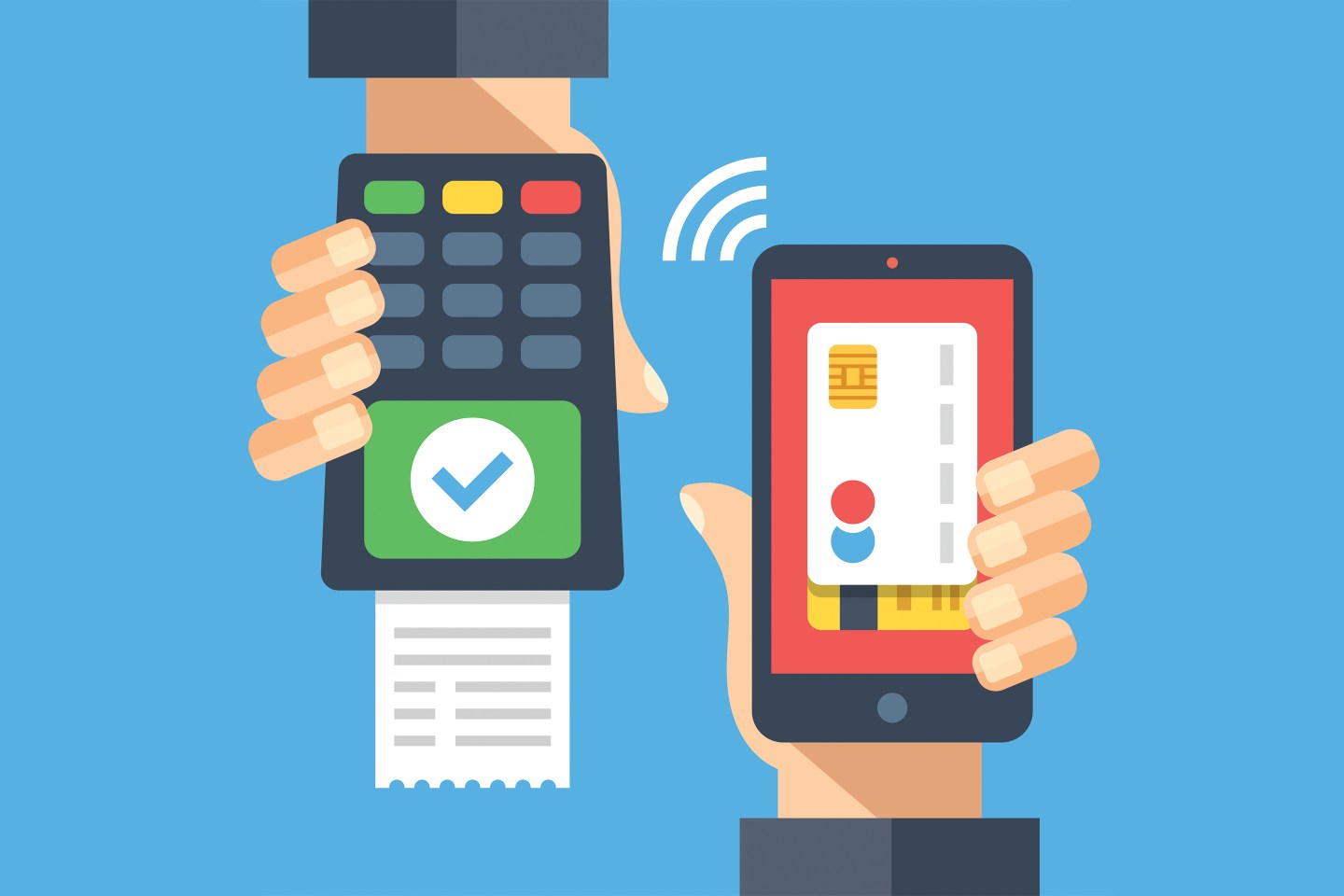
From Kenya to London to Shanghai, the ability to make “contactless payments” with credit cards, phones and watches is hastening the long-predicted death of coins and paper bills. A world without cash offers a number of benefits – for one, governments and taxpayers can avoid the costs to produce coins and bills. It also makes it easier to collect taxes if individuals and businesses cannot avoid reporting cash income or secretly fund an offshore bank account. With money as invisible as electricity, we’ll enjoy unparalleled convenience, able to satisfy our everywhich need and craving simply by reaching out to grab something off the shelf.
It’s easy to see how all this convenience might work against us and how we might get ahead of our personal resources just by walking down the street. Our experience with credit cards has already taught us how a lack of purchasing friction encourages us to spend more. In well-documented experiments, people treat credit cards like “Monopoly money” and are willing to pay much higher prices on credit than with cash. We feel more of a sense of loss handing over physical currencies. We’re also wired to weigh the present more heavily than the future, making it easier to saddle our future selves with today’s expenses, especially when the money is invisible.
In a world without cash, we won’t even have the friction of pulling out a credit card to stand between us and purchases. Fingerprints and biometric-chip implants will make it even easier to pay than with smart devices. How, in this world, will we ensure that we’re living within our means and allocating money to things that really matter to us?
The same way as ever: by examining and reflecting on our “cash” flows; the in’s and out’s of personal income and spending. Sounds fun, right?
The words “cash flow” conjure negative associations for many people – associations like “budget,” “penny pinching” and “belt tightening” that suggest an exercise in self-deprivation. For others, “cash flow analysis” sounds like a mechanistic drill that only a profit-seeking business should do, not someone seeking to lead a meaningful life.
Done well, however, a cash-flow examination is a thoughtful reflection on how we’re spending our lives, not just our money. Although it gathers the details of our income and expenses, it functions less as a ledger and more as a map that reveals the topography of our financial choices large and small. The map integrates time and money, since we look at what we spent yesterday to make decisions today that will govern our livestomorrow.
In theory, a world without cash will make it even easier to monitor our cash flows, since digital bytes are a lot easier to track than coins and bills. We already have tools like Quicken and Mint to aggregate data feeds from credit cards, bank accounts and loan providers and help slice the data any way we like with colorful reports.
In practice, data requires management. There are expenses to categorize, links to restore, and other glitches to address. Though small, these chores are often just enough to shut down the data-gathering process.
Once gathered, data must be interpreted. Often, after we’ve presented a graphical overview of clients’ income and spending, they ask, “So is this good or bad?” I.e., what do the numbers mean?
It depends on a variety of client-specific factors. How much do the clients need to save and invest before retirement to meet their goals? What kinds of changes might be in the works with things like jobs, schooling, and health that will affect cash flow going forward?
We can provide insights about a lot of the factors, but the numbers always pose questions that only the clients can answer. Do their spending choices today align with what they believe is important? Are these the choices they want to continue to make going forward?
Two people looking at the same numbers can see dramatically different pictures. One believes time is short and is glad to prioritize travel over savings. The other, having watched a parent squander their resources, sees a reckless disregard for future security.
Reconciling these views, negotiating different priorities – whether with one’s future self or with a life partner – involves potential conflict and provokes powerful emotions, as I learned myself when starting our advisory firm many years ago.
Having patted myself on the back for hiring a business coach to help with the planning, I felt like yelling at him a couple of weeks later. He’d asked for a projection of the first year’s expenses, and when we reviewed it the next week, he asked, “What percent do you think you captured?”
It was a straightforward question, but what I heard was, “What makes you think these numbers are possibly accurate, and do you really think you can succeed?”
I must have shot him a look, because he spoke quietly, as if to a skittish horse. Most people missed at least 20% of expenses on the first draft, he said. Getting the details right helped be proactive with strategic planning. His tone and his words made it clear he was trying to help, not criticize me.
Cash flow strikes at the core of our feelings about scarcity and getting what we desire. Most of us have competing needs for our resources, so anxious questions arise when looking at the numbers: Can I have what I want? Will I have to change what I’m doing to get it? What if I can’t have what I want no matter how much I’m willing to change?
These emotional “costs” are often the biggest barrier to examining personal cash flow. It’s understandable that people want to avoid them.
But the costs of not looking are almost always higher. Without an understanding of the details, people spend even more time worrying about money. They miss opportunities with windfalls from bonuses or stock options. They allow small leakages to persist from unused gym memberships or unnecessary consumer debt. Or they deny themselves opportunities, despite having ample resources for them, out of a desire to “be safe.”
The biggest cost of failing to take a periodic look at income and expenses is that we leave ourselves vulnerable to unseen influences. For decades, marketers have studied us, using our purchase data, biographical details, and evolving technologies such as hidden video cameras, recorders, and heat maps. They know where to place products on the shelf for maximum suggestibility, how fast or slow to play the music, and how to time the placement of an advertisement that will shape our buying habits for years to come.
The question is, do we really want the retailers to know more about us than we know about ourselves, especially in the frictionless world without cash that is upon us?
Looking at personal cash flow provides a means to collaborate in the financial decisions that we make every day. It’s a way of exerting agency in the world and control over an area of personal finance where we have some influence. A reminder of what we value, it enables us to be a full participant, not merely a bystander in our own lives.
Milo M. Benningfield is CEO of Benningfield Financial Advisors, LLC.