• Home
  • Latest
  • Fortune 500
  • Finance
  • Tech
  • Leadership
  • Lifestyle
  • Rankings
  • Multimedia
TechPrivacy

Congress Voted to Roll Back Internet Privacy Rules. Now People Are Looking to VPNs

By
Reuters
Reuters
Down Arrow Button Icon
By
Reuters
Reuters
Down Arrow Button Icon
March 28, 2017, 11:49 PM ET
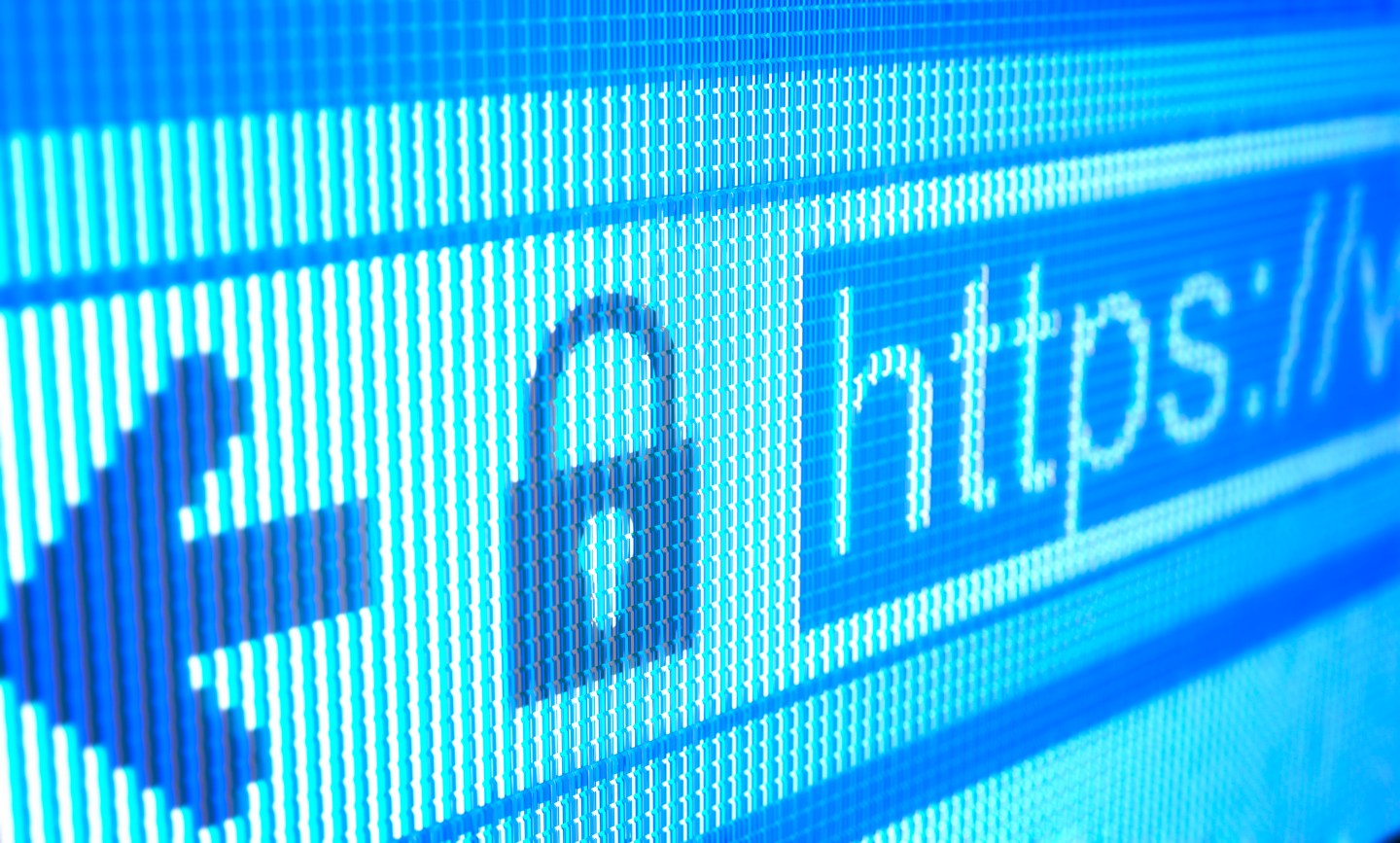
Secure website
Secure website.KTSDESIGN—Science Photo Library RF/Getty Images

The vote by the U.S. Congress to repeal rules that limit how internet service providers can use customer data has generated renewed interest in an old internet technology: virtual private networks, or VPNs.

VPNs cloak a customer’s web-surfing history by making an encrypted connection to a private server, which then searches the Web on the customer’s behalf without revealing the destination addresses. VPNs are often used to connect to a secure business network, or in countries such as China and Turkey to bypass government restrictions on Web surfing.

Privacy-conscious techies are now talking of using VPNs as a matter of course to guard against broadband providers collecting data about which internet sites and services they are using.

“Time to start using a VPN at home,” Vijaya Gadde‏, general counsel of Twitter, said in a tweet on Tuesday that was retweeted by Twitter Chief Executive Jack Dorsey.

Time to start using a VPN at home. https://t.co/yLFybkI1en

— Vijaya Gadde (@vijaya) March 28, 2017

Gadde was not immediately available for comment. Twitter said she was commenting in her personal capacity and not on behalf of the company.

The Republican-led U.S. House of Representatives voted 215-205 on Tuesday to repeal rules adopted last year by the Federal Communications Commission under then-President Barack Obama to require broadband providers to obtain consumer consent before using their data for advertising or marketing.

The U.S. Senate, also controlled by Republicans, voted 50-48 last week to reverse the rules. The White House said President Donald Trump supported the repeal measure.

Supporters of the repeal said the FCC unfairly required internet service providers like AT&T, Comcast and Verizon to do more to protect customers’ privacy than websites like Alphabet‘s Google or Facebook.

Critics said the repeal would weaken consumers’ privacy protections.

VPN Advantages, Drawbacks

Protected data includes a customer’s web-browsing history, which in turn can be used to discover other types of information, including health and financial data.

Some smaller broadband providers are now seizing on privacy as a competitive advantage. Sonic, a California-based broadband provider, offers a free VPN service to its customers so they can connect to its network when they are not home. That ensures that when Sonic users log on to wi-fi at a coffee shop or hotel, for example, their data is not collected by that establishment’s broadband provider.

“We see VPN as being important for our customers when they’re not on our network. They can take it with them on the road,” CEO Dane Jasper said.

In many areas of the country, there is no option to choose an independent broadband provider and consumers will have to pay for a VPN service to shield their browsing habits.

For more on tech, watch Fortune’s video:

Private Internet Access, a VPN provider, took a visible stand against the repeal measure when it bought a full-page ad in the New York Times on Sunday. But the company, which boasts about a million subscribers, potentially stands to benefit from the legislation, acknowledged marketing director Caleb Chen.

VPNs have drawbacks. They funnel all user traffic through one point, so they are an attractive target for hackers and spies. The biggest obstacle to their routine use as a privacy safeguard is that they can be too much of a hassle to set up for many customers. They also cost money.

“The further along toward being a computer scientist you have to be to use a VPN, the smaller a portion of the population we’re talking about that can use it,” said Ernesto Falcon, a legislative counsel for the Electronic Frontier Foundation, which opposed the bill.


About the Author
By Reuters
See full bioRight Arrow Button Icon

Latest in Tech

InvestingStock
There have been head fakes before, but this time may be different as the latest stock rotation out of AI is just getting started, analysts say
By Jason MaDecember 13, 2025
4 hours ago
Politicsdavid sacks
Can there be competency without conflict in Washington?
By Alyson ShontellDecember 13, 2025
4 hours ago
InnovationRobots
Even in Silicon Valley, skepticism looms over robots, while ‘China has certainly a lot more momentum on humanoids’
By Matt O'Brien and The Associated PressDecember 13, 2025
6 hours ago
Sarandos
Arts & EntertainmentM&A
It’s a sequel, it’s a remake, it’s a reboot: Lawyers grow wistful for old corporate rumbles as Paramount, Netflix fight for Warner
By Nick LichtenbergDecember 13, 2025
10 hours ago
Oracle chairman of the board and chief technology officer Larry Ellison delivers a keynote address during the 2019 Oracle OpenWorld on September 16, 2019 in San Francisco, California.
AIOracle
Oracle’s collapsing stock shows the AI boom is running into two hard limits: physics and debt markets
By Eva RoytburgDecember 13, 2025
11 hours ago
robots
InnovationRobots
‘The question is really just how long it will take’: Over 2,000 gather at Humanoids Summit to meet the robots who may take their jobs someday
By Matt O'Brien and The Associated PressDecember 12, 2025
1 day ago

Most Popular

placeholder alt text
Economy
Tariffs are taxes and they were used to finance the federal government until the 1913 income tax. A top economist breaks it down
By Kent JonesDecember 12, 2025
1 day ago
placeholder alt text
Success
Apple cofounder Ronald Wayne sold his 10% stake for $800 in 1976—today it’d be worth up to $400 billion
By Preston ForeDecember 12, 2025
1 day ago
placeholder alt text
Success
40% of Stanford undergrads receive disability accommodations—but it’s become a college-wide phenomenon as Gen Z try to succeed in the current climate
By Preston ForeDecember 12, 2025
1 day ago
placeholder alt text
Economy
The Fed just ‘Trump-proofed’ itself with a unanimous move to preempt a potential leadership shake-up
By Jason MaDecember 12, 2025
24 hours ago
placeholder alt text
Economy
For the first time since Trump’s tariff rollout, import tax revenue has fallen, threatening his lofty plans to slash the $38 trillion national debt
By Sasha RogelbergDecember 12, 2025
1 day ago
placeholder alt text
Success
Apple CEO Tim Cook out-earns the average American’s salary in just 7 hours—to put that into context, he could buy a new $439,000 home in just 2 days
By Emma BurleighDecember 12, 2025
1 day ago
Rankings
  • 100 Best Companies
  • Fortune 500
  • Global 500
  • Fortune 500 Europe
  • Most Powerful Women
  • Future 50
  • World’s Most Admired Companies
  • See All Rankings
Sections
  • Finance
  • Leadership
  • Success
  • Tech
  • Asia
  • Europe
  • Environment
  • Fortune Crypto
  • Health
  • Retail
  • Lifestyle
  • Politics
  • Newsletters
  • Magazine
  • Features
  • Commentary
  • Mpw
  • CEO Initiative
  • Conferences
  • Personal Finance
  • Education
Customer Support
  • Frequently Asked Questions
  • Customer Service Portal
  • Privacy Policy
  • Terms Of Use
  • Single Issues For Purchase
  • International Print
Commercial Services
  • Advertising
  • Fortune Brand Studio
  • Fortune Analytics
  • Fortune Conferences
  • Business Development
About Us
  • About Us
  • Editorial Calendar
  • Press Center
  • Work At Fortune
  • Diversity And Inclusion
  • Terms And Conditions
  • Site Map

© 2025 Fortune Media IP Limited. All Rights Reserved. Use of this site constitutes acceptance of our Terms of Use and Privacy Policy | CA Notice at Collection and Privacy Notice | Do Not Sell/Share My Personal Information
FORTUNE is a trademark of Fortune Media IP Limited, registered in the U.S. and other countries. FORTUNE may receive compensation for some links to products and services on this website. Offers may be subject to change without notice.