• Home
  • Latest
  • Fortune 500
  • Finance
  • Tech
  • Leadership
  • Lifestyle
  • Rankings
  • Multimedia
CommentaryDonald Trump

How Executives Should Really Respond to Trump’s Controversial Moves

By
Jan W. Rivkin
Jan W. Rivkin
Down Arrow Button Icon
By
Jan W. Rivkin
Jan W. Rivkin
Down Arrow Button Icon
March 7, 2017, 1:30 PM ET

With the Trump Administration announcing a revised order to tighten immigration on Monday, top business leaders are again under the microscope. Once more, their employees and customers are watching closely to see if and how they respond to a controversial White House move.

Recently, I had the privilege to teach the leaders of more than 500 companies from 55 countries. Our classes focused on business strategy, but our casual conversations were dominated by the Trump Presidency.

Personally, the executives ranged from delighted to depressed by Trump’s plans. Looking forward, most expected a short-term boost in economic activity, fueled by the prospect of greater infrastructure spending, corporate tax reform, deregulation, and a reprieve from Washington gridlock. But long-term, many of the executives were deeply worried. Will President Trump throw out the baby of globalization along with the bathwater of imperfect trade agreements? What happens when trade wars disrupt global supply chains? How will voters react when imported goods are more expensive at Wal-Mart and when any manufacturing that returns from overseas is performed by automated equipment, not workers? How does business change in a world where decisions are based on “alternative facts,” where America closes its doors to talent, and where diplomacy is conducted via Twitter?

Perhaps most deeply, the executives puzzled over what their personal roles should be in this new age. What should they say, inside and outside their companies? What should they do? How should they balance their responsibilities to their companies, their communities, and their consciences? I don’t claim to have the answers, but let me suggest two paths of action.

First, speak up. Many executives hesitate to discuss politics publicly. Some feel it’s not their place. Others worry about offending customers, employees, or policymakers. None want to be the subject of the president’s next tweet, as Boeing, Rexnord, and General Motors have been. But judging from Cabinet picks like Rex Tillerson and Wilbur Ross, successful business leaders are among the people who most command President Trump’s respect and attention, so it’s important for executives to exercise their voice.

Moreover, especially when national values are at stake, silence itself sends a strong message. Any executive who shrugs off falsehoods and conspiracy theories—whether they come from fake news sources, the Administration, or the other party—is saying, “Truth is optional around here.” Anyone who quietly accepts the immigration order runs the risk of employees and customers thinking, “The boss must believe that’s all right.”

If you doubt that people can hear the silence, consider what happened when Uber tried to stay on the sidelines during the furor over the original immigration order. Drivers for the ride-hailing company served JFK airport even as taxi drivers staged a strike: hundreds of thousands of users deleted the Uber app, and CEO Travis Kalanick left the president’s business council under pressure from employees. Cofounders of rival Lyft, meanwhile, denounced the order, pledged $1 million to the ACLU, and saw a surge in downloads of the Lyft app.

When speaking up, of course, executives must be measured and thoughtful. When Grubhub CEO Matt Maloney wrote in a post-presidential election email that all employees should “absolutely reject the nationalist, anti-immigrant and hateful politics of Donald Trump” or resign, he went too far and rightly faced a backlash from customers and employees.

Speaking up is important, but it’s not enough. A second vital step is to treat the disease in addition to the symptom. It’s tempting for a business leader to focus on the question “How do I navigate the Trump years?” and never ask, “Why was Donald Trump elected in the first place?” Trump’s election, along with Bernie Sanders’ popularity, has been seen as a rousing wake-up call to politicians, but alarm bells should also be ringing in executive suites. For decades now, the U.S. economic system has not been working for many Americans, rural and urban, old and young, of every race and ethnicity. The benefits that companies and executives have reaped from technological change and globalization come with burdens on Americans whose education and workforce skills don’t allow them to participate in the gains. Prosperity has not been shared widely, and a democracy without shared prosperity is a very unstable system.

The lack of shared prosperity in America is largely a self-inflicted wound. Business leaders can do something about it, and in fact many are already taking action. The key is to work, usually alongside leaders in other sectors, to equip more Americans to win in the modern economy. In North Carolina, for example, Siemens has worked with Central Piedmont Community College to train the advanced manufacturing workers it would love to hire. In New York and beyond, IBM has partnered with educators for seven years to reinvent high school—to outfit public school students with technical training, college courses, associate degrees, and access to high-tech jobs. CEO-led business alliances in Columbus and Minneapolis-Saint Paul have worked with local governments, nonprofits, and foundations to shape the future in education, infrastructure, workforce skills, and economic mobility. These are just a few of the many examples my colleagues at Harvard Business School and I have observed and admired in cities and towns across red and blue America. They are acts of enlightened self-interest, not altruism.

Speaking up without treating the disease is a half-measure. Take, for instance, the many high-tech companies that renounced the original immigration order. What would happen if they also turned their vast innovative talents toward creating broad opportunity and shared prosperity in America? Might they find new ways to close achievement gaps in America’s schools, retrain workers displaced by globalization and technological change, or revitalize U.S. infrastructure?

Advocates for values and actors for shared prosperity—senior executives can be both. Doing so requires much more than business as usual, but these are not usual times. The alternative is for business leaders to stand by silently—probably prospering in the short run—as a remarkable political, economic, and social system is pulled under by the weight of its deep but addressable flaws.

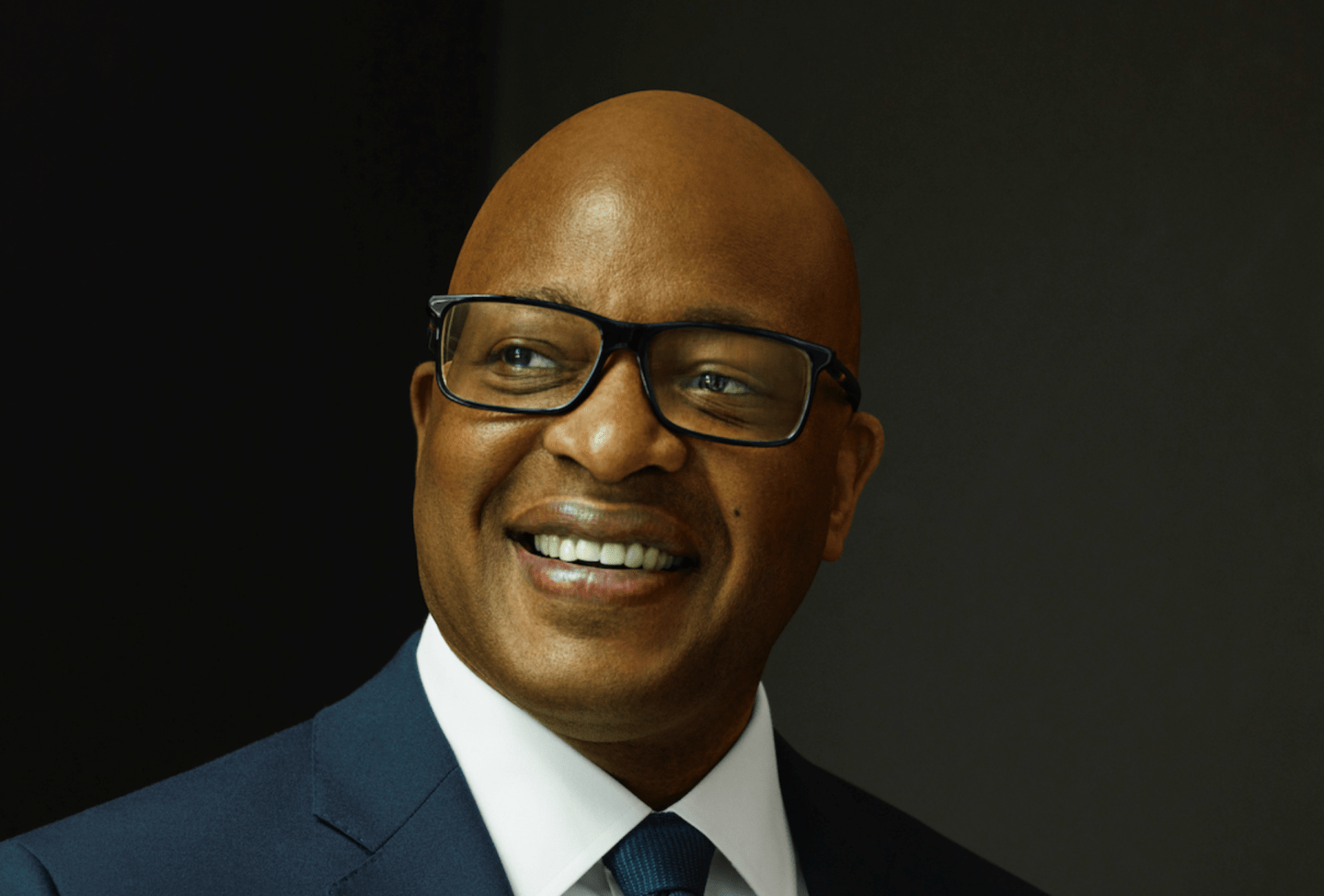
Jan W. Rivkin is a professor at Harvard Business School and co-chair of the school’s U.S. Competitiveness Project.

About the Author
By Jan W. Rivkin
See full bioRight Arrow Button Icon

Latest in Commentary

Finance
Lorem ipsum dolor sit amet, consectetur adipiscing elit, sed do eiusmod tempor incididunt ut labore et dolore magna aliqua. Ut enim ad minim veniam
By Fortune Editors
October 20, 2025
Finance
Lorem ipsum dolor sit amet, consectetur adipiscing elit, sed do eiusmod tempor incididunt ut labore et dolore magna aliqua. Ut enim ad minim veniam
By Fortune Editors
October 20, 2025
Finance
Lorem ipsum dolor sit amet, consectetur adipiscing elit, sed do eiusmod tempor incididunt ut labore et dolore magna aliqua. Ut enim ad minim veniam
By Fortune Editors
October 20, 2025
Finance
Lorem ipsum dolor sit amet, consectetur adipiscing elit, sed do eiusmod tempor incididunt ut labore et dolore magna aliqua. Ut enim ad minim veniam
By Fortune Editors
October 20, 2025
Finance
Lorem ipsum dolor sit amet, consectetur adipiscing elit, sed do eiusmod tempor incididunt ut labore et dolore magna aliqua. Ut enim ad minim veniam
By Fortune Editors
October 20, 2025
Finance
Lorem ipsum dolor sit amet, consectetur adipiscing elit, sed do eiusmod tempor incididunt ut labore et dolore magna aliqua. Ut enim ad minim veniam
By Fortune Editors
October 20, 2025

Most Popular

Finance
Lorem ipsum dolor sit amet, consectetur adipiscing elit, sed do eiusmod tempor incididunt ut labore et dolore magna aliqua. Ut enim ad minim veniam
By Fortune Editors
October 20, 2025
Finance
Lorem ipsum dolor sit amet, consectetur adipiscing elit, sed do eiusmod tempor incididunt ut labore et dolore magna aliqua. Ut enim ad minim veniam
By Fortune Editors
October 20, 2025
Finance
Lorem ipsum dolor sit amet, consectetur adipiscing elit, sed do eiusmod tempor incididunt ut labore et dolore magna aliqua. Ut enim ad minim veniam
By Fortune Editors
October 20, 2025
Finance
Lorem ipsum dolor sit amet, consectetur adipiscing elit, sed do eiusmod tempor incididunt ut labore et dolore magna aliqua. Ut enim ad minim veniam
By Fortune Editors
October 20, 2025
Finance
Lorem ipsum dolor sit amet, consectetur adipiscing elit, sed do eiusmod tempor incididunt ut labore et dolore magna aliqua. Ut enim ad minim veniam
By Fortune Editors
October 20, 2025
Finance
Lorem ipsum dolor sit amet, consectetur adipiscing elit, sed do eiusmod tempor incididunt ut labore et dolore magna aliqua. Ut enim ad minim veniam
By Fortune Editors
October 20, 2025
Fortune Secondary Logo
Rankings
  • 100 Best Companies
  • Fortune 500
  • Global 500
  • Fortune 500 Europe
  • Most Powerful Women
  • World's Most Admired Companies
  • See All Rankings
  • Lists Calendar
Sections
  • Finance
  • Fortune Crypto
  • Features
  • Leadership
  • Health
  • Commentary
  • Success
  • Retail
  • Mpw
  • Tech
  • Lifestyle
  • CEO Initiative
  • Asia
  • Politics
  • Conferences
  • Europe
  • Newsletters
  • Personal Finance
  • Environment
  • Magazine
  • Education
Customer Support
  • Frequently Asked Questions
  • Customer Service Portal
  • Privacy Policy
  • Terms Of Use
  • Single Issues For Purchase
  • International Print
Commercial Services
  • Advertising
  • Fortune Brand Studio
  • Fortune Analytics
  • Fortune Conferences
  • Business Development
  • Group Subscriptions
About Us
  • About Us
  • Lists Calendar
  • Press Center
  • Work At Fortune
  • Terms And Conditions
  • Site Map
  • About Us
  • Lists Calendar
  • Press Center
  • Work At Fortune
  • Terms And Conditions
  • Site Map
  • Facebook icon
  • Twitter icon
  • LinkedIn icon
  • Instagram icon
  • Pinterest icon

Latest in Commentary

frank
CommentaryVisa
Visa CMO: AI agents are your new customers — here’s how to sell to them
By Frank Cooper IIIApril 22, 2026
1 hour ago
shlomit
Commentarycyber
The Mythos meeting focused on the wrong AI risk to banks. Here’s the one nobody is talking about
By Shlomit WagmanApril 22, 2026
4 hours ago
one piece
CommentaryPersonal Finance
Gen Z is doing (almost) everything right with money—and still getting burned
By Beth KoblinerApril 22, 2026
9 hours ago
beard
CommentaryEducation
Yale asked the right question. Now the rest of higher education owes an answer
By Steve BeardApril 22, 2026
9 hours ago
trump
Commentarynational debt
America’s national debt is heading to 175% of GDP. Here’s why no president—including Trump—has the will to stop it
By Steve H. Hanke and David M. WalkerApril 22, 2026
10 hours ago
edelman
CommentaryHealth
70% of people believe at least one divisive health claim. Science needs a new playbook
By Richard EdelmanApril 22, 2026
11 hours ago

Most Popular

The tables have turned: Florida and Texas are the biggest losers in the housing market as Ohio emerges a surprise winner
Real Estate
The tables have turned: Florida and Texas are the biggest losers in the housing market as Ohio emerges a surprise winner
By Sydney LakeApril 21, 2026
1 day ago
'Something sinister could be happening': FBI looks into dead or missing nuclear and space defense scientists tied to NASA, Blue Origin, and SpaceX
Politics
'Something sinister could be happening': FBI looks into dead or missing nuclear and space defense scientists tied to NASA, Blue Origin, and SpaceX
By Catherina GioinoApril 21, 2026
1 day ago
‘Something sinister’: What we know about the FBI probe into dead and missing scientists linked to space and military industries
Economy
‘Something sinister’: What we know about the FBI probe into dead and missing scientists linked to space and military industries
By Jim EdwardsApril 22, 2026
10 hours ago
John Ternus, the man stepping into Tim Cook and Steve Jobs' shoes, is a 25-year Apple veteran with zero LinkedIn posts
C-Suite
John Ternus, the man stepping into Tim Cook and Steve Jobs' shoes, is a 25-year Apple veteran with zero LinkedIn posts
By Kelvin Chan and The Associated PressApril 21, 2026
1 day ago
$166 billion in tariff refunds just became available, but small businesses may already be at a disadvantage
Law
$166 billion in tariff refunds just became available, but small businesses may already be at a disadvantage
By Sasha RogelbergApril 20, 2026
2 days ago
Jeff Bezos once gave Eva Longoria and the admiral behind Osama bin Laden's capture $100 million—but she says you don't need wealth to give back
Success
Jeff Bezos once gave Eva Longoria and the admiral behind Osama bin Laden's capture $100 million—but she says you don't need wealth to give back
By Orianna Rosa RoyleApril 21, 2026
2 days ago

© 2026 Fortune Media IP Limited. All Rights Reserved. Use of this site constitutes acceptance of our Terms of Use and Privacy Policy | CA Notice at Collection and Privacy Notice | Do Not Sell/Share My Personal Information
FORTUNE is a trademark of Fortune Media IP Limited, registered in the U.S. and other countries. FORTUNE may receive compensation for some links to products and services on this website. Offers may be subject to change without notice.