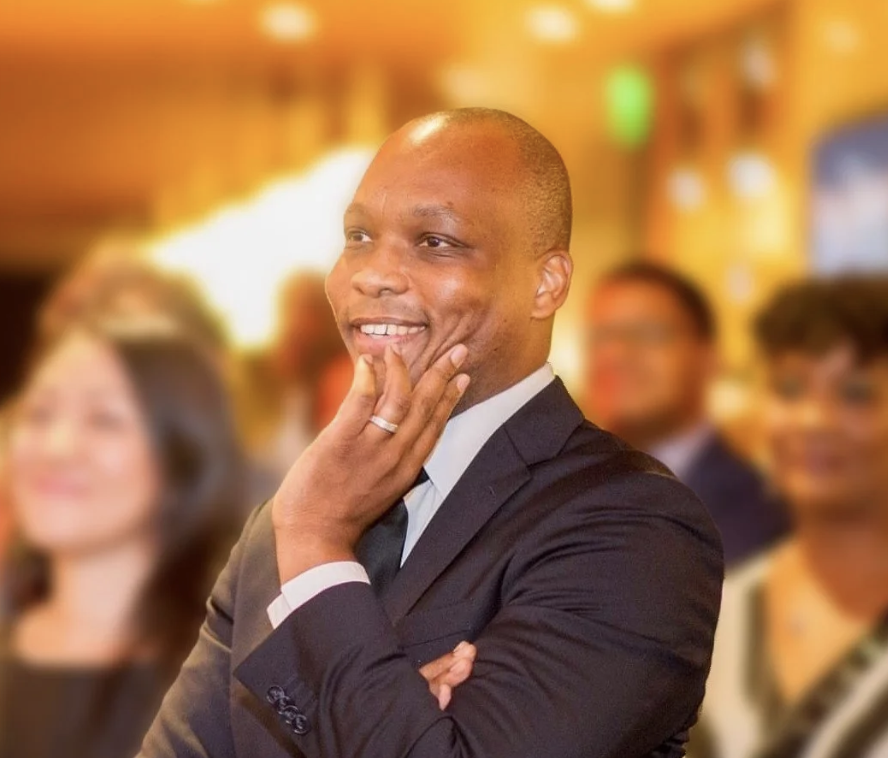
The Leadership Insiders network is an online community where the most thoughtful and influential people in business contribute answers to timely questions about careers and leadership. Today’s answer to the question, “How can you help millennials feel like they’re part of the company?” is written by Natalie Wadsworth, vice president of people at Sailthru.
Even the most seasoned professionals can struggle to find their footing in a new role. So perhaps it’s not surprising that millennials often find career transitions especially difficult. Employees who have had the time to identify their passion have the wind at their backs. They’re able to operate with a kind of confidence that younger staffers have yet to learn.
Luckily, there’s plenty you can do to help younger employees integrate more quickly into their teams. Importantly, none of them have to do with free candy or snacks (although we have those too). Instead, it’s about sharing information about the business, giving them real ownership of their work, and trusting them to make an impact. In short: treating them like adults.
Be radically transparent
I’m a big believer in giving employees the data that reflects a holistic picture of the business and its underlying mechanics. We go deep. We discuss margins, churn, cash management, sales pipeline, and conversion, for example. We have these conversations over and over again so people understand the meanings of different numbers and their context, and feel comfortable asking questions.
If you give people real information and data—and the freedom to think beyond their day-to-day function—they’re given the tools needed for greater empowerment and accountability. We’ve found that the byproducts of that empowerment are striking; we see greater employee participation and engagement, and begin to identify emerging leaders within teams.
Help them see the impact of their work
We share so much data in part because we want employees to see how their own work contributes to our progress. That’s why we ask everyone to tie their own personal goals to the corporate goals in a meaningful way using the OKR (objectives and key results) framework.
OKRs help make employee impact to business goals tangible. As an example, say you’re a marketing coordinator who assists with a number of projects on a marketing team. With OKRs, all of your projects are mapped from an individual contribution or deliverable to a departmental goal in marketing, with that departmental goal mapping back to an overarching corporate goal. This cascading goals system also incorporates regular status check-ins and final result reporting. At the end of the OKR time period, every individual has a clear understanding of their broader business impact.
Move top performers across roles
We try to be open-minded about the roles our young employees take on. If a high-performing individual wants to try a different function, we try to make that happen. We just moved an implementation engineer into full-stack engineering, for instance. We’ve also had people who were in customer success transfer onto our product team; they ended up being solid fits.
Because of our size and where we are as a business, we can be opportunistic. Being flexible in this way has yielded a lot of positive business results and enabled us to retain some great talent.
Help employees develop their skills
While some skills can be easily picked up on the job, others are best learned in a more formal setting with peers and higher-level management. We have a leadership development program for new managers, but also have learning and development sessions in which any employee can enroll. Employees who want to learn more about, say, feedback, effective one-on-ones, influencing others, or conflict management can just sign up.
The employees get more out of these classes than just skills. They spend two days with their colleagues in a highly interactive setting. The exercises may require them to roleplay, call out things they’re not good at, or tell stories. That helps build trust and nurture relationships within the millennial community. And beyond that, it shows that experiences and challenges across all layers of an organization—from entry-level to C-suite—are more shared than you might think.