• Home
  • News
  • Fortune 500
  • Tech
  • Finance
  • Leadership
  • Lifestyle
  • Rankings
  • Multimedia
TechCyanogen

The Company That Was Supposed to Be a Google-Killer Has Called It Quits

By
David Z. Morris
David Z. Morris
Down Arrow Button Icon
By
David Z. Morris
David Z. Morris
Down Arrow Button Icon
December 26, 2016, 1:32 PM ET
Cyanogen, Inc.

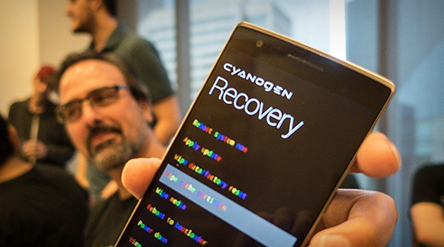
Cyanogen Inc., which produced a version of the Android mobile operating system that competed with Google’s, has announced it will cease services and updates for the software it claimed was installed on more than 50 million devices. The brief statement Friday described the move as part of an ongoing consolidation at Cyanogen that has also included shuttering an office, reducing staff, and shifting to a more modular approach to modifying Android.

On Christmas Eve, leaders of the CyanogenMod open-source OS, which Cyanogen Inc. was created to commercialize, announced that the shutdown of infrastructure was a “deathblow” for the open-source project, in part because Cyanogen, Inc. owns the brand. The CyanogenMod.org website has since been shut down, apparently not by choice.

UPDATE: As of this morning we have lost DNS and Gerrit is now offline – with little doubt as a reaction to our blog post yesterday. Goodbye

— CyanogenMod (@CyanogenMod) December 25, 2016

Meanwhile, a new project dubbed Lineage OS has been announced as the continuation of CyanogenMod.

The announcements mark, if not exactly an end, then at least a major retrenchment for an ambitious plan to provide a viable alternative to Google and Apple’s dominant mobile ecosystems. Cyanogen Inc.’s co-founder and former CEO, Kirt McMaster, said in 2015 that the company would “take Android away from Google,” and some major players had stakes in that goal. Investors in Cyanogen included Andreessen Horowitz, Tencent, and Microsoft, and the company had been valued at nearly $1 billion.

Get Data Sheet, Fortune’s technology newsletter.

Microsoft in particular had a strategic interest in the development of an alternative to Google’s version of Android, after failing to make headway with its own Windows mobile systems. Google offers Android for free to device manufacturers, but has required manufacturers to pre-install a suite of its services, and even dictated their placement on phone menus. That puts alternatives such as Microsoft’s Bing search engine at a major disadvantage. Cyanogen’s OS made it easier to offer phones that didn’t have Google services baked in.

Steve Kondik, who began Cyanogen as an open source project long before Cyanogen Inc. existed, has blamed McMaster for the company’s failure to reach its goal. In a November statement accompanying his own departure, Kondik faulted McMaster for “bad business deals” and intense internal strife that culminated in the company essentially halting work on the Cyanogen OS months before the official shutdown announcement.

McMaster, who stepped down as CEO in October, had generated headlines with over-the-top public statements, including the claim that his company was “putting a bullet through Google’s head.”

For more on Android watch our video.

The “bad business deals” referenced by Kondik likely include those that ended Cyanogen’s relationship with Chinese phone maker OnePlus. The OnePlus One was a widely praised flagship device that shipped with the Cyanogen OS. But OnePlus has since shifted to its own custom version of Android, a split possibly triggered by Cyanogen inking a conflicting deal with India’s Micromax.

As Michael Simon details at PCWorld, the end of Cyanogen is a victory for Google, which now has more control than ever over Android, and can continue using the OS to drive users to its services.

About the Author
By David Z. Morris
See full bioRight Arrow Button Icon

Latest in Tech

Facebook CEO Mark Zuckerberg adjusts an avatar of himself during a company event in New York City on Thursday, Oct. 28, 2021. (Photo: Michael Nagle/Bloomberg/Getty Images)
NewslettersFortune Tech
Meta may unwind metaverse initiatives with layoffs
By Andrew NuscaDecember 5, 2025
6 minutes ago
C-SuiteFortune 500 CEO Interview
Bristol Myers Squibb CEO Chris Boerner says company culture was the missing piece of his ‘patent cliff’ plan
By Diane BradyDecember 5, 2025
1 hour ago
Co-founder and chief executive officer of Nvidia Corp., Jensen Huang attends the 9th edition of the VivaTech trade show at the Parc des Expositions de la Porte de Versailles on June 11, 2025, in Paris.
C-SuiteNvidia
Before running the world’s most valuable company, Jensen Huang was a 9-year-old janitor in Kentucky
By Eva RoytburgDecember 5, 2025
1 hour ago
Future of WorkBrainstorm Design
The workplace needs to be designed like an ‘experience,’ says Gensler’s Ray Yuen, as employees resist the return to office
By Angelica AngDecember 5, 2025
3 hours ago
Four years ago, BKV started buying up the two Temple power plants in Texas—located between Austin and Dallas—which now total 1.5 gigawatts of electricity generation capacity—enough to power more than 1.1 million homes, or a major data center campus. There is room to expand.
Energypower
How a Texas gas producer plans to exploit the ‘mega trend’ of power plants for AI hyperscalers
By Jordan BlumDecember 5, 2025
3 hours ago
Big TechSpotify
Spotify users lamented Wrapped in 2024. This year, the company brought back an old favorite and made it less about AI
By Dave Lozo and Morning BrewDecember 4, 2025
14 hours ago

Most Popular

placeholder alt text
Economy
Two months into the new fiscal year and the U.S. government is already spending more than $10 billion a week servicing national debt
By Eleanor PringleDecember 4, 2025
23 hours ago
placeholder alt text
Success
‘Godfather of AI’ says Bill Gates and Elon Musk are right about the future of work—but he predicts mass unemployment is on its way
By Preston ForeDecember 4, 2025
19 hours ago
placeholder alt text
Success
Nvidia CEO Jensen Huang admits he works 7 days a week, including holidays, in a constant 'state of anxiety' out of fear of going bankrupt
By Jessica CoacciDecember 4, 2025
18 hours ago
placeholder alt text
Success
Nearly 4 million new manufacturing jobs are coming to America as boomers retire—but it's the one trade job Gen Z doesn't want
By Emma BurleighDecember 4, 2025
19 hours ago
placeholder alt text
North America
Jeff Bezos and Lauren Sánchez Bezos commit $102.5 million to organizations combating homelessness across the U.S.: ‘This is just the beginning’
By Sydney LakeDecember 2, 2025
3 days ago
placeholder alt text
Health
Bill Gates decries ‘significant reversal in child deaths’ as nearly 5 million kids will die before they turn 5 this year
By Nick LichtenbergDecember 4, 2025
1 day ago
Rankings
  • 100 Best Companies
  • Fortune 500
  • Global 500
  • Fortune 500 Europe
  • Most Powerful Women
  • Future 50
  • World’s Most Admired Companies
  • See All Rankings
Sections
  • Finance
  • Leadership
  • Success
  • Tech
  • Asia
  • Europe
  • Environment
  • Fortune Crypto
  • Health
  • Retail
  • Lifestyle
  • Politics
  • Newsletters
  • Magazine
  • Features
  • Commentary
  • Mpw
  • CEO Initiative
  • Conferences
  • Personal Finance
  • Education
Customer Support
  • Frequently Asked Questions
  • Customer Service Portal
  • Privacy Policy
  • Terms Of Use
  • Single Issues For Purchase
  • International Print
Commercial Services
  • Advertising
  • Fortune Brand Studio
  • Fortune Analytics
  • Fortune Conferences
  • Business Development
About Us
  • About Us
  • Editorial Calendar
  • Press Center
  • Work At Fortune
  • Diversity And Inclusion
  • Terms And Conditions
  • Site Map

© 2025 Fortune Media IP Limited. All Rights Reserved. Use of this site constitutes acceptance of our Terms of Use and Privacy Policy | CA Notice at Collection and Privacy Notice | Do Not Sell/Share My Personal Information
FORTUNE is a trademark of Fortune Media IP Limited, registered in the U.S. and other countries. FORTUNE may receive compensation for some links to products and services on this website. Offers may be subject to change without notice.