• Home
  • Latest
  • Fortune 500
  • Finance
  • Tech
  • Leadership
  • Lifestyle
  • Rankings
  • Multimedia
FinanceEconomy

It Only Seems Like the Economy Is a Disaster

By
Chris Matthews
Chris Matthews
Down Arrow Button Icon
By
Chris Matthews
Chris Matthews
Down Arrow Button Icon
August 24, 2016, 1:00 PM ET
Neu Stock Images — Getty Images

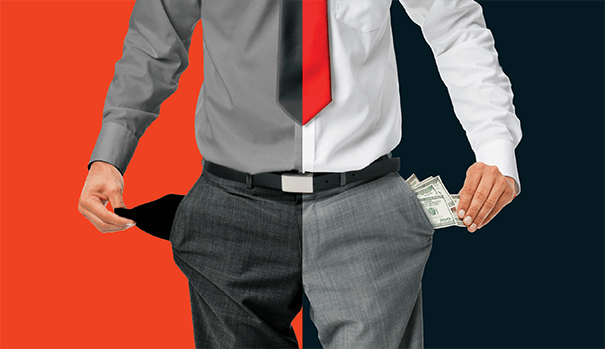
In the September 1st issue of Fortune, a version of this article ran alongside “The Real Reasons Americans Think the Economy Is So Bad,” about why most Americans still think the economy is a disaster.

Economics is called the dismal science, but of late its practitioners have shown themselves to be most optimistic figures in the debate over the state of the union.

Politicians, voters, and yes, journalists, have all recently fretted that this placid moment in the American economy won’t last, and that the third-longest period between recessions in post-war history, will soon give way to another crisis. But it was America’s highest-ranking economist, Janet Yellen, who assured us that “expansions don’t die of old age,” and that there’s no reason to expect a downturn, as long as we can avoid policy mistakes or another shock.

Economists like to back their arguments up with data, and the case for optimism about American growth has a lot of it on its side. Take for, instance, the recent period of low interest rates. The bear case is that money is so cheap because private actors see few opportunities for investment other than government debt. But looked at another way, it proves the confidence investors have in the American government’s ability to pay them back. And those low rates have set the stage for the kind of aggressive infrastructure spending that Larry Summers and other thinkers say could fuel decades of growth and solve the American underemployment problem.

For more on the economy, watch this Fortune video:

And what about that job market? We hear all the time that wage growth is stagnant even as a sub-5% unemployment rate and average monthly job growth of 186,000 suggests that labor markets are getting tighter every day. But pay has actually risen steadily since 2002 when you control for other demographic trends (lower-paid younger workers replacing higher-paid older ones). According to a recent study from the Federal Reserve Bank of San Francisco, by this measure, on average workers saw their pay rise 3.1% in 2015—historically not gangbusters growth, but picking up much faster than the gloomy headlines suggest.

Wages aren’t the only thing on the rise. The S&P 500 touched a new high this August, while many housing markets across the country are doing the same. According to real estate data firm CoreLogic, the real estate markets 40% of U.S. metro areas have reached new peaks, with another 30% are within 10% of their highs during the bubble years. That means that many Americans that own their own homes are far richer today than eight years ago.

economy chart
Click to enlarge.

Still, these gains have been slow to filter their way through the broader economy. According to Vincent Reinhart, Chief Economist at Standish Mellon, “Nobody feels good in an economy trapped beneath 2% growth.” And this has made consumers reluctant to spend the wealth gains they’ve seen since the end of the recession. This is evidenced by retail sales growing under 2% for the past year, helping to put an artificial damper on overall growth.

Perhaps the most important misconception, however, may be that blue-collar labor is headed for extinction as robots destroy more human jobs. While in recent years a tech boom may have made ordering pizza much easier, it hasn’t actually stimulated an attendant productivity boom. The latest reading, in fact, showed that worker productivity fell 0.4% in the second quarter year over year, meaning that the economy is actually producing less per worker today. That’s not a great omen for growth, but it’s a sign that the economy will still have jobs (and paychecks) for humans for a while.

Read more: “The Real Reasons Americans Think the Economy Is So Bad”

A version of this article appears in the September 1, 2016 issue of Fortune with the headline “How We Feel About the Economy… How It’s Actually Doing.”

About the Author
By Chris Matthews
See full bioRight Arrow Button Icon

Latest in Finance

InvestingSports
Big 12 in advanced talks for deal with RedBird-backed fund
By Giles Turner and BloombergDecember 13, 2025
10 hours ago
Spanish Prime Minister Pedro Sánchez often praises the financial and social benefits that immigrants bring to the country.
EuropeSpain
In a continent cracking down on immigration and berated by Trump’s warnings of ‘civilizational erasure,’ Spain embraces migrants
By Suman Naishadham and The Associated PressDecember 13, 2025
12 hours ago
EconomyAgriculture
More financially distressed farmers are expected to lose their property soon as loan repayments and incomes continue to falter
By Jason MaDecember 13, 2025
13 hours ago
InvestingStock
There have been head fakes before, but this time may be different as the latest stock rotation out of AI is just getting started, analysts say
By Jason MaDecember 13, 2025
16 hours ago
Politicsdavid sacks
Can there be competency without conflict in Washington?
By Alyson ShontellDecember 13, 2025
16 hours ago
Investingspace
SpaceX sets $800 billion valuation, confirms 2026 IPO plans
By Loren Grush, Edward Ludlow and BloombergDecember 13, 2025
17 hours ago

Most Popular

placeholder alt text
Success
Apple cofounder Ronald Wayne sold his 10% stake for $800 in 1976—today it’d be worth up to $400 billion
By Preston ForeDecember 12, 2025
2 days ago
placeholder alt text
Economy
Tariffs are taxes and they were used to finance the federal government until the 1913 income tax. A top economist breaks it down
By Kent JonesDecember 12, 2025
2 days ago
placeholder alt text
Success
40% of Stanford undergrads receive disability accommodations—but it’s become a college-wide phenomenon as Gen Z try to succeed in the current climate
By Preston ForeDecember 12, 2025
2 days ago
placeholder alt text
Economy
The Fed just ‘Trump-proofed’ itself with a unanimous move to preempt a potential leadership shake-up
By Jason MaDecember 12, 2025
1 day ago
placeholder alt text
Success
Apple CEO Tim Cook out-earns the average American’s salary in just 7 hours—to put that into context, he could buy a new $439,000 home in just 2 days
By Emma BurleighDecember 12, 2025
2 days ago
placeholder alt text
Economy
For the first time since Trump’s tariff rollout, import tax revenue has fallen, threatening his lofty plans to slash the $38 trillion national debt
By Sasha RogelbergDecember 12, 2025
2 days ago
Rankings
  • 100 Best Companies
  • Fortune 500
  • Global 500
  • Fortune 500 Europe
  • Most Powerful Women
  • Future 50
  • World’s Most Admired Companies
  • See All Rankings
Sections
  • Finance
  • Leadership
  • Success
  • Tech
  • Asia
  • Europe
  • Environment
  • Fortune Crypto
  • Health
  • Retail
  • Lifestyle
  • Politics
  • Newsletters
  • Magazine
  • Features
  • Commentary
  • Mpw
  • CEO Initiative
  • Conferences
  • Personal Finance
  • Education
Customer Support
  • Frequently Asked Questions
  • Customer Service Portal
  • Privacy Policy
  • Terms Of Use
  • Single Issues For Purchase
  • International Print
Commercial Services
  • Advertising
  • Fortune Brand Studio
  • Fortune Analytics
  • Fortune Conferences
  • Business Development
About Us
  • About Us
  • Editorial Calendar
  • Press Center
  • Work At Fortune
  • Diversity And Inclusion
  • Terms And Conditions
  • Site Map

© 2025 Fortune Media IP Limited. All Rights Reserved. Use of this site constitutes acceptance of our Terms of Use and Privacy Policy | CA Notice at Collection and Privacy Notice | Do Not Sell/Share My Personal Information
FORTUNE is a trademark of Fortune Media IP Limited, registered in the U.S. and other countries. FORTUNE may receive compensation for some links to products and services on this website. Offers may be subject to change without notice.