• Home
  • Latest
  • Fortune 500
  • Finance
  • Tech
  • Leadership
  • Lifestyle
  • Rankings
  • Multimedia
Commentaryfossil fuels

What Electric-Car Lovers Get Wrong About Fossil Fuels

By
Jim Mahoney
Jim Mahoney
and
Bethany Cianciolo
Bethany Cianciolo
Down Arrow Button Icon
By
Jim Mahoney
Jim Mahoney
and
Bethany Cianciolo
Bethany Cianciolo
Down Arrow Button Icon
March 7, 2016, 10:40 AM ET
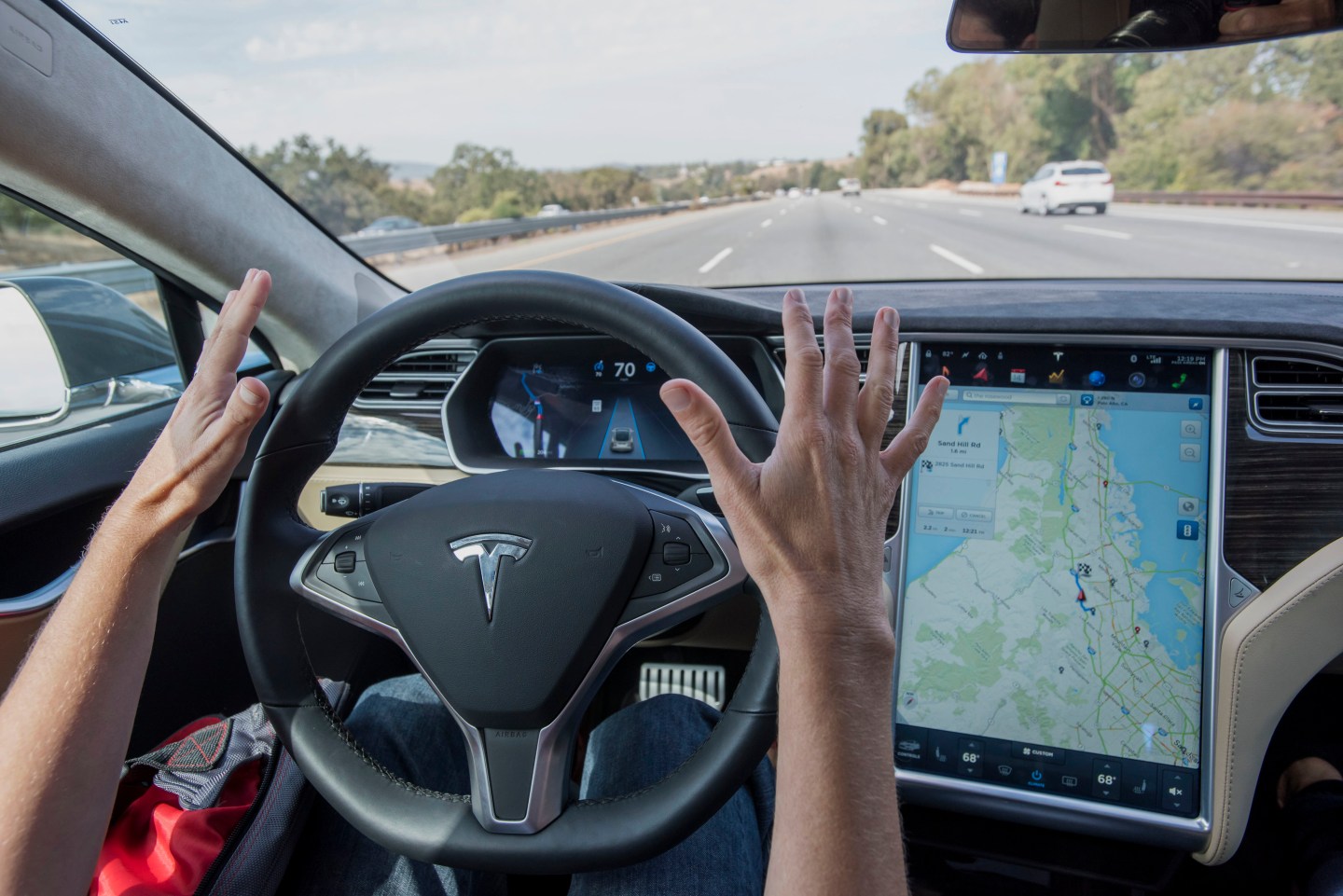
Tesla Introduces Self-Driving Features With Software Upgrade
A member of the media test drives a Tesla Motors Inc. Model S car equipped with Autopilot in Palo Alto, California, U.S., on Wednesday, Oct. 14, 2015. Tesla Motors Inc. will begin rolling out the first version of its highly anticipated "autopilot" features to owners of its all-electric Model S sedan Thursday. Autopilot is a step toward the vision of autonomous or self-driving cars, and includes features like automatic lane changing and the ability of the Model S to parallel park for you. Photographer: David Paul Morris/Bloomberg via Getty ImagesPhotograph by David Paul Morris — Bloomberg via Getty Images

Green-energy proponents often claim that petroleum businesses are hostile to new and innovative energy sources and technologies. As a large company with business and financial interests in petroleum, Koch Industries is no stranger to such criticism.

The truth is, however, that Koch Industries does not oppose electric vehicles, nor is it trying to prevent new energy businesses or technologies from succeeding.

There is value in all forms of energy, including wind, solar, oil, gas, and everything in between. (That’s why Koch invests in quite a number of them already, including renewable fuels like ethanol and biodiesel.) Any product or service that helps people improve their lives through voluntary and cooperative transactions is a win-win and benefits everyone involved.

What Koch Industries opposes is the government subsidizing or mandating one form of energy over another. This includes oil and other fossil fuels—as well as ethanol—because they distort markets and harm Americans by increasing energy costs. (Koch opposes all market-distorting policies, including subsidies and mandates—even if they may benefit the company.) These subsidies and mandates often prop up companies and industries that would otherwise fail, and this is precisely the type of corporate welfare that has become all too common in today’s political system.

Remember the Solyndra scandal? The U.S. government chose to enrich the solar panel company with hundreds of millions in subsidies, and the American taxpayer saw firsthand what happens when the government intervenes to pick winners. It distorted market prices, resulting in the loss of taxpayer dollars when the company ultimately failed.

Another sobering example is the $7,500 federal tax credit for all-electric and plug-in hybrid vehicles. (Similar credits exist in a few states, such as California.) This is a clear example of welfare for the wealthy. According to a 2015 study by researchers at the University of California, Berkeley, about 90% of credit beneficiaries are people in the top income bracket. Why are taxpayers being forced to subsidize the lifestyle choices of the wealthiest 20%?

To be fair, the fossil fuel industry (like many others) has benefitted from market-distorting policies. The problem is that continuing these politically driven provisions only rigs the system further. Consumers should be free to choose for themselves the best source of energy to meet their needs, but at its market price and without the influence of subsidies or mandates.

A company’s success or failure shouldn’t be determined by politicians putting their thumb on the scale or by lobbyists securing special-interest carve-outs. Success should be determined by whether a company provides a product or service consumers value more than their alternatives. When the government prevents this type of voluntary exchange, it dulls competitiveness, distorts markets, wastes valuable resources, disrespects consumer choice, and erodes Americans’ confidence in the fairness of both government and business.

Instead of favoring one energy solution over another, America should embrace as many choices as possible, including fossil fuels. Affordable, reliable, and abundant, fossil fuels provide 87% of our domestic energy supply and are a critical part of any comprehensive energy strategy.

Bill Gates is right when he says, “Without access to energy, the poor are stuck in the dark, denied all of the economic, social, and health benefits that come with power. So if we really want to help the world’s poorest families, we need to find a way to get them access to energy they can afford.” But anyone who says (Gates included) that fossil fuels shouldn’t play a major role in our energy future is wrong. For most people in the world, particularly the least advantaged, fossil fuels are the very best option for creating a better life.

Fossil fuels cannot be the enemy if companies truly want to help people in the United States and around the world improve their lives. That’s why Koch Industries will continue to openly and vigorously advocate for affordable and abundant energy chosen by consumers—and not government bureaucrats. Others should do the same.

Jim Mahoney is a board member of Koch Industries, where he previously served as executive vice president for operations and compliance.


About the Authors
By Jim Mahoney
See full bioRight Arrow Button Icon
By Bethany Cianciolo
See full bioRight Arrow Button Icon

Latest in Commentary

Julian Braithwaite is the Director General of the International Alliance for Responsible Drinking
CommentaryProductivity
Gen Z is drinking 20% less than Millennials. Productivity is rising. Coincidence? Not quite
By Julian BraithwaiteDecember 13, 2025
16 hours ago
carbon
Commentaryclimate change
Banking on carbon markets 2.0: why financial institutions should engage with carbon credits
By Usha Rao-MonariDecember 13, 2025
17 hours ago
Dr. Javier Cárdenas is the director of the Rockefeller Neuroscience Institute NeuroPerformance Innovation Center.
Commentaryconcussions
Fists, not football: There is no concussion protocol for domestic violence survivors
By Javier CárdenasDecember 12, 2025
2 days ago
Gary Locke is the former U.S. ambassador to China, U.S. secretary of commerce, and governor of Washington.
CommentaryChina
China is winning the biotech race. Patent reform is how we catch up
By Gary LockeDecember 12, 2025
2 days ago
millennial
CommentaryConsumer Spending
Meet the 2025 holiday white whale: the millennial dad spending $500+ per kid
By Phillip GoerickeDecember 12, 2025
2 days ago
Sarandos
CommentaryAntitrust
Netflix, Warner, Paramount and antitrust: Entertainment megadeal’s outcome must follow the evidence, not politics or fear of integration
By Satya MararDecember 12, 2025
2 days ago

Most Popular

placeholder alt text
Success
Apple cofounder Ronald Wayne sold his 10% stake for $800 in 1976—today it’d be worth up to $400 billion
By Preston ForeDecember 12, 2025
2 days ago
placeholder alt text
Economy
Tariffs are taxes and they were used to finance the federal government until the 1913 income tax. A top economist breaks it down
By Kent JonesDecember 12, 2025
2 days ago
placeholder alt text
Success
40% of Stanford undergrads receive disability accommodations—but it’s become a college-wide phenomenon as Gen Z try to succeed in the current climate
By Preston ForeDecember 12, 2025
2 days ago
placeholder alt text
Economy
The Fed just ‘Trump-proofed’ itself with a unanimous move to preempt a potential leadership shake-up
By Jason MaDecember 12, 2025
1 day ago
placeholder alt text
Economy
For the first time since Trump’s tariff rollout, import tax revenue has fallen, threatening his lofty plans to slash the $38 trillion national debt
By Sasha RogelbergDecember 12, 2025
1 day ago
placeholder alt text
Success
Apple CEO Tim Cook out-earns the average American’s salary in just 7 hours—to put that into context, he could buy a new $439,000 home in just 2 days
By Emma BurleighDecember 12, 2025
2 days ago
Rankings
  • 100 Best Companies
  • Fortune 500
  • Global 500
  • Fortune 500 Europe
  • Most Powerful Women
  • Future 50
  • World’s Most Admired Companies
  • See All Rankings
Sections
  • Finance
  • Leadership
  • Success
  • Tech
  • Asia
  • Europe
  • Environment
  • Fortune Crypto
  • Health
  • Retail
  • Lifestyle
  • Politics
  • Newsletters
  • Magazine
  • Features
  • Commentary
  • Mpw
  • CEO Initiative
  • Conferences
  • Personal Finance
  • Education
Customer Support
  • Frequently Asked Questions
  • Customer Service Portal
  • Privacy Policy
  • Terms Of Use
  • Single Issues For Purchase
  • International Print
Commercial Services
  • Advertising
  • Fortune Brand Studio
  • Fortune Analytics
  • Fortune Conferences
  • Business Development
About Us
  • About Us
  • Editorial Calendar
  • Press Center
  • Work At Fortune
  • Diversity And Inclusion
  • Terms And Conditions
  • Site Map

© 2025 Fortune Media IP Limited. All Rights Reserved. Use of this site constitutes acceptance of our Terms of Use and Privacy Policy | CA Notice at Collection and Privacy Notice | Do Not Sell/Share My Personal Information
FORTUNE is a trademark of Fortune Media IP Limited, registered in the U.S. and other countries. FORTUNE may receive compensation for some links to products and services on this website. Offers may be subject to change without notice.