A ten-year-old CEO pitches his “Paw Puddy” dog bones to perk up your ailing pup. A man drives cross country in his car made of hemp. A hyrdroponic farmer explains how to grow cannabis—or tomatoes—with only 3% of the water normally required. These are some of the contestants you’ll see on the second season of The Marijuana Show, a reality show its creators call “Shark Tank for Gangapreneurs.”
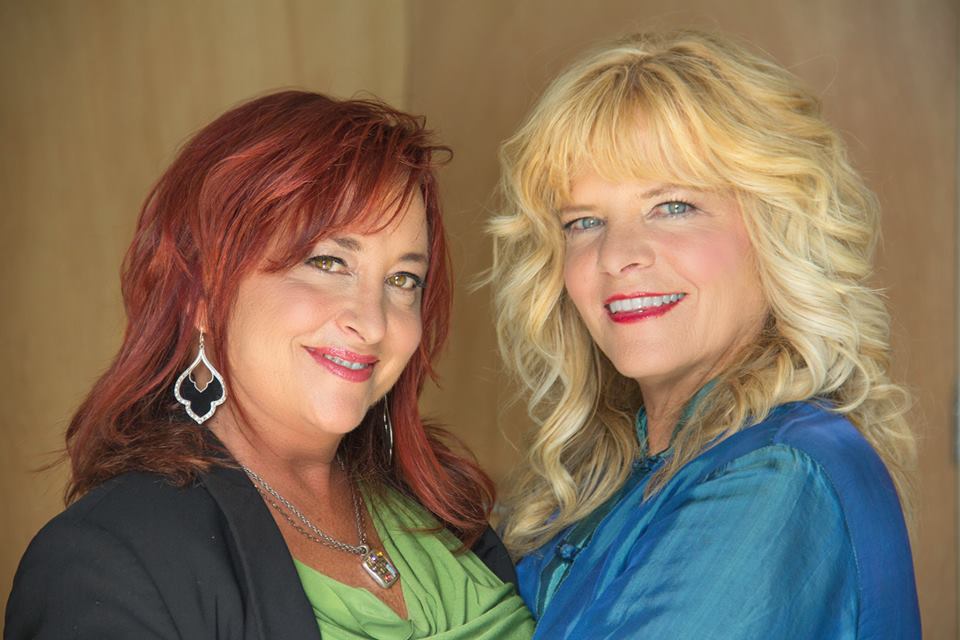
You’d think The Marijuana Show would be about escapism, but show creators and producers Karen J. Paull and Wendy Robbins claim gangapreneurs are the hardest working people they’ve met. And they should know. Robbins made millions as co-inventor of “The Tingler” head massager, co-starred with Kelly Ripa as a business coach on Homemade Millionaire, and wrote Why Marry a Millionaire? Just Be One! Paull is CEO of Sales Guru, LLC, and former VP of sales at Snapfish, where she increased sales by 300% in the run-up to the company’s $300-million acquisition by HP.
The couple (they are married) just wrapped filming of the show’s second season in Denver, a city they consider the Silicon Valley of cannabis, and the center of the ��pot-com boom.”
To make it in the marijuana biz, Robbins says, “You have to be willing to work 14-17 hours a day, 6-7 days a week. It’s not for the feint of heart.”
So, why is the weed business so stressful?
As Fortune recently reported, those in the cannabis business face an extra burden of complicated tax laws and banking limitations. Even though the sale and use of medical marijuana is currently legal in 23 states as well as the District of Columbia, much of the business around marijuana sales remains technically illegal under federal (and I.R.S.) law. The sale of pot for recreational use to adults (21 or over) is legal in Colorado, Washington and, as of this month, Oregon. (Alaska and the D.C. have legalized recreational use but don’t yet have a system in place for sales.)
Failure to comply with intricate state and federal laws can mean jail time. Says Robbins, “Regulations change almost on a daily basis. If you don’t keep up with the laws, you risk your freedom.” This means having accountants and lawyers on the payroll and keeping constant tabs on the changing rules.
In fact, Robbins and Paull, who live in Taos, New Mexico, got the idea for the show after looking into opening their own dispensary in Colorado. But after attending some industry conferences to learn about the application process, they changed course. “We met a lot of people with great ideas who needed business coaching,” says Paull. “And that’s what Wendy and I do.”
They say theirs is a kinder, gentler reality show. It aims to educate viewers about the healing benefits of medical marijuana, provide mentorship for the marijuana entrepreneurs and pair them with investors.
Between online applications and live auditions in Seattle and Denver, the producers whittled more than 200 applicants down to 13 finalists who will compete for more than $10 million in “seed” money. Applicants must have an idea for a cannabis, hemp or CBD-related business and a viable business plan that is vetted by the show’s panel of investors. The finalists are evenly split between those in core businesses (dispensaries, grow facilities and products like edibles) and ancillary businesses—which require less legal oversight.
So what are the hot new ideas in gangapreneurship? Paull says she noticed a shift toward techniques and products to increase sustainability (growing pot takes a lot of water and electricity). Tech products were another big trend this year; contestants pitched iPad controlled-grow systems, and a former Microsoft engineer showed a tracking software designed to make it easier for growers to comply with the government requirement to track inventory from “seed to sale.” The producers say they’re also starting to see more interest in lab testing, as businesses seek to regulate and standardize the pot experience.
In an industry where conventional commercials and advertising are largely impossible due to federal regulations, the show provides a way for businesses to get their message out. The show is entirely funded by sponsors from the cannabis industry, including Colorado’s Starbuds, Euflora, Caregivers for Life, Incredibles, Lazy Lion and Washington’s Freedom Market and Westside 420 Recreational.
Gangapreneurs who apply to The Marijuana Show tend to be activists who believe in the healing aspects of cannabis, according to Paull and Robbins. But make no mistake: It can be a very lucrative industry.
Legal marijuana is one of the fastest growing industries in the country—up 74% in 2014. In Colorado, legal cannabis earned the state $76 million in tax revenue and that number is on track to grow to $125 million in 2015.
Robbins claims some of their investors who run dispensaries or grow facilities make up to $50,000 a day. “Is it every day? No. But that’s pretty dang good. And people in the ancillary businesses are doing well too. It’s kind of like the gold rush. The people selling shovels and picks did very, very well.”
Ultimately, Robbins and Paull consider themselves activists. Says Robbins, “Our job is to entertain, educate, advocate and ideally legalize.”
Season 2 is scheduled to air in February 2016 on Dish, Verizon, Comcast, Xbox, Samsung, Roku and the pair are in discussions with other streaming services and considering buying network time. The show can also be viewed on The Marijuana Show website and dozens of other cannabis-related sites.
For the season 2 sizzle reel, check out the show’s homepage: Themarijuanashow.com.