• Home
  • Latest
  • Fortune 500
  • Finance
  • Tech
  • Leadership
  • Lifestyle
  • Rankings
  • Multimedia
Leadershipwildfires

What’s the true cost of the American West’s wildfires?

By
Claire Groden
Claire Groden
Down Arrow Button Icon
By
Claire Groden
Claire Groden
Down Arrow Button Icon
September 15, 2015, 2:07 PM ET
Fast-Moving Wildfire Brings Destruction To Lake County, CA
MIDDLETOWN, CA - SEPTEMBER 15: Firefighters hose down a hot spot in the ruins of a home that burned in the Valley Fire are seen on September 15, 2015 in Middletown, California. The 104-square-mile fire is only 15 percent contained and has destroyed 585 homes so far and hundreds of other structures. (Photo by David McNew/Getty Images)Photograph by David McNew — Getty Images

Northern California’s Valley and Butte wildfires have displaced more than 20,000 people since this weekend as they continue to blaze north of San Francisco and south of Sacramento, respectively. As of Tuesday morning, the two fires have burned across a total of 138,660 acres and caused the death of a retired teacher who was unable to escape her burning home, according to the Los Angeles Times.

Before the Valley and Butte wildfires exploded, California Governor Jerry Brown’s administration pegged the total cost of the state’s wildfire season at more than $212 million through early last week.

The Valley fire is on track to be the most destructive California wildfire, measured in insurance losses, since the Oakland firestorm of 1991, according to senior research meteorologist Mark Bove at Munich Re America, a reinsurance company. That fire resulted in an industry-wide insurance cost of about $3 billion. But the holistic cost of wildfires goes far beyond the cash that insurance companies dole out for destroyed buildings. The other costs–of fire suppression, post-fire rehabilitation, and indirect impacts like drops in property value and lost taxes–can add to up make total expenses of a wildfire more than forty times the cost of insurance claims.

The cost of fire suppression is soaring as the fire season lengthens and grows more severe, according to a report published last month by the U.S. Forest Service. Between the last fiscal year and the current one, the Forest Service had to expand its fire suppression budget by $115 million, cutting into its other non-fire programs like restoration and land management, in order to fund the thousands of firefighters and sophisticated equipment used against fires. Last year, the ten largest fires cost more than $320 million to combat. The Forest Service projects that its fire suppression costs will grow from around $1.1 billion in 2014 to $1.8 billion by 2025.

Then, there’s the cost of destroyed and damaged property–a dollar value that’s much harder to pin down. Bove says that more than half of this year’s burned acreage was in Alaska, where few insured and uninsured structures stood in the wildfires’ way. For smaller, rural fires, experts don’t have a great idea of the total damage. It’s not until a major fire breaks out that property losses are tallied–and those major fires are occurring more frequently. In 2013, 21 fires that burned across the United States resulted in losses of $10 million or more, according to a 2014 report by the National Fire Protection Association. Some of the worst fires–a group the Valley fire is expected to join when the embers have cooled–cost well over $1 billion in insurance claims.

The other post-fire rehabilitation costs include operations like reforestation, erosion barriers, reseeding, and flood control. These efforts attempt to mitigate the risk of future destruction, like mudslides or flooding. In a survey of case studies published by the Western Forestry Leadership Coalition, rehabilitation costs ranged from $8 billion in the case of a 44,000-acre Montana fire in July 2000 to more than half a billion dollars in the wake of a 2003 wildfire complex in California that burned across 125,000 acres.

Finally, there is a host of indirect costs that are even greater to quantify: a decline in nearby property value, lost tax revenue from closed parks and businesses, emergency assistance to those displaced by the fires, and ongoing respiratory health concerns for people who live nearby.

What’s the bottom line? That depends. And for the still-raging Valley fire, experts say the jury’s still out. This much is clear: Brown’s previous estimate for the cost of this season’s wildfires will look like a drop in the bucket in comparison.


About the Author
By Claire Groden
See full bioRight Arrow Button Icon

Latest in Leadership

Nicholas Thompson
C-SuiteBook Excerpt
I took over one of the most prestigious media firms while training for an ultramarathon. Here’s what I learned becoming CEO of The Atlantic
By Nicholas ThompsonDecember 13, 2025
19 hours ago
Lauren Antonoff
SuccessCareers
Once a college dropout, this CEO went back to school at 52—but she still says the Gen Zers who will succeed are those who ‘forge their own path’
By Preston ForeDecember 13, 2025
21 hours ago
Asiathe future of work
The CEO of one of Asia’s largest co-working space providers says his business has more in common with hotels
By Angelica AngDecember 12, 2025
1 day ago
Donald Trump
HealthHealth Insurance
‘Tragedy in the making’: Top healthcare exec on why insurance will spike to subsidize a tax cut to millionaires and billionaires
By Nick LichtenbergDecember 12, 2025
1 day ago
three men in suits, one gesturing
AIBrainstorm AI
The fastest athletes in the world can botch a baton pass if trust isn’t there—and the same is true of AI, Blackbaud exec says
By Amanda GerutDecember 12, 2025
1 day ago
Brainstorm AI panel
AIBrainstorm AI
Creative workers won’t be replaced by AI—but their roles will change to become ‘directors’ managing AI agents, executives say
By Beatrice NolanDecember 12, 2025
2 days ago

Most Popular

placeholder alt text
Success
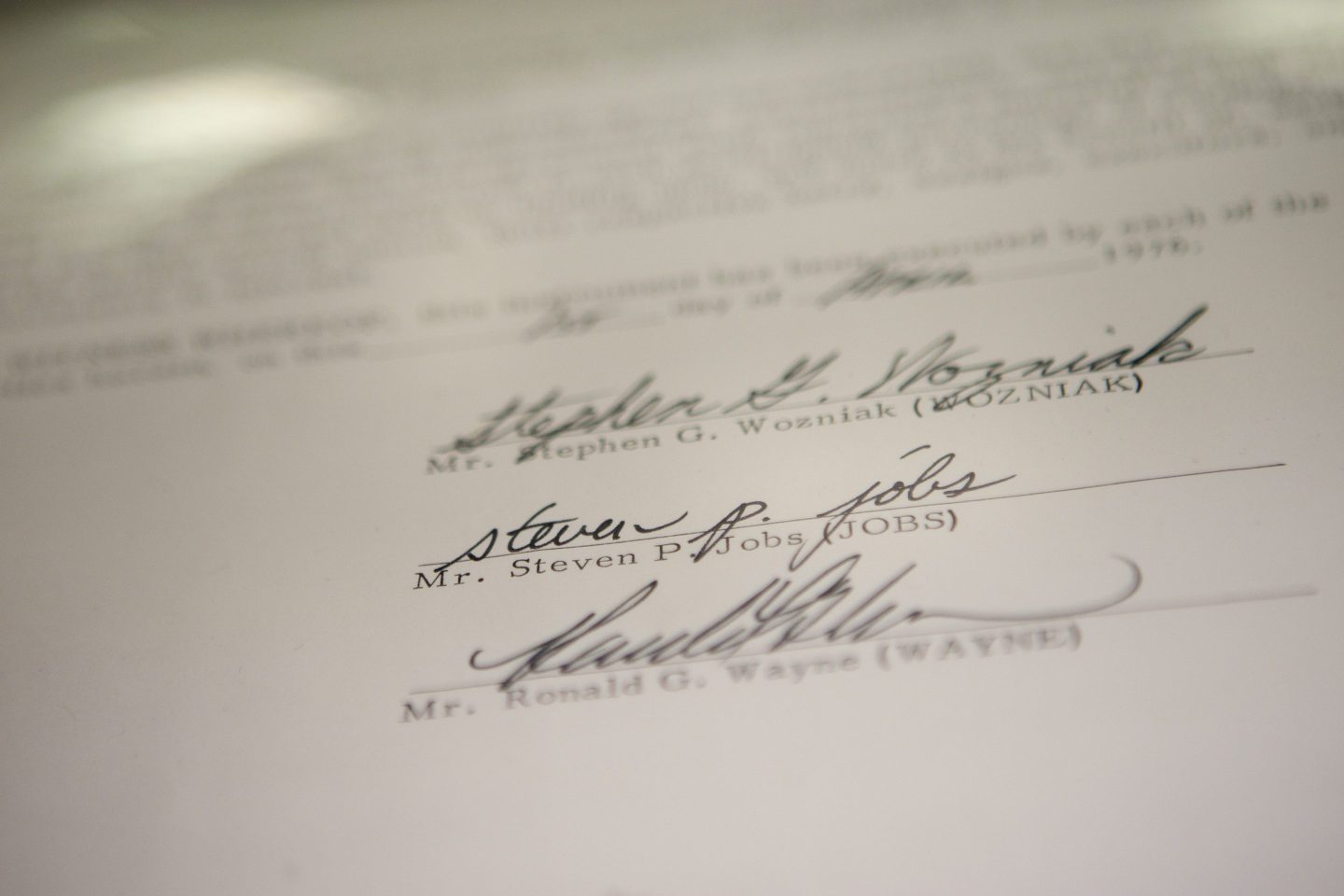
Apple cofounder Ronald Wayne sold his 10% stake for $800 in 1976—today it’d be worth up to $400 billion
By Preston ForeDecember 12, 2025
2 days ago
placeholder alt text
Economy
Tariffs are taxes and they were used to finance the federal government until the 1913 income tax. A top economist breaks it down
By Kent JonesDecember 12, 2025
2 days ago
placeholder alt text
Success
40% of Stanford undergrads receive disability accommodations—but it’s become a college-wide phenomenon as Gen Z try to succeed in the current climate
By Preston ForeDecember 12, 2025
2 days ago
placeholder alt text
Economy
The Fed just ‘Trump-proofed’ itself with a unanimous move to preempt a potential leadership shake-up
By Jason MaDecember 12, 2025
1 day ago
placeholder alt text
Success
Apple CEO Tim Cook out-earns the average American’s salary in just 7 hours—to put that into context, he could buy a new $439,000 home in just 2 days
By Emma BurleighDecember 12, 2025
2 days ago
placeholder alt text
Economy
For the first time since Trump’s tariff rollout, import tax revenue has fallen, threatening his lofty plans to slash the $38 trillion national debt
By Sasha RogelbergDecember 12, 2025
1 day ago
Rankings
  • 100 Best Companies
  • Fortune 500
  • Global 500
  • Fortune 500 Europe
  • Most Powerful Women
  • Future 50
  • World’s Most Admired Companies
  • See All Rankings
Sections
  • Finance
  • Leadership
  • Success
  • Tech
  • Asia
  • Europe
  • Environment
  • Fortune Crypto
  • Health
  • Retail
  • Lifestyle
  • Politics
  • Newsletters
  • Magazine
  • Features
  • Commentary
  • Mpw
  • CEO Initiative
  • Conferences
  • Personal Finance
  • Education
Customer Support
  • Frequently Asked Questions
  • Customer Service Portal
  • Privacy Policy
  • Terms Of Use
  • Single Issues For Purchase
  • International Print
Commercial Services
  • Advertising
  • Fortune Brand Studio
  • Fortune Analytics
  • Fortune Conferences
  • Business Development
About Us
  • About Us
  • Editorial Calendar
  • Press Center
  • Work At Fortune
  • Diversity And Inclusion
  • Terms And Conditions
  • Site Map

© 2025 Fortune Media IP Limited. All Rights Reserved. Use of this site constitutes acceptance of our Terms of Use and Privacy Policy | CA Notice at Collection and Privacy Notice | Do Not Sell/Share My Personal Information
FORTUNE is a trademark of Fortune Media IP Limited, registered in the U.S. and other countries. FORTUNE may receive compensation for some links to products and services on this website. Offers may be subject to change without notice.