• Home
  • Latest
  • Fortune 500
  • Finance
  • Tech
  • Leadership
  • Lifestyle
  • Rankings
  • Multimedia
MPWBirth Control

50 years of legal birth control: How it changed the workplace for women

By
Jaclyn Trop
Jaclyn Trop
Down Arrow Button Icon
By
Jaclyn Trop
Jaclyn Trop
Down Arrow Button Icon
June 7, 2015, 11:35 AM ET
86439357
Birth control pillsPhotograph by Laura Johansen — Getty Images

Fifty years ago, on June 7, 1965, the U.S. Supreme Court issued a landmark ruling on contraception, which would have a profound affect on women’s lives. The birth control pill had come to the market in 1960, but in much of the U.S., it was illegal to advertise contraception. Connecticut law even criminalized the use of contraception altogether. So, when Estelle Griswold, then executive director of the Planned Parenthood League of Connecticut, and Dr. C. Lee Buxton, then chair of the Department of Obstetrics at Yale University’s medical school, opened a birth control clinic, they were prosecuted — and the two appealed, all the way to the Supreme Court.

In Griswold v. Connecticut, the Court, 7-2, overturned the Connecticut law, saying it violated the right to marital privacy. (Later, in 1972, the Court extended the right to privacy to individuals, regardless of whether they were married.) The decision was a major step forward in expanding contraception access and ultimately helped transform the workplace for women. In an interview, Planned Parenthood President Cecile Richards discussed the impact.

1) The wage gap is narrowing.

Though women working full-time still take home only 78 cents for every dollar earned by their male counterparts, access to birth control is helping close the gap. Planned Parenthood attributes one-third of the wage gains women have made since the 1960s – when they earned just 60 cents on the dollar – to access to oral contraceptives. “If women’s careers are interrupted by an unplanned pregnancy, it changes their ability to support themselves, to finish school, to decide when to have a family, and to get a job,” Cecile Richards, President of Planned Parenthood Federation of America, told Fortune.

2) Women are better educated.

Women have surpassed men in earning bachelor’s degrees and now earn half of all advanced degrees, due in part to their access to birth control. By 1970, five years after the Pill became legal, college enrollment was already 20 percent higher among women with access to the Pill, according to Planned Parenthood. The Pill also reduced the dropout rate, with some studies showing it to be the most influential factor in enabling women to stay in college.

3) The business sector boasts more white-collar women.

The economy comprises more female doctors, dentists, lawyers and business owners than before Griswold v. Connecticut. In 2013, women earned nearly half of all J.D. degrees, according to the American Bar Association. Planned Parenthood estimates that contraception has accounted for more than 30 percent of the increase in the proportion of women in skilled careers from 1970 to 1990. “It’s easy to get discouraged about the state of affairs in Congress, but it’s important to look back on the Supreme Court decision and the dramatic change it created in women’s lives,” Richards said. “I think people forget how that simple access to contraception has improved their access to the workforce.”

4) It stimulates the economy.

Women who want to have two children still need to use contraception for roughly three decades, notes the Guttmacher Institute, a think tank for sexual and reproductive health. For every dollar federal and state governments invest in family planning programs, they save $7.09 in costs related to unintended pregnancies. The net savings totaled $13.6 billion in 2010, the institute reported. Contraceptive care at publicly supported centers helped women avert 2.2 million unintended pregnancies, 1.1 million unplanned births, 761,000 abortions and 164,000 preterm or low-birth-weight births, according to its 2010 report.


About the Author
By Jaclyn Trop
See full bioRight Arrow Button Icon

Latest in MPW

Workplace CultureSports
Exclusive: Billionaire Michele Kang launches $25 million U.S. Soccer institute that promises to transform the future of women’s sports
By Emma HinchliffeDecember 2, 2025
12 days ago
C-SuiteLeadership Next
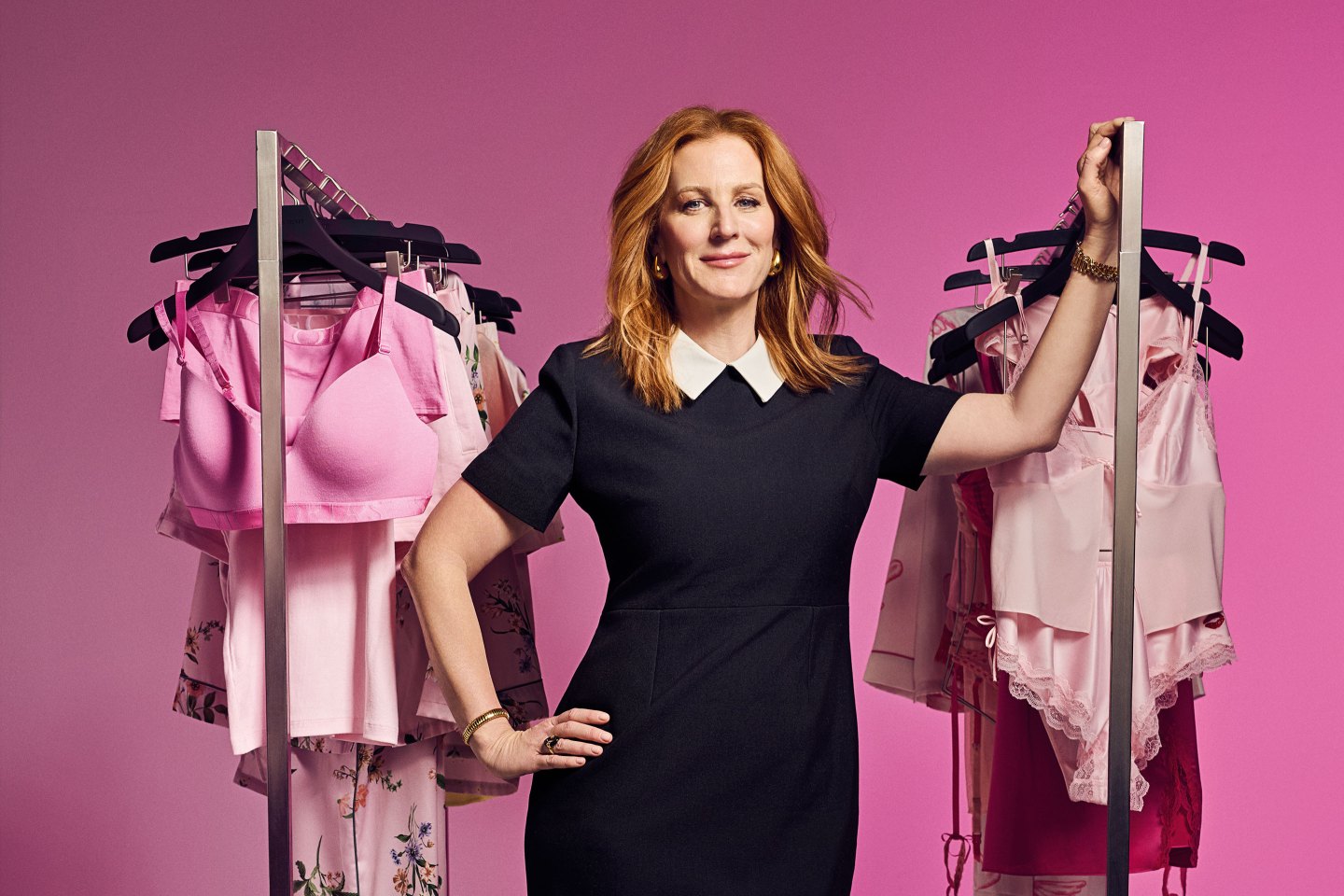
Ulta Beauty CEO Kecia Steelman says she has the best job ever: ‘My job is to help make people feel really good about themselves’
By Fortune EditorsNovember 5, 2025
1 month ago
ConferencesMPW Summit
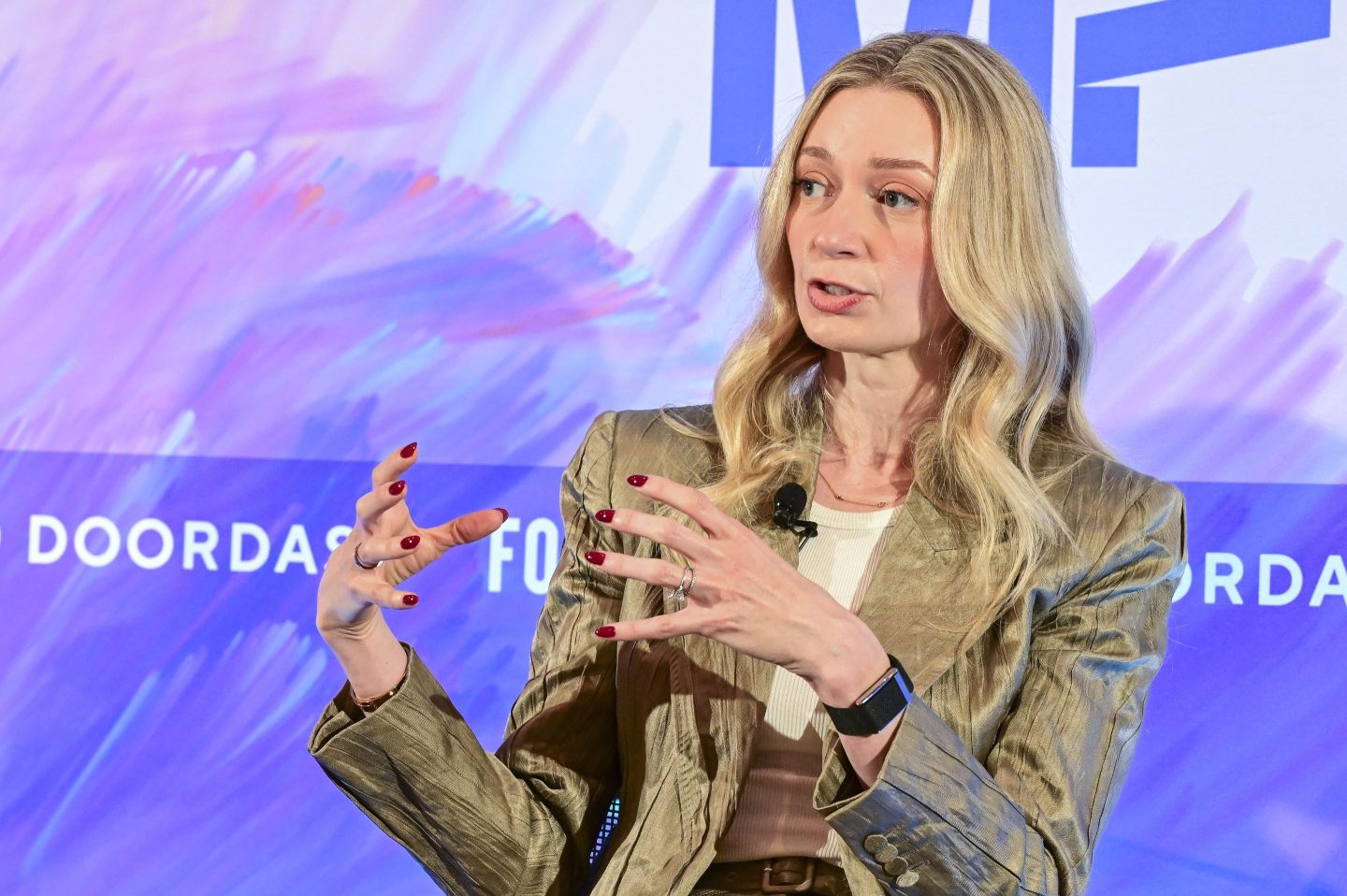
Executives at DoorDash, Airbnb, Sephora and ServiceNow agree: leaders need to be agile—and be a ‘swan’ on the pond
By Preston ForeOctober 21, 2025
2 months ago
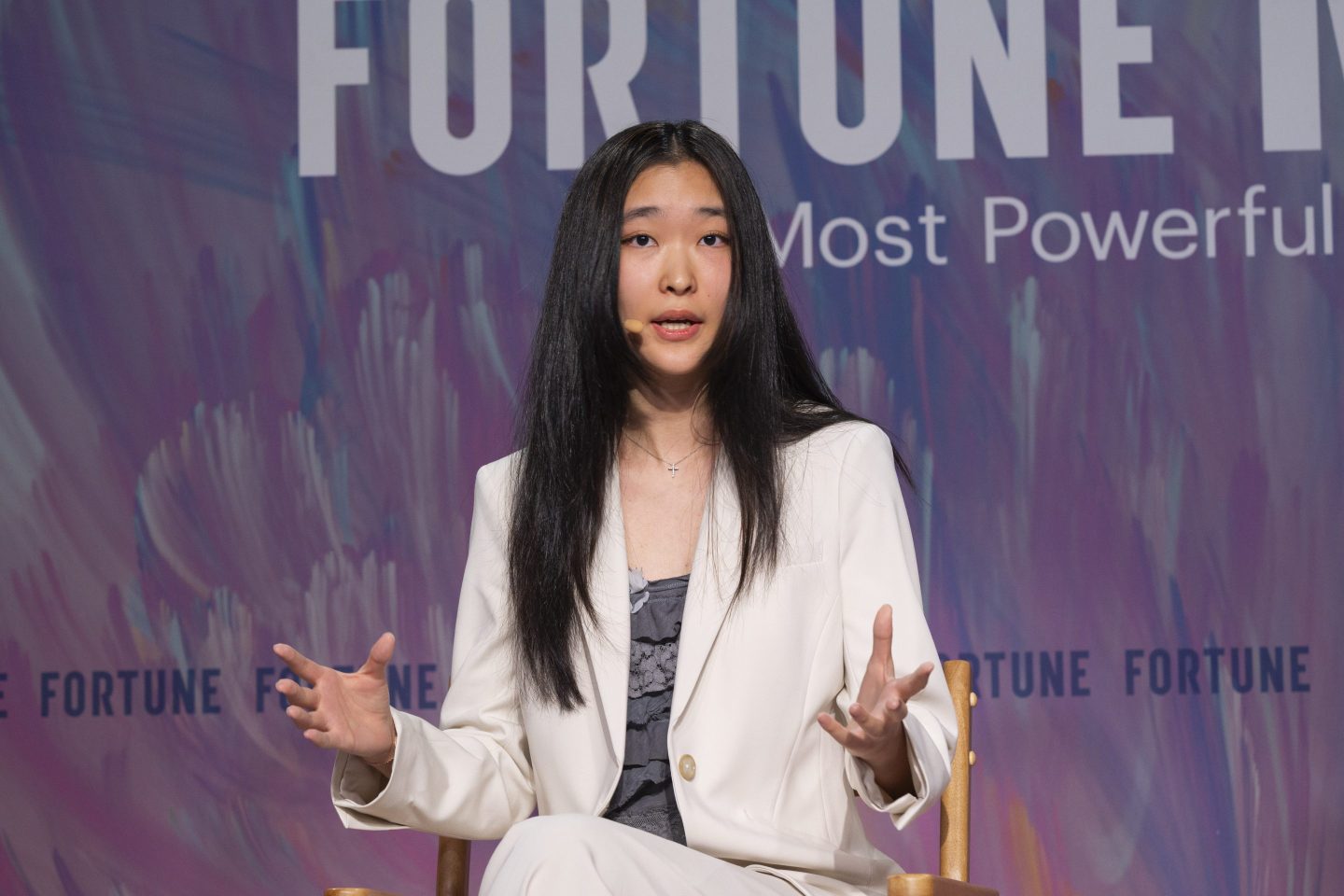
Jessica Wu, co-founder and CEO of Sola, at Fortune MPW 2025
MPW
Experts say the high failure rate in AI adoption isn’t a bug, but a feature: ‘Has anybody ever started to ride a bike on the first try?’
By Dave SmithOctober 21, 2025
2 months ago
Jamie Dimon with his hand up at Fortune's Most Powerful Women Summit
SuccessProductivity
JPMorgan CEO Jamie Dimon says if you check your email in meetings, he’ll tell you to close it: ’it’s disrespectful’
By Preston ForeOctober 17, 2025
2 months ago
Pam Catlett
ConferencesMPW Summit
This exec says resisting FOMO is a major challenge in the AI age: ‘Stay focused on the human being’
By Preston ForeOctober 16, 2025
2 months ago

Most Popular

placeholder alt text
Economy
Tariffs are taxes and they were used to finance the federal government until the 1913 income tax. A top economist breaks it down
By Kent JonesDecember 12, 2025
2 days ago
placeholder alt text
Success
Apple cofounder Ronald Wayne sold his 10% stake for $800 in 1976—today it’d be worth up to $400 billion
By Preston ForeDecember 12, 2025
2 days ago
placeholder alt text
Success
40% of Stanford undergrads receive disability accommodations—but it’s become a college-wide phenomenon as Gen Z try to succeed in the current climate
By Preston ForeDecember 12, 2025
2 days ago
placeholder alt text
Uncategorized
Transforming customer support through intelligent AI operations
By Lauren ChomiukNovember 26, 2025
18 days ago
placeholder alt text
Economy
The Fed just ‘Trump-proofed’ itself with a unanimous move to preempt a potential leadership shake-up
By Jason MaDecember 12, 2025
2 days ago
placeholder alt text
Success
Apple CEO Tim Cook out-earns the average American’s salary in just 7 hours—to put that into context, he could buy a new $439,000 home in just 2 days
By Emma BurleighDecember 12, 2025
2 days ago
Rankings
  • 100 Best Companies
  • Fortune 500
  • Global 500
  • Fortune 500 Europe
  • Most Powerful Women
  • Future 50
  • World’s Most Admired Companies
  • See All Rankings
Sections
  • Finance
  • Leadership
  • Success
  • Tech
  • Asia
  • Europe
  • Environment
  • Fortune Crypto
  • Health
  • Retail
  • Lifestyle
  • Politics
  • Newsletters
  • Magazine
  • Features
  • Commentary
  • Mpw
  • CEO Initiative
  • Conferences
  • Personal Finance
  • Education
Customer Support
  • Frequently Asked Questions
  • Customer Service Portal
  • Privacy Policy
  • Terms Of Use
  • Single Issues For Purchase
  • International Print
Commercial Services
  • Advertising
  • Fortune Brand Studio
  • Fortune Analytics
  • Fortune Conferences
  • Business Development
About Us
  • About Us
  • Editorial Calendar
  • Press Center
  • Work At Fortune
  • Diversity And Inclusion
  • Terms And Conditions
  • Site Map

© 2025 Fortune Media IP Limited. All Rights Reserved. Use of this site constitutes acceptance of our Terms of Use and Privacy Policy | CA Notice at Collection and Privacy Notice | Do Not Sell/Share My Personal Information
FORTUNE is a trademark of Fortune Media IP Limited, registered in the U.S. and other countries. FORTUNE may receive compensation for some links to products and services on this website. Offers may be subject to change without notice.