• Home
  • News
  • Fortune 500
  • Tech
  • Finance
  • Leadership
  • Lifestyle
  • Rankings
  • Multimedia
Techmining

The era of the electric car promises a lithium mining boom, but new lithium startups are floundering. Here’s why.

By
David Z. Morris
David Z. Morris
Down Arrow Button Icon
By
David Z. Morris
David Z. Morris
Down Arrow Button Icon
April 26, 2015, 4:06 PM ET
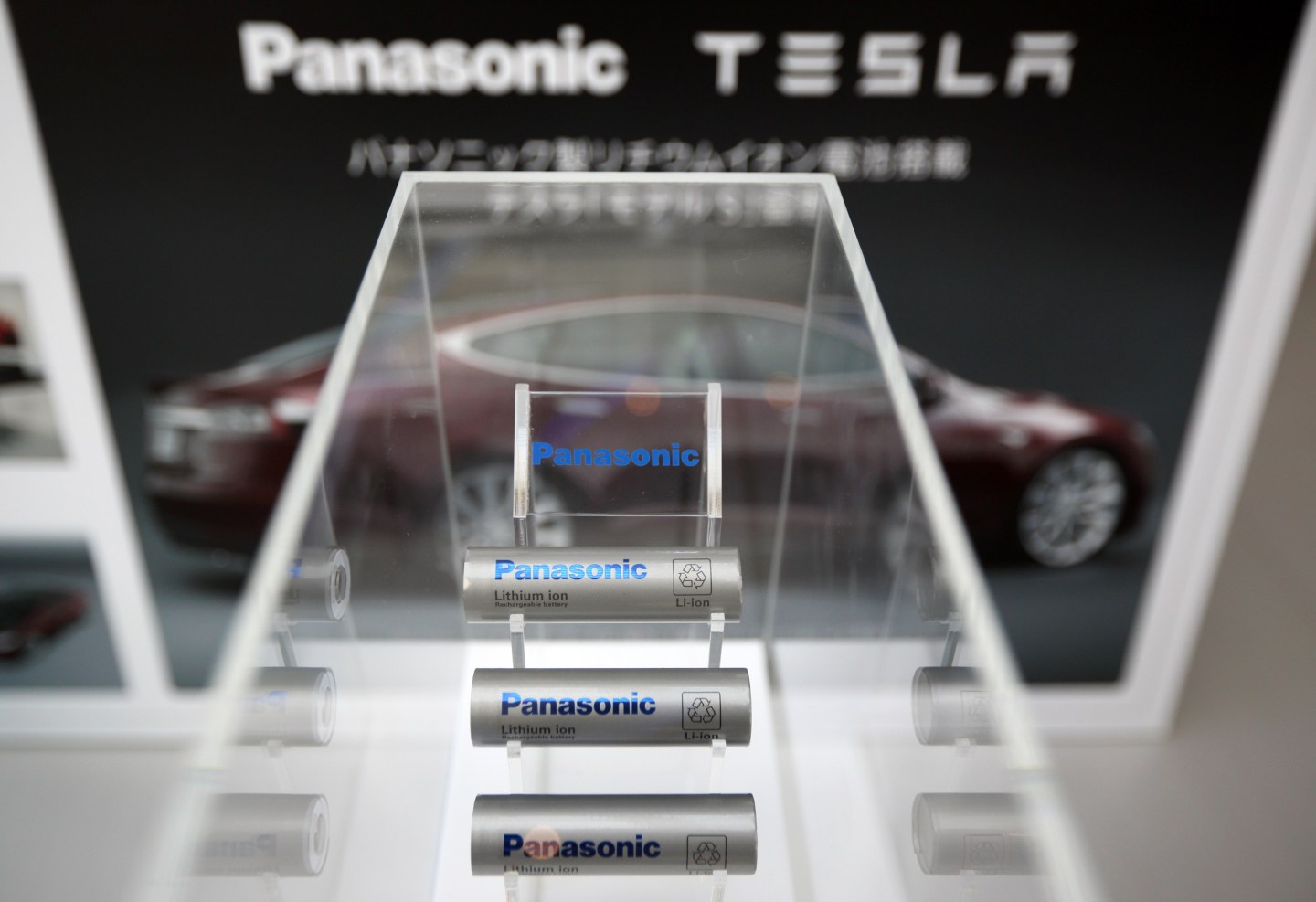
Panasonic Corp. lithium-ion batteries manufactured for Tesla Motors Inc. Model S electric vehicles are displayed at Panasonic Center Tokyo in Tokyo, Japan, on Tuesday, Nov. 19, 2013. Panasonic won a contract to supply cells to Tesla's electric vehicles in a deal that may generate $7 billion in revenue. Photographer: Tomohiro Ohsumi/Bloomberg via Getty Images
Panasonic Corp. lithium-ion batteries manufactured for Tesla Motors Inc. Model S electric vehicles are displayed at Panasonic Center Tokyo in Tokyo, Japan, on Tuesday, Nov. 19, 2013. Panasonic won a contract to supply cells to Tesla's electric vehicles in a deal that may generate $7 billion in revenue. Photographer: Tomohiro Ohsumi/Bloomberg via Getty ImagesBloomberg via Getty Images

About five percent of the lithium carbonate produced in the world today goes to the pharmaceutical market, where it’s valued for its calming properties. But with surging demand on the horizon, lithium seems to be having nearly the opposite effect on investors and miners.

Global lithium consumption doubled in the decade before 2012, driven largely by its use in lithium-ion batteries for cell phones and power tools. The boom will continue thanks to electric cars—Tesla’s huge gigafactory lithium-ion battery facility could by itself soak up as much as 17% of existing lithium supply (That’s a Goldman Sachs estimate—Bank of America’s was about 60% lower). That prospect has led a variety of startups to experiment with new processes and sources, hoping to elbow into a business dominated by just a few producers.

But Eric Anderson, CEO of the lithium engineering consultancy TRU, was bearish on lithium investment as early as 2009, when a flood of new projects were being planned.

“I made this statement that people snickered at—that plants would be built and closed . . . because of the hype surrounding the industry,” says Anderson.

Anderson’s lithium predictions have been largely vindicated. Demand has risen more slowly than some expected—still currently between 5 and 10% per year—and new operations have been plagued by problems.

In 2012, Galaxy Resources suspended production at its Mt. Cattlin mine in western Australia. In 2013, RB Energy Inc. opened a new lithium carbonate plant in Quebec, only to suspend operations in 2014. Nevada-based Western Lithium, which has been repeatedly floated as a potentially convenient supplier for Tesla, has taken shareholders on a very bumpy ride, and is not yet online.

According to Anderson, Western Lithium, like many new lithium operations, simply aren’t working with the right raw materials. Though lithium isn’t rare in the environment, the cost of extraction varies greatly with its concentration and form. With existing technology and present prices, truly profitable lithium comes only from the evaporation of highly concentrated brine.

Those sorts of brine deposits are nearly all in southwest South America, and controlled by established players. The three largest lithium producers are the Chile-based Sociedad Quimica y Minera, American FMC Lithium, which controls the ominously-named Hombre Muerte mine in Argentina, and Albermarle, which recently acquired competitor Rockwood. Albermarle is developing lithium brine holdings around Magnolia, Arkansas—the only American deposits that Anderson allows might make economic sense in the near future. Together, these three companies provide more than 90% of the world’s lithium, and have absorbed much of the rising demand simply by bringing untapped capacity online.

A dearth of technical talent seems to be another widespread problem. The Bolivian state has faced serious management and technical hurdles in extracting the massive, high-density lithium deposits in the otherworldly salt flat Salar de Uyuni. Similarly, Chinese producers Quinghai Lithium and Citic Guoan MGL, hoping to exploit sources near Tibet, have experienced major hurdles, and plans to expand Chinese capacity to 60,000 tons a year by this year have been revised downward by half.

Watch more business news from Fortune:


About the Author
By David Z. Morris
See full bioRight Arrow Button Icon

Latest in Tech

Future of WorkBrainstorm Design
The workplace needs to be designed like an ‘experience,’ says Gensler’s Ray Yuen, as employees resist the return to office
By Angelica AngDecember 5, 2025
2 hours ago
Four years ago, BKV started buying up the two Temple power plants in Texas—located between Austin and Dallas—which now total 1.5 gigawatts of electricity generation capacity—enough to power more than 1.1 million homes, or a major data center campus. There is room to expand.
Energypower
How a Texas gas producer plans to exploit the ‘mega trend’ of power plants for AI hyperscalers
By Jordan BlumDecember 5, 2025
2 hours ago
Big TechSpotify
Spotify users lamented Wrapped in 2024. This year, the company brought back an old favorite and made it less about AI
By Dave Lozo and Morning BrewDecember 4, 2025
13 hours ago
InnovationVenture Capital
This Khosla Ventures–backed startup is using AI to personalize cancer care
By Allie GarfinkleDecember 4, 2025
17 hours ago
AIEye on AI
Companies are increasingly falling victim to AI impersonation scams. This startup just raised $28M to stop deepfakes in real time
By Sharon GoldmanDecember 4, 2025
18 hours ago
Jensen Huang
SuccessBillionaires
Nvidia CEO Jensen Huang admits he works 7 days a week, including holidays, in a constant ‘state of anxiety’ out of fear of going bankrupt
By Jessica CoacciDecember 4, 2025
18 hours ago

Most Popular

placeholder alt text
Economy
Two months into the new fiscal year and the U.S. government is already spending more than $10 billion a week servicing national debt
By Eleanor PringleDecember 4, 2025
23 hours ago
placeholder alt text
Success
‘Godfather of AI’ says Bill Gates and Elon Musk are right about the future of work—but he predicts mass unemployment is on its way
By Preston ForeDecember 4, 2025
18 hours ago
placeholder alt text
Success
Nvidia CEO Jensen Huang admits he works 7 days a week, including holidays, in a constant 'state of anxiety' out of fear of going bankrupt
By Jessica CoacciDecember 4, 2025
18 hours ago
placeholder alt text
Success
Nearly 4 million new manufacturing jobs are coming to America as boomers retire—but it's the one trade job Gen Z doesn't want
By Emma BurleighDecember 4, 2025
19 hours ago
placeholder alt text
North America
Jeff Bezos and Lauren Sánchez Bezos commit $102.5 million to organizations combating homelessness across the U.S.: ‘This is just the beginning’
By Sydney LakeDecember 2, 2025
3 days ago
placeholder alt text
Health
Bill Gates decries ‘significant reversal in child deaths’ as nearly 5 million kids will die before they turn 5 this year
By Nick LichtenbergDecember 4, 2025
1 day ago
Rankings
  • 100 Best Companies
  • Fortune 500
  • Global 500
  • Fortune 500 Europe
  • Most Powerful Women
  • Future 50
  • World’s Most Admired Companies
  • See All Rankings
Sections
  • Finance
  • Leadership
  • Success
  • Tech
  • Asia
  • Europe
  • Environment
  • Fortune Crypto
  • Health
  • Retail
  • Lifestyle
  • Politics
  • Newsletters
  • Magazine
  • Features
  • Commentary
  • Mpw
  • CEO Initiative
  • Conferences
  • Personal Finance
  • Education
Customer Support
  • Frequently Asked Questions
  • Customer Service Portal
  • Privacy Policy
  • Terms Of Use
  • Single Issues For Purchase
  • International Print
Commercial Services
  • Advertising
  • Fortune Brand Studio
  • Fortune Analytics
  • Fortune Conferences
  • Business Development
About Us
  • About Us
  • Editorial Calendar
  • Press Center
  • Work At Fortune
  • Diversity And Inclusion
  • Terms And Conditions
  • Site Map

© 2025 Fortune Media IP Limited. All Rights Reserved. Use of this site constitutes acceptance of our Terms of Use and Privacy Policy | CA Notice at Collection and Privacy Notice | Do Not Sell/Share My Personal Information
FORTUNE is a trademark of Fortune Media IP Limited, registered in the U.S. and other countries. FORTUNE may receive compensation for some links to products and services on this website. Offers may be subject to change without notice.