When Steve O’Hear moved into his new home in London fifteen years ago, he couldn’t turn the lights on and off: The switches were beyond his reach. O’Hear uses an electrical wheelchair, and even though the switches were built lower than usual to accommodate him, they were still too high. For years, he had to rely on someone else to turn the lights on –that is until he installed Internet-connected lights that he could turn on with his smartphone.
Smart homes, stuffed with futuristic appliances that can be controlled remotely, are being heralded as the wave of the future. They’re also a potential game-changer for the disabled.
An elderly woman who has trouble bending can use her smartphone to turn a floor fan on and off. A blind person could use a voice activated TV guide to change channels. And of course, for people with muscular dystrophy, pressing a button on their smartphone is easier than fumbling for tiny light switches.
There are 57 million Americans with disabilities according to Mark Perriello a spokesmen for the American Association of People with Disabilities. Yet only 5.6 million smart home platforms – the software required to operate appliances from a phone – have been installed globally, according to research firm IHS.
“Smart homes offer tools for people with disabilities to live more independently, allowing them to take control—turn on and off lights, find out who knocks on the door,” said Perriello. “They have the ability to be transformative.”
Yet the cost of smart homes can present a barrier to entry. Insurance companies don’t currently cover the cost of smart home technology. A Nest thermostat, which lets users set the temperature in their homes from their phone, runs $250. Similarly an August lock, which lets people lock and unlock their door from their phone as well as let other people into the house, costs $250.
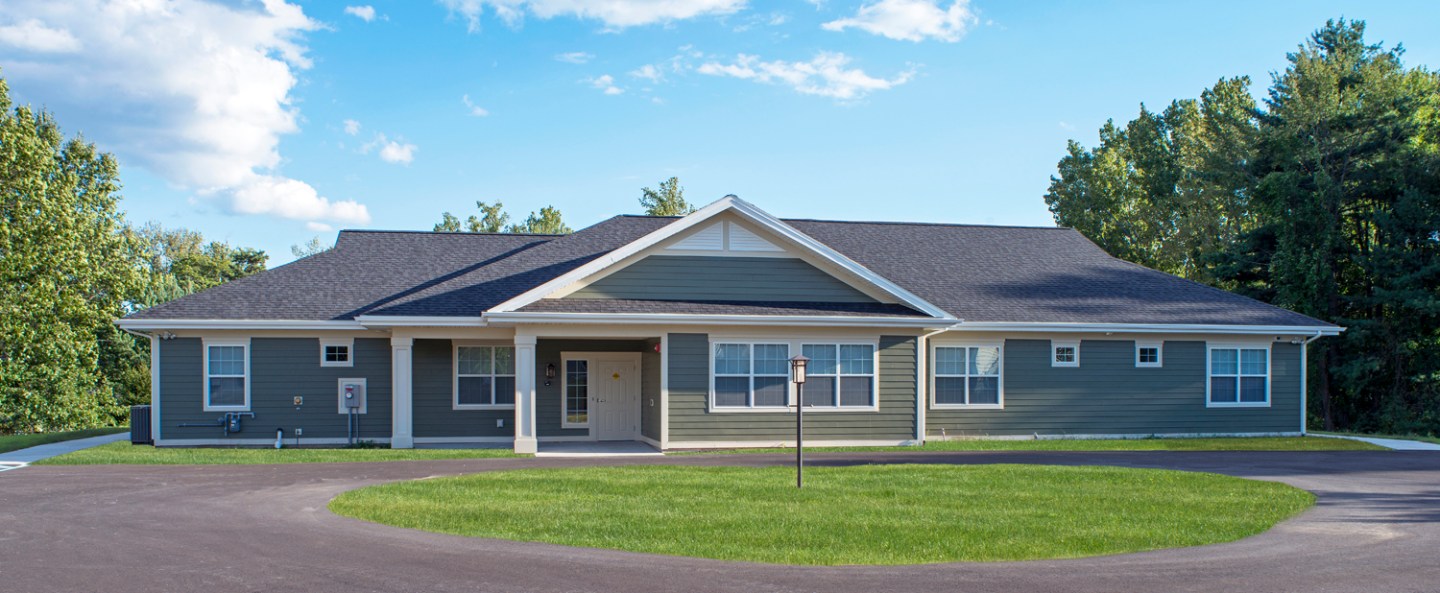
Living Resources, a New York nonprofit that works with people who have disabilities, recently built a smart home for six people. It included lights, fans, blinds and TVs that residents can operate from their iPad, as well as stoves that shut off automatically when there’s no activity. The entire house cost $600,000 while the technology alone cost about $100,000 said Fred Erlich, the organization’s CEO.
Tunnel to Towers, a nonprofit which works with disabled war veterans, runs a program to build smart homes for disabled war veterans. It spends $400,000 to $500,000 per house, using grants and donations, to make them more livable for veterans who are missing limbs.
But people with disabilities don’t tend to have deep pockets. On average people who develop a disability over their life span will see a 79% decline in earnings ten years later, says a 2013 report by the National Bureau of Economic Research.
O’Hear, the London homeowner, estimates he’s spent under $1,000 adding smart devices to his house. He first started using home automation because someone sent him a Nest thermostat to review as part of his job as tech journalist.
Since then, he’s outfitted his house with electrical plugs that have motion sensors built into them. In the case of a basic floor fan, all he has to do is connect it to the smart plug. He can then control the fan from his phone or set it up to automatically start spinning when there is activity in the room.
He’s also installed Phillips Hue light bulbs that he can operate from his phone. By using an app on his phone, he can turn the lights on, dim them, or change their colors.
“It’s not specifically about accessibility, it’s just a byproduct,” O’Hear said.
Most companies that make smart home products don’t specifically market them to people with disabilities. Nest, which is owned by Google (GOOG), dodged answering questions about whether people with disabilities are buying its products. But Nest pointed out that it gets input from blind people when developing its products.
AT&T (T) and Comcast (CMCSA) couldn’t say how many disabled people use their smart home products. However, both companies said they plan to create technology specifically for people who have trouble getting around the house.
AT&T, for example, is working on a monitoring system that lets people keep track of their aging relative’s routine. The same sensors that are used to detect a break-in can be programmed to notice if parents have awakened or deviated significantly from their usual routine.
Comcast is currently developing products such as a voice operated television remote and a talking TV guide which will let blind people more easily navigate channels and record their favorite shows. It’s part of a broader push by the company, which, three years ago, created a position called vice president of accessibility, filled by Tom Wlodkowski, who is blind.
“There’s a wide spectrum of people with disabilities who want to be part of the connected home,” said Steven Restivo, a Comcast spokesman.
While companies may see a potential market, the biggest challenge remains getting the word out. The technology is new and is still seen as more cutting edge rather than practical.
“This could lower the cost of healthcare,” said Fred Erlich who runs Living Resources, the non-profit, and is pushing to meet with insurance companies. “It’s a win for insurance companies, for patients, and for the government. We need to get the word out about this. It can mean the difference between living at home and a nursing home.”
Meanwhile, O’Hear has plans for the future. He’s thinking about getting a smart doorbell so when people come to the door, he’ll get a video feed on his phone and be able to alert them that it will take a moment to get there – and that he’ll need them to help by pushing the door open. He’s also considering getting smart window blinds, because he can’t open and close the traditional ones he currently has.
But what he loves the most is that none of this technology was designed specifically for him.
“My favorite technology is technology that isn’t designed for people with disabilities, but works anyway,” he said. “It’s a leveler without intending to be.”
Watch more about connectible homes from Fortune’s video team:
(Correction: An earlier version of this post said Steve O’Hear used a Nest smart thermostat in his London home. In fact, his thermostat is made by Hive)