• Home
  • Latest
  • Fortune 500
  • Finance
  • Tech
  • Leadership
  • Lifestyle
  • Rankings
  • Multimedia
Best of the Year in Business

The beginning of the end for email

By
Leigh Gallagher
Leigh Gallagher
Down Arrow Button Icon
By
Leigh Gallagher
Leigh Gallagher
Down Arrow Button Icon
December 4, 2014, 9:35 AM ET
480815249
Businessman concentrating on glowing computer attached to confusing tangled linesPhotograph by Gary Waters—Getty Images/Ikon Images

Along with global warming, the Ebola virus, and gridlock politics, this year, for me at least, something far less life- and society-threatening also spiraled out of control: email.

It was long ago invented as something to make us more productive. But what productivity expert would ever say that it’s a good thing that instead of working, we now “answer email?” Or that on some days, I am wary to leave my desk to head into a meeting because it means taking my finger off the dike and knowing I will return to a flood of boldfaced new messages waiting patiently for my total attention?

Some people strive for “inbox zero.” But like many people, I now get so much spam and unsolicited pitches that if I were to adopt such a goal, I would spend the entirety of every workday doing nothing but deleting emails. To keep up with this fire-hose flow, and to make sure nothing important gets buried or falls through the cracks once it gets pushed down below the display window, I have developed an embarrassingly archaic system of keeping a pen-and-paper list of emails that need responses on a series of Post-It notes. Of course, this is beyond ridiculous. As far back as 2007, Fred Wilson famously declared “email bankruptcy.” I’m close to doing the same—and I can’t be alone.

But I may not need to. I predict that this will be the year that email alternatives finally start to gain real traction. Already, collaborative messaging systems like HipChat, Yammer, and others are taking hold (Disclosure: We use HipChat at Fortune). Slack, a new messaging and search platform, is growing by leaps and bounds. Other tools have emerged over the years, like Sanebox, Mailstrom, Inbox Pause, and Xobni (bought by Yahoo in 2013, some of its features are now folded into Yahoo Mail)—as well as software like Ommwriter and Freedom, especially popular with writers, which will disable access to the Internet for chosen periods of time. Tools like Unroll.me and Boomerang are gaining popularity; Microsoft just bought Acompli, a company that streamlines mobile email.

Corporations have gradually been adopting stricter email policies over the years: A few years ago, Volkswagen said it would stop sending emails from its servers to company-owned BlackBerrys after the end of its workday; other companies have instilled email “amnesty” during the last two weeks of the year. In 2011, French company Atos adopted a “zero email initiative” that banned internal email altogether. It didn’t succeed entirely—nor did CEO Thierry Breton expect it to—but it cut volume by 60% and led to more effective use of the company’s internal collaborative messaging platform.

Perhaps the biggest sign yet of the change at hand comes from Germany, which has called for an “anti-stress regulation” that would, among other things, ban employers from contacting employees after hours. Chancellor Angela Merkel has criticized the law and stopped it from moving forward for now, but German leaders have long been concerned about the growing tendency for technology to allow work to encroach on employees’ private lives.

All that said, this great hope is largely the optimist in me speaking, and I give this prediction low odds compared to some of our others. As Tony Hsieh once told me, the problem with email is that it is a “good-enough” solution. He was citing a theory from the Good-to-Great guru Jim Collins that holds that a product that’s good can be the arch enemy of getting to something that’s truly great.

“Some technologies stay around just because there isn’t anything better,” Hsieh once said to me with a shrug. He’s probably right. But my hope, my wish, is that 2015 is the year truly effective email management solutions go from good to great—and that email volume goes from crazy to sane. We’ll all be better for it.

Fortune’s Crystal Ball predictions for 2015:

29 predictions for 2015

Washington, reshuffled: What to expect from politics in 2015

Food in 2015: Get ready to eat crickets

Vote: What does the future hold for business in 2015?

About the Author
By Leigh Gallagher
See full bioRight Arrow Button Icon

Latest in

Middle EastMilitary
2 U.S. service members and one American civilian killed in Islamic State ambush in Syria, Central Command says
By Samar Kassabali, Bassem Mroue and The Associated PressDecember 13, 2025
37 minutes ago
InvestingStock
There have been head fakes before, but this time may be different as the latest stock rotation out of AI is just getting started, analysts say
By Jason MaDecember 13, 2025
49 minutes ago
Politicsdavid sacks
Can there be competency without conflict in Washington?
By Alyson ShontellDecember 13, 2025
1 hour ago
Investingspace
SpaceX sets $800 billion valuation, confirms 2026 IPO plans
By Loren Grush, Edward Ludlow and BloombergDecember 13, 2025
2 hours ago
PoliticsAffordable Care Act (ACA)
With just days to go before ACA subsidies expire, Congress is about to wrap up its work with no consensus solution in sight
By Kevin Freking, Lisa Mascaro and The Associated PressDecember 13, 2025
3 hours ago
PoliticsDonald Trump
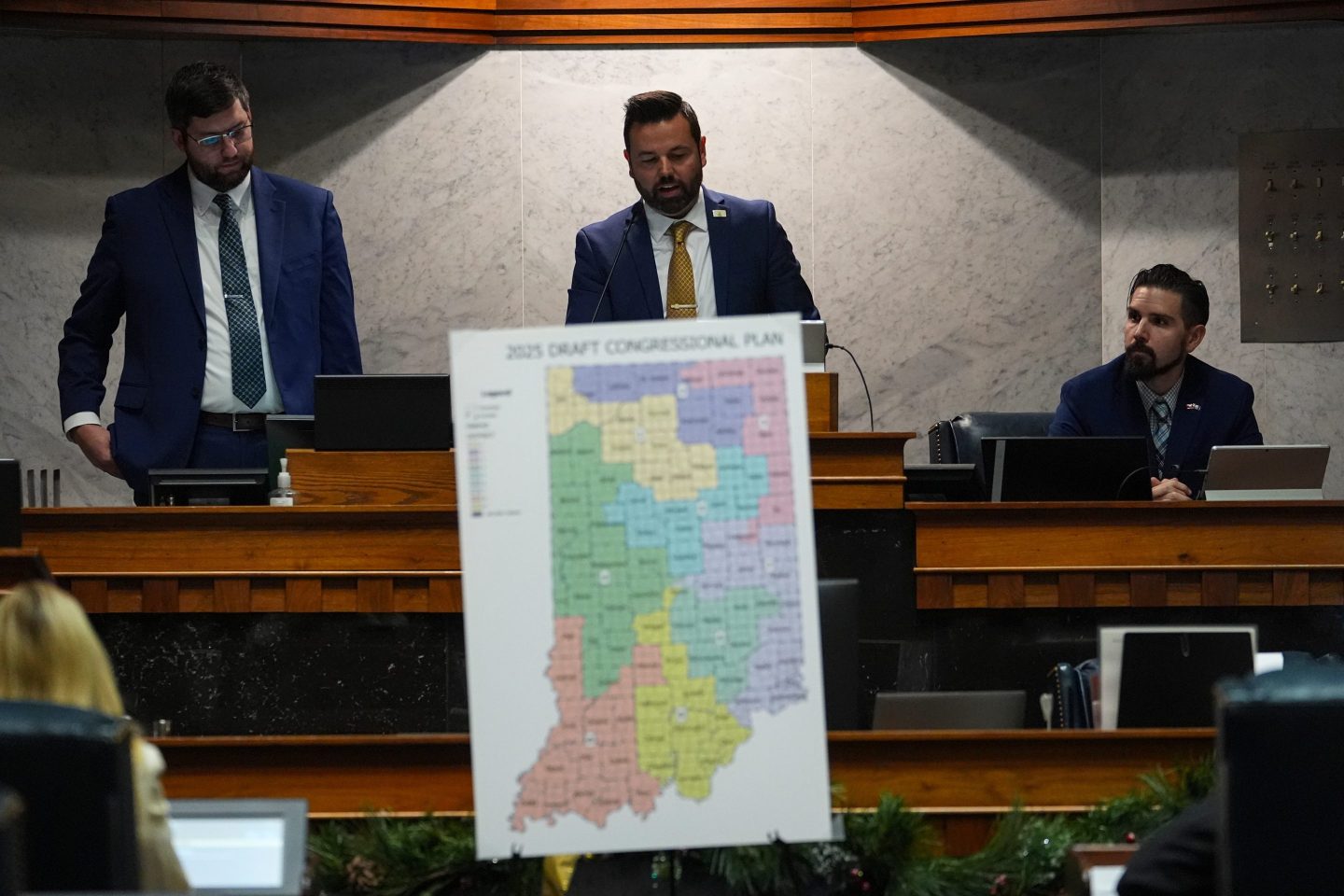
Trump couldn’t insult his way to victory in Indiana redistricting battle. ‘Folks in our state don’t react well to being bullied’
By Thomas Beaumont, Isabella Volmert and The Associated PressDecember 13, 2025
3 hours ago

Most Popular

placeholder alt text
Economy
Tariffs are taxes and they were used to finance the federal government until the 1913 income tax. A top economist breaks it down
By Kent JonesDecember 12, 2025
1 day ago
placeholder alt text
Success
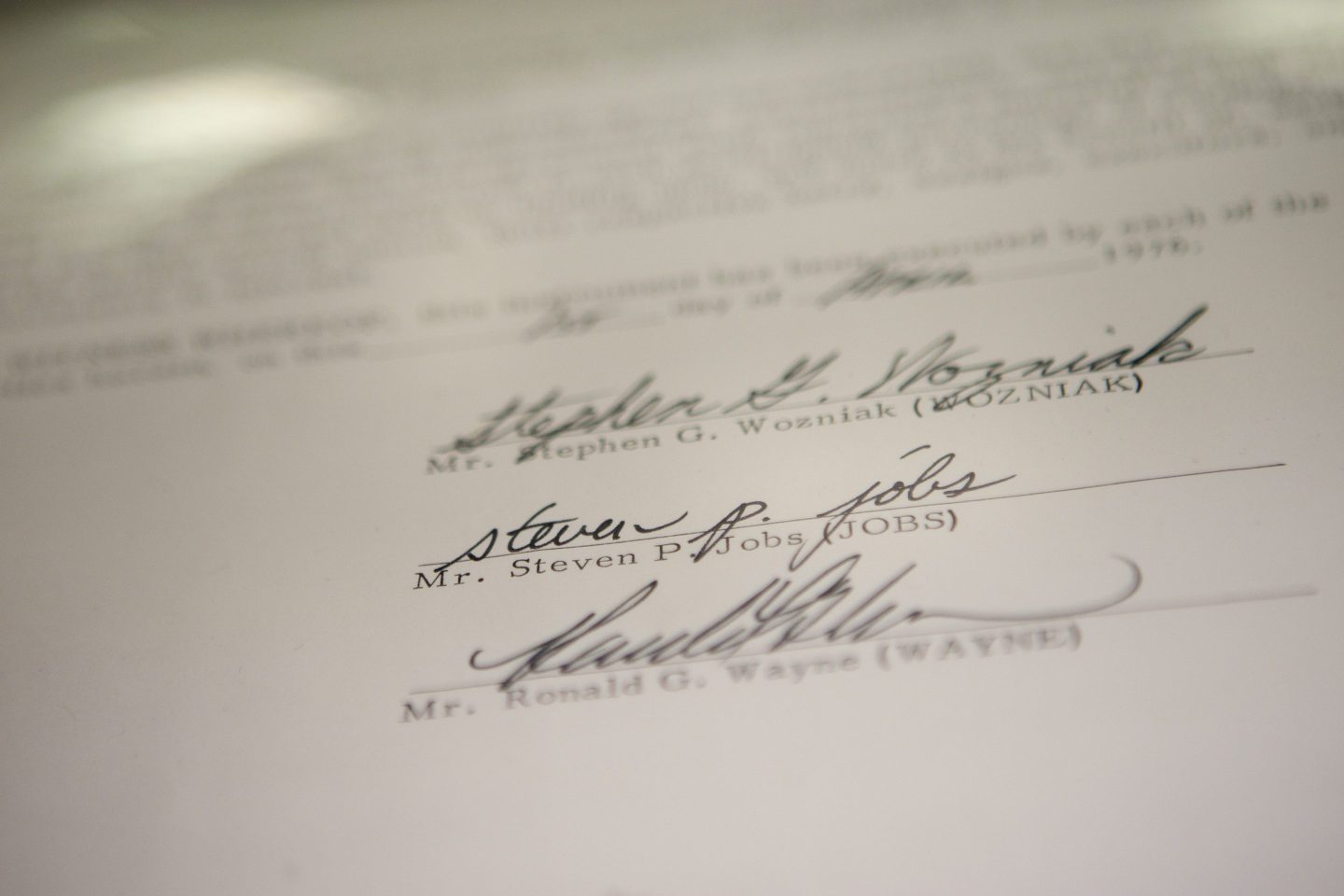
Apple cofounder Ronald Wayne sold his 10% stake for $800 in 1976—today it’d be worth up to $400 billion
By Preston ForeDecember 12, 2025
1 day ago
placeholder alt text
Success
40% of Stanford undergrads receive disability accommodations—but it’s become a college-wide phenomenon as Gen Z try to succeed in the current climate
By Preston ForeDecember 12, 2025
1 day ago
placeholder alt text
Economy
The Fed just ‘Trump-proofed’ itself with a unanimous move to preempt a potential leadership shake-up
By Jason MaDecember 12, 2025
21 hours ago
placeholder alt text
Economy
For the first time since Trump’s tariff rollout, import tax revenue has fallen, threatening his lofty plans to slash the $38 trillion national debt
By Sasha RogelbergDecember 12, 2025
23 hours ago
placeholder alt text
Success
At 18, doctors gave him three hours to live. He played video games from his hospital bed—and now, he’s built a $10 million-a-year video game studio
By Preston ForeDecember 10, 2025
3 days ago
Rankings
  • 100 Best Companies
  • Fortune 500
  • Global 500
  • Fortune 500 Europe
  • Most Powerful Women
  • Future 50
  • World’s Most Admired Companies
  • See All Rankings
Sections
  • Finance
  • Leadership
  • Success
  • Tech
  • Asia
  • Europe
  • Environment
  • Fortune Crypto
  • Health
  • Retail
  • Lifestyle
  • Politics
  • Newsletters
  • Magazine
  • Features
  • Commentary
  • Mpw
  • CEO Initiative
  • Conferences
  • Personal Finance
  • Education
Customer Support
  • Frequently Asked Questions
  • Customer Service Portal
  • Privacy Policy
  • Terms Of Use
  • Single Issues For Purchase
  • International Print
Commercial Services
  • Advertising
  • Fortune Brand Studio
  • Fortune Analytics
  • Fortune Conferences
  • Business Development
About Us
  • About Us
  • Editorial Calendar
  • Press Center
  • Work At Fortune
  • Diversity And Inclusion
  • Terms And Conditions
  • Site Map

© 2025 Fortune Media IP Limited. All Rights Reserved. Use of this site constitutes acceptance of our Terms of Use and Privacy Policy | CA Notice at Collection and Privacy Notice | Do Not Sell/Share My Personal Information
FORTUNE is a trademark of Fortune Media IP Limited, registered in the U.S. and other countries. FORTUNE may receive compensation for some links to products and services on this website. Offers may be subject to change without notice.