FORTUNE – It was a quintessential October day in upstate New York. By the banks of the Hudson River, a torrential downpour drenched the fall foliage, obscuring otherwise glorious shades of amber and gold, and forming pools of bubbling mud by the road sides.
My boots soaked, I trudged from the local Quality Inn off the main (and only) thoroughfare of Hyde Park, crossed the street, and headed down the quarter of a mile path to the Franklin D. Roosevelt Library. There was an irony to my mission. I was halfway through investigating presidential archives around the country for my forthcoming book, All the Presidents’ Bankers, but my trip to the Roosevelt Library was as much an exploration of my own childhood as it was of the man who shaped so much of the country’s trajectory. I grew up in Poughkeepsie, near the railroad station whose trains had whisked elite families like the Roosevelt’s, Vanderbilt’s and Rockefeller’s between New York City and their country manors.
MORE: Gold vs. bitcoin: An apocalyptic showdown
As a kid touring Roosevelt’s home, I just thought he was a rich man who became president. After more than a decade of working in international finance, I came to realize that his views on banking reform were more liberal than his grand abode on the Hudson river banks would have suggested. As an author, I wrote books about FDR’s signature financial legislation, the Glass-Steagall Act, from the perspective of his populist stance, describing how he saved the American people from a Great Depression incurred by a collection of rapacious, criminal bankers who played the markets, made their money, and hung ordinary citizens out to dry (FDR was the crusader that beat the banks; he was famously called a ‘traitor to his class’). There’s more to the story; as it turns out, some of the most powerful bankers at the time, with close connections to FDR, were behind the landmark act.
History says a lot about what we see today. In the wake of the most recent financial crisis, we have had no such patriotic or populist alignment, not from presidents Bush or Obama, nor from bank leaders who routinely converse directly with them. Rather than creating anything as stabilizing as the Glass-Steagall Act, or being a world leader in addressing and restricting unnecessary systemic risk, our political-financial complex has promoted an unprecedented, anti-free market, bank-assistance program. Scores of lawyers and lobbyists with marching orders from Big Six bank chairmen rendered the most recent attempt at banking reform, the Dodd-Frank Act, all but useless. JPM Chase (JPM) chairman Jamie Dimon publicly denounced reform, in stark contrast to his predecessor Winthrop Aldrich, who wisely saw it as a way to solidify the country, the currency, and its bankers. Aldrich’s brand of national support has been replaced by mulish irresponsibility, lack of culpability and blatant disregard for patriotism.
MORE: Sometimes Uncle Sam can actually get it right
There’s a fascinating through line that runs from the Big Six banks of today back through those of the 1929 Crash and the Great Depression, all the way back to the Panic of 1907. Today’s Big Six banks, those that hold more than 40% of our nation’s deposits and control 95% of its derivatives trades, are largely derivations themselves, legacy combinations of the a few firms and the same families or friends that ran them.
[That day in Hyde Park, the FDR library archivist inadvertently bequeathed me my book’s title. When I explained that I was there to examine the stories behind the presidents’ key bankers and how their relationships impacted history, her face lit up and she said, “All the Presidents’ Bankers. Yes, I immediately understand it.”]
With that, I dug in, determined to better understand FDR’s true character. And I found what I sought. From the correspondence between FDR and two of his friends, bankers James Perkins, chairman of National City Bank (now Citigroup) and Winthrop Aldrich, chairman of Chase (now JP Morgan Chase), I began to understand how FDR became known as a bank reformer and that it wasn’t really the will of the population that pressed FDR to reform banking as he did; it was the will of these men. They had more in common with FDR – from status to money to yachts – than any of them had in common with farmers, or shopkeepers, or factory workers.
MORE: Western Union CEO: What digital currencies are missing
More than any other Washington insider or progressive, it was Wall Street financier Winthrop Aldrich who helped FDR reform banking. Blue-blooded, Republican, and pedigreed, Winthrop’s father Senator Nelson Aldrich had organized the select group of bankers that drafted the first Federal Reserve Bill at Jekyll Island in 1910. His nephew, Nelson Rockefeller, would become New York Governor and Vice President of the US, while his other nephew, David Rockefeller, would become a future chairman of Chase. I discovered that it was Aldrich who pressed for a more rigid set of regulations than even the banking-reform bill’s sponsor, Carter Glass, envisioned. In premonitions of ‘too-big-to-fail,’ Aldrich condemned establishment of the Federal Deposit Insurance Corporation on the basis that government deposit support might inadvertently foster recklessness at less prudent banks.
To be sure, Aldrich’s reasons for pushing bank separation contained self-serving elements, but they were also logical and patriotic. He and Perkins publicly announced the split of the trading and commercial sides of their formidable banks days after FDR took office, and months before the Glass-Steagall Act that made the split the law of the land was ratified. Aldrich secured the front page of The New York Times to make his case for bank reform. Perkins traveled to the White House to secretly meet with FDR to jointly strategize ways to augment FDR’s popularity with an anti-banker nation by showing stability could stem from their joint efforts, in the thick of the Great Depression.
MORE: An aging population won’t make America poor
In the process, Aldrich and Perkins saw a way for their banks to overtake a chief competitor, the immensely influential Morgan Bank (whose leaders were also friends of FDR), by robbing them of their ability to both underwrite securities and take deposits. But Aldrich also saw that the Great Depression and bank runs were detrimental to America as a whole. He recognized that broad economic solidity was critical to manifesting a strong country. On this, he and FDR agreed.
FDR expressed his private gratitude to his banker allies for their pre-emptive support in casting off their banks’ trading arms. As he wrote Aldrich, “I want you to know that I appreciate your action in regard the affiliate. What you and Jim Perkins have done will make for a better feeling in every direction.” To that, Aldrich replied, “I find myself lost in admiration of the courage and wisdom you have shown in dealing with the problems created by the immediate banking crisis.” What a difference 80 years makes.
Current ties between bankers and presidents support only the bankers at the expense of the population. We can do better than this. We have. Past political and financial leaders have worked together. To disrespect and shun such history is to fall prey to its more heinous fallout in the future.
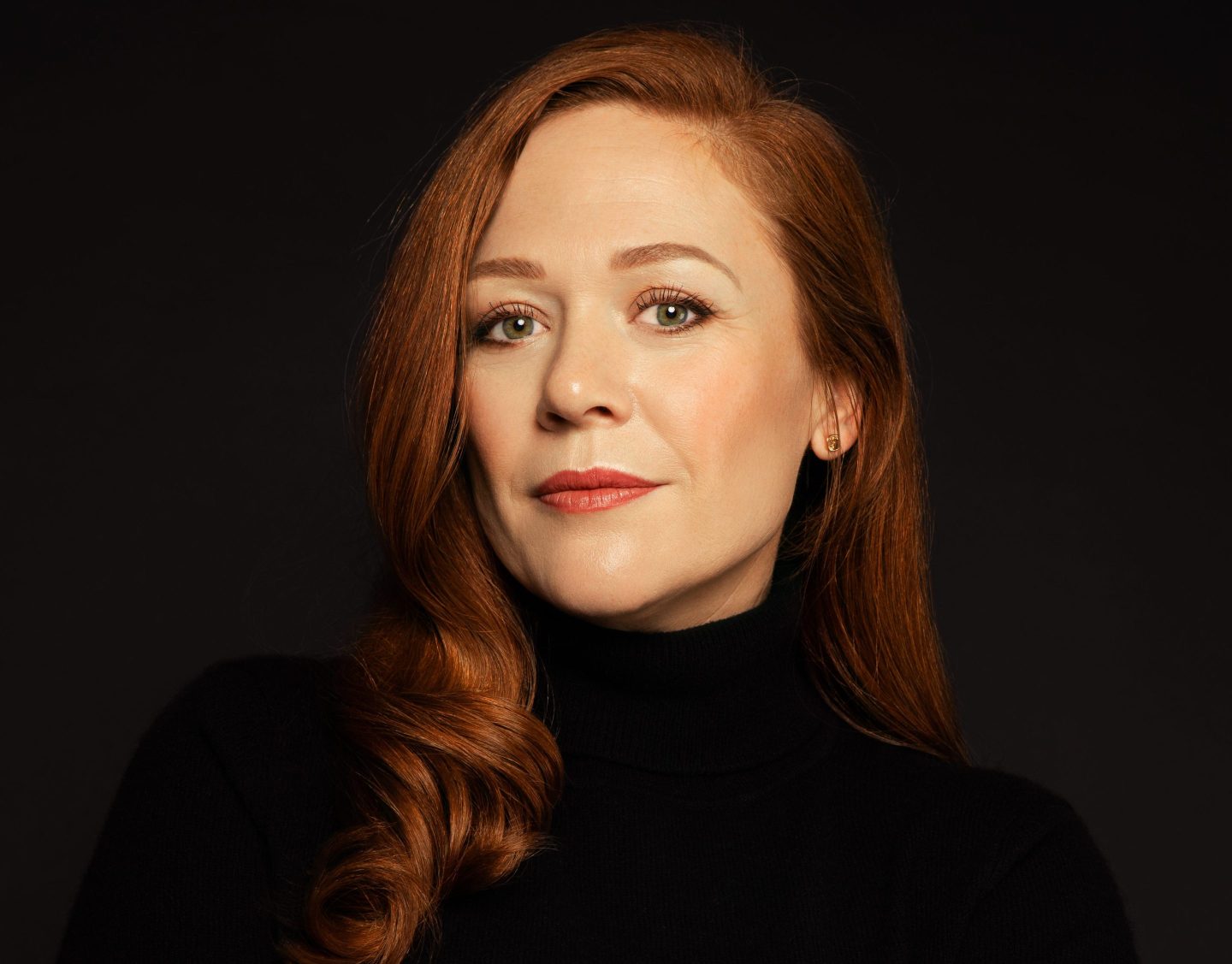
Nomi Prins is author of the forthcoming book, All The Presidents’ Bankers: The Hidden Alliances That Drive American Power, which is scheduled to be released on April 8. She is currently a senior fellow at Demos, a New York City-based public policy think tank, and previously worked as a managing director at Goldman Sachs and as a senior managing director at Bear Stearns.