• Home
  • Latest
  • Fortune 500
  • Finance
  • Tech
  • Leadership
  • Lifestyle
  • Rankings
  • Multimedia
Commentaryfarming

When the shocks keep coming, farmer cooperatives are the only buffer that works

By
Shobha Shetty
Shobha Shetty
Down Arrow Button Icon
By
Shobha Shetty
Shobha Shetty
Down Arrow Button Icon
April 16, 2026, 5:00 AM ET
shetty
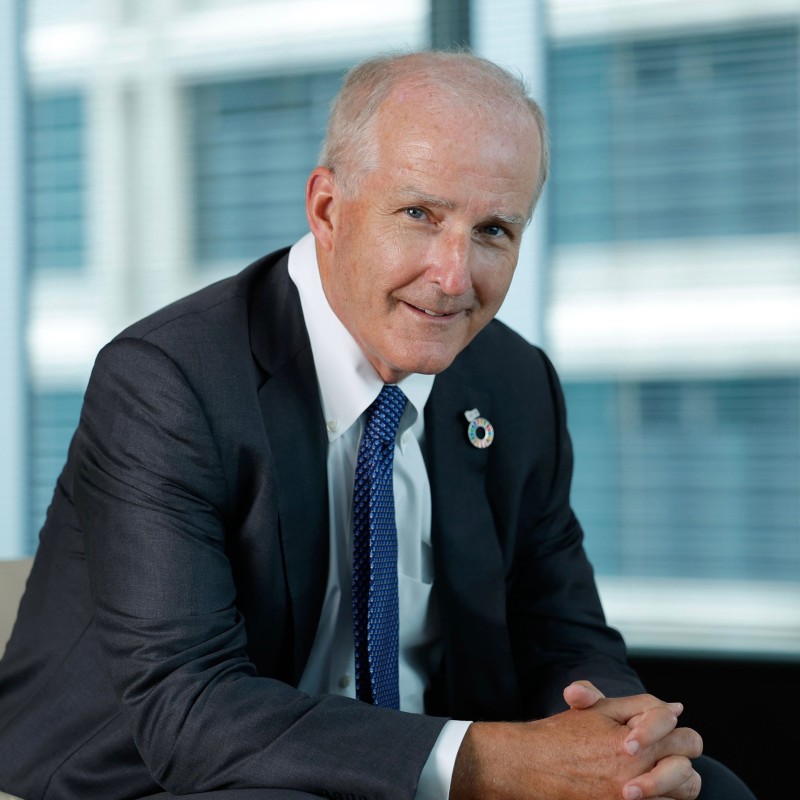
Shobha Shetty is Program Head, Global Agriculture and Food Security Program.courtesy of Global Agriculture and Food Security Program

The shocks keep coming. The question is whether we help smallholder farmers face them together — or leave them to face them alone.

Recommended Video

Right now, that question is urgent. Renewed conflict across the Middle East has disrupted shipping through the Strait of Hormuz — a chokepoint through which roughly a third of the world’s seaborne fertilizer passes. Urea prices have jumped sharply. Ammonia is at a three-year high. And somewhere in Kyrgyzstan, Bangladesh, or Benin, a smallholder farmer is doing the math on whether she can afford to plant this season.

For wealthy, large-scale producers, these shocks are painful. For smallholder farmers in low-income countries, they can be catastrophic. Unlike commercial producers, smallholders typically buy inputs at retail prices and operate on margins so thin that even a modest price rise can wipe out an entire season’s income.

This is not a new story

When Russia invaded Ukraine in 2022, disruption to Black Sea commodity exports pushed an estimated 349 million people deeper into food insecurity. Before that, the COVID-19 pandemic fractured supply chains and decimated rural livelihoods. And before that, the 2007–08 food price crisis raised agricultural commodity prices by over 100%, plunging 150 million people into extreme poverty — and prompting the creation of the Global Agriculture and Food Security Program (GAFSP).

Each of these crises confirmed something that agricultural development practitioners have long observed on the ground: smallholder farmers operating alone are deeply exposed, whereas those embedded in strong producer organizations are fundamentally more resilient.

The logic is simple — the difference is institutional

An individual smallholder facing a 50% rise in fertilizer costs has almost no recourse. She cannot negotiate with a supplier, bulk purchase, or draw on an institutional credit line. Her options are to use less fertilizer — accepting lower yields — or take on debt. Either way, she pays a heavy price.

A farmer embedded in a well-functioning producer organization faces the same price spike, but with meaningfully different options. The organization can pool demand to negotiate collectively, stockpile resources, and access credit on behalf of its members.

This is the difference between a shock that is weathered and one that forces a family off the land entirely.

The evidence is not theoretical

In Kyrgyzstan’s remote Batken region — the country’s poorest — the agricultural cooperative Mol-Tushum was on the brink of collapse following the economic disruptions of COVID-19. With GAFSP support, the cooperative procured and distributed over 300 tons of mineral fertilizer to its members, who saw yields rise by 30% to 40%.

Crucially, the impact went beyond inputs. Farmers who had lost faith in collective action began to re-engage. The cooperative used that rebuilt trust to introduce improved seeds, establish organic composting, and develop greenhouse infrastructure with drip irrigation. What began as crisis response became the foundation for long-term resilience.

This is a model that works at scale. GAFSP has approved $38.75 million in new grants supporting 16 producer organization-led projects across 27 low-income countries — from West Africa to South Asia to the Americas — expected to directly benefit 175,000 smallholder farmers. From cooperatives strengthening women’s land tenure in Benin to climate-smart agriculture networks in Sri Lanka, each project is different, but the underlying logic is the same: build the institutions that connect farmers to credit, markets, and the financial tools they need to trade their way through volatility, rather than be crushed by it.

The window to act is narrowing

The current situation in the Middle East may not resolve quickly. Fertilizer prices could stay elevated for months, rippling through harvests, food prices, and household food security well into the year. The immediate impact on the global North may be limited — many farmers will have already made input purchases for spring planting. But a prolonged conflict could affect planting decisions and yields in the Southern Hemisphere, and fertilizer applications for rice across South and Southeast Asia.

This matters especially as aid budgets decline across across major donor countries. Policymakers and international donors who want to respond effectively should resist the temptation to reach only for short-term, externally administered relief. Emergency humanitarian response remains essential — but this moment also demands a longer-term commitment to the institutional infrastructure that allows smallholders to grow, thrive, and absorb the next shock.

World Bank platforms like GAFSP and AgriConnect are doing precisely that — transforming smallholder agriculture by de-risking investments, bridging infrastructure gaps, and connecting producers to markets in ways that unlock private capital at scale. As donors gather in Washington for the Spring Meetings this week, scaling up this kind of investment is one of the most effective responses available.

Producer organizations are cost-effective, demand-driven, and self-reinforcing. Investment in their capacity generates returns that compound over time. We know what works. The evidence spans crises and continents. The infrastructure exists.

The shocks will keep coming. The only question left is whether we fund the institutions that let farmers face them together — before the next one arrives.

The opinions expressed in Fortune.com commentary pieces are solely the views of their authors and do not necessarily reflect the opinions and beliefs of Fortune.

Join us at the Fortune Workplace Innovation Summit May 19–20, 2026, in Atlanta. The next era of workplace innovation is here—and the old playbook is being rewritten. At this exclusive, high-energy event, the world’s most innovative leaders will convene to explore how AI, humanity, and strategy converge to redefine, again, the future of work. Register now.
About the Author
By Shobha Shetty
See full bioRight Arrow Button Icon

Latest in Commentary

Finance
Lorem ipsum dolor sit amet, consectetur adipiscing elit, sed do eiusmod tempor incididunt ut labore et dolore magna aliqua. Ut enim ad minim veniam
By Fortune Editors
October 20, 2025
Finance
Lorem ipsum dolor sit amet, consectetur adipiscing elit, sed do eiusmod tempor incididunt ut labore et dolore magna aliqua. Ut enim ad minim veniam
By Fortune Editors
October 20, 2025
Finance
Lorem ipsum dolor sit amet, consectetur adipiscing elit, sed do eiusmod tempor incididunt ut labore et dolore magna aliqua. Ut enim ad minim veniam
By Fortune Editors
October 20, 2025
Finance
Lorem ipsum dolor sit amet, consectetur adipiscing elit, sed do eiusmod tempor incididunt ut labore et dolore magna aliqua. Ut enim ad minim veniam
By Fortune Editors
October 20, 2025
Finance
Lorem ipsum dolor sit amet, consectetur adipiscing elit, sed do eiusmod tempor incididunt ut labore et dolore magna aliqua. Ut enim ad minim veniam
By Fortune Editors
October 20, 2025
Finance
Lorem ipsum dolor sit amet, consectetur adipiscing elit, sed do eiusmod tempor incididunt ut labore et dolore magna aliqua. Ut enim ad minim veniam
By Fortune Editors
October 20, 2025

Most Popular

Finance
Lorem ipsum dolor sit amet, consectetur adipiscing elit, sed do eiusmod tempor incididunt ut labore et dolore magna aliqua. Ut enim ad minim veniam
By Fortune Editors
October 20, 2025
Finance
Lorem ipsum dolor sit amet, consectetur adipiscing elit, sed do eiusmod tempor incididunt ut labore et dolore magna aliqua. Ut enim ad minim veniam
By Fortune Editors
October 20, 2025
Finance
Lorem ipsum dolor sit amet, consectetur adipiscing elit, sed do eiusmod tempor incididunt ut labore et dolore magna aliqua. Ut enim ad minim veniam
By Fortune Editors
October 20, 2025
Finance
Lorem ipsum dolor sit amet, consectetur adipiscing elit, sed do eiusmod tempor incididunt ut labore et dolore magna aliqua. Ut enim ad minim veniam
By Fortune Editors
October 20, 2025
Finance
Lorem ipsum dolor sit amet, consectetur adipiscing elit, sed do eiusmod tempor incididunt ut labore et dolore magna aliqua. Ut enim ad minim veniam
By Fortune Editors
October 20, 2025
Finance
Lorem ipsum dolor sit amet, consectetur adipiscing elit, sed do eiusmod tempor incididunt ut labore et dolore magna aliqua. Ut enim ad minim veniam
By Fortune Editors
October 20, 2025
Fortune Secondary Logo
Rankings
  • 100 Best Companies
  • Fortune 500
  • Global 500
  • Fortune 500 Europe
  • Most Powerful Women
  • World's Most Admired Companies
  • See All Rankings
  • Lists Calendar
Sections
  • Finance
  • Fortune Crypto
  • Features
  • Leadership
  • Health
  • Commentary
  • Success
  • Retail
  • Mpw
  • Tech
  • Lifestyle
  • CEO Initiative
  • Asia
  • Politics
  • Conferences
  • Europe
  • Newsletters
  • Personal Finance
  • Environment
  • Magazine
  • Education
Customer Support
  • Frequently Asked Questions
  • Customer Service Portal
  • Privacy Policy
  • Terms Of Use
  • Single Issues For Purchase
  • International Print
Commercial Services
  • Advertising
  • Fortune Brand Studio
  • Fortune Analytics
  • Fortune Conferences
  • Business Development
  • Group Subscriptions
About Us
  • About Us
  • Press Center
  • Work At Fortune
  • Terms And Conditions
  • Site Map
  • About Us
  • Press Center
  • Work At Fortune
  • Terms And Conditions
  • Site Map
  • Facebook icon
  • Twitter icon
  • LinkedIn icon
  • Instagram icon
  • Pinterest icon
Shobha Shetty is Head of the Global Agriculture and Food Security Program (GAFSP) at the World Bank.
Prior to assuming her current position, Shobha Shetty served as Agriculture and Food Practice Manager in the Africa region as well as South Asia. She also served as Practice Manager for Global Partnerships and Resource Mobilization in the Social, Urban, Rural, Resilience Global Practice. 
Prior to this, Ms. Shetty has worked in the East Asia & Pacific and Middle East and North Africa regions. In 2015, she was a Visiting Fellow at the Tata-Cornell Agriculture and Nutrition Initiative (TCi) at Cornell University. She has also been a Visiting Fellow at the International Water Management Institute.

Latest in Commentary

theo
CommentaryManufacturing
The hidden bottleneck holding back American manufacturing isn’t machines — it’s knowledge
By Theo SavilleMay 6, 2026
2 hours ago
kapoor
Commentaryquarterly results
Morningstar CEO: I agree with the SEC on ending quarterly reporting—with conditions
By Kunal KapoorMay 5, 2026
19 hours ago
crane
Commentaryclean energy
Clean energy’s winning argument is the one it refuses to make
By David CraneMay 5, 2026
22 hours ago
alain
CommentaryIran
I watched my father run his business through the Lebanese Civil War. Here’s what it taught me about leading through disruption.
By Alain BejjaniMay 5, 2026
1 day ago
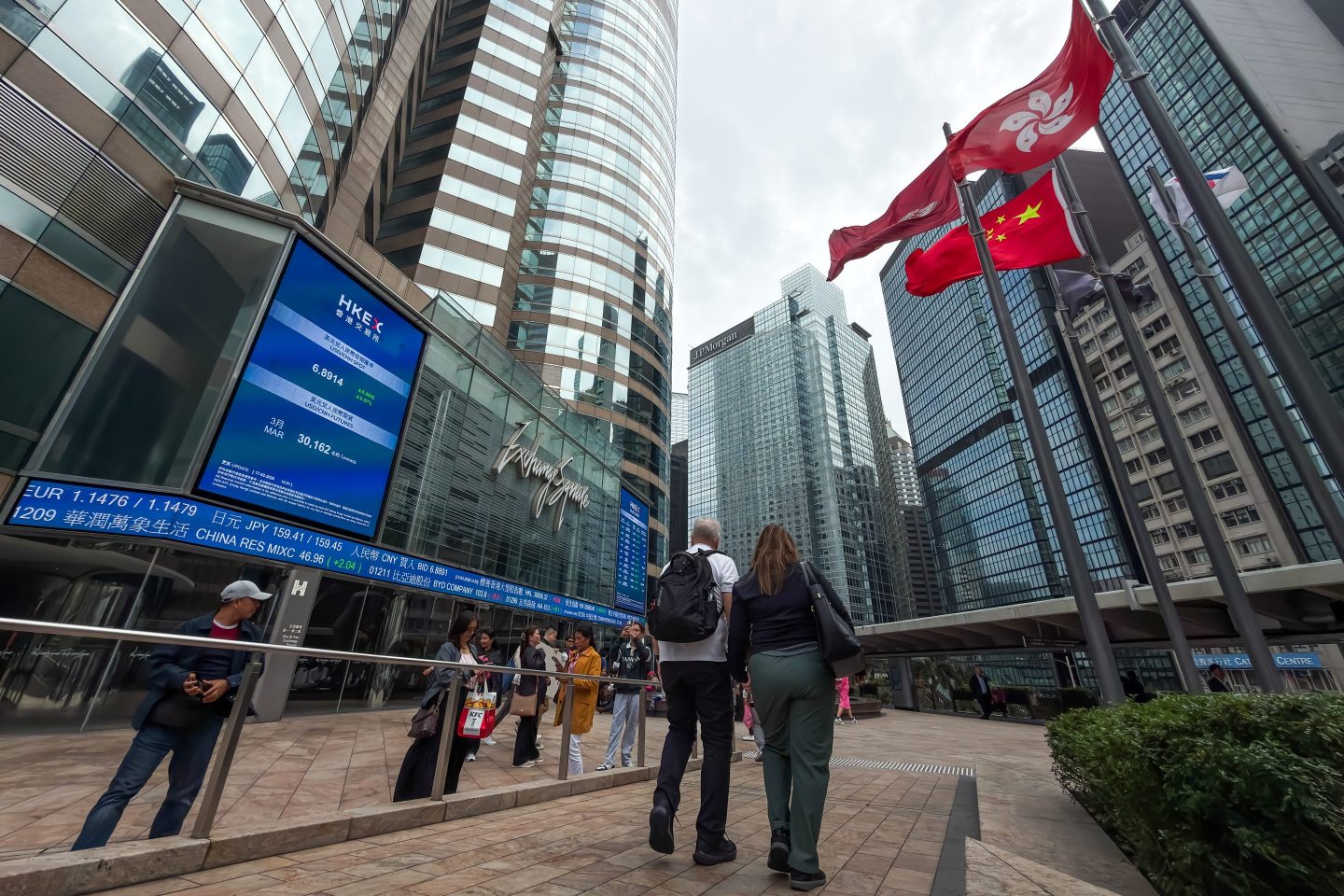
Hong Kong is the hub for China’s AI IPOs. It can be so much more than that
CommentaryHong Kong
Hong Kong is the hub for China’s AI IPOs. It can be so much more than that
By Brian Wong and Tony ChanMay 3, 2026
3 days ago
jason corso
Commentarydisruption
AI models are choking on junk data
By Jason Corso and David CowanMay 3, 2026
3 days ago

Most Popular

Clean energy's winning argument is the one it refuses to make
Commentary
Clean energy's winning argument is the one it refuses to make
By David CraneMay 5, 2026
22 hours ago
Current price of oil as of May 5, 2026
Personal Finance
Current price of oil as of May 5, 2026
By Joseph HostetlerMay 5, 2026
21 hours ago
Gen Z workers say showing up 10 minutes late to work is as good as on time—but baby boomer bosses have zero tolerance for tardiness, research reveals
Success
Gen Z workers say showing up 10 minutes late to work is as good as on time—but baby boomer bosses have zero tolerance for tardiness, research reveals
By Orianna Rosa RoyleMay 5, 2026
20 hours ago
Diary of a CEO founder says he hired someone with 'zero' work experience because she 'thanked the security guard by name' before the interview
Success
Diary of a CEO founder says he hired someone with 'zero' work experience because she 'thanked the security guard by name' before the interview
By Emma BurleighMay 3, 2026
3 days ago
Current price of silver as of Tuesday, May 5, 2026
Personal Finance
Current price of silver as of Tuesday, May 5, 2026
By Joseph HostetlerMay 5, 2026
21 hours ago
Coinbase didn't just lay off 14% of its staff due to AI. It replaced managers with ‘player-coaches’ and turned its org chart upside down
Crypto
Coinbase didn't just lay off 14% of its staff due to AI. It replaced managers with ‘player-coaches’ and turned its org chart upside down
By Marco Quiroz-GutierrezMay 5, 2026
17 hours ago

© 2026 Fortune Media IP Limited. All Rights Reserved. Use of this site constitutes acceptance of our Terms of Use and Privacy Policy | CA Notice at Collection and Privacy Notice | Do Not Sell/Share My Personal Information
FORTUNE is a trademark of Fortune Media IP Limited, registered in the U.S. and other countries. FORTUNE may receive compensation for some links to products and services on this website. Offers may be subject to change without notice.