• Home
  • Latest
  • Fortune 500
  • Finance
  • Tech
  • Leadership
  • Lifestyle
  • Rankings
  • Multimedia
Commentaryfossil fuels

Justin Trudeau’s Pipeline Purchase Isn’t Just Hypocritical, It’s Bad Economics

By
Richard Denniss
Richard Denniss
and
Fergus Green
Fergus Green
Down Arrow Button Icon
By
Richard Denniss
Richard Denniss
and
Fergus Green
Fergus Green
Down Arrow Button Icon
June 30, 2018, 10:00 AM ET

The Canadian government’s decision to buy the Trans Mountain Pipeline and expansion project for 4.5 billion Canadian dollars has left many wondering: What is Prime Minister Justin Trudeau thinking?

All around the world, decisions to drill new oil wells; frack for gas; mine new coal; and build pipelines, ports, and fossil-fueled power stations are attracting determined opposition from scores of ordinary citizens.

People are mobilizing to protect local land, water, and air from pollutants and demand good governance in the face of opaque processes and corrupt corporate-government deals. They are increasingly invoking an emerging principle that connects these projects to climate change: In a world facing catastrophic global warming, new fossil fuel projects are morally wrong. To this moral message is added a prudential one: As the transition away from fossil fuels gathers pace, new fossil fuel projects become economically risky propositions.

The Trans Mountain expansion project typifies all of these concerns. It has attracted vociferous opposition from a broad coalition in Canada, the U.S., and beyond. To the project’s proponent, Texan multinational Kinder Morgan, the multiplicity of concerns and the groups voicing them represent risks to the project’s profitability. So crippling were these risks that Kinder Morgan refused to proceed with the project unless it could offload them onto third parties.

Enter Trudeau.

The Trudeau government thinks it can manage these project risks and turn a profit, or at least break even, from the expanded pipeline. If the Canadian government profits, it will be at the expense of trampling on First Nations’ land rights and exposing communities to oil spills. (The recent Kinder Morgan spill in British Columbia was 48 times larger than first reported.) Even if the government successfully finds a buyer for the pipeline, it will more than likely need to sell it at a steep discount, leaving Canadian taxpayers on the hook.

Furthermore, profiting from this pipeline would mean the world has failed to carry out the clean energy transition within the timeframe set by the Paris climate agreement.

The expanded pipeline is intended to carry oil from new tar sands projects, which is estimated to have a break-even price at around US$60 a barrel. Yet achieving the Paris agreement goals requires global oil demand to peak very soon and rapidly decline, which would lead to a falling oil price. As a 2015 paper published in Nature concluded, “any increase in unconventional oil production,” including from Canada’s tar sands, “is incommensurate with efforts to limit average global warming to 2 degrees Celsius.”

If any or all of these valid concerns cause the Trans Mountain project to fail, then Canadian taxpayers will be on the hook for the commercial liabilities of a dud investment. It’s lose-lose for Canadians.

The Trudeau government’s pipeline purchase is strikingly at odds with its own domestic climate policy. The government has embraced demand-side measures that seek to reduce the burning of fossil fuels within Canada, with plans for a national carbon price and to phase out coal-fired power stations. But demand-side measures are insufficient without efforts to tackle the production of fossil fuels. As with efforts to control tobacco, lead in petrol, asbestos, ozone-depleting gases, and a host of other toxic products, successful strategies involve “cutting with both arms of the scissors”: demand and supply. But worse than neglecting the supply-side arm, Trudeau’s support of tar sands development will grow the very stock of carbon dioxide in the atmosphere that its demand-side policies are supposed to cut.

Far from investing in oil pipelines, Canada should at minimum join other leading countries—such as France, New Zealand, Ireland, Belize, and Costa Rica—to ban new fossil fuel supply projects. As well as preventing new sources of emissions growth, the symbolic power of such bans helps build global anti-fossil fuel norms. These norms help increase the reputational cost to politicians who support fossil fuel expansion—just like bans on nuclear testing helped relegate that practice to the status of “rogue state” activity.

Trudeau cannot deny the power of leadership by example on fossil fuel supply. Canada and the United Kingdom co-founded the Powering Past Coal Alliance, whose members commit to encouraging peers to abandon coal production.

In truth, the world needs to power past all fossil fuels. Canada’s pipeline purchase is part of the problem and makes this crucial task more difficult.

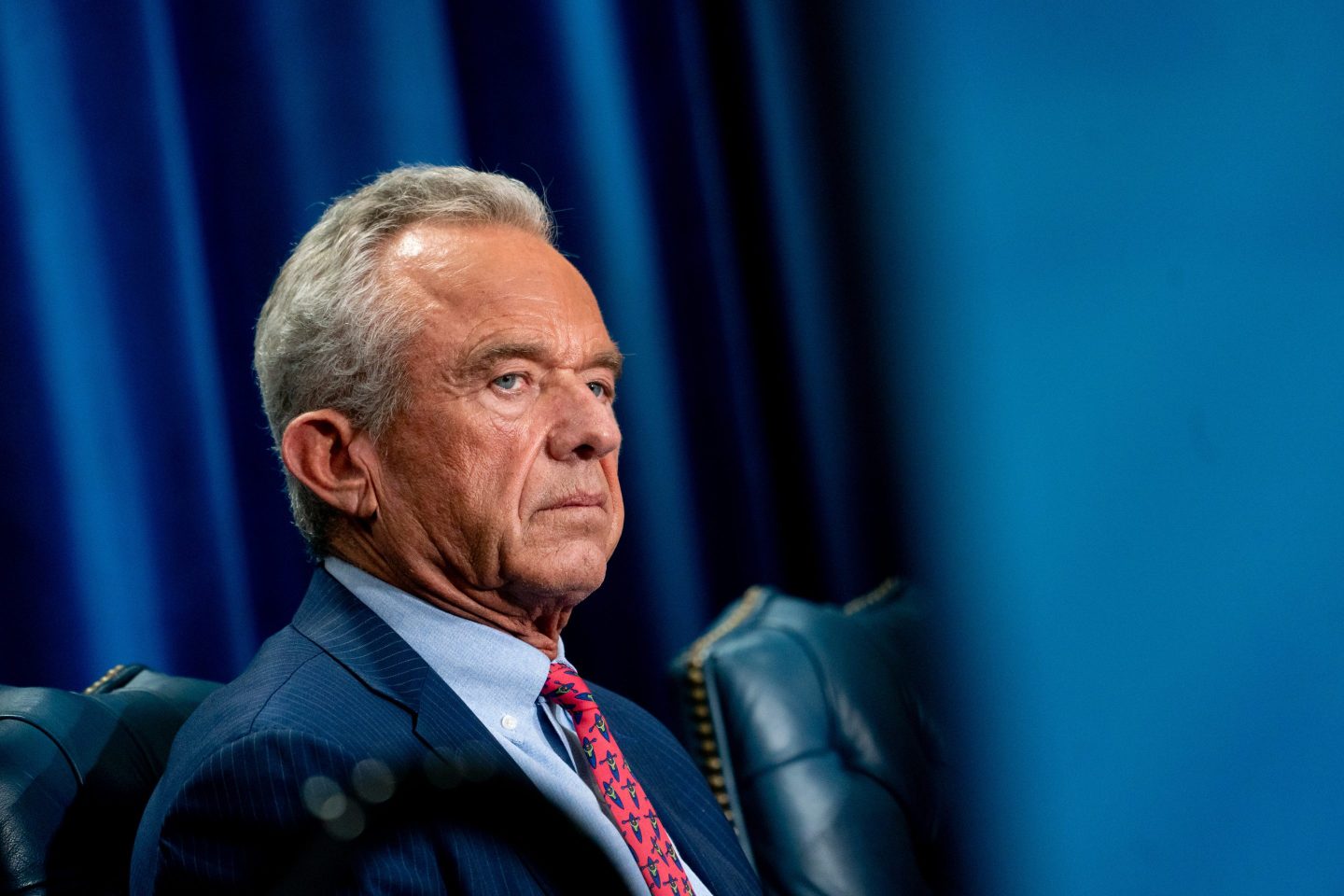
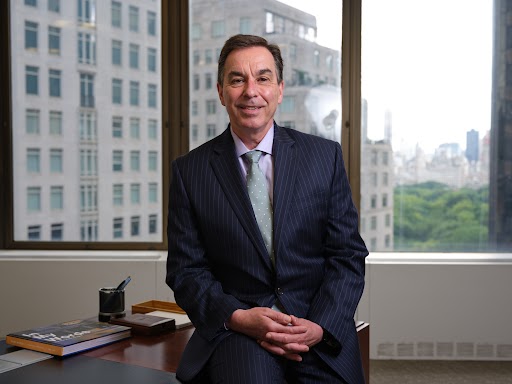
Richard Denniss is the chief economist at the Australia Institute. Fergus Green is a researcher at the London School of Economics and Political Science. They co-authored “Cutting With Both Arms of the Scissors: the Economic and Political Case for Restrictive Supply-Side Climate Policies,” published in the academic journal Climatic Change.
About the Authors
By Richard Denniss
See full bioRight Arrow Button Icon
By Fergus Green
See full bioRight Arrow Button Icon

Latest in Commentary

Finance
Lorem ipsum dolor sit amet, consectetur adipiscing elit, sed do eiusmod tempor incididunt ut labore et dolore magna aliqua. Ut enim ad minim veniam
By Fortune Editors
October 20, 2025
Finance
Lorem ipsum dolor sit amet, consectetur adipiscing elit, sed do eiusmod tempor incididunt ut labore et dolore magna aliqua. Ut enim ad minim veniam
By Fortune Editors
October 20, 2025
Finance
Lorem ipsum dolor sit amet, consectetur adipiscing elit, sed do eiusmod tempor incididunt ut labore et dolore magna aliqua. Ut enim ad minim veniam
By Fortune Editors
October 20, 2025
Finance
Lorem ipsum dolor sit amet, consectetur adipiscing elit, sed do eiusmod tempor incididunt ut labore et dolore magna aliqua. Ut enim ad minim veniam
By Fortune Editors
October 20, 2025
Finance
Lorem ipsum dolor sit amet, consectetur adipiscing elit, sed do eiusmod tempor incididunt ut labore et dolore magna aliqua. Ut enim ad minim veniam
By Fortune Editors
October 20, 2025
Finance
Lorem ipsum dolor sit amet, consectetur adipiscing elit, sed do eiusmod tempor incididunt ut labore et dolore magna aliqua. Ut enim ad minim veniam
By Fortune Editors
October 20, 2025

Most Popular

Finance
Lorem ipsum dolor sit amet, consectetur adipiscing elit, sed do eiusmod tempor incididunt ut labore et dolore magna aliqua. Ut enim ad minim veniam
By Fortune Editors
October 20, 2025
Finance
Lorem ipsum dolor sit amet, consectetur adipiscing elit, sed do eiusmod tempor incididunt ut labore et dolore magna aliqua. Ut enim ad minim veniam
By Fortune Editors
October 20, 2025
Finance
Lorem ipsum dolor sit amet, consectetur adipiscing elit, sed do eiusmod tempor incididunt ut labore et dolore magna aliqua. Ut enim ad minim veniam
By Fortune Editors
October 20, 2025
Finance
Lorem ipsum dolor sit amet, consectetur adipiscing elit, sed do eiusmod tempor incididunt ut labore et dolore magna aliqua. Ut enim ad minim veniam
By Fortune Editors
October 20, 2025
Finance
Lorem ipsum dolor sit amet, consectetur adipiscing elit, sed do eiusmod tempor incididunt ut labore et dolore magna aliqua. Ut enim ad minim veniam
By Fortune Editors
October 20, 2025
Finance
Lorem ipsum dolor sit amet, consectetur adipiscing elit, sed do eiusmod tempor incididunt ut labore et dolore magna aliqua. Ut enim ad minim veniam
By Fortune Editors
October 20, 2025
Fortune Secondary Logo
Rankings
  • 100 Best Companies
  • Fortune 500
  • Global 500
  • Fortune 500 Europe
  • Most Powerful Women
  • Future 50
  • World’s Most Admired Companies
  • See All Rankings
Sections
  • Finance
  • Fortune Crypto
  • Features
  • Leadership
  • Health
  • Commentary
  • Success
  • Retail
  • Mpw
  • Tech
  • Lifestyle
  • CEO Initiative
  • Asia
  • Politics
  • Conferences
  • Europe
  • Newsletters
  • Personal Finance
  • Environment
  • Magazine
  • Education
Customer Support
  • Frequently Asked Questions
  • Customer Service Portal
  • Privacy Policy
  • Terms Of Use
  • Single Issues For Purchase
  • International Print
Commercial Services
  • Advertising
  • Fortune Brand Studio
  • Fortune Analytics
  • Fortune Conferences
  • Business Development
  • Group Subscriptions
About Us
  • About Us
  • Editorial Calendar
  • Press Center
  • Work At Fortune
  • Diversity And Inclusion
  • Terms And Conditions
  • Site Map
Fortune Secondary Logo
  • About Us
  • Editorial Calendar
  • Press Center
  • Work At Fortune
  • Diversity And Inclusion
  • Terms And Conditions
  • Site Map
  • Facebook icon
  • Twitter icon
  • LinkedIn icon
  • Instagram icon
  • Pinterest icon

Latest in Commentary

shlomo
CommentaryMarkets
Tech billionaire Shlomo Kramer: the cyber selloff proved that Wall Street can’t price tech anymore
By Shlomo KramerMarch 5, 2026
9 hours ago
dell
Commentaryactivist investing
Time on his side: Michael Dell the real business icon as Icahn the activist recedes from view
By Jeffrey Sonnenfeld and Steven TianMarch 5, 2026
12 hours ago
trump
CommentaryHousing
The housing paradox: why banning institutional investors could make affordability worse
By Sean DobsonMarch 5, 2026
16 hours ago
vradenburg
CommentaryBrain
Poor brain health costs the world economy $5 trillion a year. The world is waking up to the crisis
By George VradenburgMarch 5, 2026
18 hours ago
mossadegh
CommentaryMiddle East
One key difference on America and Iran, then and now: the CIA had a plan for what would happen in 1953
By Gregory F. Treverton and The ConversationMarch 4, 2026
1 day ago
altman
Commentarydisruption
Sam Altman, Jensen Huang and the other AI kingpins only have themselves to blame for the scare rippling through the economy right now
By Kevin ManeyMarch 4, 2026
2 days ago

Most Popular

placeholder alt text
Health
Palantir and other tech companies are stocking offices with nicotine products to increase worker productivity
By Catherina GioinoMarch 4, 2026
2 days ago
placeholder alt text
Success
Uber CEO says his ‘really demanding’ work culture includes expecting employees to answer his emails over the weekend: ‘Don’t come here if you want to coast’
By Emma BurleighMarch 4, 2026
1 day ago
placeholder alt text
Newsletters
The Iran war is giving rise to a centuries-old economic theory—and laying waste to the WTO-based world order
By Diane BradyMarch 5, 2026
16 hours ago
placeholder alt text
Success
Tech investor Bill Gurley says workers who went through the ‘college conveyor belt’ and chased safe jobs are at high risk of AI automation
By Emma BurleighMarch 3, 2026
2 days ago
placeholder alt text
Economy
Trump's loss of $1.7 trillion in tariff revenue will send the national debt to $58 trillion by 2036, think tank projects
By Nick LichtenbergMarch 5, 2026
10 hours ago
placeholder alt text
Real Estate
Meet a burned out 28-year-old who pays $168 a month in China's faux Venice to retire early from her Shanghai finance gig
By Albee Zhang and The Associated PressMarch 2, 2026
4 days ago

© 2026 Fortune Media IP Limited. All Rights Reserved. Use of this site constitutes acceptance of our Terms of Use and Privacy Policy | CA Notice at Collection and Privacy Notice | Do Not Sell/Share My Personal Information
FORTUNE is a trademark of Fortune Media IP Limited, registered in the U.S. and other countries. FORTUNE may receive compensation for some links to products and services on this website. Offers may be subject to change without notice.