• Home
  • Latest
  • Fortune 500
  • Finance
  • Tech
  • Leadership
  • Lifestyle
  • Rankings
  • Multimedia

Trendingnow

1

OpenAI says its AI models secretly broke out of a secure test environment and hacked into AI company Hugging Face in order to cheat on an evaluation

2

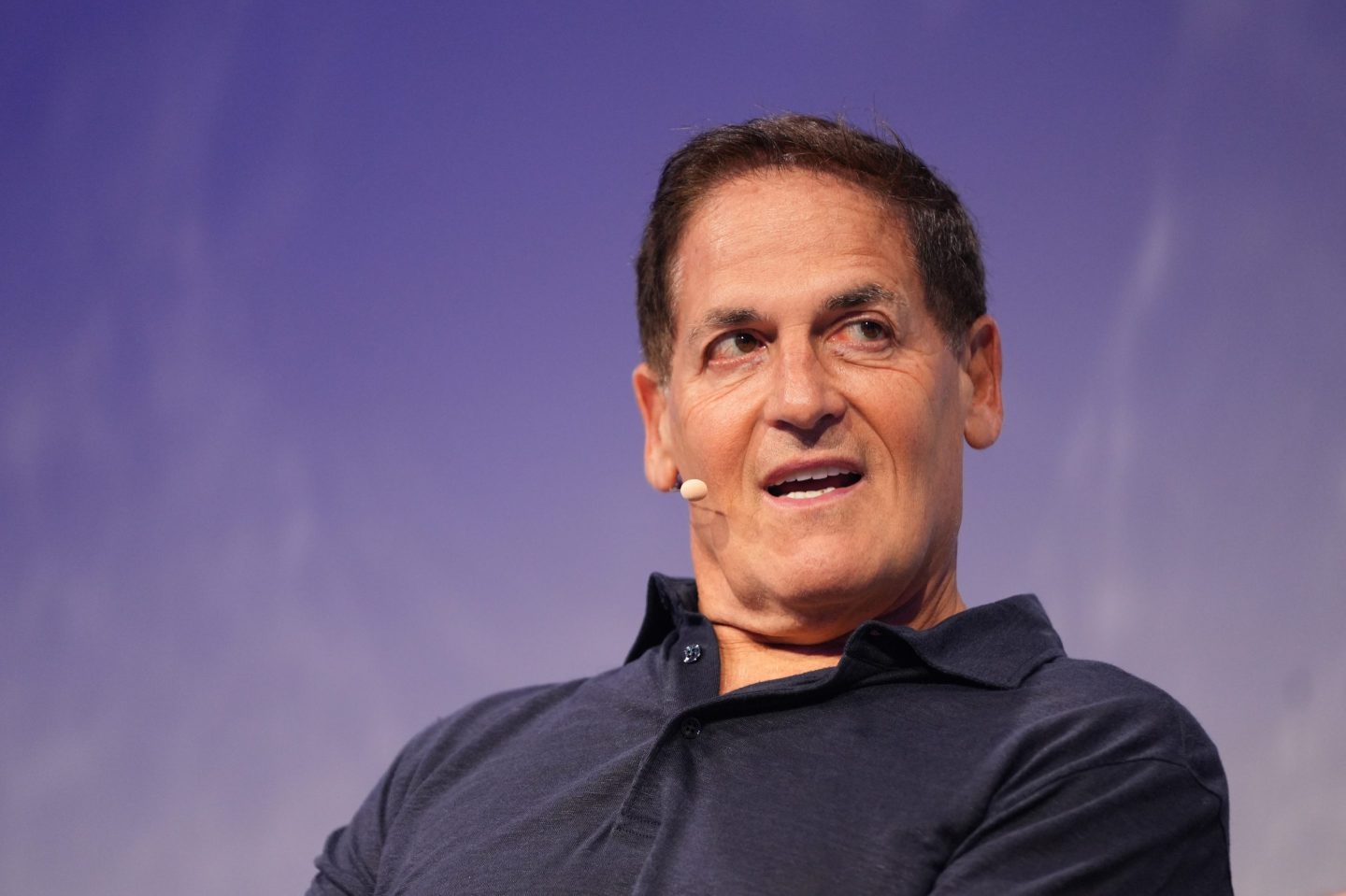
Mark Cuban says he has the solution to growing income inequality, and it's to reward every employee—from CEO to janitor—with company stock

3

Mathematicians grapple with a ‘very rapid and very unsettling change’ as AI cracks yet another century-old problem

1

OpenAI says its AI models secretly broke out of a secure test environment and hacked into AI company Hugging Face in order to cheat on an evaluation

2

Mark Cuban says he has the solution to growing income inequality, and it's to reward every employee—from CEO to janitor—with company stock

3

Mathematicians grapple with a ‘very rapid and very unsettling change’ as AI cracks yet another century-old problem
Commentarymueller investigation

Can the President Be Indicted? Yes, But Not By Who You Think

By
Tom Ginsburg
Tom Ginsburg
and
Bethany Cianciolo
Bethany Cianciolo
Down Arrow Button Icon
By
Tom Ginsburg
Tom Ginsburg
and
Bethany Cianciolo
Bethany Cianciolo
Down Arrow Button Icon
May 22, 2018, 3:30 PM ET
Add Fortune on Google for similar content.

Thanks to Rudy Giuliani’s report that special prosecutor Robert Mueller told him he couldn’t legally indict President Trump, we are again confronted with a question of constitutional law for which there is no settled answer: Can a sitting president be indicted for criminal activity? There is no precedent for such an indictment, but there is much debate among scholars and lawyers about whether it would be legal to do so.

Justice Department policy and two internal memos—one dating back to Watergate and the other from the Clinton era—suggest that the answer is no. This view is contested by various scholars, and most recently Sen. Richard Blumenthal (D-Conn.), who believes a president could be indicted and the trial postponed until after the president leaves office. Who is right?

Let’s start with the common ground. All agree that impeachment—which, if successful, turns a sitting president into an indictable ex-president—resolves the issue. But impeachment is highly unlikely in current circumstances, given that it requires a 2/3 vote in the Senate to convict. It is unimaginable that Republicans, who have tightly yoked their party to Trump, will be willing to impeach, and so the question of whether a sitting president can be indicted remains live.

Another point of agreement is that functional concerns matter. The president has a day job, and there is some risk that extensive involvement in court proceedings would interfere with his ability to carry out his constitutional functions. This was one of the arguments put forward in 1997 by then-president Bill Clinton in seeking the dismissal or postponement of the lawsuit brought by Paula Jones, in which she claimed he sexually harassed her when Clinton was governor of Arkansas. The Supreme Court’s 1997 decision in Clinton v. Jones rejected the argument for immunity or postponement, and decided that a sitting president could be sued civilly. The Court, however, did not resolve the question of whether he could be subject to criminal prosecution. The case held that the distraction involved in a civil suit was not so great as to impinge on the president’s carrying out his constitutional duty—an argument that turned out to be spectacularly wrong: It was the fallout from the civil suit that led to Clinton’s impeachment.

There is delicious irony in Trump relying on Clinton-era precedents to argue for immunity from process, but some of the language in Jones v. Clinton is not very helpful to Trump. The Court emphasized that the president “is subject to the same laws that apply to all citizens, that no case had been found in which an official was granted immunity from suit for his unofficial acts, and that the rationale for official immunity is inapposite where only personal, private conduct by a President is at issue.” Trump himself has been subjected to dozens of civil lawsuits since taking office. If he engaged in criminal behavior before taking office—involving campaign finance, or conspiracy to commit a crime, for instance—the logic of the opinion is that he would be subject to the same laws as the rest of us.

There is, however, the question of who could indict a president. Normally, the Department of Justice policies bind special prosecutors, and so Mueller would be unable to indict, absent a waiver from his superiors, in this case Rod Rosenstein. The independent counsel who prosecuted Clinton, Kenneth Starr, obtained a memo arguing that the independent prosecutor could indict a sitting president, but that special prosecutors could not because they are under presidential authority at the Department of Justice.


There is another group of prosecutors, however, who are not subject to Department of Justice policy: those in the states. There is nothing in the constitutional text that immunizes the president from state prosecutions. Nor, as the Jones case makes clear, is there immunity for unofficial acts of the president. If armed with evidence of violations of state law, the president would be “subject to the same laws that apply to all citizens.”

Here’s where the special prosecutor comes in. Even if he does not believe he can indict the president without approval from the Department of Justice, there is the possibility that the special prosecutor could legally release information that would lead to a state prosecution of the president. The Watergate prosecutor, Leon Jaworski, decided to name Richard Nixon as an unindicted co-conspirator for the Watergate break-in, rather than prosecuting directly. This led to impeachment proceedings and Nixon’s resignation, followed by a full pardon by Gerald Ford. Since conspiracies involve all of their participants in the crimes of any one of them, a federal prosecution of one of Trump’s associates for, say, wire fraud might lead to evidence that could be used against him in state court. Stay tuned for the next episode.

Tom Ginsburg is Leo Spitz Professor of International Law at the University of Chicago Law School and co-author with Aziz Huq of the forthcoming How to Save a Constitutional Democracy (The University of Chicago Press).

About the Authors
By Tom Ginsburg
See full bioRight Arrow Button Icon
By Bethany Cianciolo
See full bioRight Arrow Button Icon
Add Fortune on Google for similar content.

Latest in Commentary

Finance
Lorem ipsum dolor sit amet, consectetur adipiscing elit, sed do eiusmod tempor incididunt ut labore et dolore magna aliqua. Ut enim ad minim veniam
By Fortune Editors
October 20, 2025
Finance
Lorem ipsum dolor sit amet, consectetur adipiscing elit, sed do eiusmod tempor incididunt ut labore et dolore magna aliqua. Ut enim ad minim veniam
By Fortune Editors
October 20, 2025
Finance
Lorem ipsum dolor sit amet, consectetur adipiscing elit, sed do eiusmod tempor incididunt ut labore et dolore magna aliqua. Ut enim ad minim veniam
By Fortune Editors
October 20, 2025
Finance
Lorem ipsum dolor sit amet, consectetur adipiscing elit, sed do eiusmod tempor incididunt ut labore et dolore magna aliqua. Ut enim ad minim veniam
By Fortune Editors
October 20, 2025
Finance
Lorem ipsum dolor sit amet, consectetur adipiscing elit, sed do eiusmod tempor incididunt ut labore et dolore magna aliqua. Ut enim ad minim veniam
By Fortune Editors
October 20, 2025
Finance
Lorem ipsum dolor sit amet, consectetur adipiscing elit, sed do eiusmod tempor incididunt ut labore et dolore magna aliqua. Ut enim ad minim veniam
By Fortune Editors
October 20, 2025

Most Popular

Finance
Lorem ipsum dolor sit amet, consectetur adipiscing elit, sed do eiusmod tempor incididunt ut labore et dolore magna aliqua. Ut enim ad minim veniam
By Fortune Editors
October 20, 2025
Finance
Lorem ipsum dolor sit amet, consectetur adipiscing elit, sed do eiusmod tempor incididunt ut labore et dolore magna aliqua. Ut enim ad minim veniam
By Fortune Editors
October 20, 2025
Finance
Lorem ipsum dolor sit amet, consectetur adipiscing elit, sed do eiusmod tempor incididunt ut labore et dolore magna aliqua. Ut enim ad minim veniam
By Fortune Editors
October 20, 2025
Finance
Lorem ipsum dolor sit amet, consectetur adipiscing elit, sed do eiusmod tempor incididunt ut labore et dolore magna aliqua. Ut enim ad minim veniam
By Fortune Editors
October 20, 2025
Finance
Lorem ipsum dolor sit amet, consectetur adipiscing elit, sed do eiusmod tempor incididunt ut labore et dolore magna aliqua. Ut enim ad minim veniam
By Fortune Editors
October 20, 2025
Finance
Lorem ipsum dolor sit amet, consectetur adipiscing elit, sed do eiusmod tempor incididunt ut labore et dolore magna aliqua. Ut enim ad minim veniam
By Fortune Editors
October 20, 2025
Fortune Secondary Logo
Rankings
  • 100 Best Companies
  • Fortune 500
  • Global 500
  • Fortune 500 Europe
  • Most Powerful Women
  • World's Most Admired Companies
  • See All Rankings
  • Lists Calendar
Sections
  • Finance
  • Fortune Crypto
  • Features
  • Leadership
  • Health
  • Commentary
  • Success
  • Retail
  • Mpw
  • Tech
  • Lifestyle
  • CEO Initiative
  • Asia
  • Politics
  • Conferences
  • Europe
  • Newsletters
  • Personal Finance
  • Environment
  • Magazine
  • Education
Customer Support
  • Frequently Asked Questions
  • Customer Service Portal
  • Privacy Policy
  • Terms Of Use
  • Single Issues For Purchase
  • International Print
Commercial Services
  • Advertising
  • Fortune Brand Studio
  • Fortune Analytics
  • Fortune Conferences
  • Business Development
  • Group Subscriptions
About Us
  • About Us
  • Press Center
  • Work At Fortune
  • Terms And Conditions
  • Site Map
  • About Us
  • Press Center
  • Work At Fortune
  • Terms And Conditions
  • Site Map
  • Facebook icon
  • Twitter icon
  • LinkedIn icon
  • Instagram icon
  • TikTok icon
  • YouTube icon

Latest in Commentary

t
CommentaryTariffs
Trump’s third tariff tantrum piles more dizzying distractions on top of ever-spiraling failures
By Jeffrey Sonnenfeld and Steven TianJuly 22, 2026
9 hours ago
orson
CommentaryOpenAI
We got California to intervene about OpenAI’s corporate switch from nonprofit status. It’s time for the SEC to come to the table
By Orson Aguilar and Catherine BracyJuly 22, 2026
10 hours ago
ls
Commentarybooks
Confessions of an award-winning AI memoirist — the ‘slop’ debate isn’t really about good writing, and you know it
By Luke StoffelJuly 22, 2026
11 hours ago
b
Commentarythe future of work
Manpower President: The future of work question that even CEOs can’t answer
By Becky FrankiewiczJuly 22, 2026
11 hours ago
k
Commentarypower
What I keep hearing from Fortune 500 CEOs: ‘We have no idea what we’re actually paying for power’
By Kiran BhatrajuJuly 21, 2026
1 day ago
Bolt CEO Ryan Breslow
CommentaryHuman resources
The CEO who fired HR was right. About the wrong thing.
By KeyAnna SchmiedlJuly 21, 2026
1 day ago

Most Popular

OpenAI says its AI models secretly broke out of a secure test environment and hacked into AI company Hugging Face in order to cheat on an evaluation
Cybersecurity
OpenAI says its AI models secretly broke out of a secure test environment and hacked into AI company Hugging Face in order to cheat on an evaluation
By Jeremy Kahn and Emily ForliniJuly 21, 2026
1 day ago
Mark Cuban says he has the solution to growing income inequality, and it's to reward every employee—from CEO to janitor—with company stock
Success
Mark Cuban says he has the solution to growing income inequality, and it's to reward every employee—from CEO to janitor—with company stock
By Sasha RogelbergJuly 20, 2026
2 days ago
Mathematicians grapple with a ‘very rapid and very unsettling change’ as AI cracks yet another century-old problem
AI
Mathematicians grapple with a ‘very rapid and very unsettling change’ as AI cracks yet another century-old problem
By Eva RoytburgJuly 21, 2026
1 day ago
Despite a $156 million contract, Knicks star Jalen Brunson still calls his parents for financial advice any time he makes a big purchase
Success
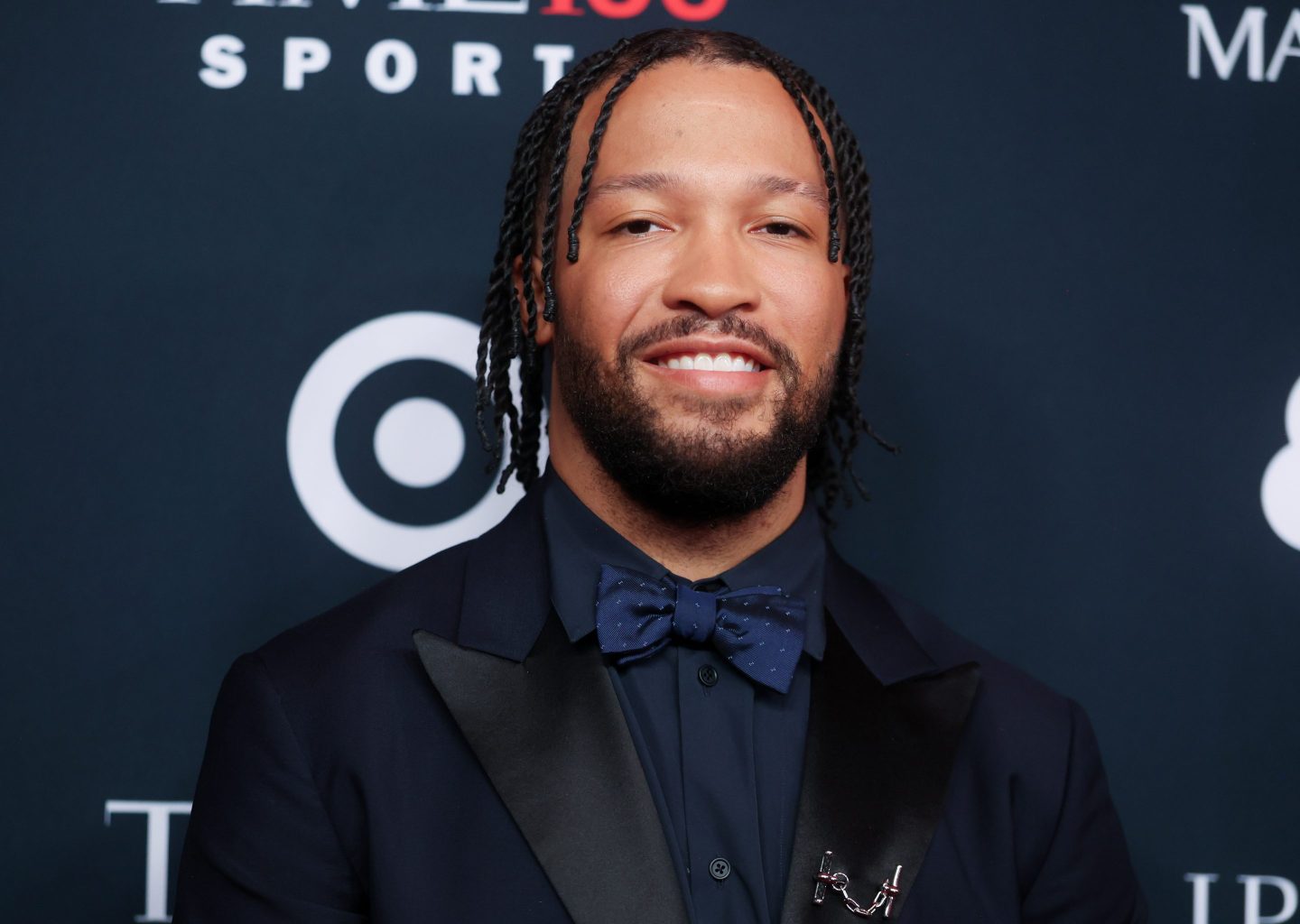
Despite a $156 million contract, Knicks star Jalen Brunson still calls his parents for financial advice any time he makes a big purchase
By Emma BurleighJuly 21, 2026
1 day ago
‘I want to die broke’: Billionaire philanthropist Denny Sanford dies after giving away $4 billion
Success
‘I want to die broke’: Billionaire philanthropist Denny Sanford dies after giving away $4 billion
By Sydney LakeJuly 20, 2026
2 days ago
The millennial generation has split, new Fed research shows: Those over 35 are edging toward boomer-style wealth, while everyone else falls behind
Real Estate
The millennial generation has split, new Fed research shows: Those over 35 are edging toward boomer-style wealth, while everyone else falls behind
By Nick LichtenbergJuly 22, 2026
6 hours ago

© 2026 Fortune Media IP Limited. All Rights Reserved. Use of this site constitutes acceptance of our Terms of Use and Privacy Policy | CA Notice at Collection and Privacy Notice | Do Not Sell/Share My Personal Information
FORTUNE is a trademark of Fortune Media IP Limited, registered in the U.S. and other countries. FORTUNE may receive compensation for some links to products and services on this website. Offers may be subject to change without notice.