• Home
  • News
  • Fortune 500
  • Tech
  • Finance
  • Leadership
  • Lifestyle
  • Rankings
  • Multimedia
HealthHealth

15 Ways Food Companies Try to Convince You Their Packaged Products Are ‘Natural’

By
Laura Entis
Laura Entis
Down Arrow Button Icon
By
Laura Entis
Laura Entis
Down Arrow Button Icon
August 9, 2017, 10:12 AM ET

Browse the shelves at your local grocery store, and you’ll find highly-processed product after highly-processed product marketing itself as a natural option.

This is communicated in a variety of ways. Terms such as “whole,” “real,” and “fresh” are liberally used, as are references to farmers and harvests. But one of the most popular strategies is also the most straight-forward: sales for products containing the term “natural” rose from $29.6 billion in the 52 weeks ending July 6, 2013 to $43.7 billion in the 52 weeks ending July 1, 2017, according to data from Nielsen.

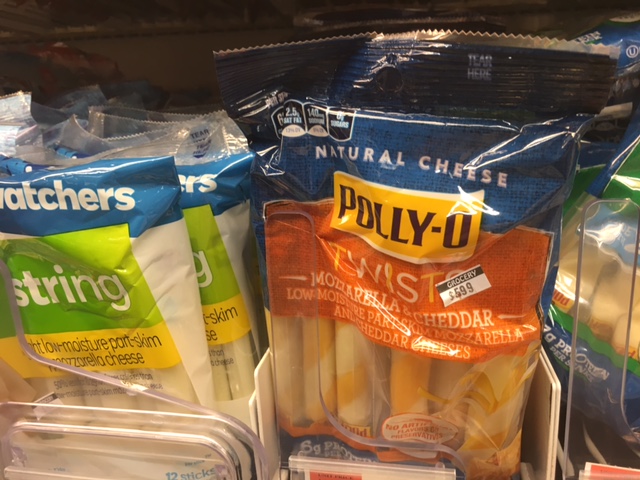
A quick visit to my neighborhood supermarket bore this out. String cheese packages were stamped with the term “natural,” as were containers of frozen gluten-free chicken nuggets. The word, while frequently used on its own (“100% Natural,” and “All Natural”), was also deployed to describe flavors, colors, sources, even carbonation.

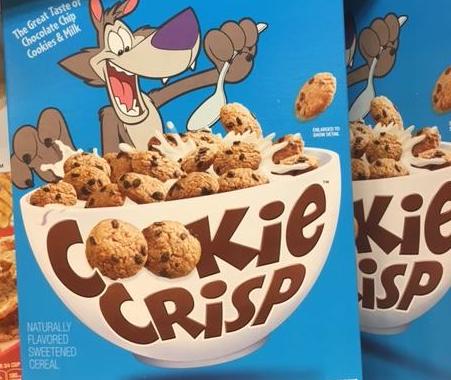
So — what does natural actually mean? And why are companies allowed to use it to describe everything from boxes of Cookie Crisp cereal to bottles of raspberry iced tea?

The short answer: natural doesn’t mean much of anything. “You may think it means straight from the earth or tree, but not a chance,” Marion Nestle, a professor of nutrition at New York University, told Fortune in an email. The FDA hasn’t established a formal definition of the term (it is currently reviewing comments from the public). As it stands, the agency advises that “natural” only be used to describe products for which “nothing artificial or synthetic (including all color additives regardless of source) has been included in, or has been added to, a food that would not normally be expected to be in that food.” These parameters are broad (processed foods fall under the “natural” umbrella) and ambiguous (what does “not normally be expected to be in that food” mean, exactly?). They’re also largely besides the point: at the moment, the FDA doesn’t have the legal authority to intervene even if a company violates its definition of natural.

Still, in the wake of the FDA’s indecision, a number of class action lawsuits have been brought against companies for labeling products “all natural” that contain synthetic, artificial, or GMO ingredients. As a result, some major food manufacturers have preemptively stopped using the term — only to start using similar claims.

Even if the FDA puts its foot down, “companies are always going to be able to find a new synonym or creative marketing term” that doesn’t run afoul of regulations, says Margaret Pollan, an assistant professor of environmental food law at Pace Law School.

It’s a glorified game of whack-a-mole, which is why she doesn’t think the solution lies with a stricter definition of the term “natural.” Instead, she believes the government — along with advocacy groups — needs to do a better job helping consumers understand that most marketing claims, particularly those used on packaged, processed food, mean very little.

Below, a sample of ambiguous marketing claims, all working to convince you that packaged food is “real” and “natural.”

“Natural”
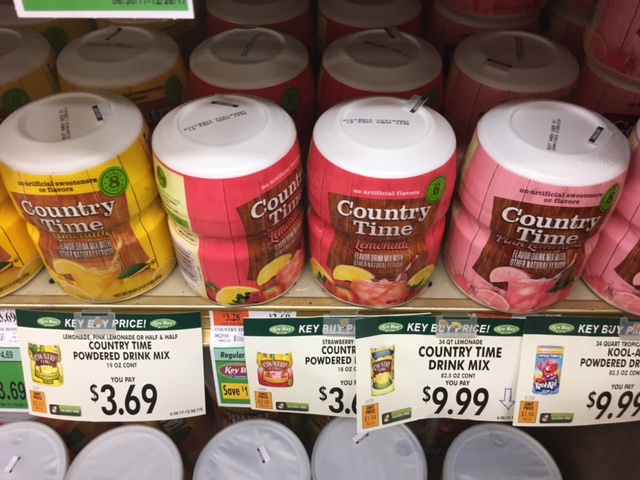
“Color & flavor from natural sources”
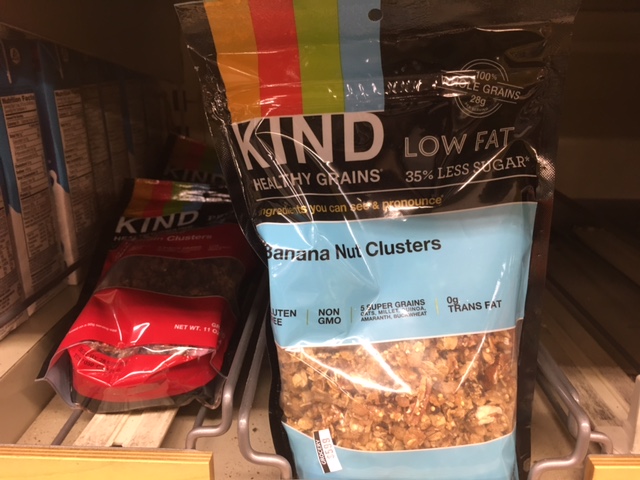
“Healthy grains” + “Ingredients you can pronounce”
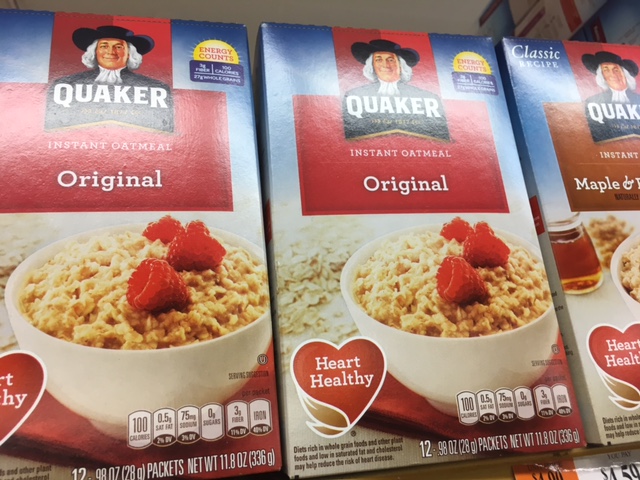
“Heart healthy”
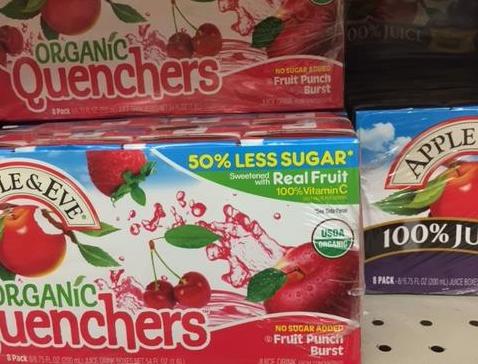
“Sweetened with real fruit”
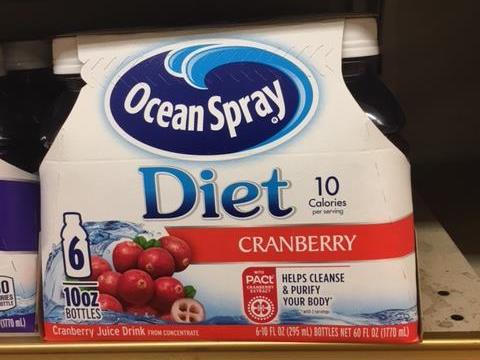
“Helps cleanse & purify your body”
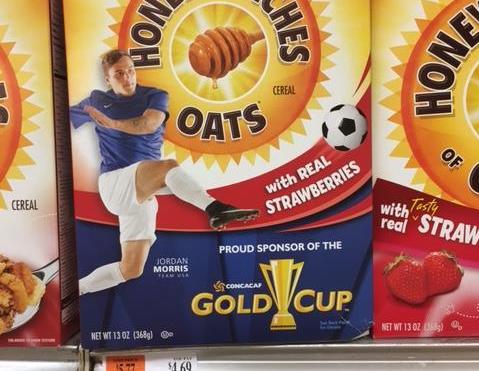
“With real strawberries”
“Genuine chocolate flavor”
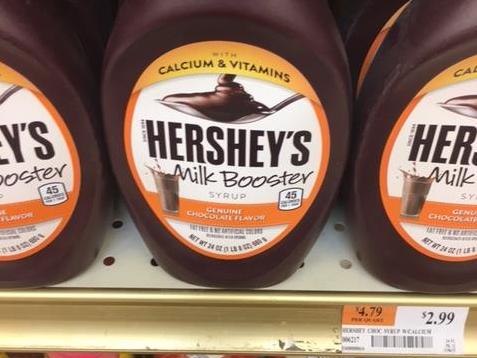
“Naturally flavored sweetened cereal”
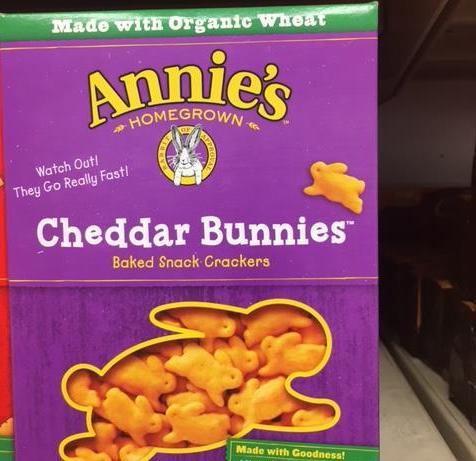
“Baked with real cheese”
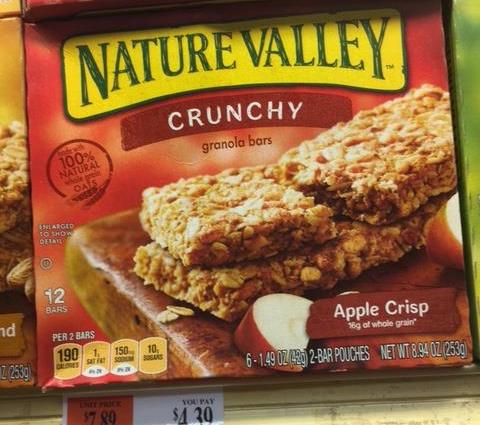
“100% natural”
“Genuine chocolate flavor”

“Chef’s pick”
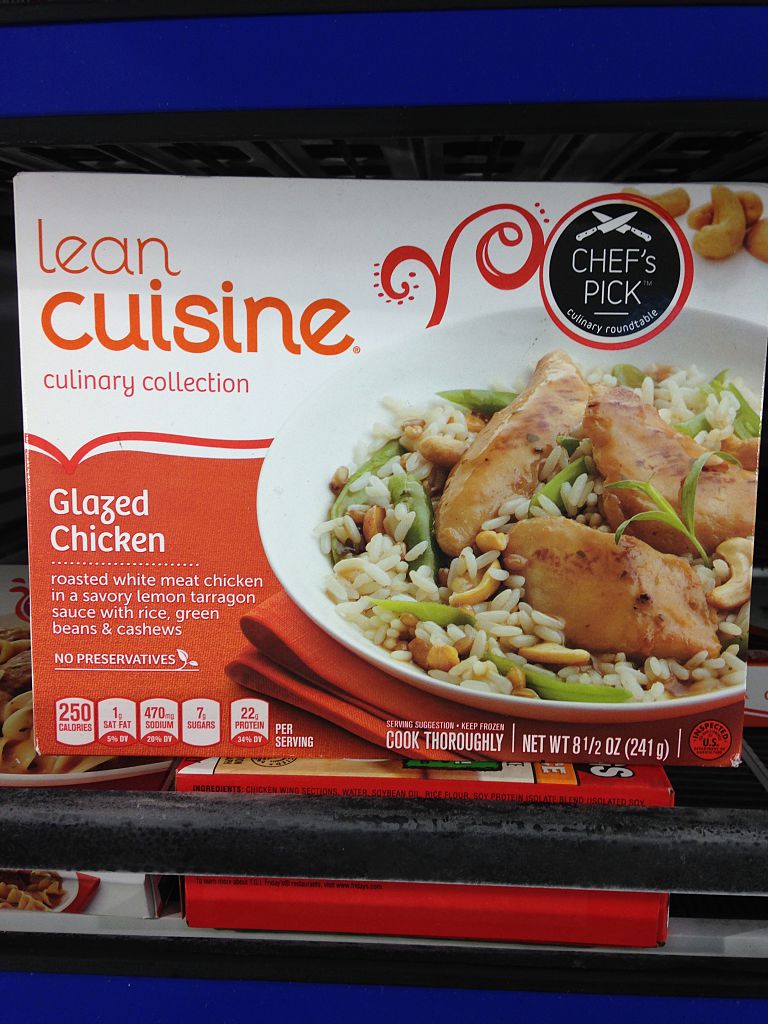
Food Packaged
Lean Cuisine culinary collectionLaura Kalcheff Moment Editorial/Getty Images
Laura Kalcheff Moment Editorial/Getty Images

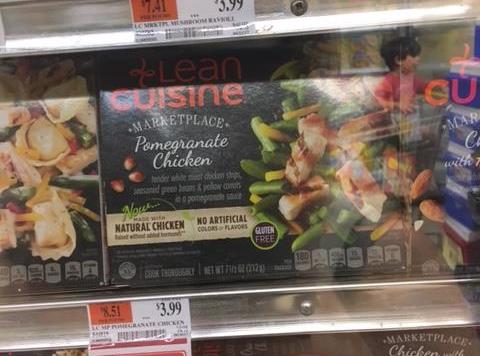
“Made with natural chicken”

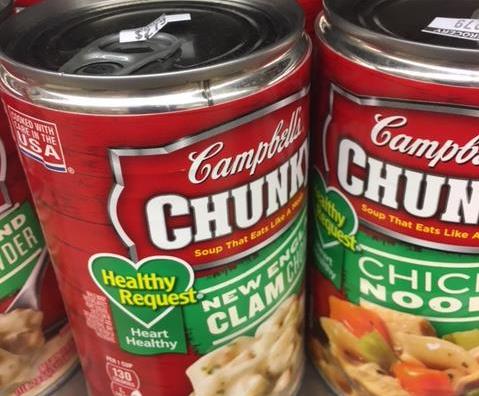
“Healthy request”
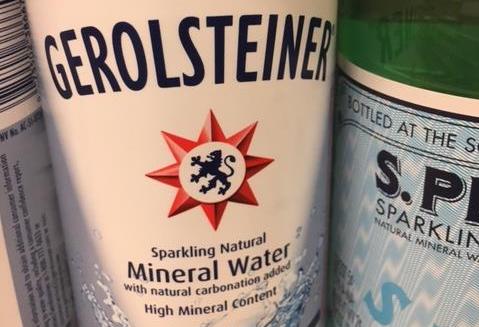
“With natural carbonation added”
About the Author
By Laura Entis
See full bioRight Arrow Button Icon

Latest in Health

Gen Z
EconomyGen Z
America, meet your alienated youth: ‘Gold standard’ Harvard survey reveals Gen Z’s anxiety and distrust, defined by economic insecurity
By Nick LichtenbergDecember 4, 2025
23 hours ago
Jensen Huang
SuccessBillionaires
Nvidia CEO Jensen Huang admits he works 7 days a week, including holidays, in a constant ‘state of anxiety’ out of fear of going bankrupt
By Jessica CoacciDecember 4, 2025
1 day ago
Healthmeal delivery
The 6 Best Meal Delivery Services for Singles in 2025
By Christina SnyderDecember 4, 2025
1 day ago
Healthmeal delivery
The 6 Best Meal Delivery Services for Families (2025)
By Christina SnyderDecember 4, 2025
1 day ago
Boston Celtics head coach Joe Mazzulla stands on the court with his arms folded
Workplace CultureLeadership
You don’t need to have fun at work—take it from NBA head coach Joe Mazzulla: ‘Fun is a cop-out sometimes when things aren’t going well’
By Dave SmithDecember 4, 2025
1 day ago
Bill Gates
HealthGates Foundation
Bill Gates decries ‘significant reversal in child deaths’ as nearly 5 million kids will die before they turn 5 this year
By Nick LichtenbergDecember 4, 2025
2 days ago

Most Popular

placeholder alt text
Economy
Two months into the new fiscal year and the U.S. government is already spending more than $10 billion a week servicing national debt
By Eleanor PringleDecember 4, 2025
1 day ago
placeholder alt text
Success
‘Godfather of AI’ says Bill Gates and Elon Musk are right about the future of work—but he predicts mass unemployment is on its way
By Preston ForeDecember 4, 2025
1 day ago
placeholder alt text
Success
Nearly 4 million new manufacturing jobs are coming to America as boomers retire—but it's the one trade job Gen Z doesn't want
By Emma BurleighDecember 4, 2025
1 day ago
placeholder alt text
Success
Nvidia CEO Jensen Huang admits he works 7 days a week, including holidays, in a constant 'state of anxiety' out of fear of going bankrupt
By Jessica CoacciDecember 4, 2025
1 day ago
placeholder alt text
Economy
Tariffs and the $38 trillion national debt: Kevin Hassett sees ’big reductions’ in deficit while Scott Bessent sees a ‘shrinking ice cube’
By Nick LichtenbergDecember 4, 2025
1 day ago
placeholder alt text
Real Estate
‘There is no Mamdani effect’: Manhattan luxury home sales surge after mayoral election, undercutting predictions of doom and escape to Florida
By Sasha RogelbergDecember 4, 2025
1 day ago
Rankings
  • 100 Best Companies
  • Fortune 500
  • Global 500
  • Fortune 500 Europe
  • Most Powerful Women
  • Future 50
  • World’s Most Admired Companies
  • See All Rankings
Sections
  • Finance
  • Leadership
  • Success
  • Tech
  • Asia
  • Europe
  • Environment
  • Fortune Crypto
  • Health
  • Retail
  • Lifestyle
  • Politics
  • Newsletters
  • Magazine
  • Features
  • Commentary
  • Mpw
  • CEO Initiative
  • Conferences
  • Personal Finance
  • Education
Customer Support
  • Frequently Asked Questions
  • Customer Service Portal
  • Privacy Policy
  • Terms Of Use
  • Single Issues For Purchase
  • International Print
Commercial Services
  • Advertising
  • Fortune Brand Studio
  • Fortune Analytics
  • Fortune Conferences
  • Business Development
About Us
  • About Us
  • Editorial Calendar
  • Press Center
  • Work At Fortune
  • Diversity And Inclusion
  • Terms And Conditions
  • Site Map

© 2025 Fortune Media IP Limited. All Rights Reserved. Use of this site constitutes acceptance of our Terms of Use and Privacy Policy | CA Notice at Collection and Privacy Notice | Do Not Sell/Share My Personal Information
FORTUNE is a trademark of Fortune Media IP Limited, registered in the U.S. and other countries. FORTUNE may receive compensation for some links to products and services on this website. Offers may be subject to change without notice.