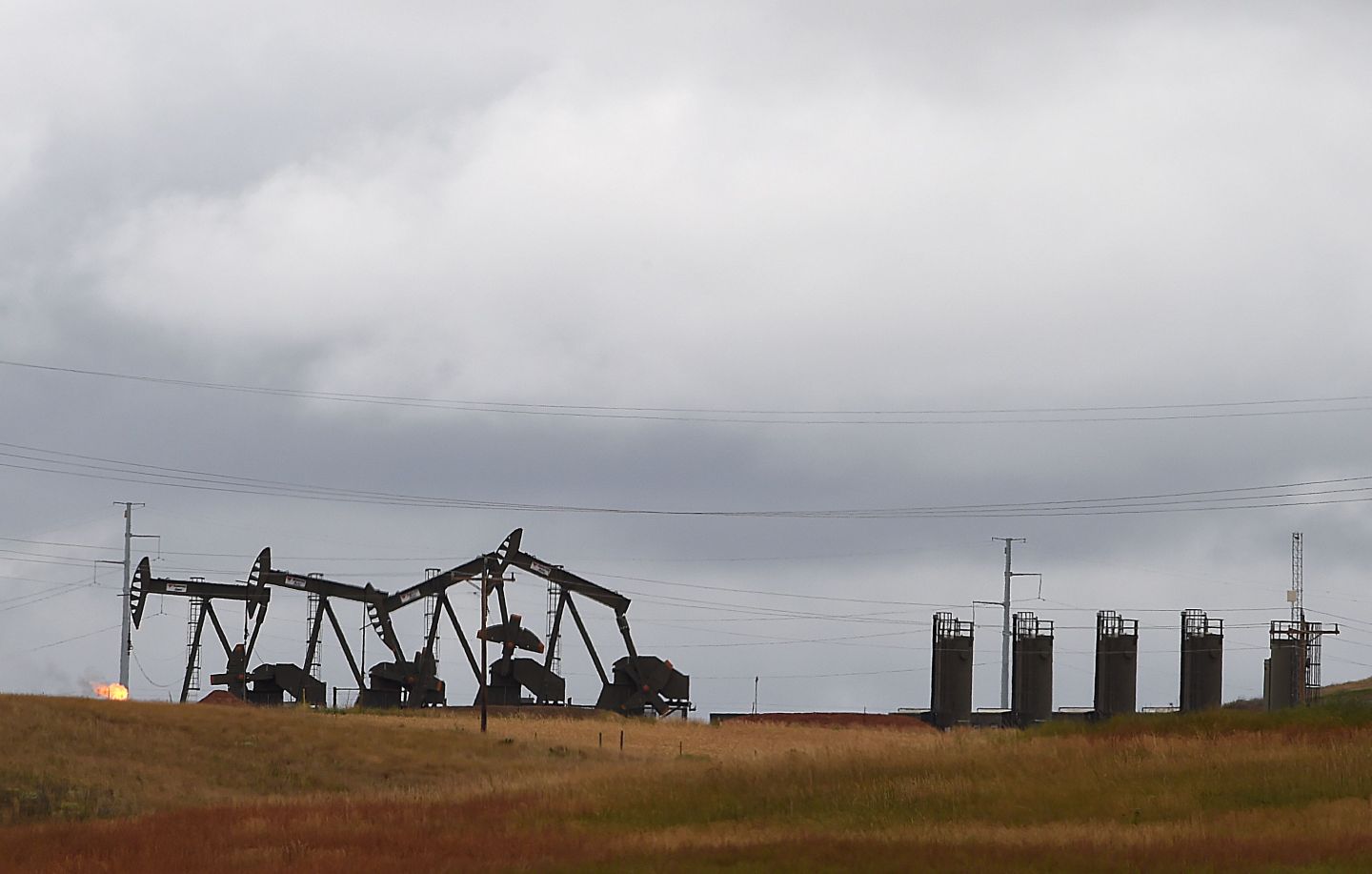
U.S. shale producers are redeploying cash, rigs and workers, cautiously confident the energy sector has turned a corner after Donald Trump’s election victory and OPEC‘s recent signal that it plans to curb production.
The downturn produced a leaner, more efficient U.S. shale industry that was forced to develop and quickly adapt new technology to compete with conventional oil supplies during a two-year period of depressed prices.
“You’re starting to see a little bit of light at the end of the tunnel,” Ryan Lance, chief executive of ConocoPhillips , the largest independent U.S. oil producer, said in an interview last week. “We’re beginning to put capital back to work, but we’re being cautious.”
Specifics of the deal by the Organization of the Petroleum Exporting Countries—especially what it means for each member—need to be finalized at a meeting later this month in Austria. But the tentative agreement indicated OPEC kingpin Saudi Arabia is keen to end a damaging two-year oil price war. That prodded U.S. producers to action.
The U.S. oil drilling rig count has grown 6% since OPEC‘s September accord, according to oilfield analytics firm NavPort, with additions across the country’s top shale fields including the Permian (7%) and the Bakken (17%).
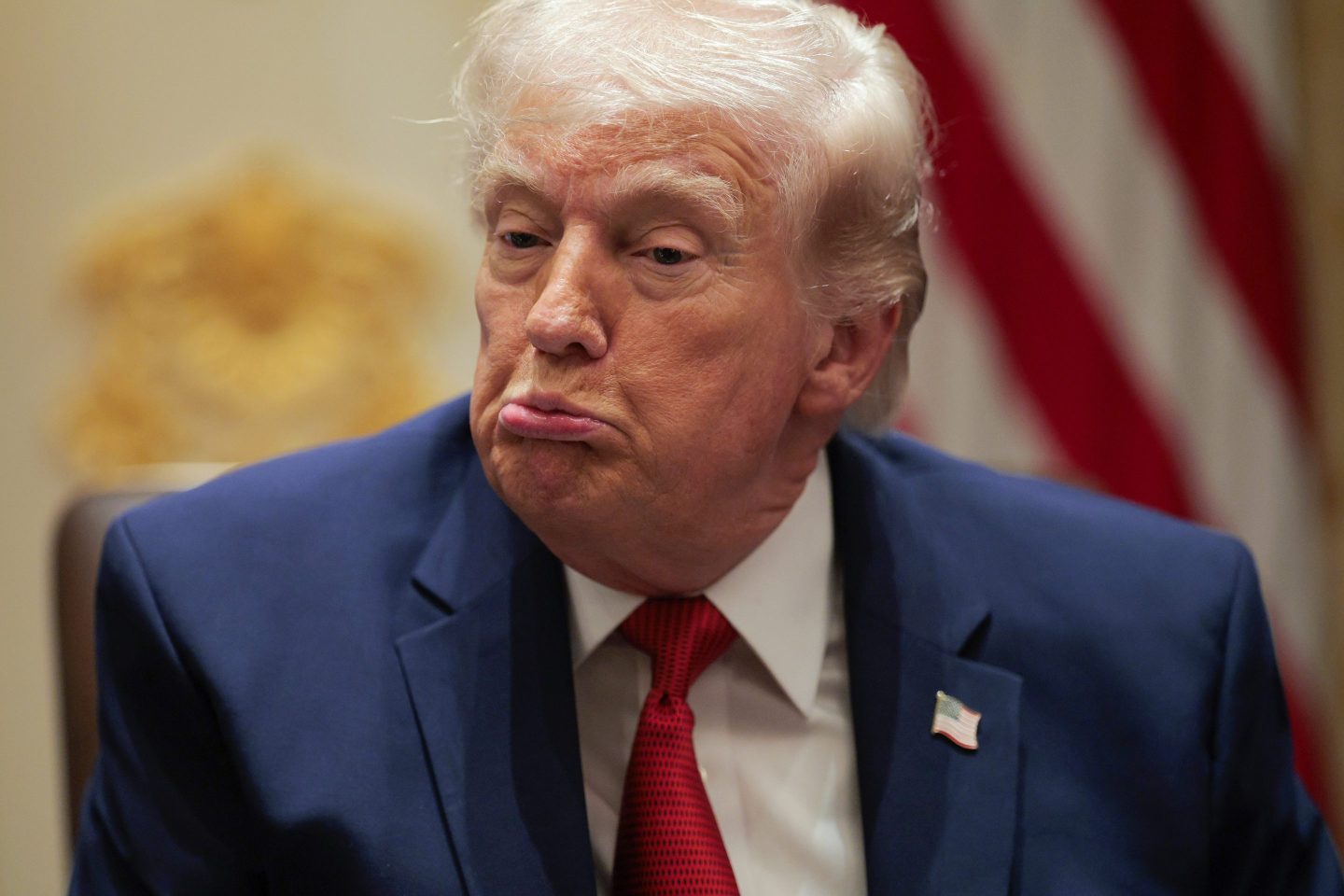
Also, Trump’s victory is expected to bring to the White House an advocate for oil and gas drilling, who will slash regulations and encourage new energy industry development.
Occidental Petroleum, Chevron, Pioneer Natural Resources, and ConocoPhillips are among those adding rigs or preparing to do so.
Oasis Petroleum, a major North Dakota producer, bought 55,000 acres last month from SM Energy for $785 million, a bullish bet on the future of oil prices. The company also plans to add rigs.
“This all reflects more of a confidence around our business plan in a lower oil price environment,” Oasis chief executive Tommy Nusz said in an interview last week.
“We feel like we can hold our own now in a $40 (per barrel oil) world and grow in a $45 to $50 world.”
Citing its technology and other improvements, EOG Resources raised its growth projections and now expects to boost output 15 to 25% each year through the end of the decade if oil prices stabilize near $50 per barrel.
“After two years of this down cycle, we are more than ready to resume higher-return oil growth,” EOG CEO Bill Thomas told investors in early November.
All that activity will have an effect once things ramp up.
U.S. unconventional shale oil production is expected to dip 13% this year from 2015 levels and continue to slip into 2017 before rebounding 11 percent in 2018, according to data from the U.S. Energy Information Administration.
Investors Eye Potential
Investors in the oil sector are also bullish, eager to see returns grow after lagging for several years.
“We fundamentally feel that where energy prices are at now are below where they are going to be at some point, and below their long-term equilibrium level,” Tony James, president of private equity investor Blackstone Group, told reporters in late October.
James’ outlook reflects a broader perception among shale oil producers and their financiers that the industry has turned a corner for the better, analysts said.
U.S. oil producers have launched initial public offerings, with Extraction Oil & Gas and WildHorse Resource Development filing this fall alone.
That is good news not only for the oil industry but also for its largest lenders, including Wells Fargo and Bank of America.
Oil “companies are now entrepreneurial and they’ve cut costs to become viable at these prices,” a senior executive at one of the top private equity firms in New York said last month. The executive declined to be named as he is not authorized to speak to the media. “Those people are going to start producing again.”
To be sure, a resurgence in the U.S. oil industry must still contend with market fundamentals, including a large oversupply and sluggish demand that neither Saudi Arabia nor President-elect Trump can fully control.
America’s oil inventories rose by more than 14 million barrels in late October, the largest one-week increase on record and one linked to large production of shale oil and natural gas.
If American oil companies continue to increase production, they run the risk of abrogating any OPEC output cuts later this month and pushing down prices on their own accord.
“Obviously if we pull back to $25 per barrel, that will have an impact upon our investing,” said Al Walker, CEO of Anadarko Petroleum.
Yet demand for the light, sweet oil produced across American shale fields continues to rise globally. U.S. crude oil exports hit an all-time high in September, according to U.S. Census data.
And many companies have hedged for 2017 at least, taking advantage of the oil price rise this year. That emboldens executives to boost budgets.
Pioneer, considered by Wall Street analysts one of the best-run U.S. shale oil producers, has hedged 75 percent of its 2017 output at an average price around $50 per barrel.
“The industry is looking forward to a tepid recovery in early 2017,” said John Chisholm, CEO of Flotek Industries, which supplies chemicals used in fracking and other oilfield products.
Demand for Flotek’s CnF, a nontoxic fracking fluid, during the first nine months of 2016 has already eclipsed 2015 sales volumes, with projections higher for 2017.
“These oil producers have reconstructed their business so they can make money at these low oil price levels. They’re pressing forward.”