
• Home
  • Latest
  • Fortune 500
  • Finance
  • Tech
  • Leadership
  • Lifestyle
  • Rankings
  • Multimedia

Trendingnow

1

‘Take time in quiet’: Melinda French Gates says to spend at least 10 minutes a day on self-care

2

'We will not endure' — Top Iranian leaders signal they are running out of time as economy crumbles ahead of Trump's next sanctions onslaught

3

Jeff Bezos wants the bottom half of earners to pay zero income tax—he says nurses making just $75K should save $12K a year

1

‘Take time in quiet’: Melinda French Gates says to spend at least 10 minutes a day on self-care

2

'We will not endure' — Top Iranian leaders signal they are running out of time as economy crumbles ahead of Trump's next sanctions onslaught

3

Jeff Bezos wants the bottom half of earners to pay zero income tax—he says nurses making just $75K should save $12K a year
TechFortune 500

Giving Your Phone Number to Facebook Can Be a Bad Idea

Jeff John Roberts
By
Jeff John Roberts
Jeff John Roberts
Editor, Finance and Crypto
Down Arrow Button Icon
Jeff John Roberts
By
Jeff John Roberts
Jeff John Roberts
Editor, Finance and Crypto
Down Arrow Button Icon
August 30, 2016, 2:23 PM ET
Popular Smart Phone Apps Of 2016
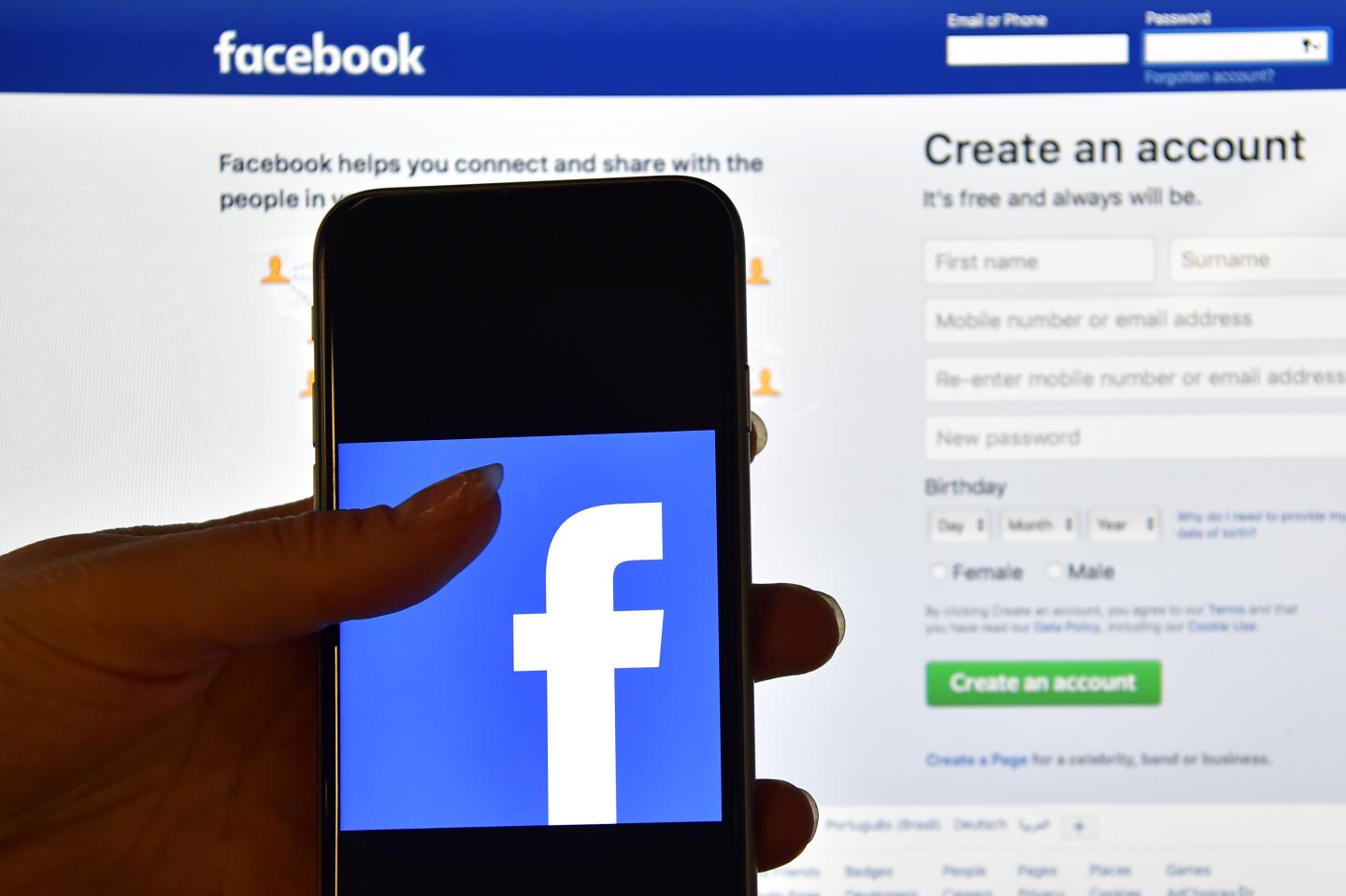
A person holds an iPhone displaying the Facebook app logo in front of a computer screen showing the facebook login page on August 3, 2016 in London, England. Photograph by Carl Court — Getty Images
Add Fortune on Google for similar content.

Do you want to become Facebook friends with the other patients at your therapist’s office? If you don’t, it’s a good idea to avoid giving Facebook your telephone number.

That’s the takeaway from a disturbing news report that looks at how Facebook (FB) finds those “People You May Know” who mysteriously appear in your Facebook feed.

The report, published on news site Fusion, describes how a psychotherapist in a small town began to see her patients pop up as suggestions when she went on Facebook. Worse, one of those patients, a 30-something snowboarder, asked her why a bunch of random 60-something people had shown up in his feed—he guessed (correctly) that they must be connected through the therapist’s office.

This raises obvious privacy implications. As the therapist noted, her patients included people with serious diseases or suicidal tendencies. Would they be comfortable with Facebook suggesting them as friends to the therapist’s other patients?

There’s also the question of how Facebook connected these people in the first place. The most obvious answer, noted by Fusion, is the social media giant used the telephone contacts of the therapist to guess the patients were connected.

Get Data Sheet, Fortune’s technology newsletter.

A Facebook spokesperson would not confirm or deny that the phone number was the source of the common connections, and provided this statement instead:

“Without additional information from the people involved, we’re not able to explain why one person was recommended as a friend to another. People You May Know is based on a variety of factors, including mutual friends, work and education information, networks you’re part of, contacts you’ve imported and many other factors.”

While the company makes a valid point that phone numbers are not the only piece of data used to suggest common friends, in the case of the therapist, it’s hard to point to any other explanation.

One way to avoid such situations, of course, is to avoid giving Facebook your phone number in the first place. I’ve noticed the company has been prodding me to do so on a fairly regular basis over the last year, but I’ve refrained from doing so. (Though I have given it to other sites that are no doubt mining my contact info in the same way Facebook does).

The story about the therapist also reinforces the significance of Facebook’s announcement last week that it will gobble the user data of WhatsApp, a messaging giant it acquired two years ago. The decision means Facebook will end up with more phone numbers (including mine) although it is possible to opt-out from some parts of the data sharing.

About the Author
Jeff John Roberts
By Jeff John RobertsEditor, Finance and Crypto
LinkedIn iconTwitter icon

Jeff John Roberts is the Finance and Crypto editor at Fortune, overseeing coverage of the blockchain and how technology is changing finance.

See full bioRight Arrow Button Icon
Add Fortune on Google for similar content.

Latest in Tech


Most Popular

Fortune Secondary Logo
Rankings
  • 100 Best Companies
  • Fortune 500
  • Global 500
  • Fortune 500 Europe
  • Most Powerful Women
  • World's Most Admired Companies
  • See All Rankings
  • Lists Calendar
Sections
  • Finance
  • Fortune Crypto
  • Features
  • Leadership
  • Health
  • Commentary
  • Success
  • Retail
  • Mpw
  • Tech
  • Lifestyle
  • CEO Initiative
  • Asia
  • Politics
  • Conferences
  • Europe
  • Newsletters
  • Personal Finance
  • Environment
  • Magazine
  • Education
Customer Support
  • Frequently Asked Questions
  • Customer Service Portal
  • Privacy Policy
  • Terms Of Use
  • Single Issues For Purchase
  • International Print
Commercial Services
  • Advertising
  • Fortune Brand Studio
  • Fortune Analytics
  • Fortune Conferences
  • Business Development
  • Group Subscriptions
About Us
  • About Us
  • Press Center
  • Work At Fortune
  • Terms And Conditions
  • Site Map
  • About Us
  • Press Center
  • Work At Fortune
  • Terms And Conditions
  • Site Map
  • Facebook icon
  • Twitter icon
  • LinkedIn icon
  • Instagram icon
  • TikTok icon
  • YouTube icon

    Latest in Tech


    Most Popular

    © 2026 Fortune Media IP Limited. All Rights Reserved. Use of this site constitutes acceptance of our Terms of Use and Privacy Policy | CA Notice at Collection and Privacy Notice | Do Not Sell/Share My Personal Information
    FORTUNE is a trademark of Fortune Media IP Limited, registered in the U.S. and other countries. FORTUNE may receive compensation for some links to products and services on this website. Offers may be subject to change without notice.