Two new drugs that help the immune system fight some of the deadliest cancers are helping patients live years longer than older treatments, according to clinical trial results that should further boost confidence in this approach to oncology.
Merck & Co (MRK) showed that its Keytruda drug helped many patients with advanced melanoma survive at least three years, while Bristol-Myers (BMY) demonstrated that Opdivo can prolong life for a significant number of patients with advanced lung cancer by at least two years.
The results were released on Wednesday ahead of the American Society of Clinical Oncology meeting in Chicago next month.
Keytruda and Opdivo are among the first wave of successful immuno-oncology drugs with a list price of about $150,000 a year. They work by blocking a protein called PD-1 that tumors use to evade detection by the immune system.
In one study, researchers following 655 patients with advanced melanoma reported 40% of those who received Keytruda were still alive three years after beginning treatment.
Prior to the appearance of these new drugs, this deadliest form of skin cancer had no effective treatments and most patients died less than a year after the disease spread to other parts of the body.
“For 40% of these patients to be alive at three years is a big deal,” Dr. Daniel Hayes, a University of Michigan oncologist who will take the role of ASCO president next month, said in an interview. “It makes us wonder if we can use the word ‘cure'” for some patients.
Survival with Keytruda was similar regardless of whether patients had previously been treated with an older immunotherapy called Yervoy from Bristol-Myers. Among newly-diagnosed patients who had not received any prior treatment, 45% were still alive after three years.
In a separate study testing Keytruda against Yervoy in advanced melanoma, 55% of those who received the Merck drug were alive after two years versus 43% for Bristol’s Yervoy.
“These are previously unattainable results, but could represent the new normal,” said Dr. Roger Dansey, who oversees late-stage oncology drug development for Merck.
Data was made available through abstracts, or brief descriptions, of the studies to be formally presented at the ASCO meeting.
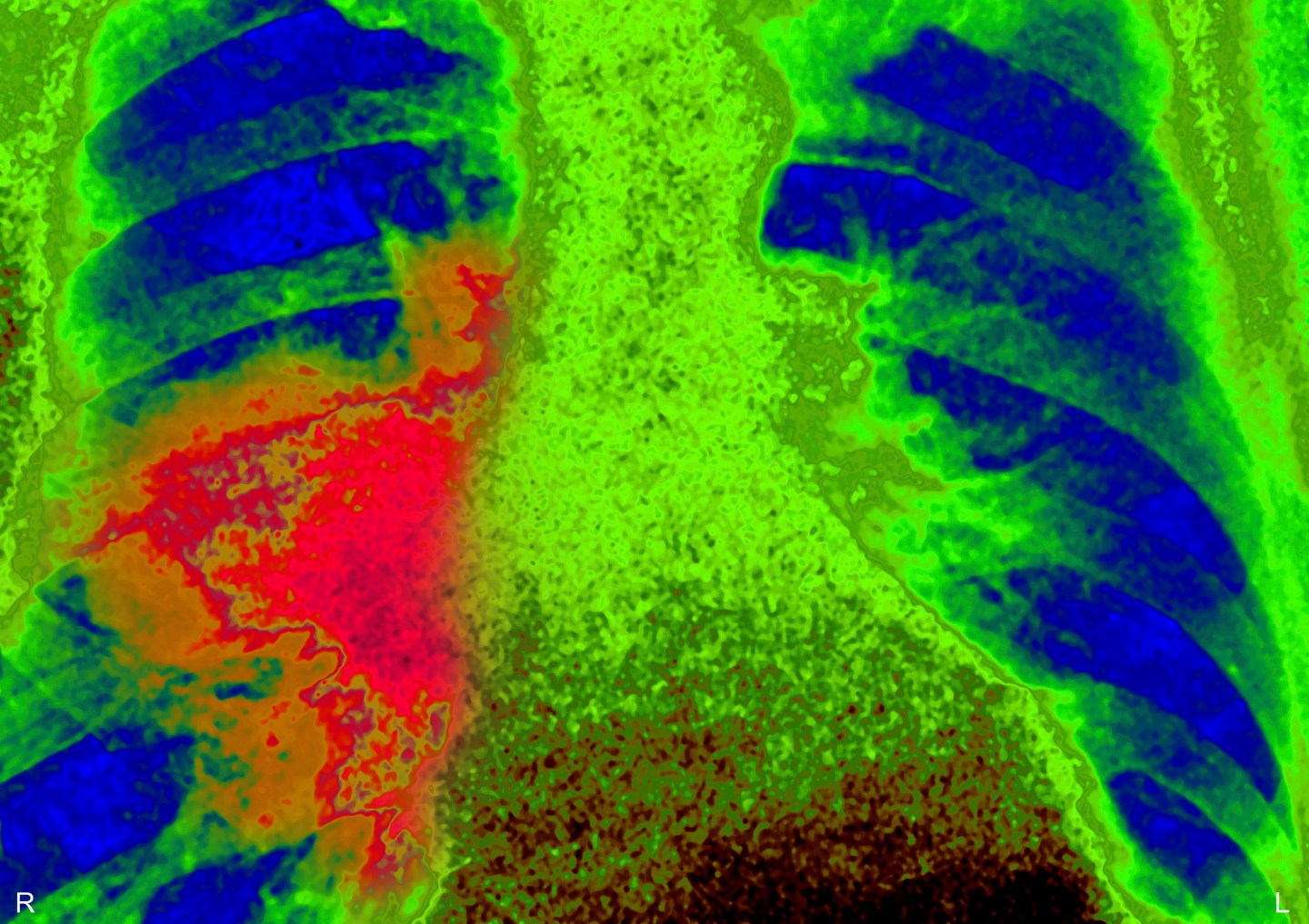
In a pair of lung cancer studies, Bristol’s Opdivo kept far more patients alive at least two years after beginning treatment compared with those who received chemotherapy.
One Opdivo study involved 272 patients with the squamous form of non-small cell lung cancer (NSCLC) that had progressed after prior chemotherapy treatment.
Twenty-three percent of those who received Opdivo were alive two years after beginning therapy versus 8% of those treated with the standard chemotherapy docetaxel.
For those alive after two years, there was no evidence that the Opdivo benefit had begun to wane, Bristol-Myers said.
“We’re really beginning to deliver now on the promise of immuno-oncology, which is to provide as many patients as possible with the potential for survival benefit,” said Nick Botwood, development chief for lung and head and neck cancers at Bristol-Myers. “There’s a very clear difference between Opdivo and the old standard of care, which is chemotherapy.”
In a separate study of 582 patients with advanced non-squamous NSCLC, 29% of those treated with Opdivo following chemotherapy were alive after two years versus 16% for docetaxel.
Both forms of NSCLC are associated with smoking and relatively short-term survival. NSCLC accounts for more than 80% of lung cancers.
The incidence of serious side effects in the two studies was much lower for Opdivo than chemotherapy, the company said.
“With long-term follow-up, we’re not seeing any increase in Opdivo related side effects,” Botwood said.
Opdivo and Keytruda, both injectable biotech drugs, are fast becoming the second-line standard of care for NSCLC after chemotherapy, as well as the treatment of choice for melanoma that has spread.
They are also being tested against a wide variety of cancers, and in combinations with many drugs, including other immunotherapies and other types of cancer medicines.