In the wake of the Great Recession, many young Americans have been marginalized by high unemployment, the soaring cost of college, and a job market that favors the highly skilled. Several large corporations have responded by dipping a toe into the school-to-career pipeline. But IBM sought to completely reroute the tech talent stream.
Five years ago, the tech giant helped design a new model for the secondary education system in the United States that dramatically revamped how students progressed from high school to college to a job, hoping that a more streamlined approach would keep kids from falling through the cracks. But a report from NPR this week poked holes at what have so far been glowing reviews of the system, citing the struggles of students who’ve been catapulted into college courses before earning their high school degrees.
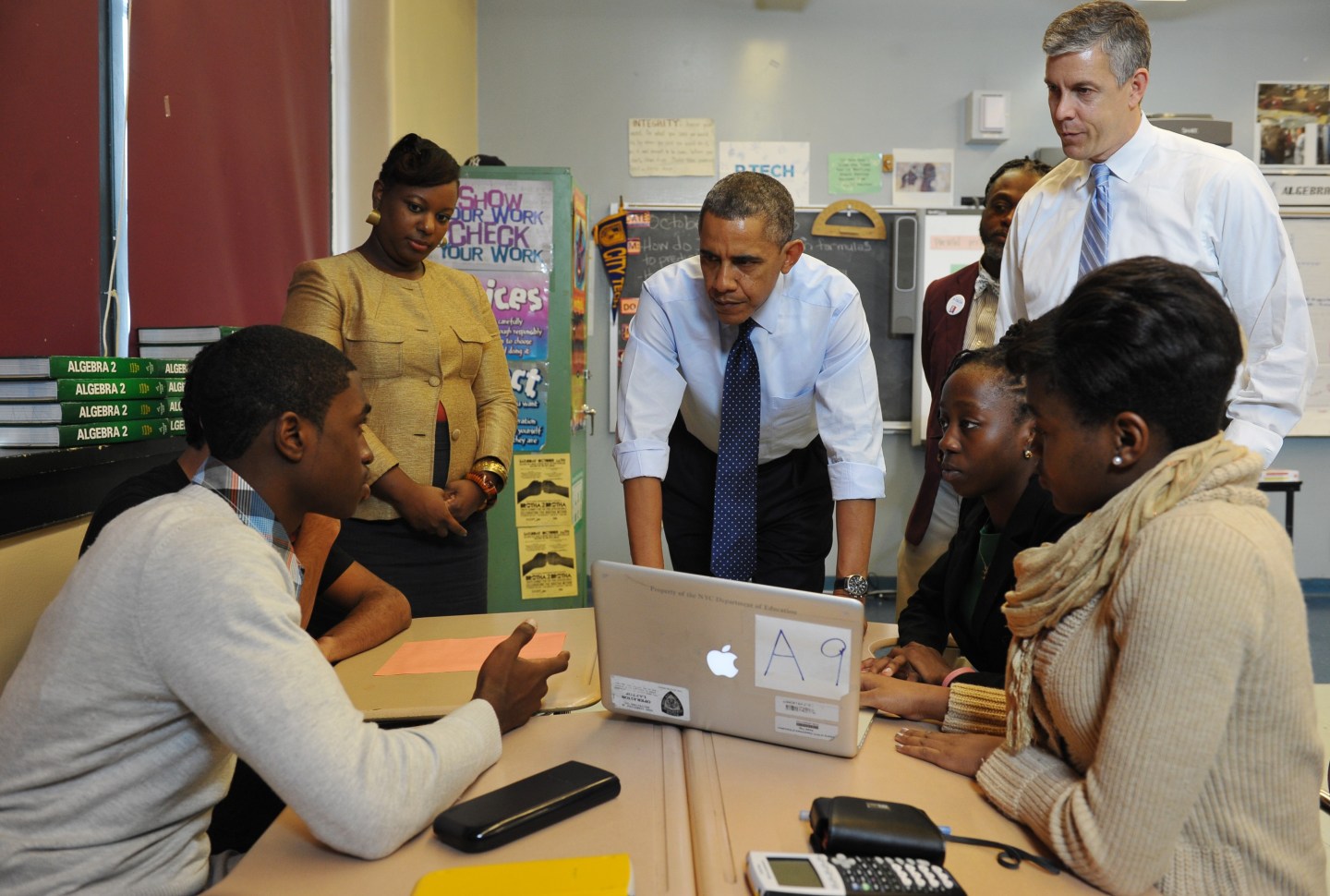
In 2011, IBM (IBM), in partnership with the New York City Department of Education, the City University of New York, and CUNY’s New York City College of Technology, launched the Pathways in Technology Early College High School, known as P-Tech, in Crown Heights, Brooklyn. The school offers a six-year program that blends the traditional four-year high school experience with two years of college—enough to earn an associates degree. Along the way, IBM provides mentors and internships, and it gives preference for full-time jobs to the institution’s graduates. P-Tech operates as a normal public high school in that it gets no direct money from IBM, but Big Blue does pay for curriculum development, training programs, student internships, and employee time.
P-Tech enrolls students based on lottery—not an entrance exam. Of its 520 current students, 96% are black or Hispanic, and 74% are male.
The program is aimed to address problems that still persist today: high youth unemployment, especially among minorities, and low completion rate at community colleges—not to mention the lack of diversity at tech companies. P-Tech students take college courses—paid for with public funds—as soon as they demonstrate they are ready. And by letting an employer help shape the curriculum, graduates are thought to have a better chance of landing a job with the sponsoring company or elsewhere in the same industry.
The idea went over well.
In his 2013 State of the Union address, President Barack Obama praised the model by name. At schools like P-Tech, “students will graduate with a high school diploma and an associate degree in computers or engineering,” he said. “We need to give every American student opportunities like this.”
Corporate America was listening. In 2014, IBM announced that its P-Tech model had spread to 40 schools around the nation. IBM has backed several of the new schools, and companies like Microsoft, SAP, ConEdison, as well as hospital systems and manufacturing associations have also stepped up to run them, according to Wired, whose article on P-Tech suggested the model “could fix education—and tech’s diversity gap.”
But as more school districts buy into the approach, some students at the first P-Tech campus in Brooklyn are struggling with their college course load. NPR reported that 21% of grades earned by students in college courses were D’s and F’s in the fall of 2014. A year later, that figure fell slightly to 14%. Failing grades threaten to derail students from P-Tech’s brisk pace. And at CUNY, where students take their college courses, student must carry a C average to be eligible for Pell Grants and to move on to four-year degree programs. Technical majors also need at least a C in every class.
The poor performance ignited a tense back-and-forth between P-Tech’s principal Rashid Davis and CUNY about the ramifications of a student’s failing grade. NPR said that IBM and P-Tech had sought exceptions from CUNY that would let students retake failed classes without penalty.
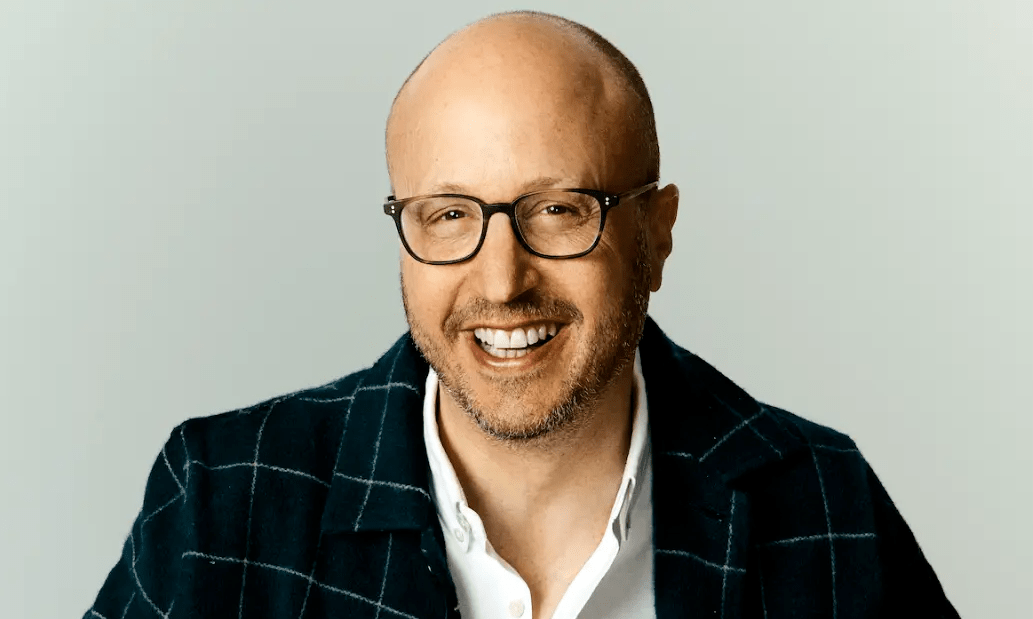
Stan Litow, president of the IBM International Foundation and former deputy chancellor of NYC public schools, defended P-Tech to Fortune as an institution with above-average completion rates. Litow also downplayed the administrative squabble. The back-and-forth between Davis and CUNY was a result of the university changing how it treated failing grades from P-Tech students midway through 2015. And the disagreement was resolved by CUNY agreeing to deal with F’s from P-Tech-ers on a case-by-case basis, according to Litow. CUNY did not immediately return a request for comment. Litow clarified that of the D’s and F’s P-Tech students earned this past fall, just 3% were F’s.
Litow also pointed to the program’s first six graduates, who in June earned their associates degrees from The New York City College of Technology two years ahead of schedule. Of the original 97 students who started the program in Brooklyn in 2011—with a projected graduation date of June 2017—11 have graduated early with associates degrees in technology. Of those early grads, four took jobs at IBM with salaries of at least $50,000, and two more are considering job offers. The rest are earning bachelors degrees at four-year institutions, according to IBM.
At the six-year mark, 60% of students from the first cohort will be on target to graduate. Nationally, 31% of all first-time, full-year students at two-year colleges graduated within three years, according to The National Center For Education Statistics. Among black students, the rate is 26.4%. For hispanic students, it’s 36.4%.
[fortune-brightcove videoid=4642890029001]
P-Tech’s graduation record has helped the model spread, Litow says. He expects there will be 60 schools following the P-Tech model worldwide by September 2016. And there’s growing international interest in the approach. The first two international P-Tech schools opened in Australia in January, and officials from the Czech Republic Prime Minister’s office visited P-Tech in Crown Heights on Wednesday.
Even with P-Tech’s spread, Litow said it’s sure to hit some bumps along the way. “Education often resists innovation,” he says. “When there is any kind of success, it is slow to change.” His philosophy is quite different. “The idea is don’t wait to begin to replicate. Then modify along the way.”