• Home
  • Latest
  • Fortune 500
  • Finance
  • Tech
  • Leadership
  • Lifestyle
  • Rankings
  • Multimedia
CommentaryCorporate Responsibility

How Corporate America Is Tackling Wildlife Trafficking

By
David J. Hayes
David J. Hayes
Down Arrow Button Icon
By
David J. Hayes
David J. Hayes
Down Arrow Button Icon
March 3, 2016, 6:30 AM ET
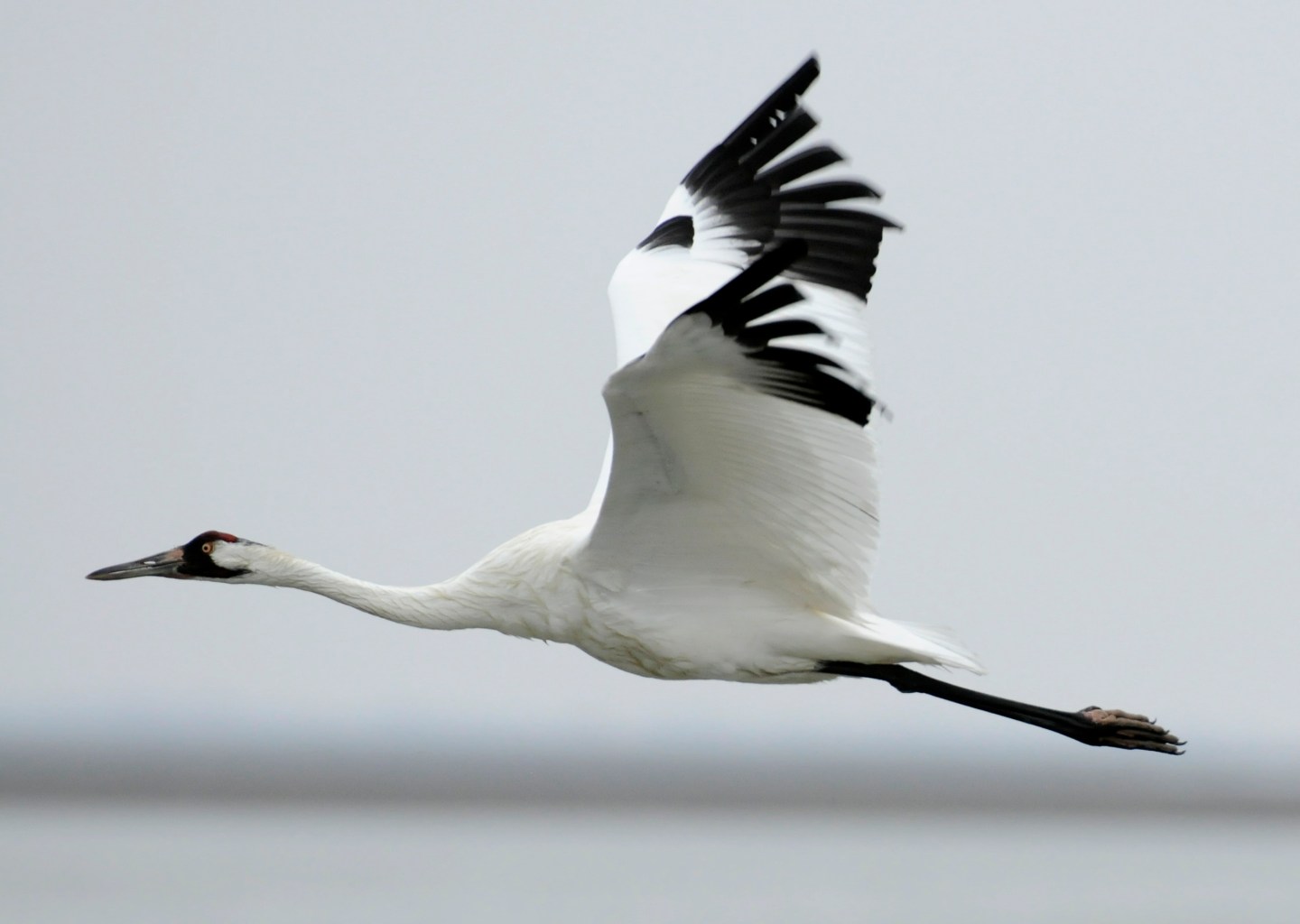
Whooping Cranes
A whooping crane flies Dec. 17, 2011, over the Aransas Wildlife Refuge in Fulton, Texas. Scientists are concerned a devastating drought could hurt the recovery of the 300 endangered whooping cranes that winter in Texas. (AP Photo/Pat Sullivan)Photograph by Pat Sullivan — AP

International criminal syndicates have been engineering industrial-scale killings of elephants, tigers, turtles and other fish and animal species. Traffickers are packaging and delivering illegally procured body parts to consumers in the U.S. and other wealthy nations in the form of jewelry and carvings made of ivory, fashion accessories made of exotic skins, and culinary “delicacies” from increasingly rare animals.

Major U.S. companies are as appalled as the rest of civil society at the scale of the killings, and the estimated $7 billion to $10 billion in annual ​illegal profits that are impacting our national security by financing terrorist organizations and corrupting and destabilizing governments around the world.

Bipartisan leaders in the Senate and House have joined with the Administration in recognizing that the United States is part of the problem. The National Strategy for Combatting Wildlife Trafficking, released two years ago by a cabinet-level task force, acknowledged that the U.S. is a major market for illegal wildlife products and that consumer demand in the U.S. is helping to fuel the killings. It called on the U.S. to help African nations stop poaching activities and disrupt the criminal networks that bring the illegal products to market. But the National Strategy put equal weight on the demand side of the equation, noting that “criminals will continue to kill wildlife and traffic in contraband so long as the potential profits remain so high.”

To tackle the demand issue, the National Strategy called for a coalition effort in which the government would partner with U.S. corporations and nongovernmental organizations to reduce domestic demand for illegally traded wildlife and wildlife products. The strategy challenged U.S. companies to raise awareness about the wildlife trafficking crisis, “reduce the risk of illegal products entering the supply chain” and “assure consumers that the products they purchase were obtained legally and sustainably.”

Corporate America is stepping up to help end the scourge of wildlife trafficking. Today, 16 U.S. companies are answering the call by announcing commitments to help stop trafficking activities in the United States. They are gathering under the umbrella of the U.S. Wildlife Trafficking Alliance, a coalition of companies and NGOs formed in response to the National Strategy and working in partnership with the government to stop the demand for illegal wildlife products in the U.S.

The commitments feature big name companies that are rising to the challenge. Leading the way for the fashion industry is Ralph Lauren (RL); for the e-commerce sector, eBay (EBAY), Etsy (ETSY) and Google (GOOGL); for the jewelry sector, Tiffany & Company, Signet and the Berkshire Hathaway companies, Richline and Rio Grande; for the auction industry, LiveAuctioneers.com; for the travel and hospitality sector, JetBlue, Royal Caribbean Cruises, Natural Habitat Adventures, and the Adventure Travel Trade Association. Discovery Communications is joining in the effort to educate U.S. consumers about the scourge of wildlife trafficking. So too are the Bronx Zoo and other members of the Association of Zoos and Aquariums, who will get the word out to the more than 180 million Americans who will visit our zoos and aquariums this year.

These companies are committing their brand names, supply chain expertise, marketing acumen, and communications networks to rid the U.S. of illegal wildlife trafficking. It is corporate social responsibility at its best, aligning the business community with the agencies that are responsible for catching illegal traffickers in the U.S. and the nongovernmental organizations active in this area, including Alliance members such as National Geographic, the World Wildlife Fund, the Wildlife Conservation Society, WildAid, the African Wildlife Foundation, and the International Fund for Animal Welfare, among others.

David J. Hayes is chair of the U.S. Wildlife Trafficking Alliance. He is a visiting lecturer at Stanford Law School, and the former Deputy Secretary of the U.S. Department of the Interior.

About the Author
By David J. Hayes
See full bioRight Arrow Button Icon

Latest in Commentary

Finance
Lorem ipsum dolor sit amet, consectetur adipiscing elit, sed do eiusmod tempor incididunt ut labore et dolore magna aliqua. Ut enim ad minim veniam
By Fortune Editors
October 20, 2025
Finance
Lorem ipsum dolor sit amet, consectetur adipiscing elit, sed do eiusmod tempor incididunt ut labore et dolore magna aliqua. Ut enim ad minim veniam
By Fortune Editors
October 20, 2025
Finance
Lorem ipsum dolor sit amet, consectetur adipiscing elit, sed do eiusmod tempor incididunt ut labore et dolore magna aliqua. Ut enim ad minim veniam
By Fortune Editors
October 20, 2025
Finance
Lorem ipsum dolor sit amet, consectetur adipiscing elit, sed do eiusmod tempor incididunt ut labore et dolore magna aliqua. Ut enim ad minim veniam
By Fortune Editors
October 20, 2025
Finance
Lorem ipsum dolor sit amet, consectetur adipiscing elit, sed do eiusmod tempor incididunt ut labore et dolore magna aliqua. Ut enim ad minim veniam
By Fortune Editors
October 20, 2025
Finance
Lorem ipsum dolor sit amet, consectetur adipiscing elit, sed do eiusmod tempor incididunt ut labore et dolore magna aliqua. Ut enim ad minim veniam
By Fortune Editors
October 20, 2025

Most Popular

Finance
Lorem ipsum dolor sit amet, consectetur adipiscing elit, sed do eiusmod tempor incididunt ut labore et dolore magna aliqua. Ut enim ad minim veniam
By Fortune Editors
October 20, 2025
Finance
Lorem ipsum dolor sit amet, consectetur adipiscing elit, sed do eiusmod tempor incididunt ut labore et dolore magna aliqua. Ut enim ad minim veniam
By Fortune Editors
October 20, 2025
Finance
Lorem ipsum dolor sit amet, consectetur adipiscing elit, sed do eiusmod tempor incididunt ut labore et dolore magna aliqua. Ut enim ad minim veniam
By Fortune Editors
October 20, 2025
Finance
Lorem ipsum dolor sit amet, consectetur adipiscing elit, sed do eiusmod tempor incididunt ut labore et dolore magna aliqua. Ut enim ad minim veniam
By Fortune Editors
October 20, 2025
Finance
Lorem ipsum dolor sit amet, consectetur adipiscing elit, sed do eiusmod tempor incididunt ut labore et dolore magna aliqua. Ut enim ad minim veniam
By Fortune Editors
October 20, 2025
Finance
Lorem ipsum dolor sit amet, consectetur adipiscing elit, sed do eiusmod tempor incididunt ut labore et dolore magna aliqua. Ut enim ad minim veniam
By Fortune Editors
October 20, 2025
Fortune Secondary Logo
Rankings
  • 100 Best Companies
  • Fortune 500
  • Global 500
  • Fortune 500 Europe
  • Most Powerful Women
  • World's Most Admired Companies
  • See All Rankings
  • Lists Calendar
Sections
  • Finance
  • Fortune Crypto
  • Features
  • Leadership
  • Health
  • Commentary
  • Success
  • Retail
  • Mpw
  • Tech
  • Lifestyle
  • CEO Initiative
  • Asia
  • Politics
  • Conferences
  • Europe
  • Newsletters
  • Personal Finance
  • Environment
  • Magazine
  • Education
Customer Support
  • Frequently Asked Questions
  • Customer Service Portal
  • Privacy Policy
  • Terms Of Use
  • Single Issues For Purchase
  • International Print
Commercial Services
  • Advertising
  • Fortune Brand Studio
  • Fortune Analytics
  • Fortune Conferences
  • Business Development
  • Group Subscriptions
About Us
  • About Us
  • Press Center
  • Work At Fortune
  • Terms And Conditions
  • Site Map
  • About Us
  • Press Center
  • Work At Fortune
  • Terms And Conditions
  • Site Map
  • Facebook icon
  • Twitter icon
  • LinkedIn icon
  • Instagram icon
  • Pinterest icon

Latest in Commentary

golf
Commentarybooks
How playing golf alone can make you better at your job
By Gary BelskyMay 8, 2026
18 hours ago
naomi
Commentarymental health
Naomi Osaka: the things I didn’t do to succeed
By Naomi OsakaMay 8, 2026
19 hours ago
amanda
Commentarybatteries
Why energy storage is moving beyond the capex debate
By Amanda SimonianMay 7, 2026
2 days ago
trump
CommentaryMedicare
Auto-enrollment in Medicare Advantage isn’t a nudge. It’s a trap
By Brian KeyserMay 7, 2026
2 days ago
nyse
CommentaryAI agents
Your trusted advocate or your rebellious Frankenstein: how you deploy agentic AI determines which one you get
By Jeffrey Sonnenfeld, Stephen Henriques, Yevheniia Podurets and Jasmine GarryMay 7, 2026
2 days ago
moore
CommentaryAntitrust
I litigated the JetBlue-Spirit merger. A few thoughts on the future of antitrust in the airline industry
By James "Jimmy" MooreMay 7, 2026
2 days ago

Most Popular

California farmers must destroy 420,000 peach trees after Del Monte closes its canneries and cancels more than $550 million in long-term contracts
North America
California farmers must destroy 420,000 peach trees after Del Monte closes its canneries and cancels more than $550 million in long-term contracts
By Sasha RogelbergMay 7, 2026
1 day ago
'Blue dot fever' plagues musicians like Post Malone, Meghan Trainor, and Zayn as a growing list of artists cancel tours due to lagging ticket sales
Arts & Entertainment
'Blue dot fever' plagues musicians like Post Malone, Meghan Trainor, and Zayn as a growing list of artists cancel tours due to lagging ticket sales
By Dave Lozo and Morning BrewMay 7, 2026
1 day ago
A Michigan farm town voted down plans for a giant OpenAI-Oracle data center. Weeks later, construction began
Magazine
A Michigan farm town voted down plans for a giant OpenAI-Oracle data center. Weeks later, construction began
By Sharon GoldmanMay 6, 2026
3 days ago
U.S. Treasury will have to borrow $2 trillion this year just to continue functioning—more than $166 billion every month
Economy
U.S. Treasury will have to borrow $2 trillion this year just to continue functioning—more than $166 billion every month
By Eleanor PringleMay 7, 2026
2 days ago
Airbnb CEO Brian Chesky warns two types of people won’t survive the AI era: ‘pure people managers’ and workers who resist change
Success
Airbnb CEO Brian Chesky warns two types of people won’t survive the AI era: ‘pure people managers’ and workers who resist change
By Emma BurleighMay 7, 2026
2 days ago
Current price of oil as of May 8, 2026
Personal Finance
Current price of oil as of May 8, 2026
By Joseph HostetlerMay 8, 2026
17 hours ago

© 2026 Fortune Media IP Limited. All Rights Reserved. Use of this site constitutes acceptance of our Terms of Use and Privacy Policy | CA Notice at Collection and Privacy Notice | Do Not Sell/Share My Personal Information
FORTUNE is a trademark of Fortune Media IP Limited, registered in the U.S. and other countries. FORTUNE may receive compensation for some links to products and services on this website. Offers may be subject to change without notice.