• Home
  • Latest
  • Fortune 500
  • Finance
  • Tech
  • Leadership
  • Lifestyle
  • Rankings
  • Multimedia

Trendingnow

1

Jamie Dimon runs JPMorgan’s 300,000 employees—but says it beats rivals by fighting in Navy SEAL-sized teams

2

After a decade of failed bills and three years of resignations, Washington finally discovers it cares about AI safety

3

Oil prices dive on signs of Hormuz diplomacy while Saudi Arabia is left hanging in fight against an Iranian ally threatening crude's other chokepoint

1

Jamie Dimon runs JPMorgan’s 300,000 employees—but says it beats rivals by fighting in Navy SEAL-sized teams

2

After a decade of failed bills and three years of resignations, Washington finally discovers it cares about AI safety

3

Oil prices dive on signs of Hormuz diplomacy while Saudi Arabia is left hanging in fight against an Iranian ally threatening crude's other chokepoint
Tech

WhatsApp is Now Free. Why Facebook is Resisting Easy Money.

By
Adam Lashinsky
Adam Lashinsky
Down Arrow Button Icon
By
Adam Lashinsky
Adam Lashinsky
Down Arrow Button Icon
January 19, 2016, 8:52 AM ET
US-IT-TAKEOVER-FACEBOOK-WHATAPP
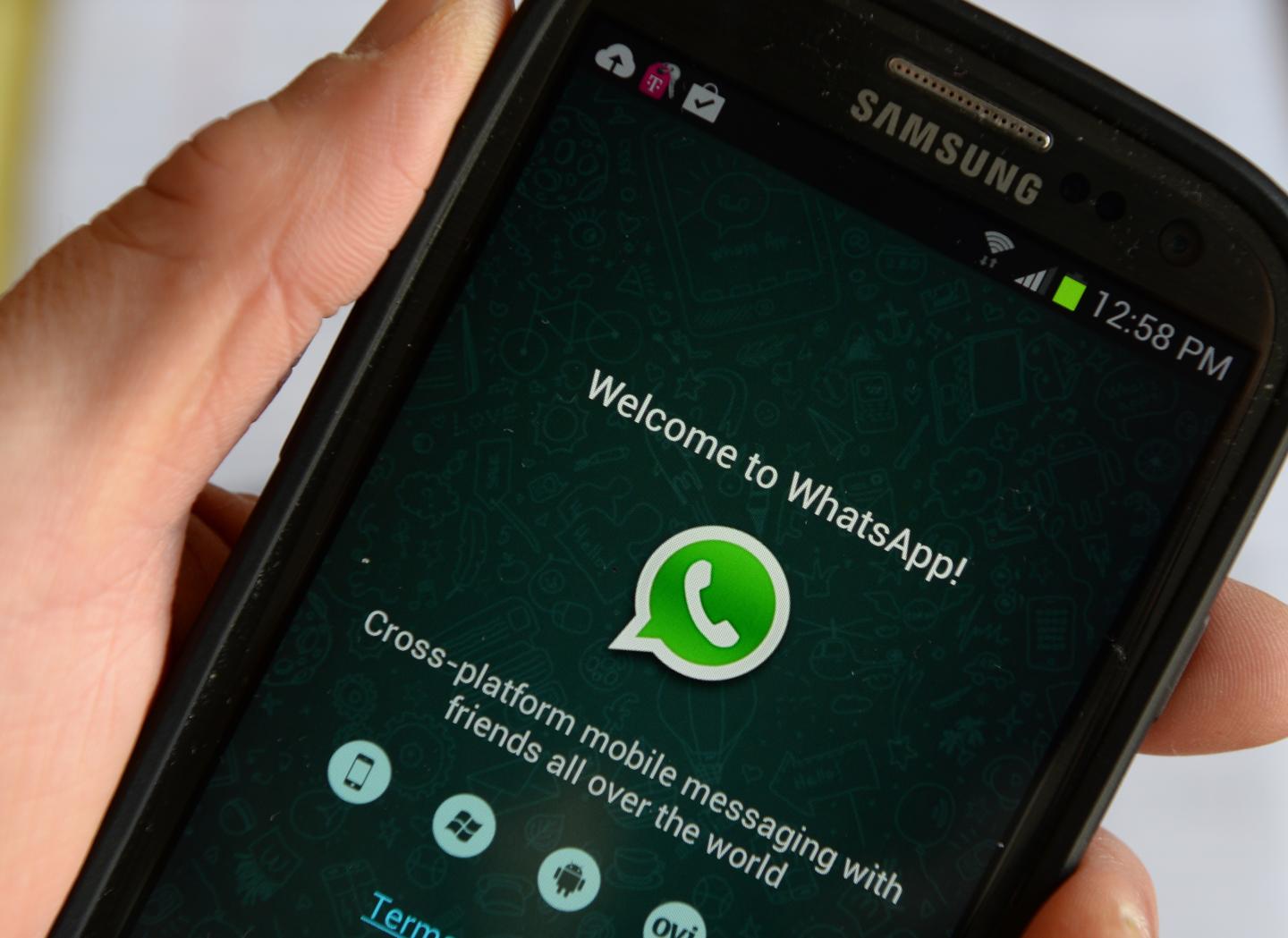
Logo of WhatsApp, the popular messaging service bought by Facebook for USD $19 billion, seen on a smartphone February 20, 2014 in New York. Facebook's deal for the red-hot mobile messaging service WhatsApp is a savvy strategic move for the world's biggest social network, even if the price tag is staggeringly high, analysts say. AFP PHOTO/Stan HONDA (Photo credit should read STAN HONDA/AFP/Getty Images)Photograph by Stan Honda—AFP/Getty Images
Google source logo
Add Fortune on Google for similar content.

I marvel at how Facebook zigs where others zag.

WhatsApp, the messaging company Facebook (FB) bought a couple years ago for $19 billion, said Monday it’ll no longer charge a $1 annual subscription fee for some users after their first year. The amount seems trivial, until you consider that WhatsApp, according to a company blog post, has nearly 1 billion users.

The bit about zigging versus zagging is that the Facebook unit is abandoning subscriptions just as the rest of the world is going gaga for them. Netflix (NFLX) , HBO, The Economist and others are widely admired because customers pay top dollar to be entertained and informed by them on an ongoing basis. No trashy content or trashier advertisements for entities like this. (HBO and Netflix sell no ads.) Or consider high-quality podcasts like Serial, which sell high-priced (and classy) ads to reach subscribers who don’t pay anything at all.

Then there’s WhatsApp, which said collecting a buck from such a big pool of users, many of whom don’t have debit or credit cards, was getting too difficult. The company’s response won’t be advertising, by the way. Moving to the revenue model that has made its parent, Facebook, worth $268 billion would be too logical. Instead, WhatsApp is exploring ways to charge businesses to message their customers.

Get Data Sheet, Fortune’s technology newsletter.

As an aside, I picked up a fresh piece of lingo from a Wall Street Journal dispatch on the WhatsApp move. It quoted WhatsApp co-founder Jan Koum, speaking at the DLD European technology conference in Munich, making reference to the “so-called commercial-participation model.” This is significant as it’s an evolution of the ultra-successful “freemium” model that only charges certain customers, typically those willing to pay for premium features or more volume. “Commercial-participation” suggests soaking companies to subsidize consumers, an echo of Google (GOOG) making its outstanding search results free but charging for search-driven ads next to them. Smart.

More on Facebook’s revenue model:

Facebook’s willingness to experiment and to take the product-development high road reminds me of another Google move, its years-ago refusal to slap schlocky ads on early YouTube videos. Few companies can resist easy revenue in search of bigger businesses. The best ones can.

About the Author
By Adam Lashinsky
See full bioRight Arrow Button Icon

Latest in Tech


Most Popular

Fortune Secondary Logo
Rankings
  • 100 Best Companies
  • Fortune 500
  • Global 500
  • Fortune 500 Europe
  • Most Powerful Women
  • World's Most Admired Companies
  • See All Rankings
  • Lists Calendar
Sections
  • Finance
  • Fortune Crypto
  • Features
  • Leadership
  • Health
  • Commentary
  • Success
  • Retail
  • Mpw
  • Tech
  • Lifestyle
  • CEO Initiative
  • Asia
  • Politics
  • Conferences
  • Europe
  • Newsletters
  • Personal Finance
  • Environment
  • Magazine
  • Education
Customer Support
  • Frequently Asked Questions
  • Customer Service Portal
  • Privacy Policy
  • Terms Of Use
  • Single Issues For Purchase
  • International Print
Commercial Services
  • Advertising
  • Fortune Brand Studio
  • Fortune Analytics
  • Fortune Conferences
  • Business Development
  • Group Subscriptions
About Us
  • About Us
  • Press Center
  • Work At Fortune
  • Terms And Conditions
  • Site Map
  • About Us
  • Press Center
  • Work At Fortune
  • Terms And Conditions
  • Site Map
  • Facebook icon
  • Twitter icon
  • LinkedIn icon
  • Instagram icon
  • TikTok icon
  • YouTube icon

    Latest in Tech


    Most Popular

    © 2026 Fortune Media IP Limited. All Rights Reserved. Use of this site constitutes acceptance of our Terms of Use and Privacy Policy | CA Notice at Collection and Privacy Notice | Do Not Sell/Share My Personal Information
    FORTUNE is a trademark of Fortune Media IP Limited, registered in the U.S. and other countries. FORTUNE may receive compensation for some links to products and services on this website. Offers may be subject to change without notice.